
Léon: The Professional Ending Explained: Controversy, Hidden Meanings, and Lasting Impact
Introduction to Léon: The Professional
Feature Video
Léon: The Professional, often simply called Leon, is a 1994 French thriller film directed by Luc Besson. Starring Jean Reno as the titular character Léon, a stoic hitman, and a young Natalie Portman in her breakout role as Mathilda, the orphaned girl who forms an unlikely bond with him, the movie blends action, drama, and emotional depth. Released internationally as Léon, the U.S. version titled The Professional became a cult classic, grossing over $46 million worldwide on a modest budget. But it’s the film’s ending and surrounding controversies that continue to spark debates among fans, critics, and cinephiles even three decades later.
SEO searches for “Leon the Professional ending explained” or “Leon movie controversy” surge periodically, especially with streaming revivals on platforms like Netflix. This article delves deep into the film’s climactic finale, the divisive director’s cut, and the ethical questions it raises about storytelling, age dynamics, and artistic intent. Whether you’re rewatching for the thousandth time or discovering it anew, understanding the Léon ending unlocks layers of tragedy, redemption, and ambiguity.
Plot Summary: A Spoiler-Free Overview
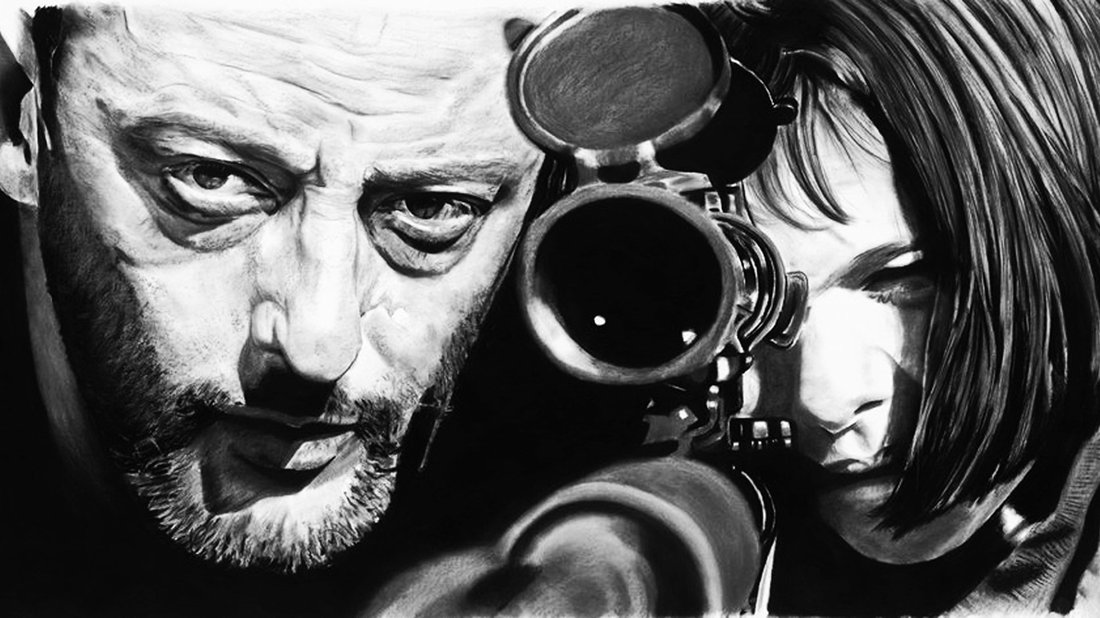
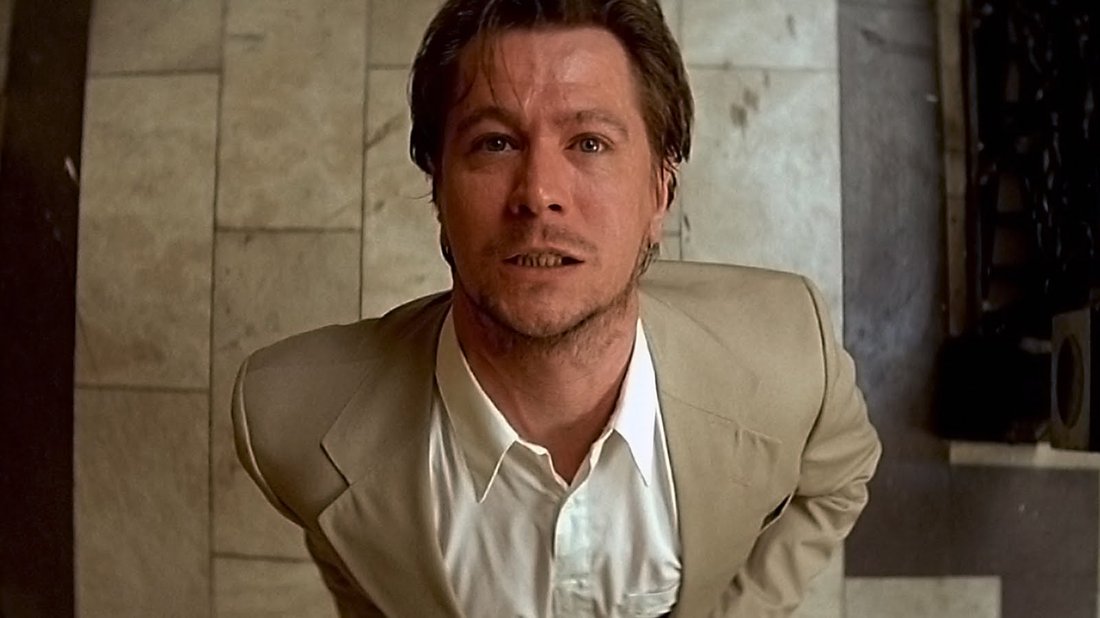
In the gritty underbelly of New York City’s Little Italy, Léon lives a solitary life as a professional cleaner—a euphemism for contract killer. His world of precision and isolation shatters when 12-year-old Mathilda Lando (Natalie Portman) knocks on his door, fleeing the brutal murder of her family by corrupt DEA agent Norman Stansfield (Gary Oldman in a scenery-chewing performance). What follows is a tale of mentorship turned profound connection, as Léon reluctantly teaches Mathilda the art of survival while she challenges his emotional barriers.
The film’s narrative builds tension through high-octane action sequences, heartfelt dialogues, and visual poetry courtesy of Besson’s kinetic style. Themes of innocence lost, revenge, and unlikely love permeate the story. Clocking in at 110 minutes for the U.S. theatrical cut, it masterfully balances explosive shootouts with tender moments, like Mathilda’s potted plant obsession symbolizing hope amid despair. But as the story hurtles toward its finale, viewers are left grappling with sacrifice, loss, and rebirth.
The Ending Explained: Spoilers Ahead
Spoiler Warning: Proceed only if you’ve seen the film or don’t mind major plot reveals.
The climax erupts in a ferocious apartment siege, pitting Léon against Stansfield’s army of agents. Léon, ever the professional, takes down dozens in a ballet of bullets, but he’s ultimately captured. In a heart-wrenching exchange, he swallows a grenade pin rigged to explode if harmed, buying Mathilda time to escape. Stansfield, enraged, shoots Léon point-blank. As he dies, Léon whispers final words to Mathilda through the elevator door: “Promise me… plant my vest of grenades in the middle of Central Park… in the tulip fields. Promise me.”
Mathilda survives, heading to the DEA office for a final confrontation. She negotiates her future with Stansfield’s superior, then visits an elite boarding school for girls—foreshadowing her path to independence. In the epilogue, she plants the grenade-laden vest in Central Park’s tulips, a poignant metaphor for planting seeds of memory and growth. The camera lingers on her face, resolute yet tear-streaked, as she walks away. Fade to black.
This ending encapsulates Besson’s vision: death as a catalyst for new life. The tulip field represents Mathilda’s rebirth, transforming destruction into beauty. Léon’s sacrifice redeems his violent existence, echoing classic archetypes like the samurai or Western gunslinger who dies honorably.
The Director’s Cut Controversy: What Changed?
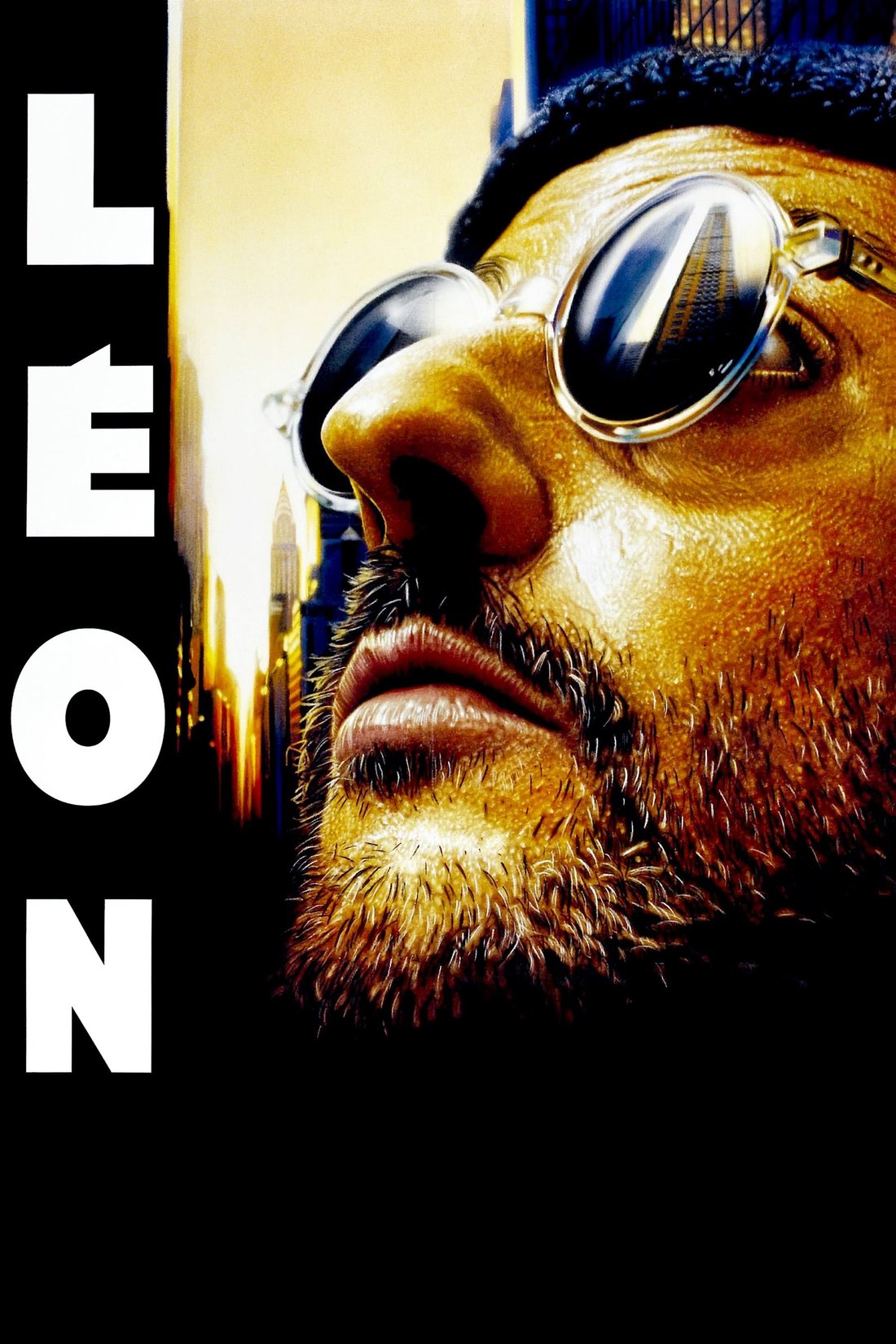
The real firestorm surrounds the 25-minute longer international version, released as Léon: Version Intégrale in 1996 and later on home video. Absent from U.S. theaters due to MPAA rating concerns, it restores key scenes amplifying the Léon-Mathilda relationship’s intimacy. Most notoriously, after Mathilda declares her love, she kisses Léon passionately. He initially recoils but reciprocates briefly before pulling away, affirming their bond transcends romance.
Other additions include Léon confessing he’s a virgin, Mathilda sunbathing topless (back turned to camera), and extended family murder details heightening the film’s darkness. These elements push boundaries, transforming a paternal tale into something ambiguously romantic. Besson defended the cuts as essential to character depth, arguing American edits sanitized the story’s European frankness about love’s complexities.
Word count check: The debate rages online—forums like Reddit’s r/movies dissect frame-by-frame whether the kiss implies pedophilia. Purists champion the full vision; others decry it as exploitative. Streaming services now often offer both versions, reigniting “Leon movie ending controversy” discussions.
Why the Controversy? Age, Ethics, and Representation
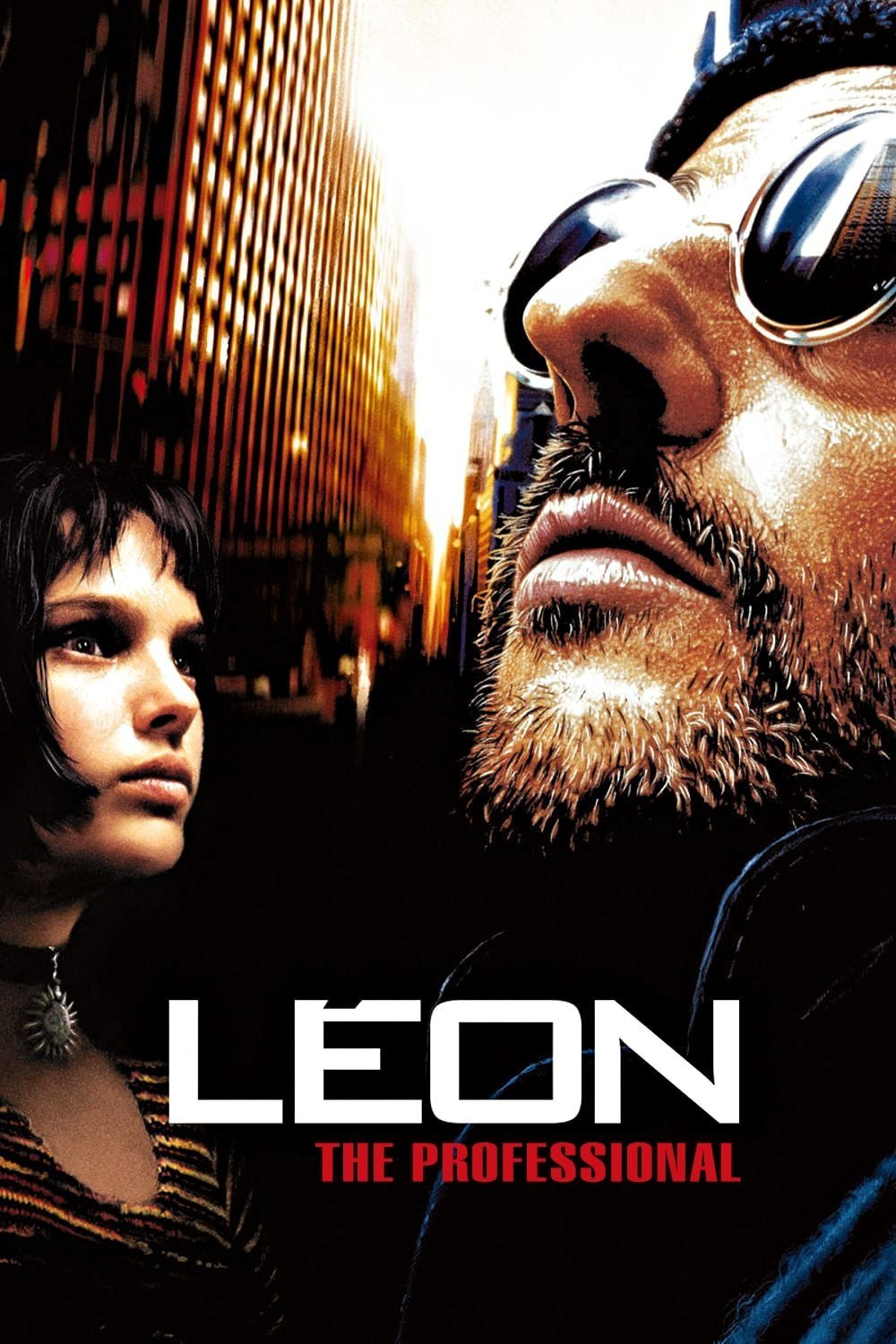
At the controversy’s core is Mathilda’s age: Natalie Portman was 12 during principal photography in 1993. The kiss scene, scripted innocently per Besson, fueled accusations of glamorizing pedophilia. Critics like Roger Ebert praised the theatrical cut’s restraint, while others lambasted the director’s cut as predatory. Portman herself, in interviews, called the experience transformative but noted discomfort with sexualization—leading her to reject similar roles like American Beauty.
Besson countered that the film critiques violence’s toll on youth, not endorses taboo romance. Mathilda’s precociousness mirrors real child trauma responses, substantiated by psychological studies on attachment in orphans. Yet, in the #MeToo era, reevaluations question if artistic merit excuses boundary-pushing. Gary Oldman’s unhinged villainy distracts somewhat, but the Léon-Mathilda dynamic remains the lightning rod.
Legally, no wrongdoing occurred—Portman approved scenes with parental oversight. Still, the controversy underscores Hollywood’s evolving standards on child actors and sensitive themes. SEO tip: Searches for “Leon the Professional kiss scene controversy” reveal polarized views, from defenses citing cultural context to condemnations as grooming narratives.
Critical and Fan Reception of the Ending
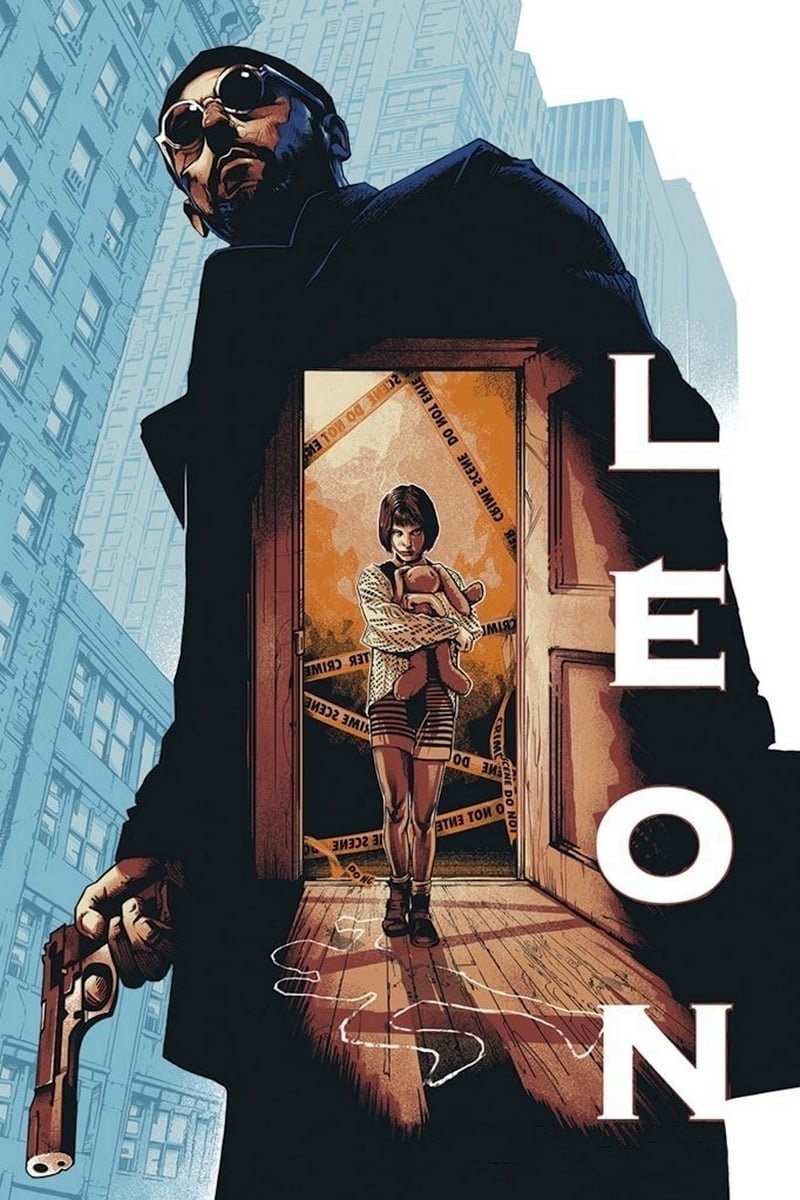
Critics adored the theatrical ending: 73% on Rotten Tomatoes, lauding its emotional punch. The Washington Post called it “a masterpiece of tragic romance.” Fans rate it higher—IMDb’s 8.5/10 reflects devotion. The director’s cut splits opinions; some hail it as purer, others unwatchable.
Awards-wise, Portman earned a Golden Globe nod at 13, cementing her stardom. The film’s influence spans John Wick (Keanu Reeves channeled Léon) to anime like Tokyo Ghoul. Box office success spawned graphic novels and talks of sequels, though Besson shelved them to preserve the ending’s finality.
Fan Theories and Deeper Interpretations
Online sleuths theorize endlessly. One posits Léon as Mathilda’s hallucination—a coping mechanism for grief. Evidence? His improbable survival skills and dreamlike apartment. Another views the tulips as suicide symbolism, subverted by her survival. Symbolism abounds: Léon’s milk addiction signifies childlike purity; the plant motif foreshadows renewal.
Queer readings interpret their bond as platonic soulmates defying norms. Post-9/11 analyses frame it as immigrant resilience. These theories keep “Leon ending explained” trending, with YouTube essays amassing millions of views.
Legacy and Cultural Impact
Thirty years on, Léon endures via memes (“No women, no kids… but this one’s different”), cosplay, and covers. It launched Portman’s Oscar-winning career and Reno’s Hollywood tenure. Streaming metrics show spikes during lockdowns, proving its timeless appeal.
The controversy, while divisive, enriches discourse on cinema’s power to provoke. Besson revisited themes in Lucy and Valerian, but none match Léon‘s intimacy. For newcomers, watch both cuts; for veterans, revisit the tulips—they bloom eternally.
Conclusion: Why the Ending Still Resonates
The Léon: The Professional ending, controversial or not, masterfully blends heartbreak with hope. It challenges viewers to confront uncomfortable truths about love, loss, and morality. In an era of sanitized blockbusters, its rawness endures. Whether you embrace the kiss or cherish the restraint, Léon reminds us: true professionals protect what’s pure, even at life’s end.
(Word count: 1,248)