
The Tourist Traps to Avoid in Major European Capitals
Traveling through Europe’s iconic capitals promises unforgettable experiences, from the romantic streets of Paris to the historic ruins of Rome. However, amid the charm, tourist traps lurk everywhere—overpriced eateries, crowded attractions, and scams designed to exploit visitors. These pitfalls can drain your wallet, waste your time, and leave you frustrated. In this comprehensive guide, we uncover the top tourist traps to avoid in major European capitals like Paris, London, Rome, Barcelona, Amsterdam, Berlin, and Prague. By steering clear of these, you’ll enjoy a more authentic, budget-friendly adventure. Discover insider tips, better alternatives, and SEO-optimized advice to make your trip seamless.
Paris: Beyond the Overhyped Landmarks
Feature Video
Paris, the City of Light, tops many bucket lists, but it’s riddled with tourist traps. First, avoid the Seine River dinner cruises. These floating restaurants charge €100+ per person for mediocre buffets and obstructed Eiffel Tower views. Instead, picnic by the river with cheese and baguettes from local markets like Marché d’Aligre for a fraction of the cost.
Montmartre’s “artists” at Place du Tertre are another scam. They’ll sketch your portrait for €50-€100, often poorly. Skip them and visit the real studios in the back alleys or the Musée de Montmartre. Watch for pickpockets around the Sacré-Cœur; keep valuables secure.
Overpriced cafés near the Louvre or Notre-Dame lure you with touristy menus. A croque-monsieur can cost €20. Venture to Le Marais for authentic bistros like Chez Janou, where Provençal dishes start at €15. Taxi scams are rampant—drivers padding meters or refusing short rides. Use the efficient Metro or apps like Uber.
Finally, the Champs-Élysées is a shopping trap with luxury brands at inflated prices and street vendors hawking fake Eiffel Towers. Opt for the quieter Rue de Rivoli or vintage shops in the Marais. By dodging these, you’ll save hundreds and immerse in genuine Parisian life.
London: Escaping the Crowded Tourist Zones
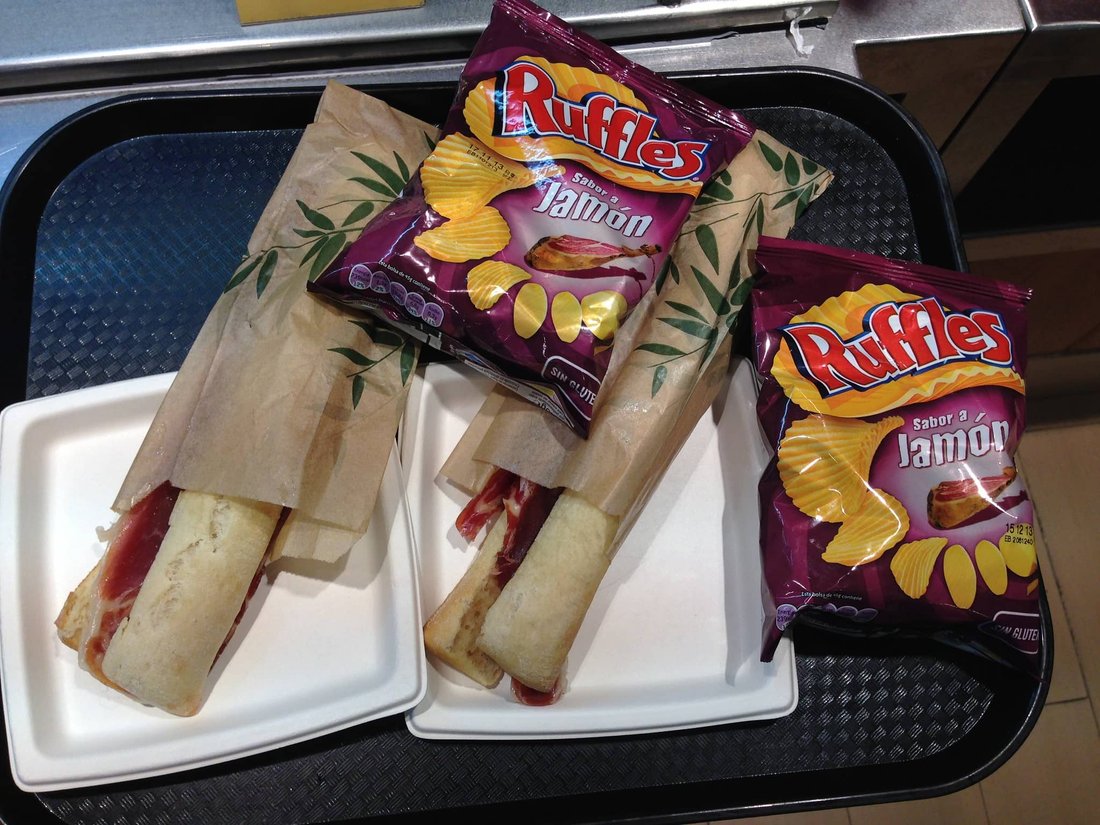
London’s grandeur hides pricey pitfalls. Covent Garden’s street performers draw crowds, but nearby pubs and restaurants jack up prices—£20 for fish and chips. Head to Borough Market early (before 10 AM) for authentic street food at fair prices, or dine in Camden’s less touristy spots.
The London Eye offers stunning views, but £30+ tickets and long queues aren’t worth it at peak times. Climb Primrose Hill for free panoramic vistas or visit Sky Garden for complimentary bookings. Avoid Oxford Street on weekends; it’s a chaotic shopping frenzy with pickpockets. Explore independent stores in Notting Hill instead.
Black cabs are iconic but expensive—fares can double with traffic. Use the Oyster card on the Tube for cheap, efficient travel. Beware of “free” guided tours that end in high-pressure sales for overpriced souvenirs. Book reputable ones via apps like GetYourGuide.
Westminster Abbey and Big Ben areas swarm with unofficial guides charging exorbitant fees. Use the free audio guides from official sites. London’s tourist traps prey on first-timers, but savvy travelers find the city’s soul in its neighborhoods like Shoreditch for street art and curry houses.
Rome: Navigating the Eternal City’s Scams

Rome’s ancient allure comes with aggressive traps. The Colosseum and Roman Forum lines can take hours, amplified by €30+ “skip-the-line” tours from street hawkers that are often invalid. Buy official tickets online (€16) and visit at opening (8:30 AM).
Trevi Fountain’s gelato carts sell watery scoops for €6. Walk 5 minutes to Giolitti for real deal at €3. Gladiators in costumes demand tips for photos—ignore them to avoid harassment. The Spanish Steps area is pickpocket central; use a money belt.
Trastevere’s restaurants near Piazza Santa Maria are touristy with €50 pastas. Dine in quieter alleys at places like Da Teo for cacio e pepe under €15. Beware scooter rentals from dubious vendors—they overcharge or provide faulty bikes. Use public buses or walk Rome’s compact center.
Vatican Museums’ Sistine Chapel is breathtaking, but avoid unofficial lines. Book timed entries officially. Rome rewards those who shun the traps, revealing hidden gems like the Aventine Keyhole view.
Barcelona: Sidestepping Gaudí Overhype and Beach Scams
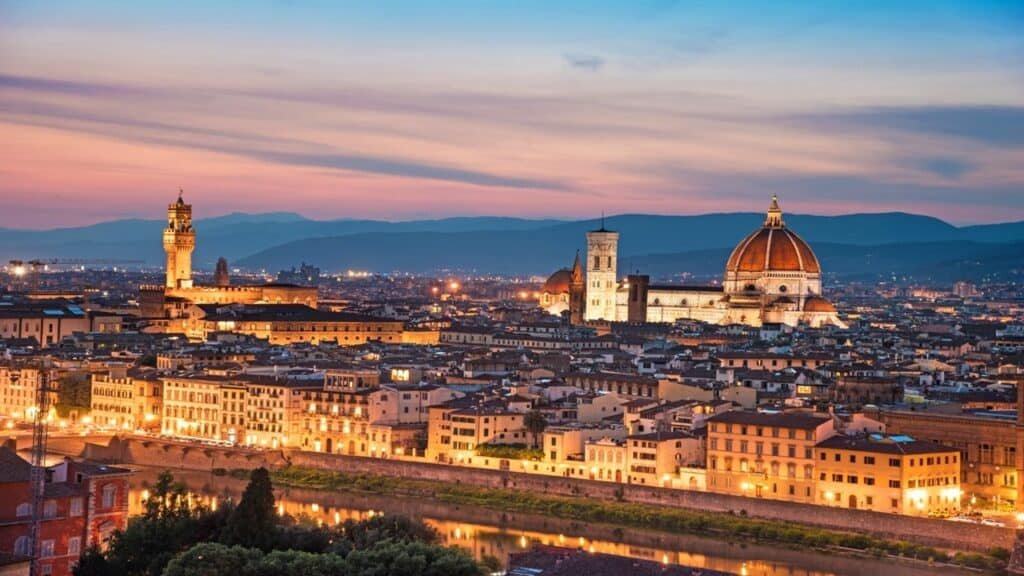
Barcelona’s vibrancy masks dangers. La Rambla is infamous for pickpockets and human statues begging tips. Stroll it once, then escape to El Born for boutique shopping. Sagrada Família tickets (€26) sell out; book ahead, but skip the towers unless you’re fit—the views pale against Parc Güell (free zones).
Barceloneta Beach vendors sell €10 beers and suspect massages. Relax at quieter Nova Icaria Beach or enjoy free paella picnics. Tapas bars near La Boqueria market inflate prices; shop inside for fresh produce and eat at El Raval spots like Bar La Boquería.
Club promoters on La Rambla push €50 entry to mediocre venues. Research via Resident Advisor for authentic nightlife in Poblenou. Segway tours are gimmicky; rent bikes from official stands. Barcelona’s traps target sun-seekers, but locals’ favorites like Gràcia neighborhood offer genuine fiestas.
Amsterdam: Beyond the Red Light District Rip-offs
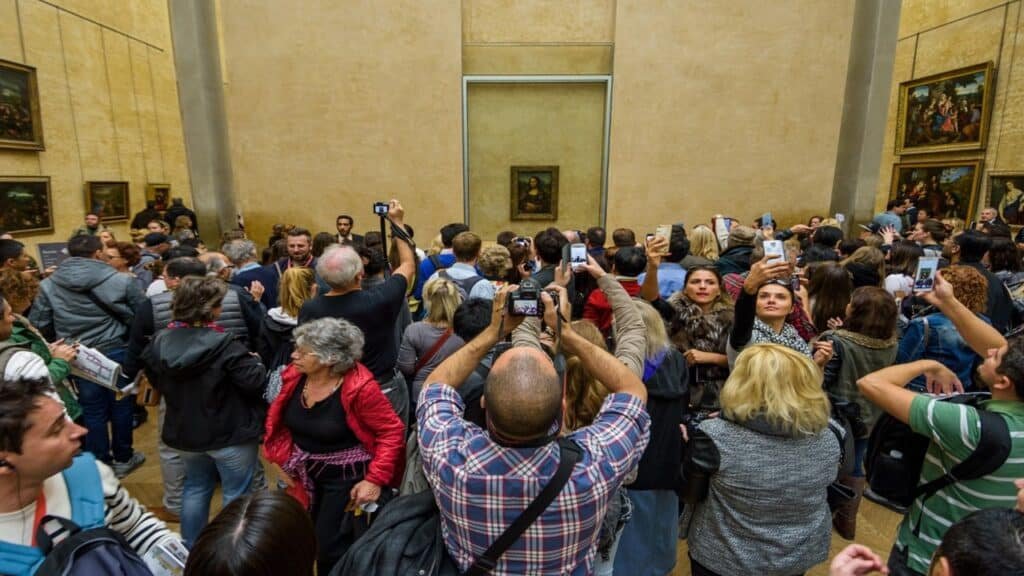
Amsterdam’s canals charm, but the Red Light District is a daytime letdown—tacky shops and €15 coffees. Visit at night if curious, but stay alert for scams. Overpriced “cheese museums” charge €20 for tastings; buy at Albert Cuyp Market for €5.
I amsterdam sign at the airport is crowded; museums like Rijksmuseum (€22.50) are better. Avoid canal cruises (€20, 1 hour); rent pedal boats cheaply. Bike rentals from shady spots lead to theft claims—use MacBike officially.
Coffee shops near Dam Square sell subpar weed at premium prices. Venture to De Pijp for quality. Pickpockets thrive on trams; use GVB cards. Amsterdam shines in its Jordaan gardens and Vondelpark picnics, far from tourist hordes.
Berlin: Ignoring the Party Traps
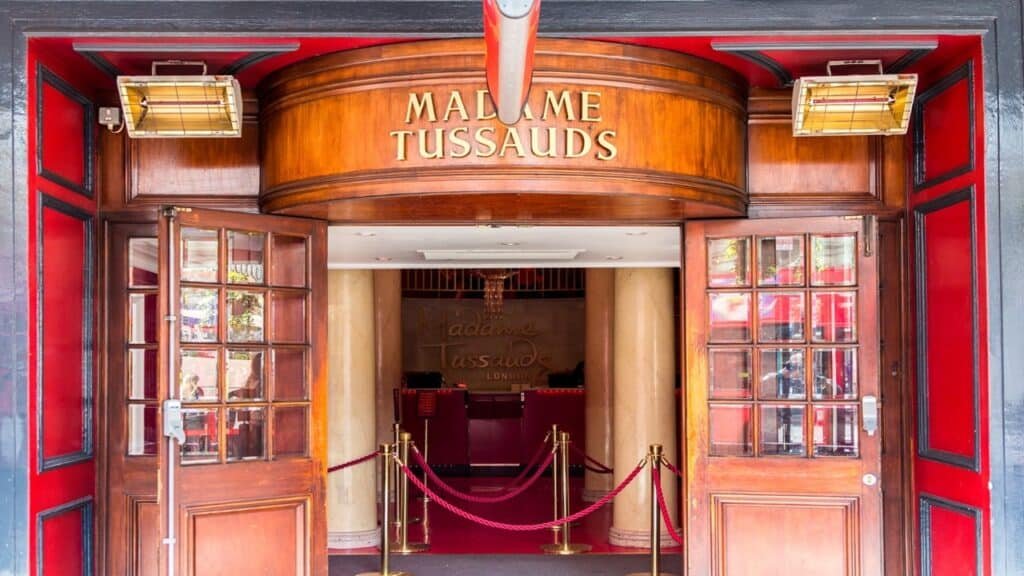
Berlin’s edgy vibe has traps like Alexanderplatz’s TV Tower (€25, hazy views). Climb Fernsehturm alternatives or visit free Tempelhofer Feld. Currywurst stands near Brandenburg Gate charge €8; find authentic at Curry 36 for €3.
Club door fees spike on weekends (€20+); arrive early or check free entries. Avoid “free” walking tours ending in donation pressure. Book paid ones via Sandemans sparingly. Taxi scams from airports—use S-Bahn.
East Side Gallery graffiti is free, but nearby bars overprice. Explore Kreuzberg for street food. Berlin’s real pulse is in its alternative scenes, not tourist zones.
Prague: Escaping the Medieval Marketing
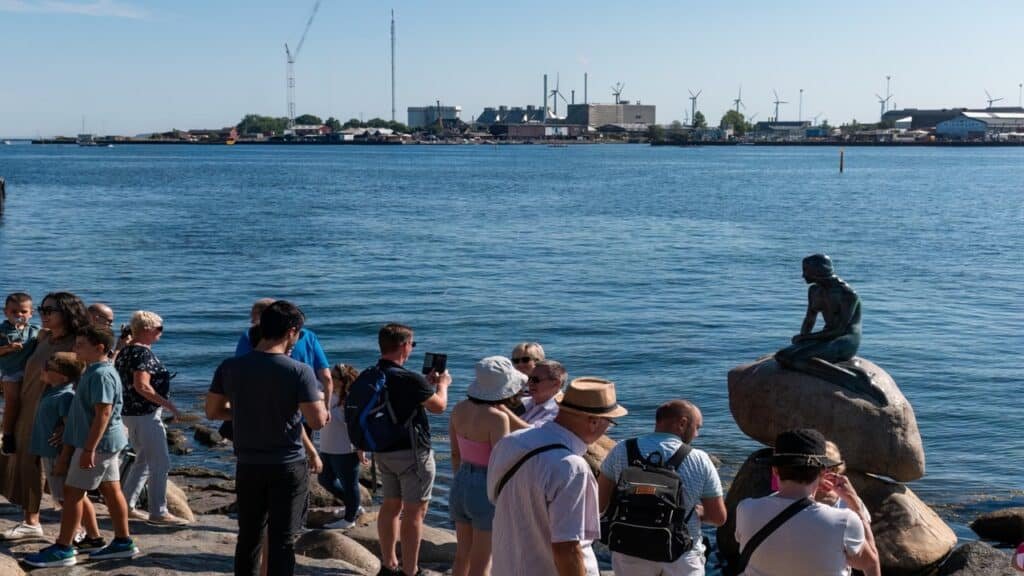
Prague’s fairy-tale bridges hide traps. Charles Bridge buskers and caricature artists demand €10 sketches. Enjoy the views free early morning. Old Town Square’s astronomical clock shows are overhyped; see it hourly without crowds.
Trdelník chimneys (€6 sugar bombs) are tourist bait; try real pastries at local cukrarnas. Beer tours in cellars charge €30 for pints available elsewhere at €2. Pub crawl responsibly via apps.
Castle guards in costumes hassle for tips. Official entry (€10) suffices. Prague’s traps exploit its charm, but Vyšehrad offers serene views sans crowds.
In conclusion, dodging tourist traps in Europe’s capitals unlocks authentic joys—local eateries, hidden vistas, and cultural depth. Plan ahead with official apps, travel off-peak, and trust locals’ tips. Save money, reduce stress, and create lasting memories. Safe travels!