
10 Game-Changing Sustainable Living Hacks That’ll Save You Money and the Planet
Hack #1: Ditch Plastic Bags for Reusable Totes (And Never Look Back)
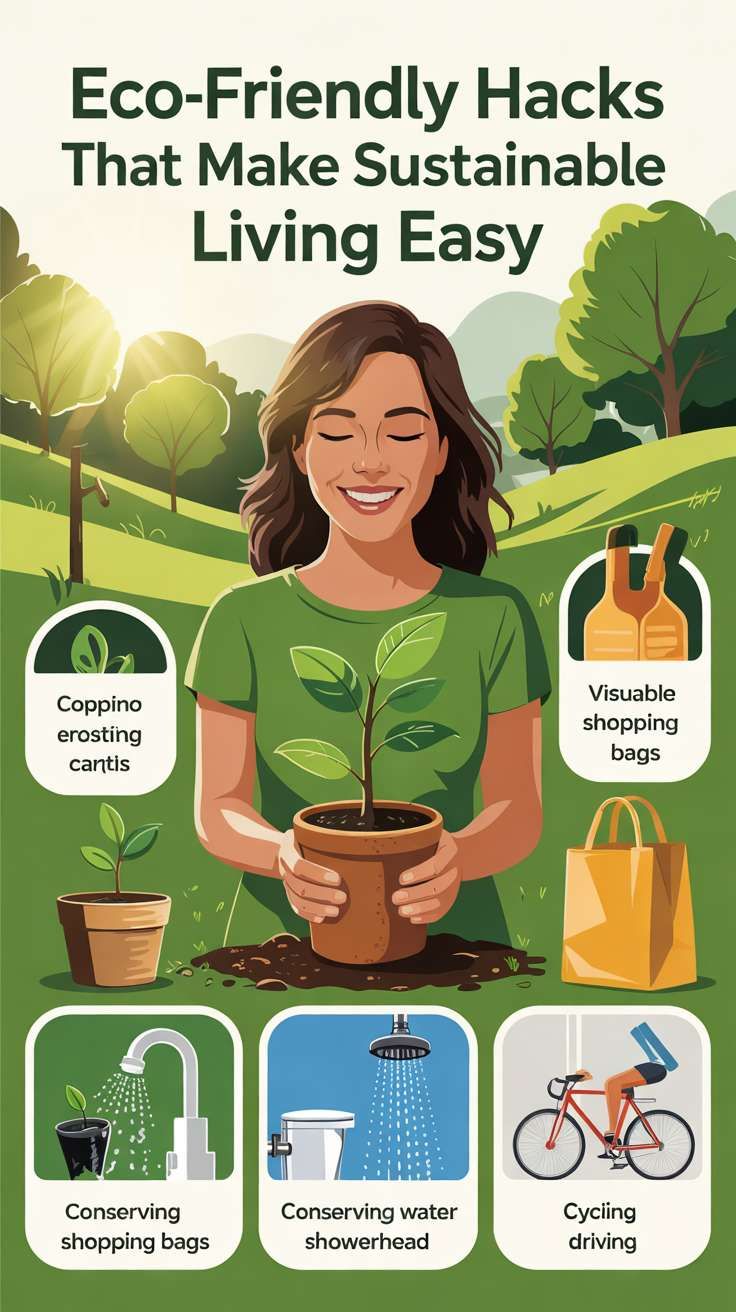
Picture this: You’re at the grocery store, juggling a mountain of flimsy plastic bags that rip before you even get home. Sound familiar? Swap ’em out for sturdy reusable totes made from organic cotton or recycled materials. Not only do they last forever—saving you from buying bags every week—but you’re cutting down on the 500 billion plastic bags used yearly worldwide. I snagged a set for $10 online, and they’ve paid for themselves in months. Pro tip: Keep a few in your car trunk. Bonus: Many stores offer discounts for bringing your own. Earth wins, wallet wins.
Hack #2: Grow Your Own Microgreens on Your Windowsill
Who knew a tiny patch of dirt could turn into a salad bar? Microgreens are nutrient-packed baby plants that sprout in days. Grab seeds for pennies, some soil, and a shallow tray—total cost under $5 to start. Water, sunlight, done. You’ll slash your veggie bill by harvesting fresh greens weekly, and skip the packaging waste from store-bought produce. They’re 40 times more nutritious than mature plants too! I started with radish and pea shoots; now my smoothies are next-level. It’s foolproof even for black thumbs like me. Planet perk: Less food miles mean lower carbon emissions.
Hack #3: Compost Your Kitchen Scraps (Turn Trash into Treasure)
That banana peel and coffee grounds? Goldmine, not garbage. Start a backyard compost bin or countertop vermicomposter for $20-50. Layer greens (scraps) and browns (leaves, paper), stir occasionally, and voila—rich soil in months. I diverted 80% of my kitchen waste this way, cutting trash bills and buying zero fertilizer for my garden. Saves money on bagged compost ($10/bag) and enriches soil to grow better food. Worms optional but fun—my red wigglers are low-maintenance pets. Earth love: Landfills produce methane; composting sequesters carbon.
Hack #4: DIY Natural Cleaning Sprays (Bye-Bye Toxic Chemicals)
Store cleaners cost a fortune and pollute waterways. Mix your own with vinegar, baking soda, lemon, and essential oils—under $1 per bottle! White vinegar + water + tea tree oil = antibacterial spray that tackles counters and toilets. Baking soda paste scrubs grime without scratching. I’ve saved $200 yearly on products, and my home smells like a spa, not a lab. Kid- and pet-safe too. Test on hidden spots first. Sustainability score: Reusable glass bottles reduce plastic waste, and ingredients biodegrade harmlessly.
Hack #5: Unplug “Vampire” Electronics to Slay Energy Bills
That charger plugged in 24/7? It’s sipping power like a vampire—up to 10% of your bill! Hunt down standby guzzlers (TVs, microwaves, coffee makers) and use power strips to switch ’em off with one flip. I installed smart strips for $15; they auto-cut power when devices sleep. My electric bill dropped $20/month instantly. Easy audit: Feel for warmth on cords. Global impact: Household standby power equals emissions of 50 million cars yearly. Flip the switch, save the grid, pocket cash.
Hack #6: Install Low-Flow Showerheads and Rethink Your Rinse
Average shower guzzles 2.5 gallons per minute—yikes! Low-flow heads ($10-20) cut that to 1.5 without weak pressure. Add a timer app for 5-minute showers, and you’re golden. I went from 50 gallons to 20 per shower, slashing water/heating bills by 30%. Navy showers (wet, soap, rinse) take it further for quickies. Pair with reusable filters for harder water. Water saved: Enough for millions yearly if everyone joins. Money back in under a year, plus softer skin from less drying out.
Hack #7: Meal Plan Like a Boss to Crush Food Waste
Food waste? $1,500/year down the drain for the average family. Fight back with Sunday planning: Inventory fridge, list meals, shop once. Apps like Mealime make it effortless. I batch-cook staples (rice, sauces) and freeze portions—zero spoilage. Compost what’s left, but aim for none. Savings: Grocery bills down 25%, less impulse buys. Planet saver: Food waste methane rivals aviation emissions. Get creative with “ugly” produce boxes for discounts. It’s empowering—feels like hacking the system.
Hack #8: Thrift and Swap for Second-Hand Scores
New clothes, furniture? Overpriced and overproduced. Hit thrift stores, apps like Depop, or community swaps. I furnished my apartment for $200 vs. $2,000 new—quality vintage too! Clothes: Buy once, wear forever; mend with YouTube tutorials. Saves trees (fast fashion deforestation) and landfill space (textiles linger 200+ years). Money hack: Resell what you don’t need. Social bonus: Swap meets build community. I’ve scored designer jeans for $5. Sustainable style without sacrifice.
Hack #9: Plant Native Species in Your Yard (Low-Water Lawn Revolution)
Grass guzzles 30% of home water. Rip it out for natives: Bees love ’em, you water less. Pollinator gardens thrive on neglect—milkweed, coneflowers cost $2/plant. I transformed my patchy lawn into a butterfly haven; water bill halved. No mowing = no gas emissions/time. Harvest edibles like berries. Local nurseries advise free. Earth boost: Natives support biodiversity, fight climate change by storing carbon. Neighbors jealous? Compliment sandwich: “Eco-chic!”
Hack #10: Harvest Rainwater for Free Garden H2O
Rain’s falling anyway—catch it! 55-gallon barrels ($30) under downspouts collect thousands yearly. Filter for hose use on plants/toilets. I irrigate my whole garden free, cutting municipal water 40%. Legal most places (check yours); overflow to storm drains. Setup: Gutter screen + barrel + spigot. Money math: Pays off in one season. Planetary punch: Reduces runoff pollution, eases strained water supplies. Start small; scale up. You’re basically a water wizard now.
These hacks aren’t just tips—they’re lifestyle upgrades. Stack a few, watch savings snowball while high-fiving Mother Earth. Which one’s your first? Drop a comment!