
From Exploding Ants to Immortal Jellyfish: 10 Strangest Animal Facts That Defy Nature
Nature is full of wonders that challenge our understanding of biology and survival. From self-sacrificing insects to creatures that seem to cheat death, these 10 strangest animal facts reveal how animals have evolved bizarre adaptations to thrive in their environments. Discover exploding ants, immortal jellyfish, and more phenomena that make you question the limits of the natural world.
1. Exploding Ants: A Sticky Suicide Defense
In the rainforests of Southeast Asia, Colobopsis ants, often called “exploding ants,” perform one of nature’s most dramatic defenses. When threatened, certain worker ants rupture their bodies, ejecting a sticky, toxic yellow substance from abdominal glands. This goo not only glues predators’ mouths shut but also emits a foul odor to repel attackers. Discovered in 2018, this autothysis behavior evolved as a last-resort colony protection, with only specialized “soldier” ants possessing the trait. Far from reckless, it’s a selfless act ensuring the colony’s survival, showcasing extreme altruism in the insect world.
2. Immortal Jellyfish: The Creature That Reverts Youth
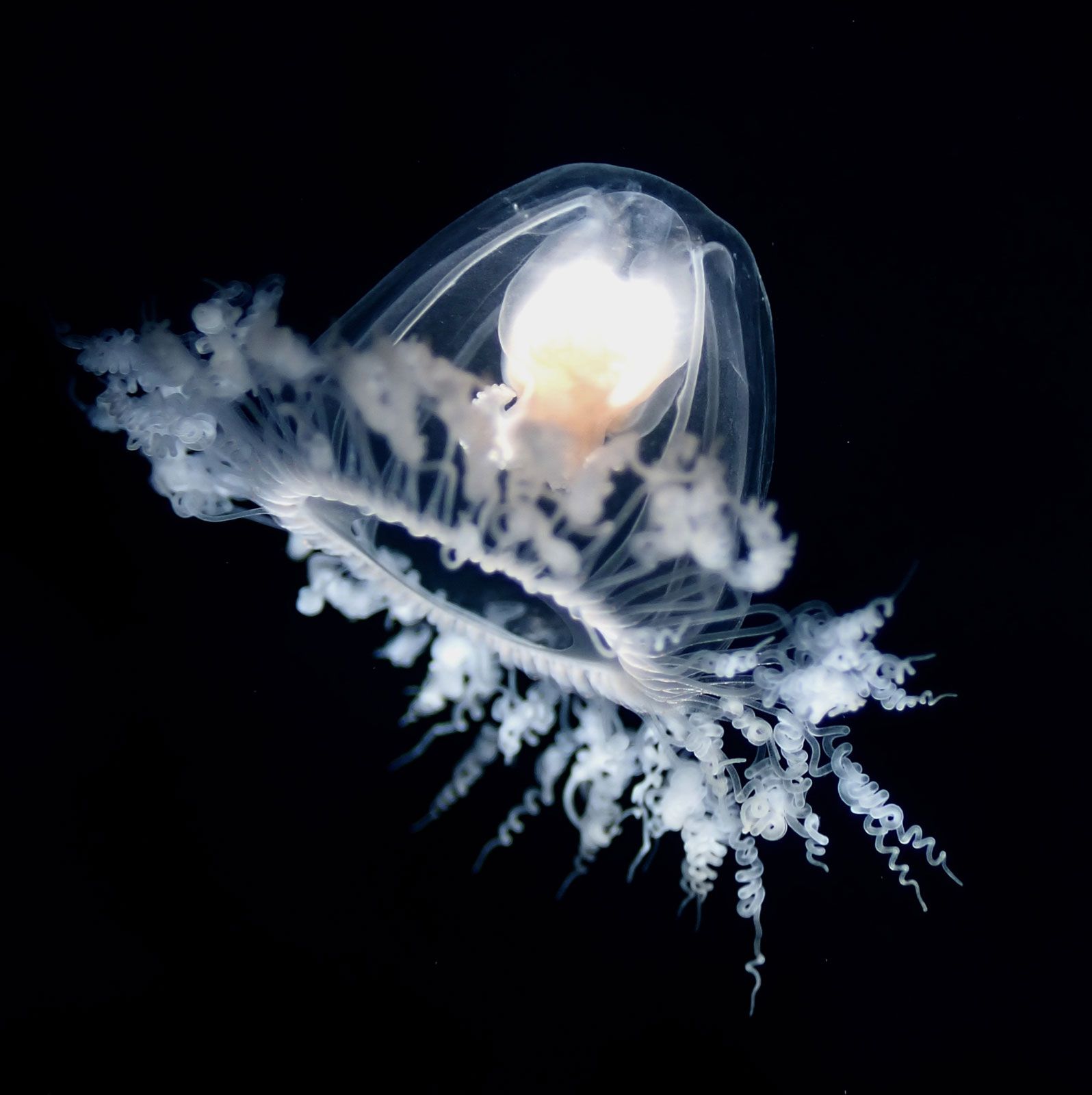
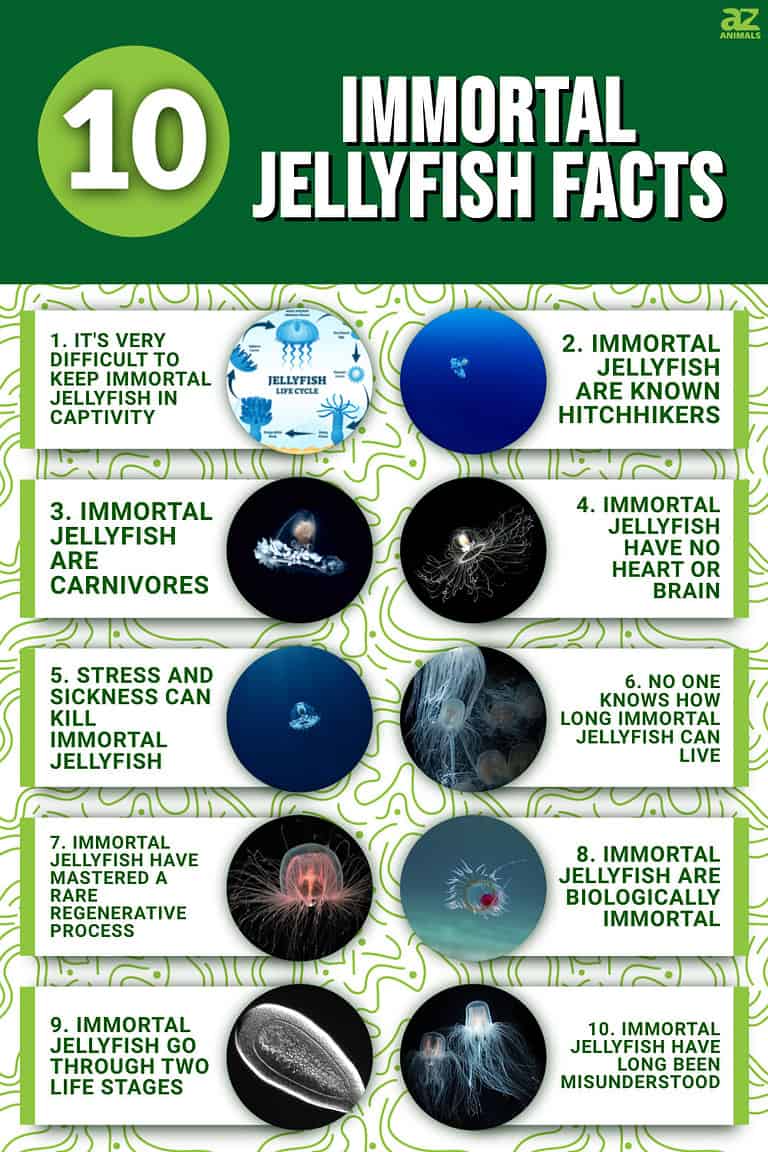
Turritopsis dohrnii, the immortal jellyfish, defies aging through a process called transdifferentiation. Under stress like injury or starvation, it can revert its cells from adult medusa to juvenile polyp stage, potentially restarting its life cycle indefinitely. Native to the Mediterranean but now global due to ship ballast, this 4.5mm-wide bell-shaped marvel could theoretically live forever, barring predation. First observed in the 1990s, it challenges our views on mortality, though lab conditions limit full immortality studies.
3. Tardigrades: Indestructible Micro-Animals
Known as water bears or moss piglets, tardigrades are microscopic extremophiles surviving conditions lethal to most life. They endure temperatures from -272°C to 150°C, radiation doses 1,000 times human limits, the vacuum of space, and pressures six times deeper than ocean trenches. In cryptobiosis, they desiccate into tun states, rehydrating years later. Discovered in 1773, over 1,300 species exist, with genes enabling DNA repair and protein protection. NASA’s space tests confirm their resilience, making them key to astrobiology research.
4. Horned Lizards: Blood-Squirting Eyes
The desert horned lizard (Phrynosoma cornutum) of North America squirts blood from its eyes up to 6 feet to deter predators like dogs and coyotes. Restricting blood flow from the head causes rupture in sinus cavities, shooting a foul-tasting stream irritating to predators’ eyes and mouths. This costs up to 30% of the lizard’s blood volume but allows escape. Evolved for arid environments, the ability is unique among reptiles, blending defense with deception as the blood mimics venom.
5. Pistol Shrimp: Sonic Boom Claws
Alpheidae family pistol shrimp snap their oversized claws at speeds creating cavitation bubbles collapsing at 4,700°C—hotter than the sun’s surface—and producing 218-decibel snaps louder than a gunshot. This stuns prey like fish and crabs, or kills small organisms via shockwaves. Symbiotic with gobies sharing burrows, their snaps also communicate. Measuring just inches long, this underwater superpower evolved for hunting in coral reefs, revolutionizing bioacoustics studies.
6. Axolotl: Masters of Regeneration
Mexico’s axolotl (Ambystoma mexicanum) regenerates entire limbs, spinal cords, hearts, and brains without scarring. Retaining juvenile neoteny in salamander form, they stay aquatic with external gills. Pollution threatens their wild habitat in Xochimilco canals, but labs breed millions for research. Genes like those in Wnt signaling pathways unlock regenerative medicine insights, potentially aiding human tissue repair. Reaching 12 inches, their pink hue comes from albinism.
7. Platypus: The Mammalian Oddity
Ornithorhynchus anatinus, Australia’s platypus, lays eggs despite being a mammal, detects electric fields via bill electroreceptors for hunting, and males have venomous ankle spurs causing excruciating pain. With webbed feet, beaver tail, and duck bill, it nurses via milk-secreting skin patches. Evolved 100 million years ago from monotremes, its genome mixes reptile and mammal traits, including venom genes rare in mammals. Semi-aquatic in eastern Australia, it’s a “living fossil” bridging evolutionary classes.
8. Glass Frogs: Transparent Skin Marvels
Cochranella species glass frogs from Central and South American rainforests have translucent abdominal skin revealing a beating heart and organs. This camouflage lets them perch motionless on leaves, invisible to birds and snakes. Males guard eggs on leaf undersides, with tadpoles dropping into streams. Measuring 3 cm, their green backs aid blending. Discovered for science in the 1800s, they highlight amphibian diversity amid habitat loss threats.
9>Immortal Hydra: Ageless Tiny Predators
Hydra vulgaris, freshwater polyps under 1 cm, exhibit biological immortality by continuously regenerating stem cells, avoiding senescence. FoxO gene activation maintains telomere length, preventing aging. They bud asexually, eat tiny prey with tentacles, and survive freezing or digestion. Lab hydra have lived over 100 years unchanged. Studying them reveals anti-aging mechanisms, with implications for human longevity research in polyps existing since prehistoric times.
10. Mantis Shrimp: Rainbow-Vision Punchers
Stomatopods like the peacock mantis shrimp boast 12-16 photoreceptor types versus humans’ three, seeing ultraviolet, polarized, and circular light for hunting and communication. Their club-like appendages strike at 50 mph with 1,500 Gs force, shattering shells or stunning fish faster than a .22 bullet. Club cells renew like shark teeth. Colorful Caribbean reefs host these aggressive “thumb-splitters,” whose vision inspires optics tech like DVD encryption.
These strangest animal facts—from exploding ants to mantis shrimp—illustrate nature’s ingenuity. Each adaptation pushes biological boundaries, offering lessons in resilience and evolution. Exploring wildlife reveals endless surprises; share your favorite in comments and stay curious about our planet’s oddities.