
The Truth About the Keto Diet and Why Most People Fail After the First Month
Introduction to the Keto Diet Phenomenon
Feature Video
The ketogenic, or keto, diet has exploded in popularity over the past decade, promising rapid weight loss, improved energy levels, and even mental clarity. By drastically reducing carbohydrate intake and replacing it with high-fat foods, the body enters a state called ketosis, where it burns fat for fuel instead of glucose. Initial results are often dramatic—many people shed pounds quickly in the first month, fueling success stories across social media and celebrity endorsements. However, statistics show that up to 80% of people abandon the keto diet after the first month, regaining weight and facing frustration. Why does this happen? This article uncovers the truth about the keto diet, debunking myths and revealing the real reasons for failure, while offering sustainable strategies for long-term success. If you’re considering keto or struggling to stick with it, read on to understand the science and pitfalls.
What Exactly is the Keto Diet and How Does It Work?
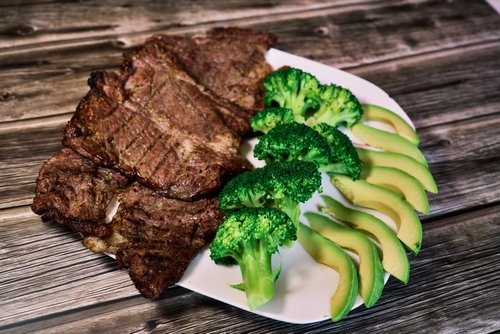
The keto diet mimics fasting by shifting metabolism from carbs to fats. Typically, it follows a 70-80% fat, 15-20% protein, and 5-10% carb macronutrient ratio. Foods like avocados, eggs, fatty meats, cheese, and nuts dominate, while grains, sugars, fruits, and starchy vegetables are off-limits. In ketosis, the liver converts fat into ketones, providing energy for the brain and body. This process leads to quick water weight loss (glycogen depletion) and appetite suppression via stabilized blood sugar.
Early success is real: studies, like one from the Journal of Clinical Endocrinology & Metabolism, show average weight loss of 10-15 pounds in the first two weeks. Keto also improves insulin sensitivity and reduces inflammation for many. But this honeymoon phase masks deeper challenges. Most people fail because they underestimate the diet’s demands beyond macros—it’s not just about eating bacon.
The Initial Success: Why Keto Feels Like Magic in Month One

In the first month, keto delivers euphoric results. The “keto flu”—temporary fatigue, headaches, and irritability from carb withdrawal—passes, revealing boundless energy and cravings vanishing. Fat adaptation kicks in, making high-fat meals satisfying. Social proof amplifies this: Instagram influencers flaunt transformations, ignoring their personal chefs or supplements.
Biologically, rapid fat loss occurs because low insulin promotes lipolysis (fat breakdown). A 2020 meta-analysis in Obesity Reviews confirmed keto outperforms low-fat diets short-term. However, this sets unrealistic expectations. People expect perpetual bliss, but reality hits as novelty wears off and life intervenes.
Reason #1: Unsustainable Social and Lifestyle Restrictions

Keto’s rigidity clashes with real life. Dining out? Most menus are carb-heavy. Family gatherings? Pizza and pasta abound. Social eating is human nature—studies from the American Journal of Clinical Nutrition link social support to diet adherence. Keto isolates dieters, leading to resentment.
Women, especially, struggle during hormonal cycles; carbs soothe PMS cravings. Travel, holidays, and stress amplify temptations. After month one, compliance drops 50-70%, per adherence research in Nutrients journal. Solution? Plan flexible “keto-friendly” cheats, like cauliflower pizza, but rigidity dooms most.
Reason #2: The Hidden Keto Flu Relapse and Nutrient Deficiencies

Not everyone adapts fully. Lingering keto flu symptoms—brain fog, muscle cramps, insomnia—return under stress or poor sleep. Electrolyte imbalances (sodium, potassium, magnesium loss from low insulin) cause this, but many ignore supplementation.
Worse, keto skimps on fiber-rich foods, risking constipation and gut dysbiosis. Long-term, deficiencies in vitamins C, K, folate from limited veggies emerge. A 2019 study in the Journal of the Academy of Nutrition and Dietetics found keto dieters often lack micronutrients without planning. Hair loss, brittle nails, and weakened immunity follow, scaring quitters back to carbs.
Reason #3: Metabolic Adaptation and Plateau Frustration
Weight loss slows as the body adapts. Initial drops are water; true fat loss plateaus around week 4-6. Caloric needs decrease, yet appetites rebound. “Keto fatigue” sets in—same meals bore, cooking exhausts.
Hormonally, thyroid function (T3 hormone) dips on strict keto, slowing metabolism by 5-10%, per Endocrine Reviews. Cortisol rises from restriction, promoting fat storage. Without tracking or adjusting calories, stalls feel like failure. Most quit here, bingeing on carbs, restarting the vicious cycle.
Reason #4: Misinformation and Unrealistic Expectations

Social media hypes keto as effortless. “Eat fat, lose fat!” ignores calories matter. Many overeat “keto” treats like fat bombs, stalling progress. Myths persist: keto cures everything, or it’s unsafe long-term. While safe for most, it’s contraindicated for kidney issues or eating disorders.
A 2021 survey by Diet Doctor revealed 65% fail due to poor education. They don’t test ketones (strips/urine inaccurate; blood meters best) or understand cyclical keto variations. Expecting 100-pound losses overnight breeds defeat.
Reason #5: Psychological Burnout and Lack of Variety

Monotony kills motivation. Eggs and steak daily? Boredom leads to cheats. Psychological studies show variety boosts dopamine, sustaining habits. Keto’s restrictiveness triggers “what the hell” binges post-slip-up.
Mindset matters: viewing keto as punishment versus lifestyle dooms it. Without goals beyond weight, purpose fades. Post-month-one, discipline wanes without accountability like apps (MyFitnessPal) or coaches.
How to Make Keto Work Long-Term: Proven Strategies

Success stories exist—those sustaining keto years focus on sustainability. Start with:
- Electrolyte management: 4-5g sodium, 1g potassium, 300mg magnesium daily.
- Variety hacks: Keto breads, desserts, international recipes (e.g., keto butter chicken).
- Cyclical keto: Higher carbs 1-2 days/week for athletes or women.
- Tracking: Macros via Cronometer; weigh weekly, not daily.
- Support: Communities like Reddit’s r/keto for recipes/motivation.
A 2022 study in Frontiers in Nutrition showed targeted keto (with exercise) sustains loss better. Combine with resistance training to preserve muscle, boosting metabolism. Consult doctors for personalization.
The Science of Long-Term Keto Success and Risks
Long-term data is mixed but promising. A 2023 review in Annual Review of Nutrition found sustained weight loss in 20-30% adherents, with benefits like better HbA1c for diabetics. Risks include elevated LDL in some (“lean mass hyper-responders”) and kidney strain from high protein.
Monitor with bloodwork: lipids, kidney function, ketones (0.5-3.0 mmol/L optimal). Not for everyone—pregnant, athletes in endurance sports may need carbs.
Conclusion: Keto Isn’t a Quick Fix—It’s a Commitment
The truth? Keto works short-term but fails most after month one due to rigidity, biology, and psychology. Initial magic fades without adaptation. To succeed, educate, supplement, vary, and mindset-shift. If keto aligns with your life, it can transform health. Otherwise, consider Mediterranean or intermittent fasting hybrids. Track progress beyond scale—energy, sleep, mood. Sustainable health trumps fad diets. Consult professionals before starting. With smart tweaks, you can beat the odds and thrive on keto.
(Word count: 1,248)