
10 Accidental Inventions That Revolutionized the World Forever
Throughout history, some of the most transformative innovations have emerged not from meticulous planning, but from happy accidents. These serendipitous discoveries have reshaped industries, improved daily life, and advanced technology in ways their inventors never imagined. From kitchen appliances to everyday adhesives, accidental inventions prove that breakthroughs often hide in unexpected places. In this article, we explore 10 such inventions that revolutionized the world forever, highlighting their origins and lasting impact.
1. Microwave Oven
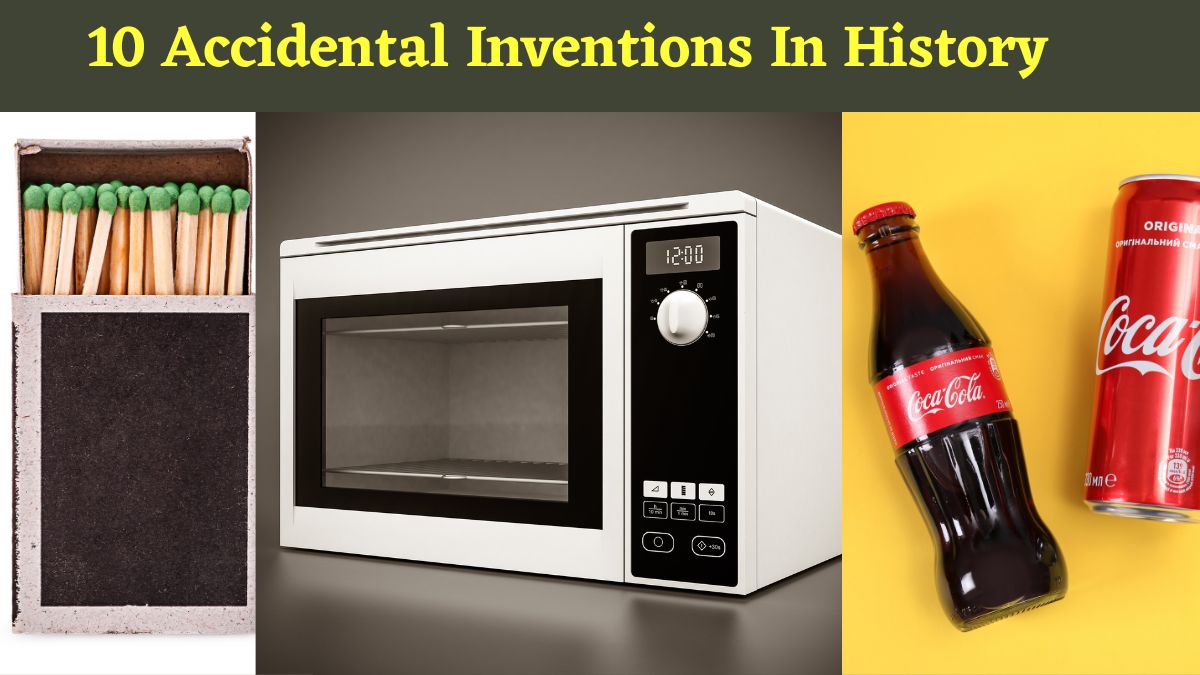
In 1945, engineer Percy Spencer was working on radar technology at Raytheon when he noticed a chocolate bar in his pocket had melted due to proximity to a magnetron tube. Curious, he tested popcorn kernels and an egg, which exploded from the heat generated by microwaves. This accidental observation led to the development of the first microwave oven in 1947. Today, microwaves are household staples, revolutionizing cooking by enabling quick, efficient heating and preserving nutrients better than traditional methods. Over 90% of U.S. households own one, saving countless hours in meal preparation.
2. Post-it Notes
In 1968, 3M scientist Spencer Silver sought a strong adhesive but created a weak, reusable one instead during an experiment with acrylate copolymers. It stuck lightly and peeled off cleanly, yet sat unused for years. In 1974, colleague Art Fry used it to mark hymnbook pages, birthing the Post-it Note in 1980. These colorful, repositionable notes transformed organization, collaboration, and creativity in offices, schools, and homes worldwide, generating billions in revenue for 3M and becoming a staple in productivity tools.
3. X-rays
While experimenting with cathode rays in 1895, German physicist Wilhelm Roentgen noticed a fluorescent screen glowing in his lab, even when shielded. He realized invisible rays were passing through materials, including his hand, producing shadowy images of bones. Naming them X-rays, his discovery enabled non-invasive medical imaging. X-rays revolutionized diagnostics, surgery, and treatments, saving millions of lives by detecting fractures, tumors, and diseases early. Roentgen’s accidental find earned him the first Nobel Prize in Physics in 1901.
4. Teflon (Non-Stick Coating)
In 1938, DuPont chemist Roy Plunkett was researching refrigerants when tetrafluoroethylene gas in a cylinder polymerized into a slippery, white powder. This polytetrafluoroethylene, dubbed Teflon, resisted heat and chemicals. Initially used in the Manhattan Project, it became the non-stick coating for cookware in the 1960s via NASA’s space program. Teflon revolutionized cooking by preventing food from sticking, easing cleanup, and enabling healthier, low-fat meals. Its durability also transformed aerospace, electronics, and waterproof fabrics.
5. Super Glue
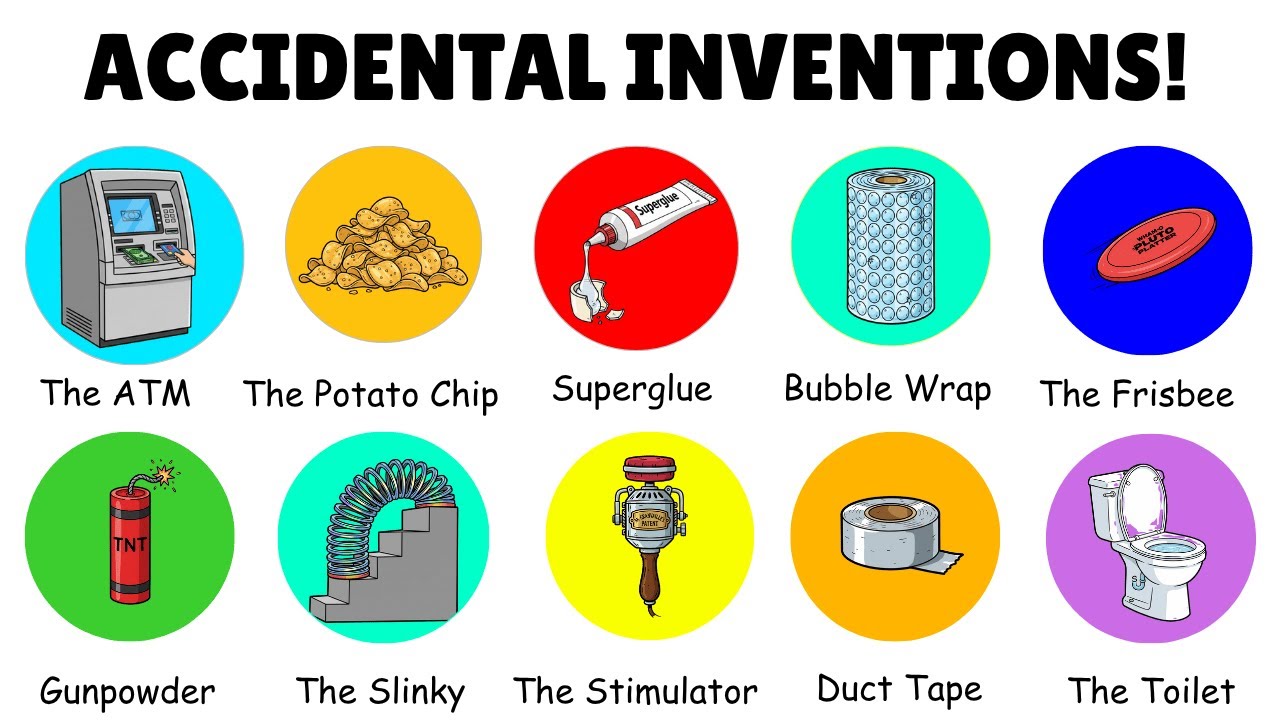
Chemist Harry Coover first encountered cyanoacrylate in 1942 at Eastman Kodak while developing clear plastic gun sights. It stuck everything stubbornly, proving useless then. Rediscovered in 1951 for missile optics, it hit consumer markets as Super Glue in 1958. This fast-bonding adhesive revolutionized repairs, crafts, surgery (medical-grade versions seal wounds), and manufacturing. Its one-drop strength holds heavy loads, making it indispensable in households, industries, and even forensics for latent fingerprints.
6. Potato Chips
In 1853, at Moon’s Lake House in New York, chef George Crum grew frustrated with a picky customer complaining about thick fries. He sliced potatoes paper-thin, fried them crisp, and salted them heavily. The “Saratoga Chips” were a hit, sparking the global snack industry. Potato chips now generate over $30 billion annually, with endless flavors. This accidental culinary tweak popularized snacking, influenced food processing, and created jobs in agriculture and packaging worldwide.
7. Popsicles
Eleven-year-old Frank Epperson left a fruit drink mix with a stir stick outside overnight in 1905 San Francisco. It froze solid, and he licked the icy treat. Patented as the Epsicle in 1924 and renamed Popsicles, it birthed the frozen pop industry. Now a multibillion-dollar market, popsicles revolutionized summer treats, offering portable, refreshing flavors for all ages. Epperson’s childhood accident inspired innovations like push-pops and gourmet versions, cooling billions during hot weather.
8. Chocolate Chip Cookies
In 1930, innkeeper Ruth Wakefield ran out of baker’s chocolate at the Toll House Inn. She chopped Nestlé semisweet chocolate, expecting it to melt into dough. Instead, chunks held shape, creating the first chocolate chip cookie. Shared via recipes and a Nestlé deal, it became America’s favorite cookie, spawning a $20 billion industry. This mishap transformed baking, holidays, and comfort food culture, proving simple accidents can sweeten lives globally.
9. Slinky
During World War II, naval engineer Richard James accidentally knocked a tension spring off a table at the University of Pennsylvania. Watching it “walk” downstairs fascinated him. With wife Betty, he marketed the Slinky in 1945, selling 400 in 90 minutes at Gimbels. Over 300 million sold, it revolutionized toys, teaching physics via motion and tension. Used in military signaling and therapy, the Slinky embodies playful innovation from a mere mishap.
10. Play-Doh
In the 1930s, Cleo McVicker’s family Kutol company made wallpaper cleaner from flour, salt, and oil. Post-WWII, synthetic detergents obsoleted it. Noticing children eating the non-toxic putty, niece Noah repurposed it as modeling clay in 1955. Rainbow colors followed, revolutionizing early childhood education and creativity. With over 3 billion cans sold, Play-Doh fosters fine motor skills, imagination, and STEM learning, turning a fading product into a global phenomenon.
These 10 accidental inventions remind us that innovation often springs from mistakes. From speeding up diagnostics with X-rays to simplifying cooking with Teflon, their ripple effects continue shaping modern life. Embracing serendipity has driven progress, proving that the next world-changer might be just an “oops” away. Stay curious—history favors the observant.