
Why You’re Procrastinating on Your Biggest Goals and How to Stop It Today
Procrastination is the silent thief that robs us of our dreams. You’ve set ambitious goals—launching a business, writing a book, getting in peak physical shape—but days turn into weeks, and weeks into months without meaningful progress. Why does this happen? Why do you keep putting off your biggest goals? Understanding the root causes of procrastination is the first step toward conquering it. In this comprehensive guide, we’ll explore the psychological, emotional, and practical reasons behind why you’re procrastinating on your biggest goals and provide actionable strategies to stop once and for all. By the end, you’ll have a clear roadmap to reclaim your time and achieve what truly matters.
The Psychology of Procrastination: Why Your Brain Betrays You
Feature Video
At its core, procrastination isn’t about laziness; it’s a protective mechanism wired into your brain. Neuroscientists explain that the limbic system, responsible for immediate rewards and emotional responses, often overrides the prefrontal cortex, which handles long-term planning and goal pursuit. When faced with big goals, your brain perceives them as threats—overwhelming tasks that trigger stress hormones like cortisol.
Fear of failure plays a massive role. Psychologists like Dr. Timothy Pychyl, a leading procrastination researcher, note that we delay action to avoid negative emotions associated with potential failure. If your goal is to run a marathon, the thought of training failure might make Netflix seem far more appealing. Perfectionism exacerbates this; you wait for the “perfect” moment, which never arrives, leading to a vicious cycle of inaction.
Another factor is present bias, where we overvalue immediate gratification over future benefits. Dopamine hits from scrolling social media or snacking provide quick rewards, while goals like building a side hustle offer delayed payoffs. This explains why you’re procrastinating on your biggest goals: your brain prioritizes short-term comfort over long-term success.
Common Reasons You’re Procrastinating on Your Biggest Goals
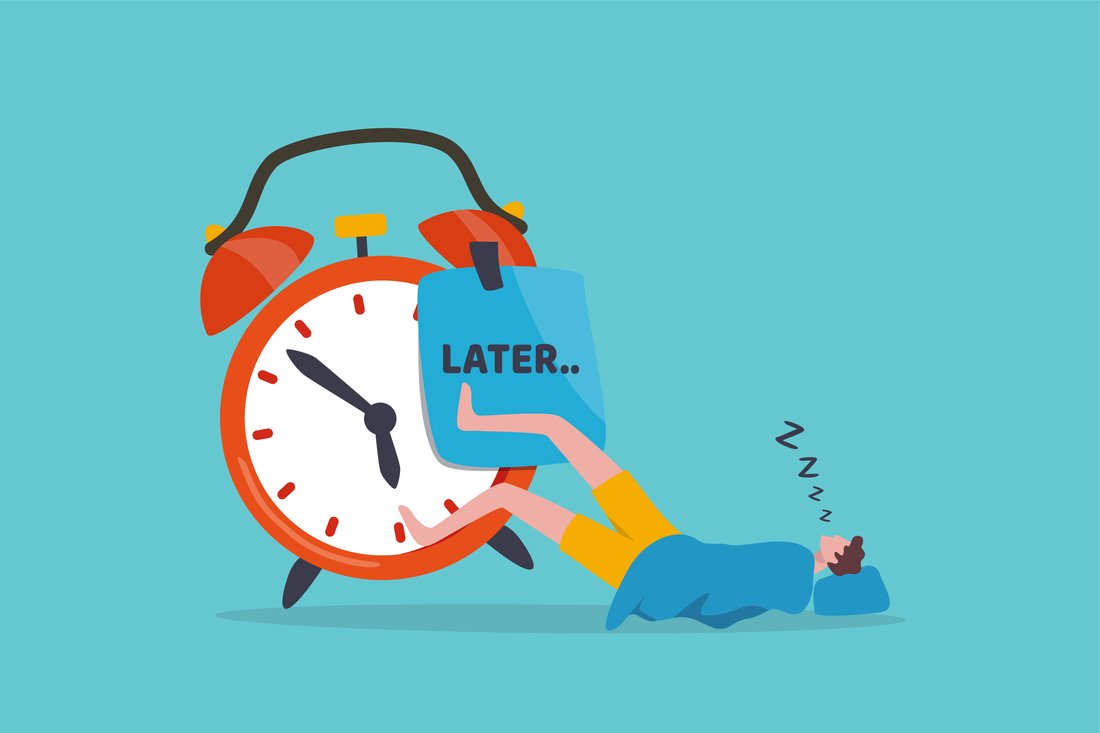
Beyond psychology, everyday triggers fuel procrastination. First, unclear goals. Vague aspirations like “get fit” lack specificity, making them daunting. Harvard Business Review studies show that specific, measurable goals increase completion rates by 42%. If your biggest goal feels nebulous, your brain defaults to avoidance.
Overwhelm from task magnitude is next. Big goals like writing a novel involve thousands of steps, paralyzing you at the start. This “activation energy” barrier is why 80% of people abandon New Year’s resolutions by February, per University of Scranton research.
Distractions abound in our digital age. Notifications, emails, and endless content streams fragment attention. A 2023 RescueTime report found knowledge workers lose 2.1 hours daily to distractions, directly impacting progress on major goals.
Lack of motivation stems from misaligned values. If your goal isn’t tied to deep “why”—personal fulfillment, family legacy, or financial freedom—it’s easy to procrastinate. Burnout and poor habits, like irregular sleep, compound this, sapping willpower.
Finally, decision fatigue. Juggling daily choices depletes mental energy, leaving little for high-stakes goals. Understanding these reasons demystifies procrastination, empowering you to address them head-on.
How Lack of Accountability Fuels Procrastination
Humans thrive on social accountability. Without it, procrastination flourishes. Solo pursuits on big goals lack external pressure, unlike team sports or deadlines. A Dominican University study revealed that sharing goals with a friend boosts achievement by 65%. If you’re going it alone, isolation breeds delay.
Environmental cues matter too. Your workspace, filled with distractions, signals “procrastinate” to your subconscious. Cluttered desks correlate with 20% lower productivity, per Princeton research. Changing your environment can flip the script.
Proven Strategies to Stop Procrastinating on Your Biggest Goals
Stopping procrastination requires a multi-pronged approach: mindset shifts, techniques, and habits. Start with the “2-Minute Rule” from David Allen’s Getting Things Done: If a task takes under two minutes, do it now. This builds momentum for bigger actions, tricking your brain past inertia.
Break goals into micro-steps. Instead of “write a book,” commit to “write 300 words daily.” The Pomodoro Technique—25 minutes focused work followed by 5-minute breaks—combat overwhelm. Apps like Focus@Will or Tomato Timer enhance this, with users reporting 25% productivity gains.
Implement the Eisenhower Matrix to prioritize: categorize tasks as urgent/important. Focus on important but non-urgent big goals first. Time-blocking your calendar reserves slots for them, treating them as unbreakable appointments.
Overcoming Fear and Perfectionism
Tackle fear head-on with “implementation intentions.” Psychologist Peter Gollwitzer’s research shows phrasing like “When I sit at my desk at 7 AM, I will open my goal document” increases success by 200-300%. Visualize success daily to rewire neural pathways.
Embrace “good enough” to kill perfectionism. Ship imperfect work—authors like Seth Godin advocate this. Track progress visually with habit apps like Streaks or a simple wall chart; seeing chains unbroken motivates continuation.
Boost intrinsic motivation by connecting to your “why.” Journal prompts like “What will achieving this goal allow me to do?” clarify purpose. Pair tasks with rewards: post-workout smoothie after training.
Building an Anti-Procrastination Environment and Habits

Design your space for success. Use website blockers like Freedom or StayFocusd during work blocks. Optimize sleep (7-9 hours), exercise, and nutrition—willpower is finite, per Roy Baumeister’s ego depletion theory.
Accountability partners or mastermind groups provide leverage. Apps like StickK let you wager money on goals, with 78% success rates. Weekly check-ins keep you honest.
Mindfulness practices reduce impulsivity. A 2022 meta-analysis in JAMA found meditation cuts procrastination by 30%. Start with 10 minutes daily via Headspace.
Leveraging Technology and Tools to Beat Procrastination

Tech aids abound. Todoist or Notion for task management; Forest app gamifies focus by growing virtual trees. AI tools like ChatGPT brainstorm steps, reducing planning paralysis.
Habit stacking, from James Clear’s Atomic Habits, attaches new behaviors to existing ones: “After coffee, plan today’s goal step.” Compound small wins yield massive results.
Sustaining Momentum Long-Term

Avoid burnout with rest cycles. The 90/20 rule—90 minutes work, 20-minute break—mirrors ultradian rhythms. Celebrate milestones to dopamine-loop positivity.
Reframe setbacks: procrastination researcher Dr. Fuschia Sirois views lapses as learning opportunities, not failures. Adjust and persist.
Long-term, cultivate grit via Angela Duckworth’s framework: passion plus perseverance. Review goals quarterly, pivoting as needed.
Conclusion: Take Action Now to Conquer Procrastination
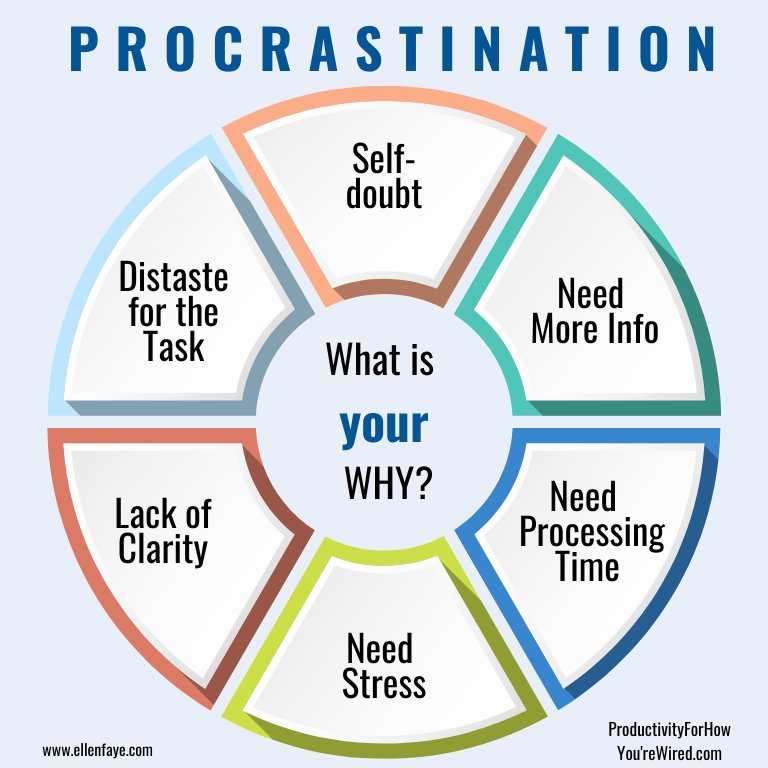
Procrastination on your biggest goals stems from fear, overwhelm, distractions, and misaligned habits—but it’s beatable. By understanding why you’re procrastinating and applying these strategies—micro-steps, accountability, environment tweaks—you’ll build unstoppable momentum. Start today: pick one goal, break it into a 2-minute action, and commit. Your future self will thank you. Consistency trumps intensity; small daily actions compound into extraordinary achievements. Stop waiting—your biggest goals await.
(Word count: 1,248)