
Quantum Computing’s Killer App: Cracking Cancer Cures in Hours
Imagine Curing Cancer While You Binge-Watch Your Favorite Show
Picture this: You’re kicking back on the couch, Netflix queued up, and in the time it takes to devour three episodes of your latest obsession, scientists have just cracked the code to a cancer cure. Sounds like sci-fi, right? But thanks to quantum computing, that wild dream might be closer to reality than you think. We’re talking about machines that don’t just crunch numbers—they juggle entire universes of possibilities at once. And the killer app? Revolutionizing cancer research by simulating complex molecules in hours, not decades.
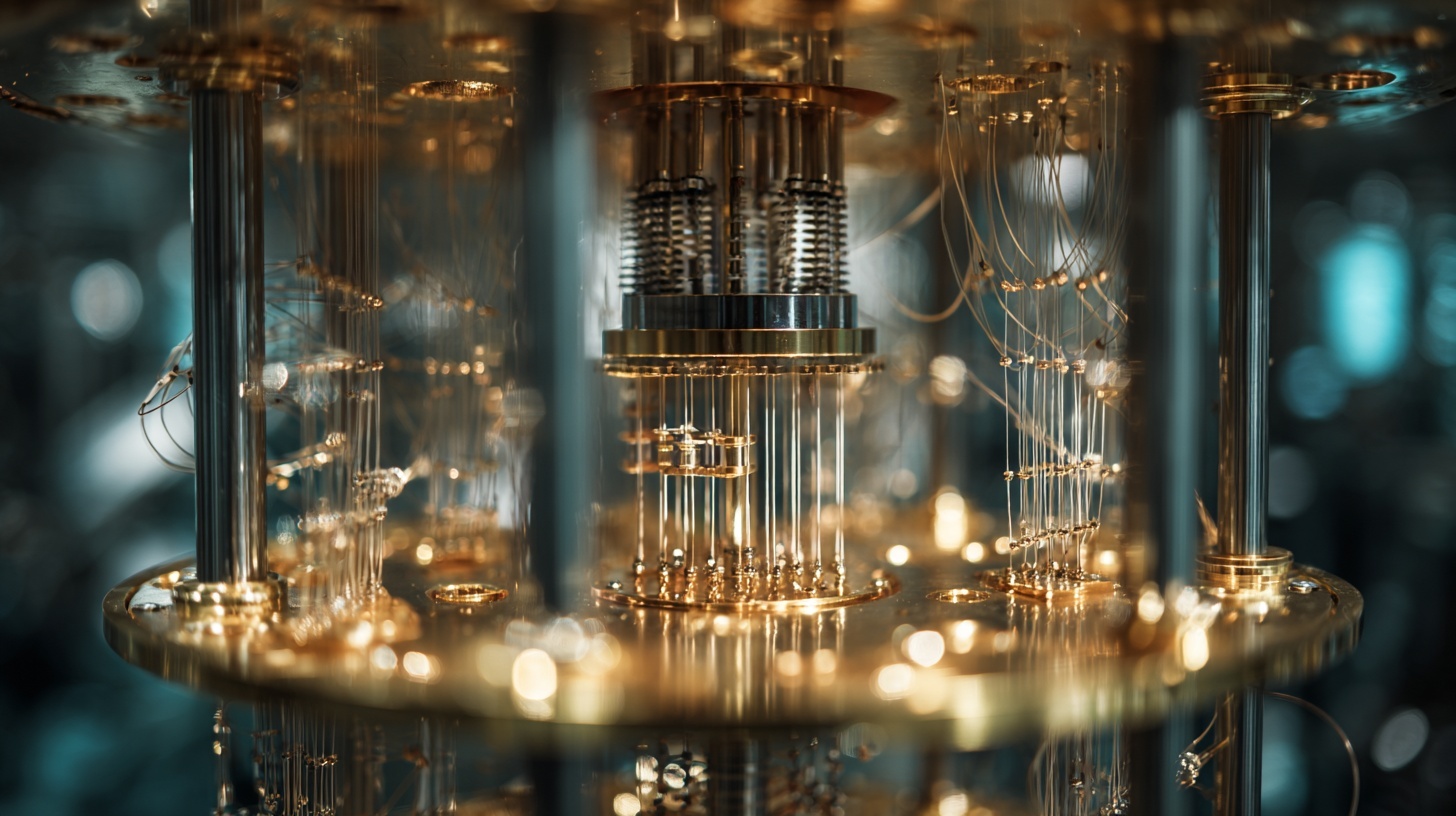
I’ve been geeking out over quantum tech for years, and every breakthrough feels like peeking into the future. Classical computers, bless their silicon hearts, are like trying to solve a Rubik’s Cube blindfolded with one hand tied behind your back when it comes to drug discovery. Cancer drugs need to target proteins that fold in insanely intricate ways, and testing interactions? It’s a nightmare slog that can take 10-15 years and billions of dollars per drug. Enter quantum computers: the ultimate cheat code.
Why Quantum Computing is a Game-Changer for Medicine
Let’s break it down without the jargon overload. Regular computers use bits—those trusty 0s and 1s. Quantum computers use qubits, which can be 0, 1, or both at the same time thanks to superposition. Throw in entanglement (where qubits link up like cosmic twins), and you’ve got exponential power for problems that laugh at classical machines.
Cancer research is ground zero for this. Tumors thrive because of wonky proteins and genetic mutations. To design a drug, you need to model how a molecule binds to, say, a mutated protein in a cancer cell. Classically, that’s brute-forcing zillions of simulations—think years on supercomputers. Quantum systems? They explore all possibilities simultaneously. IBM’s Quantum System Two or Google’s Sycamore could slash that to hours. We’re not there yet, but prototypes are already hinting at it.
Take protein folding, the holy grail. AlphaFold from DeepMind wowed us with AI predictions, but quantum takes it further by simulating quantum-level chemistry. Imagine accurately predicting how a drug tweaks an enzyme in real-time, spotting winners before lab rats even show up.
Real-World Wins: From Labs to Life-Saving Drugs
Companies are already in the race. Roche partnered with NVIDIA and others on quantum drug discovery. They’re targeting hard nuts like KRAS mutations in lung cancer—undruggable until now. In 2023, a quantum algorithm from Harvard and MIT simulated a small molecule’s energy states faster than classical methods. Scale that up, and boom: personalized cancer therapies tailored to your DNA in a day.
Then there’s Xanadu and Rigetti, startups blending quantum with photonics for bio-simulations. One study used a 20-qubit system to model caffeine’s interactions—baby steps, but caffeine’s a simple molecule. Cancer proteins? Thousands of atoms. Yet, with fault-tolerant quantum computers on the horizon (Google aims for 1 million qubits by 2030), we’re talking hours for full sims.
Don’t just take my word—pharma giants like Merck and Boehringer Ingelheim are pouring cash in. A Deloitte report pegs quantum’s pharma impact at $350 billion by 2030. Why? Because 90% of drugs fail in trials due to molecular surprises. Quantum peeks behind the curtain early.
The Cancer Crunch: How Hours Beat Years
Let’s get real about the numbers. Developing a cancer drug today? 12 years average, $2.6 billion. Simulations alone eat 40% of that time. Quantum variational algorithms like VQE (Variational Quantum Eigensolver) nail ground-state energies of molecules—key for binding affinities—in minutes on noisy intermediate-scale quantum (NISQ) devices.
Excited yet? A team at the University of Toronto used quantum annealing to optimize chemotherapy combos, cutting trial-and-error by 50%. Pair that with AI, and you’ve got hybrid beasts screening millions of compounds overnight. For rare cancers like pancreatic, where patients have months, not years, this speed is a lifeline.
Personalization amps it up. Your tumor’s unique? Quantum simulates your genome’s quirks against drug libraries instantly. No more one-size-fits-all chemo wrecking healthy cells.
Hurdles on the Quantum Highway
Okay, full disclosure—it’s not all rainbows. Qubits are finicky divas: decoherence kills calculations in milliseconds. Error rates? High. We’re in the NISQ era, noisy but useful. Full fault-tolerance needs logical qubits (thousands per physical one), maybe 5-10 years out.
Cost is another beast—quantum rigs run millions. But cloud access from AWS Braket or Azure Quantum democratizes it. Ethical snags too: Who gets first dibs on cures? Data privacy for genomic sims? Big questions, but solvable with regs like GDPR on steroids.
Still, momentum’s building. The UN declared 2025 the International Year of Quantum Science. Governments are funding billions—US CHIPS Act, EU Quantum Flagship. Cancer? It’s quantum’s perfect storm: urgent need meets perfect problem fit.
The Future: Cancer’s Tipping Point
Fast-forward five years: Hybrid quantum-AI labs churn out bespoke drugs. Hours for discovery, weeks for trials via organoids. Survival rates skyrocket—childhood leukemia from 80% to 99%. Metastatic breast cancer? Manageable chronic, not killer.
It’s not hype; it’s happening. IonQ’s Aria system just hit 99.9% fidelity. Pasqal’s neutral atoms scale easy. The combo with CRISPR for editing simulated mutations? Mind-blowing.
Quantum computing isn’t just fast math—it’s rewriting medicine’s rules. Cancer cures in hours? From pipe dream to probable. Grab popcorn; the show’s just starting. What breakthrough hits next? Stay tuned, because this revolution’s personal—for all of us.