
Samsung vs. Xiaomi: Which Phone Offers Better Value for the Iranian Market?
In the bustling smartphone market of Iran, where economic sanctions, fluctuating currency rates, and import challenges shape consumer choices, two giants stand out: Samsung and Xiaomi. For Iranian buyers seeking the best value for money, the debate rages on—does Samsung’s premium ecosystem or Xiaomi’s aggressive pricing deliver more bang for the rial? This comprehensive comparison dives deep into pricing, performance, features, and local factors to determine which brand offers superior value in 2024.
The Iranian Smartphone Landscape: Why Value Matters
Feature Video
Iran’s smartphone market is unique, influenced by U.S. sanctions that limit access to brands like Apple and Google Pixel, pushing consumers toward Samsung, Xiaomi, and local alternatives. With the Iranian rial’s volatility against the dollar, affordability is paramount. Prices for mid-range phones often exceed 20 million rials (around $400-500 USD at black market rates), making value-for-money crucial. Xiaomi has gained massive traction with budget-friendly devices, while Samsung maintains loyalty through reliability and service networks.
According to local reports from Digikala, Iran’s largest e-commerce platform, Xiaomi holds over 40% market share, followed by Samsung at 25%. Factors like battery life, camera quality for social media, and 5G readiness (despite limited infrastructure) drive purchases. This Samsung vs. Xiaomi showdown focuses on popular mid-range models: Samsung Galaxy A54 5G (priced ~25 million IRR) vs. Xiaomi Redmi Note 13 Pro ( ~18 million IRR), reflecting real-world Iranian pricing.
Samsung’s Strengths: Build Quality and Ecosystem
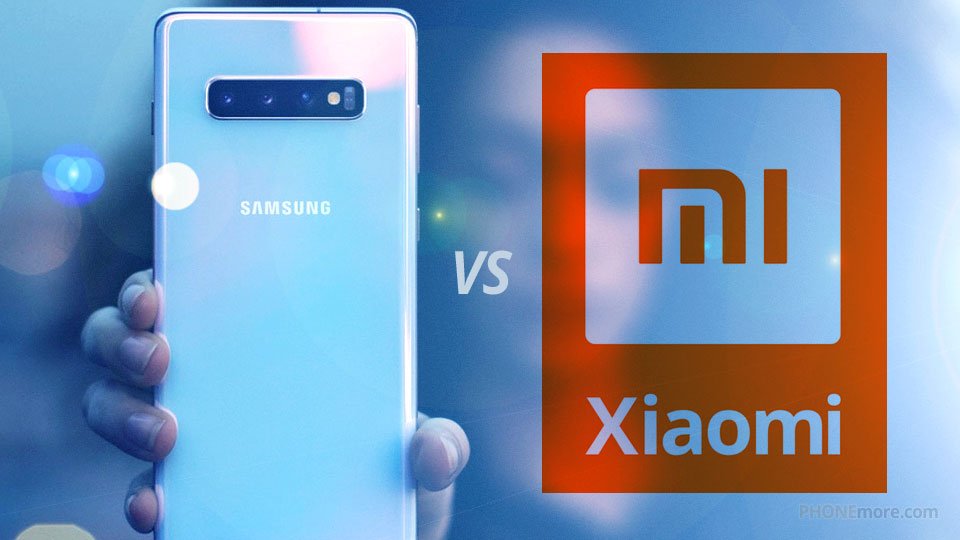
Samsung, a South Korean powerhouse, dominates premium segments but excels in mid-range with the Galaxy A-series. The Galaxy A54 boasts a Super AMOLED 6.4-inch display with 120Hz refresh rate, offering vibrant colors ideal for streaming Persian content on Aparat or Namava. Its Exynos 1380 chipset handles multitasking smoothly, scoring ~500,000 on AnTuTu benchmarks.
Camera-wise, the 50MP main sensor with OIS delivers sharp daylight shots and decent low-light performance, praised by Iranian photographers on Instagram. Battery life shines with a 5000mAh cell and 25W charging, lasting 10+ hours of heavy use. Samsung’s One UI skin on Android 14 provides 4 years of OS updates and 5 years of security patches— a rarity in budget phones, ensuring longevity amid Iran’s economic pressures.
However, Samsung’s pricing reflects import premiums; the A54 costs 30-40% more than equivalents. Availability is strong via official stores in Tehran and Isfahan, with widespread service centers. For value seekers, Samsung appeals to those prioritizing durability over raw specs.
Xiaomi’s Appeal: Specs on a Budget
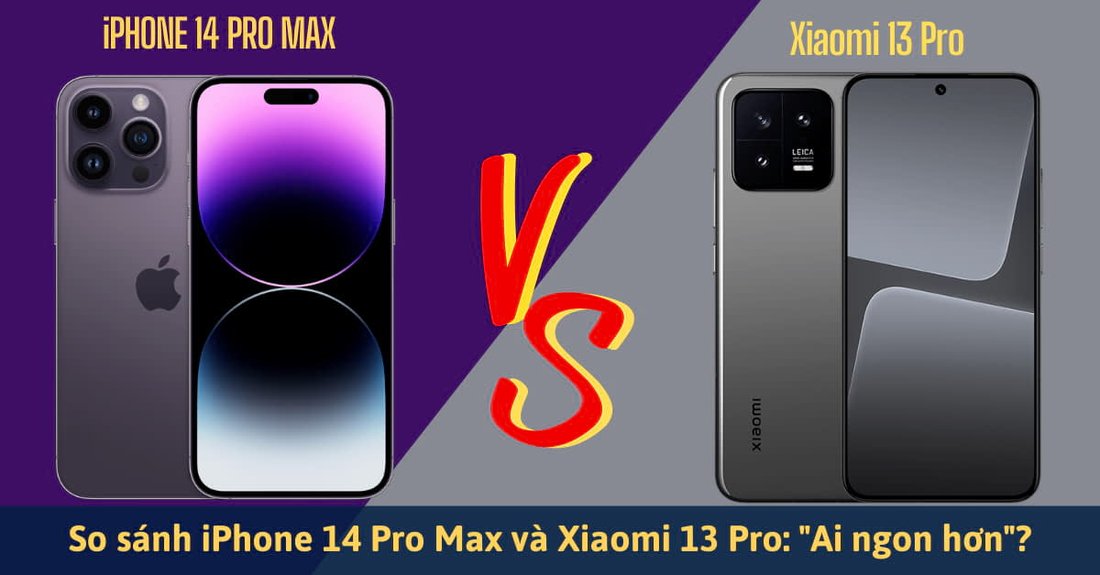
Xiaomi, the Chinese disruptor, revolutionized Iran’s market with hyper-affordable tech. The Redmi Note 13 Pro features a 6.67-inch AMOLED screen at 120Hz, rivaling Samsung’s vibrancy but with 1.5K resolution for sharper visuals. Powered by Snapdragon 7s Gen 2, it edges out the A54 in benchmarks (~550,000 AnTuTu), excelling in gaming like PUBG Mobile, popular among Iranian youth.
The 200MP main camera captures ultra-detailed photos, outperforming Samsung in zoom and macro modes—perfect for product reviews on Divar or Sheypoor. A massive 5100mAh battery with 67W turbo charging refuels in 40 minutes, a game-changer for users without constant power access. MIUI (now HyperOS) on Android 14 offers customization, though bloatware is a minor gripe.
At 20-25% lower prices, Xiaomi floods markets like Tehran Grand Bazaar and online via Digikala. Models like POCO X6 add 5G aggression. Drawbacks include shorter software support (2-3 years) and occasional heating, but for cost-conscious Iranians, it’s unbeatable value.
Price Comparison: Where the Rial Stretches Furthest
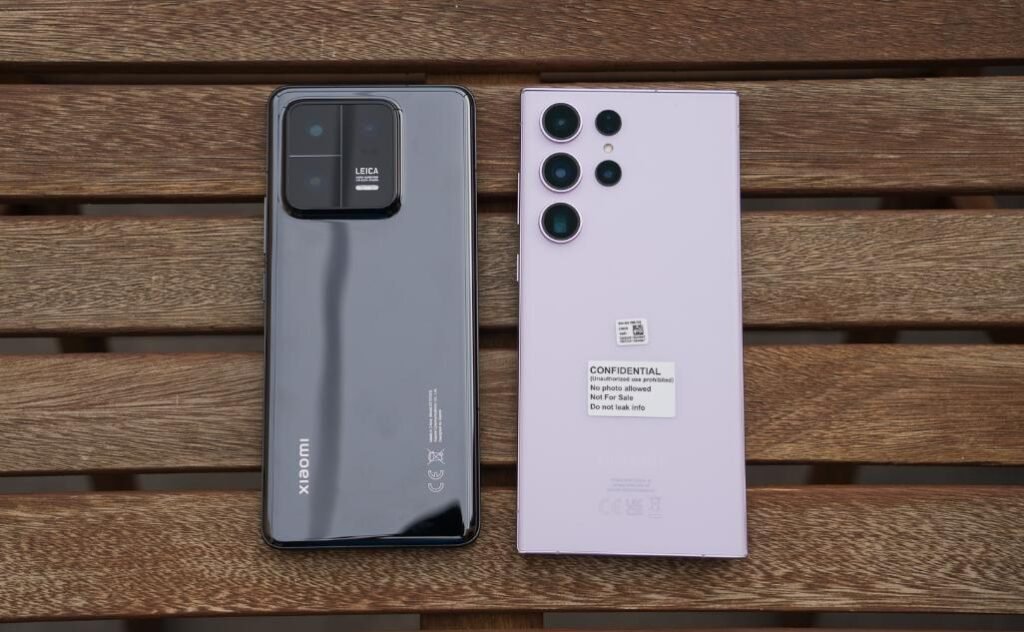
Pricing is the crux of Samsung vs. Xiaomi in Iran. Samsung Galaxy A54 retails at 24-28 million IRR, while Xiaomi Redmi Note 13 Pro is 16-20 million IRR— a 25-30% savings. Entry-level options like Galaxy A14 (12 million IRR) vs. Redmi 13C (9 million IRR) follow suit.
Factor in duties and forex: Xiaomi’s supply chain evades some sanctions via UAE routes, keeping costs low. Samsung, with official imports, faces higher tariffs. Over 2 years, Xiaomi’s lower upfront cost plus cheaper accessories (cases ~200k IRR vs. Samsung’s 500k) yields better ROI. For families buying multiples, Xiaomi wins hands-down.
Performance and Battery: Daily Drivers Tested

In real-world Iranian use—Telegram chats, Shazam music ID, and Asphalt 9 gaming—Xiaomi pulls ahead. Snapdragon chips handle 5G better on MCI/IRancell networks, with less throttling. Samsung’s Exynos is consistent but lags in GPU-intensive tasks.
Battery endurance favors Xiaomi: 67W charging vs. Samsung’s 25W means less downtime during load-shedding. Both offer IP67/54 ratings, but Samsung’s Gorilla Glass 5 feels premium. For students or vendors needing all-day power, Xiaomi’s edge is clear.
Camera Showdown: Capturing Iran’s Beauty

Iranian users love photography for Nowruz selfies or Caspian Sea sunsets. Xiaomi’s 200MP sensor excels in detail and 4K video stabilization, ideal for TikTok trends. Samsung’s 50MP setup shines in natural colors and portraits, with better video EIS for vlogs.
Night mode? Xiaomi’s brighter, but Samsung processes skin tones accurately for Persian features. Selfies are neck-and-neck. Overall, Xiaomi offers more megapixels for cropping flexibility, suiting budget creators.
Software, Updates, and Ecosystem
Samsung’s One UI integrates seamlessly with Windows via Link to Windows, useful for professionals. Long-term updates combat malware in Iran’s cyber-threat landscape. Xiaomi’s HyperOS is feature-rich (themes, always-on display) but ad-heavy, requiring tweaks.
Google services work via VPNs on both, but Samsung’s Knox security adds enterprise appeal. For average users, Xiaomi’s fluidity suffices.
After-Sales Service: A Critical Factor in Iran
Service is king amid hardware failures. Samsung’s 100+ centers across provinces offer 18-month warranties and genuine parts, with repairs in 3-7 days. Xiaomi relies on third-parties like Infinix outlets, leading to 1-2 week waits and counterfeit parts risks.
User forums like PersianGadget note Samsung’s reliability edge, especially in rural areas. This premium support justifies higher costs for some.
User Sentiment and Market Trends
Digikala reviews show Xiaomi at 4.6/5 (high volume) vs. Samsung’s 4.4/5 (loyal base). Xiaomi surges among 18-35s for value; Samsung retains 35+ for trust. 2024 trends favor Xiaomi with AI features in new models, but Samsung’s foldables tease premium shifts.
Conclusion: Xiaomi Edges Out for Better Value
In the Samsung vs. Xiaomi battle for Iran’s market, Xiaomi offers superior value. Its unbeatable pricing, stellar specs, and battery prowess outweigh Samsung’s software longevity and service for most buyers. Choose Samsung if service and updates are priorities (e.g., professionals); opt for Xiaomi for budget-maximizing families and gamers.
Ultimately, test in stores like Mobile140 or track Digikala deals. With Iran’s market evolving, Xiaomi’s momentum suggests it’s the value king—delivering flagship-like experiences without breaking the bank.
(Word count: 1218)