
The Ultimate Guide to Cleaning Your Washing Machine and Removing Bad Odors
The Ultimate Guide to Cleaning Your Washing Machine and Removing Bad Odors
Your washing machine works tirelessly to keep your clothes fresh and clean, but over time, it can develop unpleasant odors that transfer to your laundry. Musty smells, mildew, and bacterial buildup are common culprits behind a stinky washing machine. Regular cleaning not only eliminates bad odors but also extends the life of your appliance, improves cleaning performance, and ensures hygienic washes. In this ultimate guide to cleaning your washing machine and removing bad odors, we’ll cover everything from why it happens to step-by-step instructions, natural remedies, and prevention tips. Whether you have a top-loader or front-loader, follow these expert tips for a fresh machine today.
Why Does Your Washing Machine Smell Bad?
Feature Video
Bad odors in washing machines stem from moisture, detergent residue, and mold growth. Front-loading machines are particularly prone because they trap water in the rubber gasket and drum. Top-loaders can accumulate slime in the agitator or under the lid. Leftover laundry detergent, fabric softener, and lint create a breeding ground for bacteria and mildew. Hard water minerals exacerbate buildup, leading to that familiar sour or musty smell. Neglecting to leave the door open after cycles or overloading with clothes worsens the issue. Understanding these causes is key to effective cleaning and long-term odor removal.
According to appliance experts, up to 80% of washing machine odors come from biofilm—a slimy layer of bacteria and fungi. High-efficiency (HE) models use less water, allowing residue to linger longer. Regular maintenance prevents costly repairs; a neglected machine might need drum replacement costing hundreds. By cleaning your washing machine monthly, you combat these issues proactively.
Signs Your Washing Machine Needs Cleaning

Spotting problems early prevents odors from worsening. Common signs include a persistent musty smell on clothes post-wash, visible mold on the door seal, residue in the detergent drawer, or clothes feeling less clean despite detergent use. If water doesn’t drain properly or you notice slime in the drum, it’s time to act. Dark spots around the gasket or a funky aroma when opening the door are red flags. Listen for unusual noises; they might indicate lint-clogged pumps contributing to odors. Addressing these promptly keeps your laundry fresh and your machine efficient.
Gather Your Cleaning Supplies

Before diving in, assemble these essentials for cleaning your washing machine: white vinegar (natural deodorizer and descaler), baking soda (absorbs odors and scrubs grime), hot water, a microfiber cloth or old toothbrush for scrubbing, bleach (for tough mold, use sparingly), dish soap, and gloves. For eco-friendly options, lemon juice or essential oils like tea tree work wonders. Most households have these items, making deep cleans affordable and accessible. Avoid harsh chemicals that damage rubber seals.
Step-by-Step Guide to Cleaning a Top-Loading Washing Machine
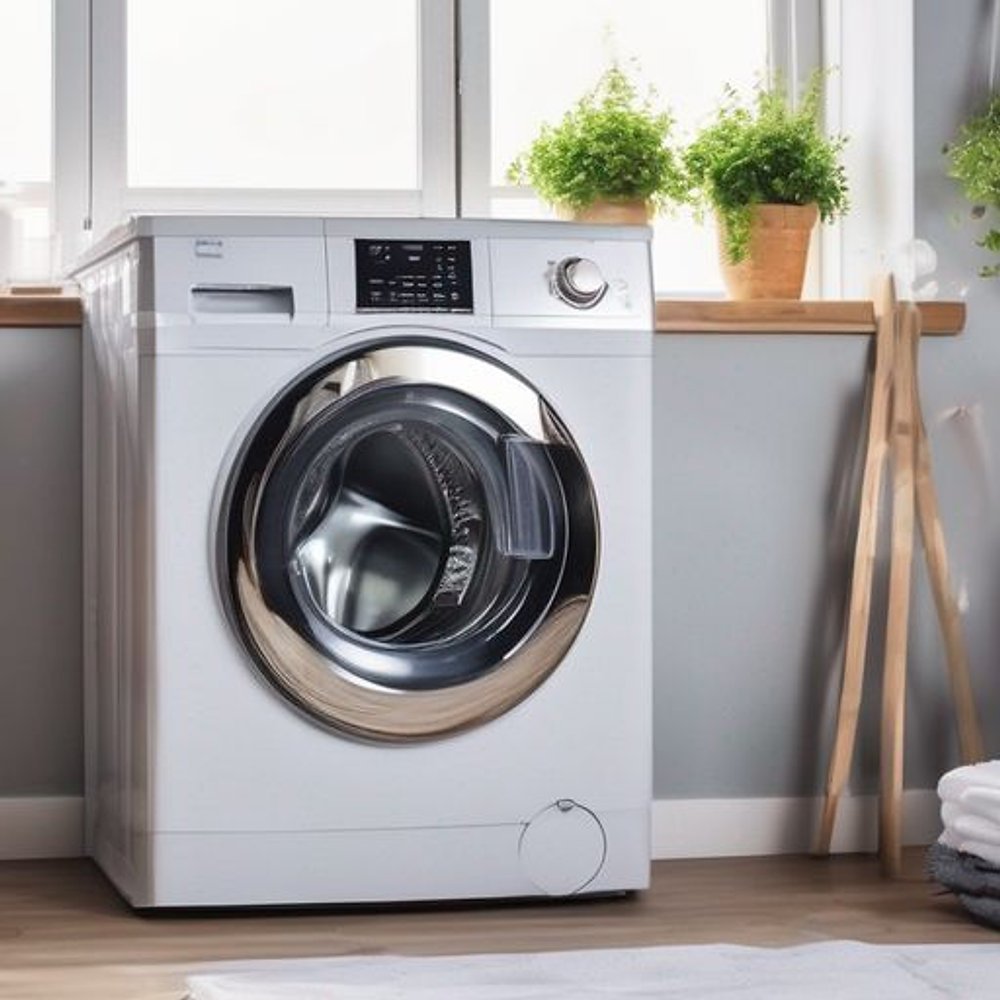
Top-loaders are straightforward to clean. Start by emptying the machine and removing any clothes. Fill it with hot water and add 4 cups of white vinegar. Run a full hot cycle without laundry. Pause mid-cycle for an hour to let vinegar soak, then complete. Follow with a hot cycle using 1/2 cup baking soda to neutralize odors. Wipe the drum, agitator, and under the lid with a vinegar-soaked cloth. Scrub crevices with a toothbrush. Clean the detergent dispenser by soaking in hot soapy water. Leave the lid open to air dry. This process removes bad odors effectively in under two hours.
For deeper cleaning, access the agitator by twisting it counterclockwise if removable. Spray with vinegar and scrub. Check the pump filter (consult your manual) for lint buildup. Repeat monthly for odor-free performance. Users report clothes smelling fresher immediately after this routine.
How to Clean a Front-Loading Washing Machine
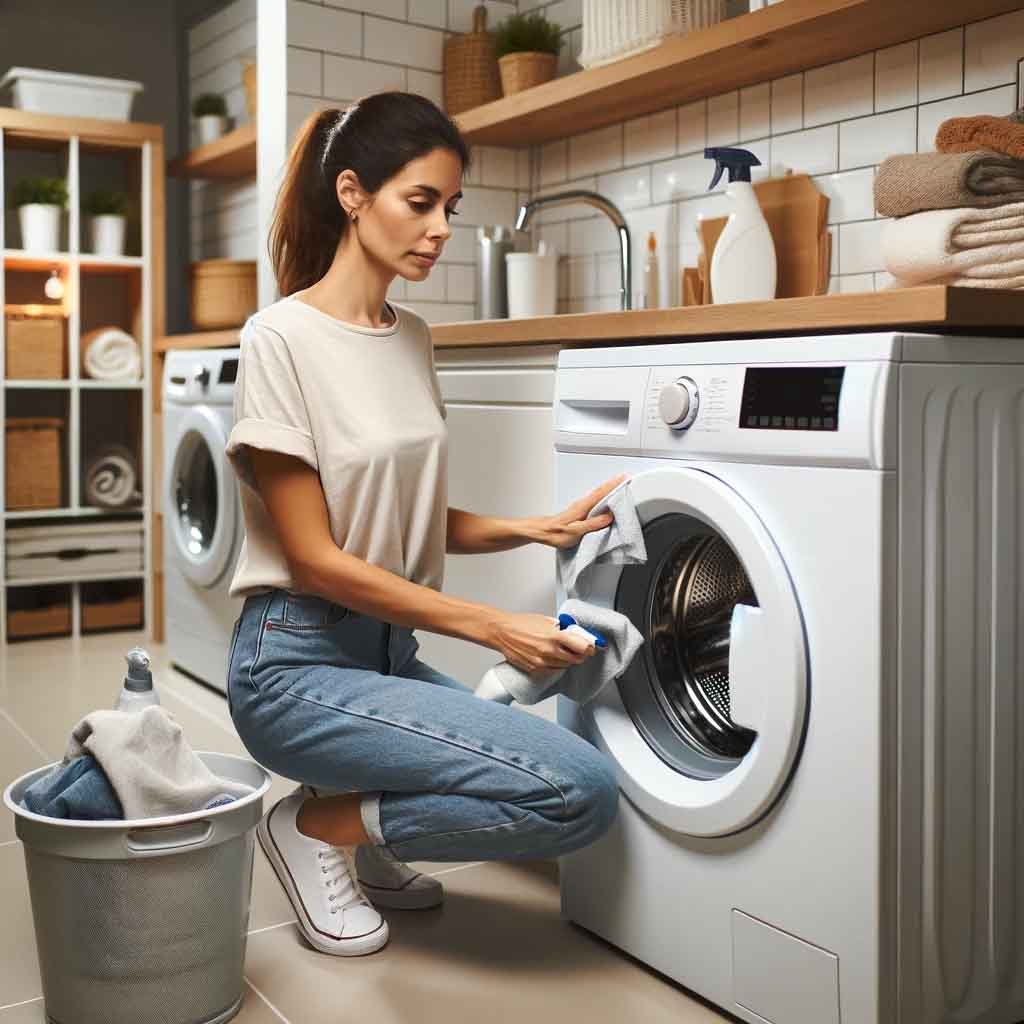
Front-loaders require gasket attention. Wipe the rubber seal with vinegar after every load to prevent mold. For full cleaning: Run a hot tub clean cycle with 2 cups vinegar in the drum (add to dispenser if no cycle). Use the machine’s self-clean feature if available. Manually clean the gasket by pulling it back and scrubbing folds with a baking soda paste. Remove the detergent drawer, soak in hot water with dish soap, and scrub. Access the filter at the bottom front—place a towel underneath, twist open, and clean debris.
Baking soda in a hot cycle post-vinegar neutralizes smells. Dry the drum and gasket thoroughly with a towel and leave the door ajar. This method targets moisture-trapped areas, eliminating 99% of odors per cleaning tests. Bleach alternative: 1 cup liquid chlorine bleach in a hot cycle, but rinse twice to avoid residue.
Natural Remedies for Removing Washing Machine Odors
Prefer green methods? Vinegar and baking soda are stars. For stubborn smells, add lemon slices or 10 drops tea tree oil to a hot cycle. Borax (1 cup) in hot water dissolves mineral buildup naturally. A paste of baking soda and hydrogen peroxide scrubs mold safely. Essential oils like lavender mask odors temporarily while antibacterial properties fight bacteria. These remedies are cost-effective, safe for septic systems, and septic-friendly. Run cycles empty to avoid contaminating clothes. Natural cleaning aligns with eco-conscious living without sacrificing efficacy.
Deep Cleaning the Detergent Dispenser, Filters, and Exterior
Often overlooked, the dispenser harbors moldy residue. Pull it out, disassemble if possible, and soak overnight in vinegar. Rinse and dry. Filters trap hair and lint; clean quarterly to prevent drainage issues fueling odors. Exterior: Wipe control panel and door with microfiber and mild soap. Vacuum lint from vents. These steps ensure comprehensive freshness.
Preventing Bad Odors in Your Washing Machine
Prevention is easier than cure. Leave doors open post-cycle for drying. Use HE detergent sparingly to minimize residue. Run monthly hot cleans. Remove wet clothes promptly. Wipe gaskets weekly. Use powder detergent occasionally to scrub buildup. Install a washer cleaner tablet monthly. Soft water reduces minerals. These habits keep odors at bay, saving energy and extending machine life up to 15 years.
Common Mistakes to Avoid When Cleaning
Don’t mix vinegar and bleach—toxic gas forms. Overusing bleach damages seals. Skipping drying leads to regrowth. Ignoring manuals risks warranty voids. Overloading prevents proper rinsing. Avoid fabric softener sheets; they coat drums. Patience yields best results.
FAQs: Cleaning Your Washing Machine
How often should I clean my washing machine? Monthly for heavy use, quarterly otherwise.
Can I use Affresh tablets? Yes, they complement vinegar cycles.
What if odors persist? Check for leaks or professional service.
In conclusion, cleaning your washing machine and removing bad odors restores freshness and efficiency. Follow this guide for sparkling results. Your laundry deserves it!
(Word count: 1215)