
10 Mind-Blowing Gaming Trends Set to Explode in 2025
Hey gamers, buckle up because 2025 is shaping up to be the year gaming leaps into the future like never before. We’re talking trends that’ll make your current setup feel like playing Pong. From AI that feels alive to plugging your brain straight into the action, here are 10 mind-blowing shifts set to dominate. Let’s dive in!
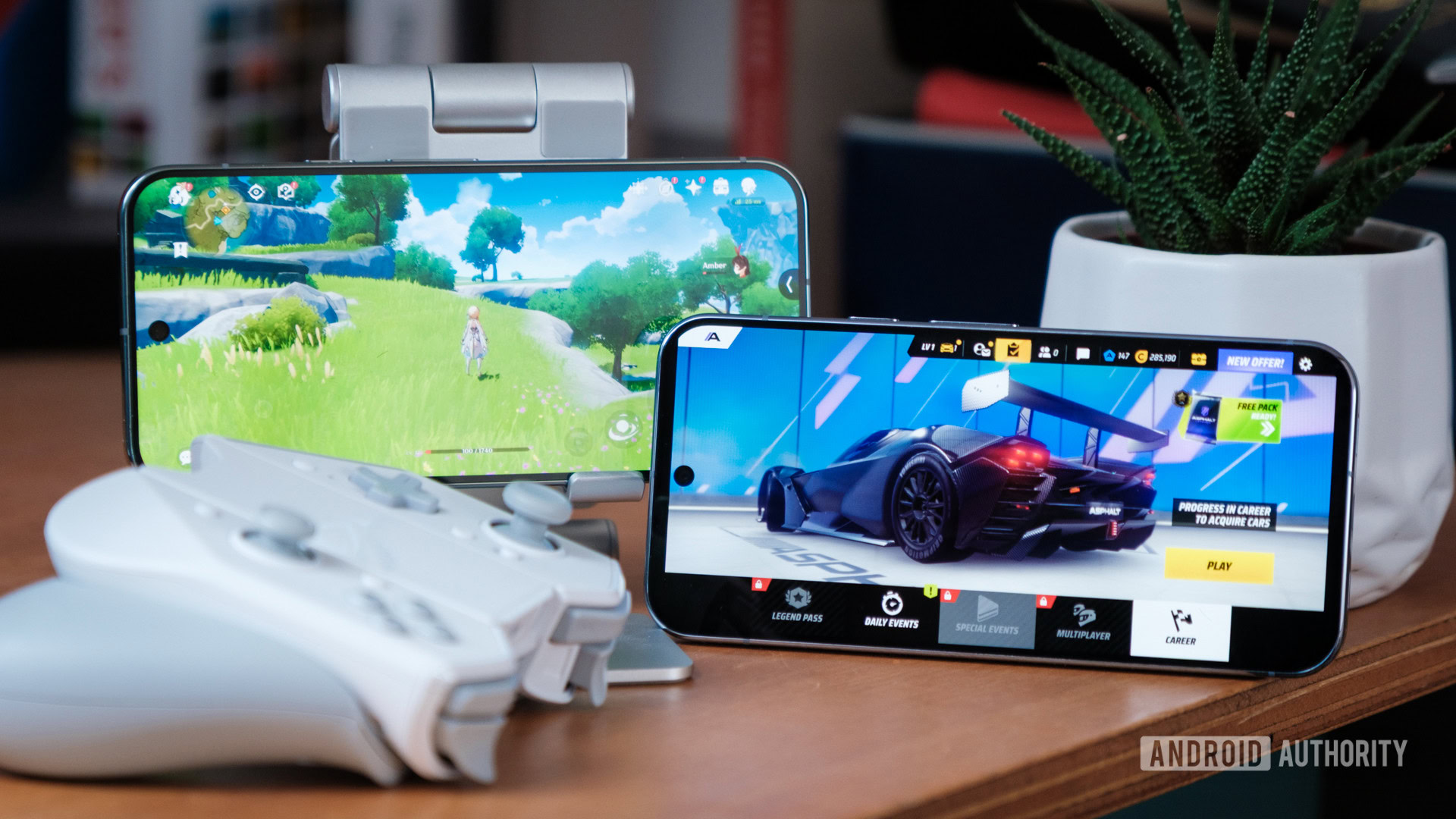
1. AI NPCs That Learn and Evolve Like Real People
Remember those scripted sidekicks in games? Kiss ’em goodbye. In 2025, AI-powered non-player characters (NPCs) will adapt to you in real-time. Imagine an RPG where your elf buddy remembers every betrayal, joke, or epic win, evolving their personality, quests, and even alliances based on your playstyle. Companies like NVIDIA and Ubisoft are pouring billions into this, with generative AI creating infinite dialogue trees. No more repetitive fetch quests—your story becomes personal, unpredictable, and downright addictive. Expect games like the next Elder Scrolls to feel like chatting with a genius friend who’s always one step ahead.
2. Brain-Computer Interfaces for Thought-Controlled Gaming
Controllers? Joysticks? So 2024. Neuralink and competitors are rolling out consumer-grade brain-computer interfaces (BCIs) that let you game with your mind. Think controlling your character’s jumps, shots, or even emotions just by thinking it. Early adopters in 2025 will experience lag-free, intuitive play—no hand cramps during marathon sessions. Indie devs are already prototyping BCI puzzle games where frustration levels adjust to your brainwaves. It’s not sci-fi anymore; it’s the ultimate accessibility boost and power fantasy rolled into one.
3. Full-Dive VR with Full-Body Haptics
VR headsets are getting a massive upgrade with sensory suits that simulate touch, temperature, wind, and even pain (safely, of course). Meta and Sony’s 2025 flagships will make you feel the rush of a lightsaber clash or the chill of a cyberpunk rainstorm. Coupled with eye-tracking for foveated rendering, these rigs deliver photorealistic worlds at 8K. Forget motion sickness—advanced anti-nausea tech and wireless freedom mean hours of immersion. Battle royales and horror games? They’ll haunt your dreams in the best way.
4. Zero-Latency Cloud Gaming Everywhere
Cloud gaming explodes with 6G networks slashing latency to under 1ms. Xbox Cloud, Google Stadia 2.0 (or whatever they call it), and NVIDIA GeForce Now will stream AAA titles to your phone, fridge smart screen, or foldable tablet flawlessly. No more hefty PCs—your $10/month sub gets you the latest GPU power on demand. Multiplayer lobbies with global ping? History. Devs optimize for this, birthing massive shared worlds where billions play simultaneously.
5. Procedural Worlds Generated by AI Infinity
No two playthroughs the same, ever. AI-driven procedural generation creates endless planets, dungeons, and stories on the fly. Games like No Man’s Sky on steroids, but with coherent narratives. Minecraft mods evolve into full titles where ecosystems react to your actions—terraform a forest, and wildlife adapts years later. This trend cuts dev costs, skyrockets replayability, and fuels roguelikes into cultural phenomena.
6. Seamless Cross-Reality AR/VR Blending
AR glasses like Apple Vision Pro 2 merge digital and physical worlds effortlessly. Pokémon GO was the appetizer; 2025 serves the main course with persistent AR overlays. Fight zombies in your living room that interact with real furniture, or join friends’ VR sessions from your couch via mixed reality portals. Social hubs become hybrid spaces—your avatar chills in a virtual bar while you sip coffee IRL. It’s the death of “solo gaming.”
7. Hyper-Personalized Game Worlds
Games that know you better than you know yourself. Using player data (with privacy opts, naturally), titles craft bespoke experiences. Love stealth? Your open-world game emphasizes shadows and gadgets. Analytics from millions of sessions mean adaptive difficulty, loot, and even soundtracks tailored to your mood via wearables. Big studios like EA integrate this into live services, turning free-to-play into “made-for-you” addictions.
8. Blockchain Gaming Economies That Pay Real Cash
Play-to-earn matures beyond scams. True ownership via NFTs and tokens lets you trade in-game assets on legit marketplaces. Imagine earning crypto from Fortnite wins or selling your cyberpunk spaceship. 2025 sees regulated economies in MMOs, with taxes and anti-cheat. Web3 wallets integrate natively—grind for fun, cash out for rent. It’s empowering creators and players alike.
9. Sustainable, Modular Gaming Hardware
Greener gaming is hot. Consoles and PCs go modular—swap GPUs like Lego for upgrades without e-waste. Sony and Microsoft target carbon-neutral production, with solar-powered handhelds. Biodegradable controllers and AI-optimized power use cut your electric bill. Trends like “right-to-repair” laws make custom rigs affordable and eco-friendly, appealing to Gen Z gamers who care about the planet.
10. Esports Metaverses with Global Fan Integration
Esports hits stratospheric levels with metaverse arenas. Watch League of Legends finals from a virtual stadium, betting tokens, customizing your seat, and even influencing plays via crowd votes. Holographic broadcasts beam pros into your home. With AI casters providing play-by-play in your language, billions tune in. It’s not just watching—it’s living the hype, with fan-owned teams and creator leagues.
There you have it—2025’s gaming revolution. Which trend has you most hyped? Drop a comment, and let’s geek out. The future’s loading… fast.