
Quantum Leap Unleashed: Why 2025 Will Be the Year Classical Computers Die
Picture This: Your Laptop, Obsolete Overnight
Hey there, tech enthusiast! Imagine waking up in 2025 to headlines screaming, “Quantum computers just cracked the code to immortality!” Okay, maybe not immortality, but something pretty close. Classical computers—the ones powering your Netflix binges and cat memes—have ruled the roost for decades. But they’re hitting a wall. Transistors can’t shrink forever, heat builds up like a bad sauna, and some problems? Forget it. They’re computationally impossible. Enter quantum computing: the wild child ready to flip the script. I’m here to tell you why 2025 isn’t just another year—it’s the quantum apocalypse for classical tech. Buckle up; this is gonna be a ride.
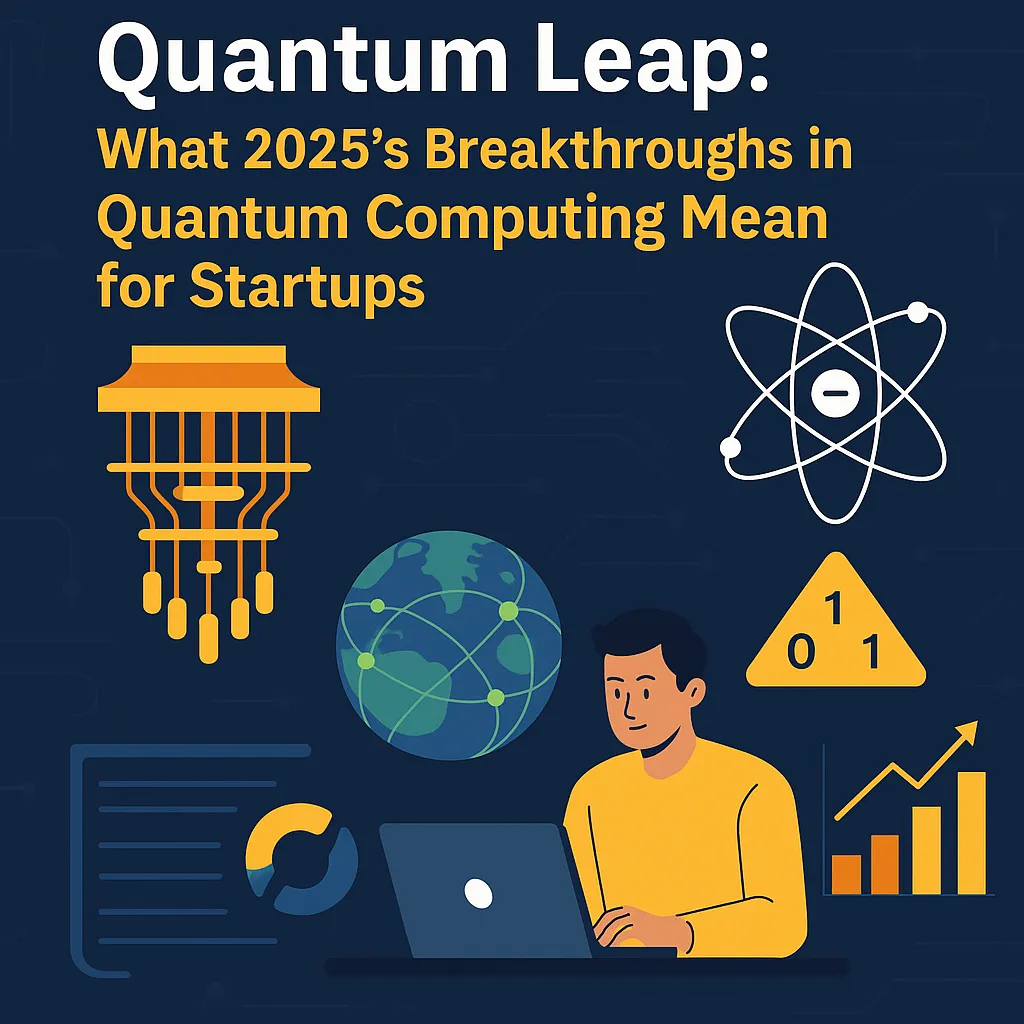
Quantum 101: Bits vs. Qubits, the Ultimate Showdown
Let’s break it down without the PhD jargon. Classical computers use bits: 0 or 1, like a light switch. Simple, reliable, but limited. Quantum computers? They use qubits, which can be 0, 1, or both at once thanks to superposition. It’s like having a switch that’s on, off, and flickering everywhere simultaneously. Then there’s entanglement—qubits linking up so the state of one instantly affects another, no matter the distance. Einstein called it “spooky action at a distance,” and it’s about to haunt classical silicon to death.
Why does this matter? A classical computer brute-forces problems linearly. Quantum ones explore vast solution spaces in parallel. Google’s Sycamore chip in 2019 did in 200 seconds what’d take a supercomputer 10,000 years. That’s not supremacy; that’s domination. And 2025? We’re talking scalable, error-corrected quantum machines that make that look like a toddler’s toy.
2025’s Killer Milestones: No More Excuses
Mark your calendars, folks. IBM’s roadmap screams 1,000+ qubits by 2023, scaling to millions by 2025 with their Heron and Condor processors. Google’s chasing “logical qubits”—error-free ones that actually compute reliably. Microsoft’s topological qubits? They’re the holy grail, stable as a rock. And don’t sleep on startups like Rigetti or IonQ; they’re churning out cloud-accessible quantum hardware faster than you can say “Moore’s Law is dead.”
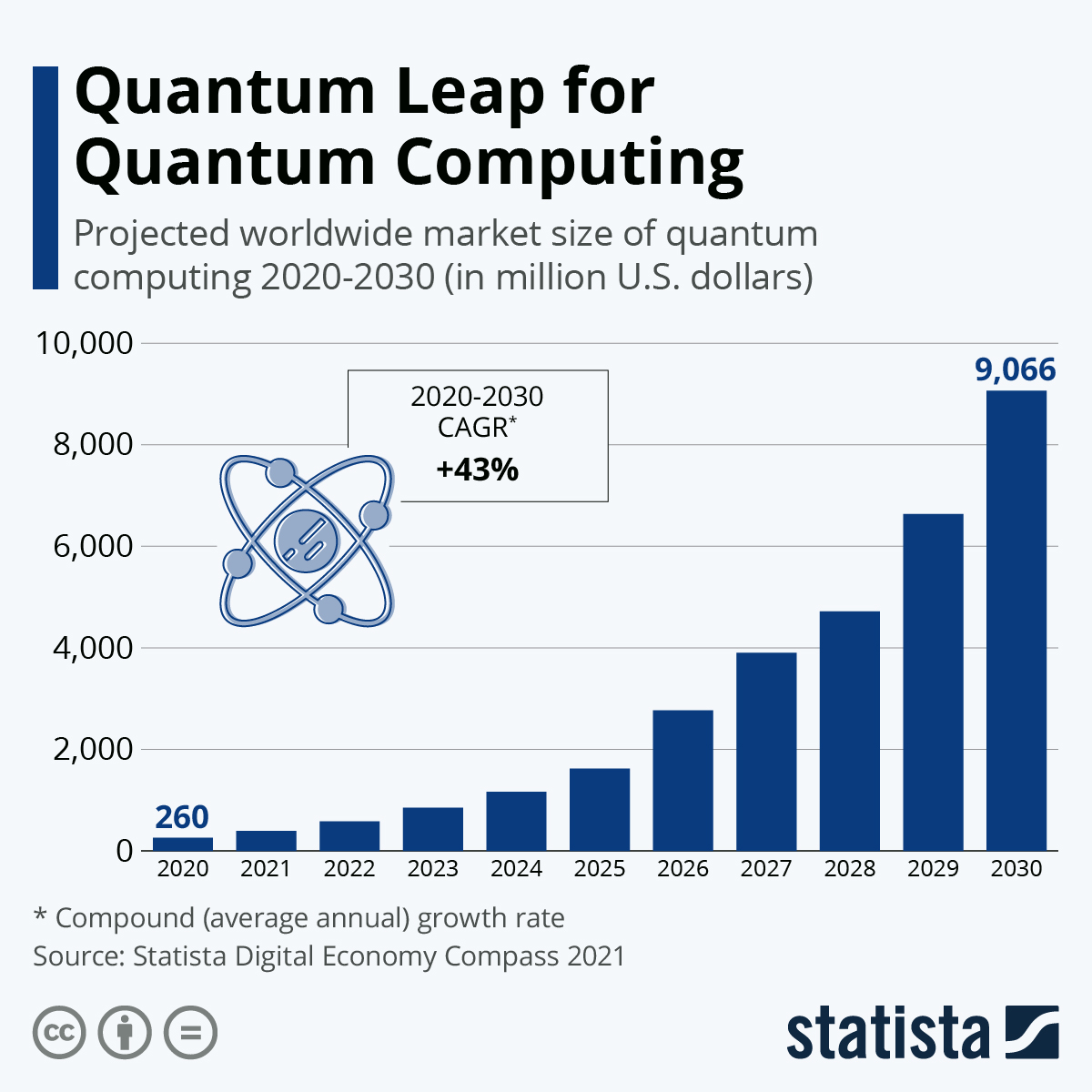
By 2025, we’ll hit “quantum advantage” across industries. Simulations? Classical computers choke on molecular modeling for new drugs. Quantum? It’ll design vaccines in hours. Optimization? Logistics nightmares solved, saving trillions in shipping. Finance? Portfolio risks calculated in real-time. Hell, even climate modeling gets a turbo-boost. Classical rigs will be like using a horse-drawn carriage in a Formula 1 race—cute, but irrelevant.
The Death Knell for Crypto and AI? Bring It On!
Shh, don’t tell the Bitcoin bros, but quantum’s coming for RSA encryption. Shor’s algorithm on a few hundred stable qubits cracks keys classical machines can’t touch. 2025 predictions from experts like the Quantum Economic Development Consortium say we’ll see the first “Q-Day”—when quantum breaks current crypto. Banks, governments? Scrambling to post-quantum crypto, but the shift will expose classical vulnerabilities big time.
AI gets a quantum steroid shot too. Training massive models like GPT? Classical GPUs guzzle energy like a Hummer. Quantum machine learning algorithms promise exponential speedups. Imagine Grok-level AI evolving overnight. Classical data centers? Power-hungry dinosaurs facing obsolescence as quantum clouds take over.
Real Talk: Challenges? What Challenges?
Skeptics whine about decoherence—qubits collapsing like a bad soufflé—and error rates. Fair, but cry me a river. 2024’s breakthroughs in error correction (Google’s surface codes, anyone?) are slashing those issues. Investments? $40 billion poured in globally last year. China’s racing with 100+ qubit machines; the US with NIST standards. It’s not “if”—it’s “when,” and calendars say 2025.
Classical fans point to hybrid systems: quantum accelerators bolted onto classical boxes. Sure, transitional, but like VHS in the DVD era. Quantum-native apps will render hybrids quaint. Cost? Dropping faster than NFT values. By 2025, AWS Braket and Azure Quantum make it accessible. Your grandma could run quantum sims from her iPad.
The Ripple Effect: Economy, Society, Everything Changes
Picture 2025: Pharma giants churning personalized medicine, curing cancers classical sims couldn’t model. Battery breakthroughs ending fossil fuels. Supply chains optimized to perfection, slashing inflation. Jobs? Yeah, some coders pivot, but new quantum engineer roles explode—salaries hitting $500k easy.
Society? Ethical quantum dilemmas, sure—AI gods, surveillance nightmares—but classical stagnation was worse. We’ve milked binary bits dry; time for the quantum multiverse. Nations not investing? Left in the dust, economically crippled.
Why Now? The Perfect Storm
Moore’s Law flatlined at 2nm nodes. Dennard scaling? Toast. Classical’s gasping. Quantum’s timing? AI hype meets chip shortages meets geopolitical arms races. 2025’s the inflection: first commercial quantum supremacy demos, standards locked, ecosystems blooming. It’s not hype; it’s physics.
I’ve chatted with quantum physicists at conferences—eyes gleaming, whispering “next year.” Venture capital’s betting billions. Even NVIDIA’s Jensen Huang admits quantum’s the endgame. Classical computers won’t “die” tomorrow—they’ll fade into niches like mechanical watches: artisanal, not essential.
Get Ready or Get Left Behind
So, what’s your move? Learn Qiskit or Cirq today. Tinker on IBM Quantum Experience. 2025’s your chance to ride the wave, not drown in it. Classical’s era ends not with a bang, but a qubit. Quantum leap unleashed—welcome to the future. Who’s excited? I know I am!