
Why Your 8-Hour Sleep Is Leaving You Exhausted and How to Fix It
Introduction: The Myth of the Perfect 8-Hour Sleep
Feature Video
We’ve all heard it: adults need 7-9 hours of sleep per night for optimal health. So, if you’re clocking in a solid 8 hours but waking up feeling groggy, irritable, and utterly exhausted, you’re not alone. This frustrating paradox affects millions worldwide. Despite hitting the recommended sleep duration, poor sleep quality leaves you drained, impacting productivity, mood, and long-term health. In this comprehensive guide, we’ll uncover why your 8-hour sleep is leaving you exhausted and provide actionable strategies to fix it. By optimizing sleep quality over mere quantity, you can wake up refreshed and energized.
Keywords like “why am I tired after 8 hours of sleep” dominate searches because modern lifestyles disrupt natural rest patterns. Factors such as blue light exposure, stress, and inconsistent routines sabotage your slumber. Understanding these issues is the first step toward transformative change. Let’s dive into the science and solutions.
The Science of Sleep Cycles: Why Duration Alone Isn’t Enough
Sleep isn’t a monolithic block; it’s a series of cycles lasting about 90 minutes each, progressing through stages: light sleep, deep sleep (slow-wave sleep), and REM (rapid eye movement) sleep. Deep and REM stages are crucial for physical restoration, memory consolidation, and emotional regulation. An ideal 8-hour night includes 4-5 full cycles.
If you wake mid-cycle—say, during deep sleep—you’ll feel disoriented and fatigued, a phenomenon called sleep inertia. Alarm clocks often interrupt these cycles arbitrarily. Studies from the National Sleep Foundation show that incomplete cycles lead to daytime exhaustion, even after 8 hours. Poor cycle alignment explains why you’re tired after sleeping enough.
Additionally, sleep architecture varies by age, genetics, and health. What feels restorative for one person might leave another depleted. Tracking cycles with wearables like Fitbit or Oura Ring reveals patterns, helping you time wake-ups for cycle ends.
Disrupted Circadian Rhythms: Your Body’s Internal Clock Out of Sync
Your circadian rhythm, governed by the suprachiasmatic nucleus in the brain, dictates sleep-wake cycles based on light and darkness. Inconsistent schedules—weekend lie-ins or shift work—confuse this clock, causing “social jet lag.” Research in Current Biology links irregular bedtimes to chronic fatigue, mimicking sleep deprivation.
Blue light from screens suppresses melatonin, the sleep hormone, delaying onset and fragmenting sleep. A Harvard study found evening screen time reduces melatonin by up to 23%, leading to shallow rest. Even 8 hours under these conditions leave you unrefreshed.
Other disruptors include caffeine (half-life of 5-6 hours) and alcohol, which fragments REM sleep. Evening coffee or nightcaps might help you fall asleep faster but degrade quality, perpetuating exhaustion.
Sleep Disorders: Hidden Culprits Stealing Your Rest
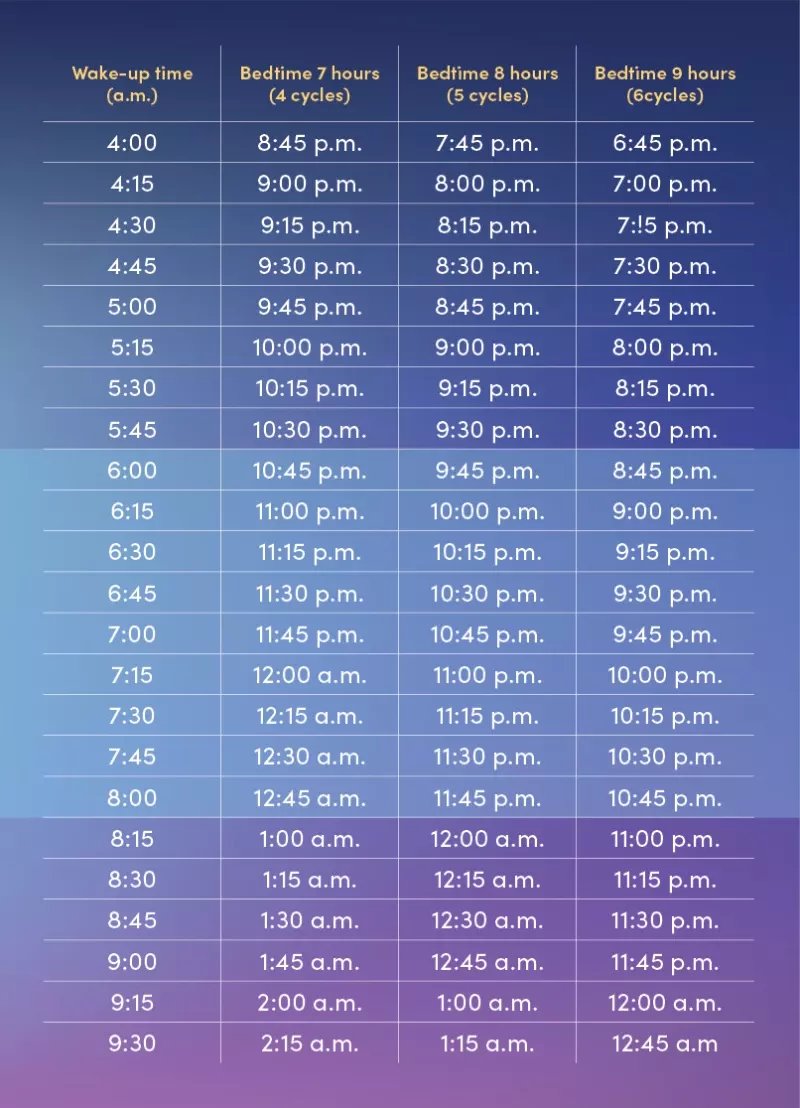
Not all exhaustion stems from lifestyle; undiagnosed disorders play a huge role. Obstructive sleep apnea (OSA) affects 20-30% of adults, causing breathing pauses that jolt you from deep sleep hundreds of times nightly. You might sleep 8 hours but achieve only fragmented, non-restorative rest, leading to daytime sleepiness.
Insomnia, restless legs syndrome, and narcolepsy similarly sabotage quality. A polysomnogram (sleep study) diagnoses these. Symptoms like snoring, gasping, or morning headaches signal OSA—consult a doctor if present.
Women experience higher rates during hormonal shifts (e.g., menopause), while men often ignore snoring. Early intervention with CPAP machines or therapy restores deep sleep, banishing fatigue.
Lifestyle Factors Sabotaging Your 8-Hour Sleep

Beyond biology, habits undermine rest. Chronic stress elevates cortisol, delaying sleep onset and reducing deep sleep. The American Psychological Association reports 75% of adults face sleep issues from anxiety.
Diet matters: heavy meals, sugar, or dehydration disrupt sleep. Exercise is beneficial but vigorous sessions near bedtime spike adrenaline. Poor bedroom environment—noise over 40 decibels, temperatures above 68°F (20°C), or uncomfortable mattresses—prevents settling into deep stages.
Over-reliance on sleep aids like melatonin supplements or Ambien creates dependency without addressing roots, often worsening quality long-term.
How to Fix It: Proven Strategies for Restorative Sleep

Reclaim energy by prioritizing quality. Start with sleep hygiene:
- Consistent Schedule: Same bedtime and wake time daily, even weekends. Use apps like Sleep Cycle to align with natural cycles.
- Optimal Environment: Dark, cool (60-67°F), quiet room. Blackout curtains, earplugs, and white noise machines help. Invest in a supportive mattress and breathable sheets.
- Pre-Bed Routine: Dim lights 1-2 hours before bed. Avoid screens; read or journal instead. Progressive muscle relaxation or 4-7-8 breathing reduces stress.
Dietary tweaks: No caffeine post-noon, light dinners 3 hours before bed, herbal teas like chamomile. Exercise 30 minutes daily, but finish by early evening.
Advanced Fixes: Tech and Tracking for Better Sleep
Leverage technology ethically. Sleep trackers monitor cycles, efficiency (time asleep vs. in bed), and disturbances. Aim for 85%+ efficiency.
Cognitive Behavioral Therapy for Insomnia (CBT-I) apps like Sleepio outperform pills, retraining thoughts and habits. Red light therapy or grounding sheets may enhance deep sleep, backed by emerging studies.
Natural aids: Magnesium glycinate (300-400mg) relaxes muscles; tart cherry juice boosts melatonin. Consistency yields results in 2-4 weeks.
When to Seek Professional Help
If tweaks don’t help after a month, see a sleep specialist. Blood tests rule out thyroid issues or deficiencies (vitamin D, B12). Conditions like depression or GERD mimic poor sleep.
Corporate wellness programs increasingly offer sleep audits—check benefits. Personalized plans, from positional therapy for apnea to light therapy for rhythms, transform lives.
Conclusion: Wake Up to a New You
Your 8-hour sleep doesn’t have to leave you exhausted. By understanding cycles, fixing rhythms, ruling out disorders, and refining habits, you’ll unlock restorative rest. Implement one change weekly: track tonight, optimize your room tomorrow. Within weeks, expect sharper focus, stable mood, and boundless energy.
Quality trumps quantity—science confirms it. Search no more for “why am I so tired after 8 hours sleep”; you’ve got the blueprint. Prioritize sleep as self-care, and watch your life elevate. Sweet dreams and energized dawns await.
(Word count: 1217)