
The Truth About Organic Food: What’s Actually Worth the Price?
What Does “Organic” Really Mean?
Feature Video
In a world bombarded by health claims and marketing buzzwords, “organic food” stands out as a beacon of purity for many shoppers. But what does organic truly signify? Certified organic products must adhere to strict standards set by bodies like the USDA in the United States or equivalent organizations elsewhere. This means no synthetic pesticides, herbicides, or fertilizers; no genetically modified organisms (GMOs); and no irradiation or sewage sludge. Livestock must be raised on organic feed, with access to the outdoors and no antibiotics or growth hormones.
However, organic doesn’t guarantee perfection. Natural pesticides are still allowed, and contamination from neighboring conventional farms can occur via wind or water. The certification process is rigorous but not infallible, with occasional scandals revealing mislabeled products. For consumers, understanding this label is the first step in deciding if organic food is worth the premium—often 20-50% more expensive than conventional counterparts.
Nutritional Superiority: Myths vs. Science
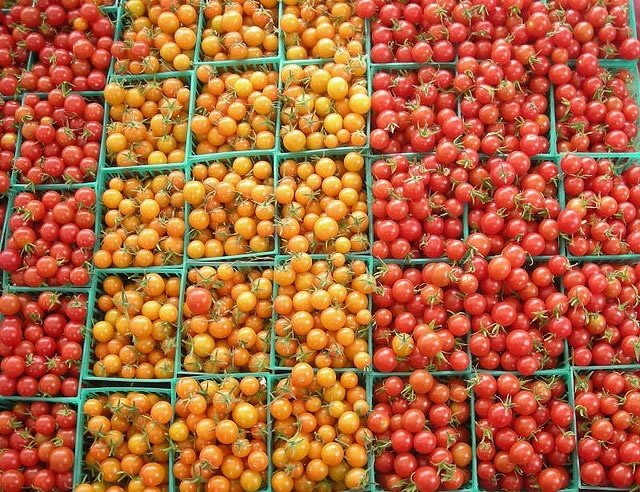
One of the biggest selling points of organic food is its supposed nutritional edge. Proponents claim higher vitamins, minerals, and antioxidants. Studies paint a mixed picture. A landmark 2014 meta-analysis in the British Journal of Nutrition found organic crops had up to 69% more antioxidants, 17% fewer heavy metals, and slightly higher omega-3 levels in meat. Yet, a 2012 Stanford review of 240 studies concluded no significant differences in most nutrients like vitamin C or protein.
The truth? Organic food may offer modest nutritional boosts, particularly in phytochemicals that combat inflammation and cancer. But these benefits are small and often overshadowed by factors like freshness and variety in your diet. If you’re eating plenty of fruits and veggies regardless of label, the nutritional gap narrows. For SEO-savvy shoppers searching “is organic food healthier,” the answer is: somewhat, but not a game-changer for everyone.
Pesticides: The Real Concern with Conventional Food

Pesticide residues are where organic shines brightest. Conventional farming relies heavily on synthetic chemicals linked to health issues like endocrine disruption, neurotoxicity, and developmental problems in children. The Environmental Working Group (EWG) tests reveal that 75% of conventional produce has detectable residues, sometimes exceeding safe limits.
Organic minimizes this risk dramatically—residues are 4-5 times lower per studies. For pregnant women, children, and those with compromised immunity, this reduction is compelling. A 2018 study in JAMA Internal Medicine linked high pesticide exposure to increased cancer risk. Thus, for high-residue items, organic’s price tag justifies itself as a health investment, not a luxury.
Environmental Impact: Beyond Your Plate
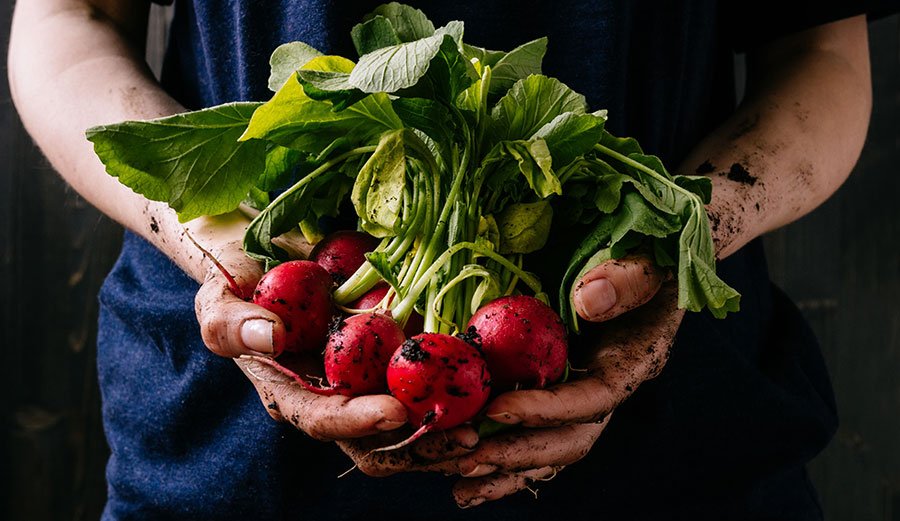
Organic farming promotes biodiversity, soil health, and reduced pollution. It avoids synthetic inputs that contaminate waterways and kill pollinators like bees. A 2020 University of Michigan study found organic systems use 45% less energy and emit 40% fewer greenhouse gases per yield unit, though yields are typically 20-25% lower, potentially requiring more land.
Critics argue this inefficiency hampers feeding a growing population. Yet, long-term, organic builds resilient soils that sequester carbon—vital for climate change mitigation. If sustainability matters in your “organic food benefits” search, it’s a strong case for supporting regenerative agriculture over industrial monocrops.
Taste and Quality: Subjective but Noticeable

Does organic taste better? Anecdotally, yes—many report richer flavors in organic tomatoes, strawberries, and dairy. This stems from slower growth without chemical accelerators, allowing natural sugars and aromas to develop. Blind taste tests, like those by the French Ministry of Agriculture, often favor organic produce.
Quality extends to shelf life and texture; organic apples stay crisp longer due to thicker, natural skins. For everyday cooking, this enhances meals without extra effort. If you’re a foodie pondering “organic vs conventional taste,” personal trials via farmers’ markets can confirm.
The Dirty Dozen and Clean Fifteen: Smart Shopping Guide
Not all produce warrants the organic splurge. The EWG’s annual Dirty Dozen lists the most pesticide-laden: strawberries, spinach, kale, nectarines, apples, grapes, peaches, pears, cherries, tomatoes, celery, and potatoes. These thin-skinned fruits absorb chemicals deeply, making organic versions worthwhile.
Conversely, the Clean Fifteen—avocados, sweet corn, pineapples, onions, papayas, sweet peas, eggplants, asparagus, honeydew, kiwis, cabbage, mushrooms, cantaloupes, cauliflower, and grapefruit—have negligible residues thanks to thick peels or low pesticide needs. Buy these conventional to save money without worry. This strategy, key for “what organic foods to buy,” stretches your budget while maximizing benefits.
Cost Breakdown: Is Organic Worth the Price?
Organic premiums vary: produce averages 47% more, dairy 30%, meat 68%. A family of four might spend $1,500 extra yearly. But savvy shopping—focusing on Dirty Dozen, bulk buys, CSAs, or frozen organic—cuts costs 20-30%. Compare nutrition: that extra $10 on organic strawberries avoids pesticides equivalent to environmental healthcare savings.
Economically, organic demand drives farmer incomes and local economies. Long-term health savings from reduced chronic disease could offset costs. For budget queries like “is organic food worth it,” calculate your priorities: health vulnerabilities or ethics tip the scale yes; tight finances say selective buying.
Best Organic Buys: What Actually Justifies the Premium
Prioritize these for maximum value:
- Leafy Greens & Berries: Highest pesticide risks; antioxidants justify cost.
- Meat & Dairy: Antibiotics in conventional link to superbugs; organic ensures humane, cleaner sources.
- Baby Food: Infants’ vulnerability demands purity.
- Coffee & Chocolate: Tropical imports often heavily sprayed.
Skip organic for bananas, broccoli, or grains unless certified glyphosate-free. For “best organic foods worth buying,” this targeted approach delivers 80% benefits at 50% extra cost.
Organic Myths Debunked
Myth 1: Organic is always local—false; it can ship globally. Myth 2: No pesticides—natural ones exist. Myth 3: Pesticide-free forever—residues possible. Busting these empowers informed choices amid hype.
Conclusion: Your Personalized Verdict
The truth about organic food? It’s not a panacea but a valuable tool for minimizing toxins, boosting subtle nutrition, and supporting the planet—especially for high-risk items. Conventional produce is safe per regulations, but organic offers peace of mind and potential edges.
Weigh your health, budget, and values. Start with Dirty Dozen swaps; track how you feel. In the “organic food truth” debate, moderation reigns: mix smartly for optimal health without breaking the bank. Ultimately, any real food beats processed junk—organic or not.
(Word count: 1,248)