
The Göbekli Tepe Enigma: 12,000-Year-Old Temple That Proves Humans Were Smarter Than We Thought
Unearthing the Past: The Discovery of Göbekli Tepe
In the rolling hills of southeastern Turkey, near the city of Şanlıurfa, lies one of the most profound archaeological sites ever uncovered: Göbekli Tepe. Discovered in 1994 by German archaeologist Klaus Schmidt, this site has revolutionized our understanding of early human civilization. What began as a survey of surface artifacts quickly revealed massive T-shaped limestone pillars emerging from the earth, some standing over 18 feet tall and weighing up to 20 tons. Unlike typical Neolithic settlements tied to farming, Göbekli Tepe dates back approximately 12,000 years, to around 9600 BCE, placing it firmly in the Pre-Pottery Neolithic era when humans were still hunter-gatherers.
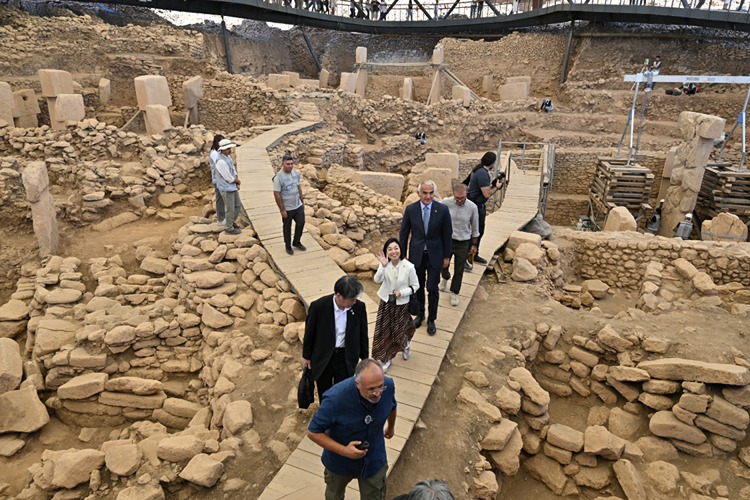
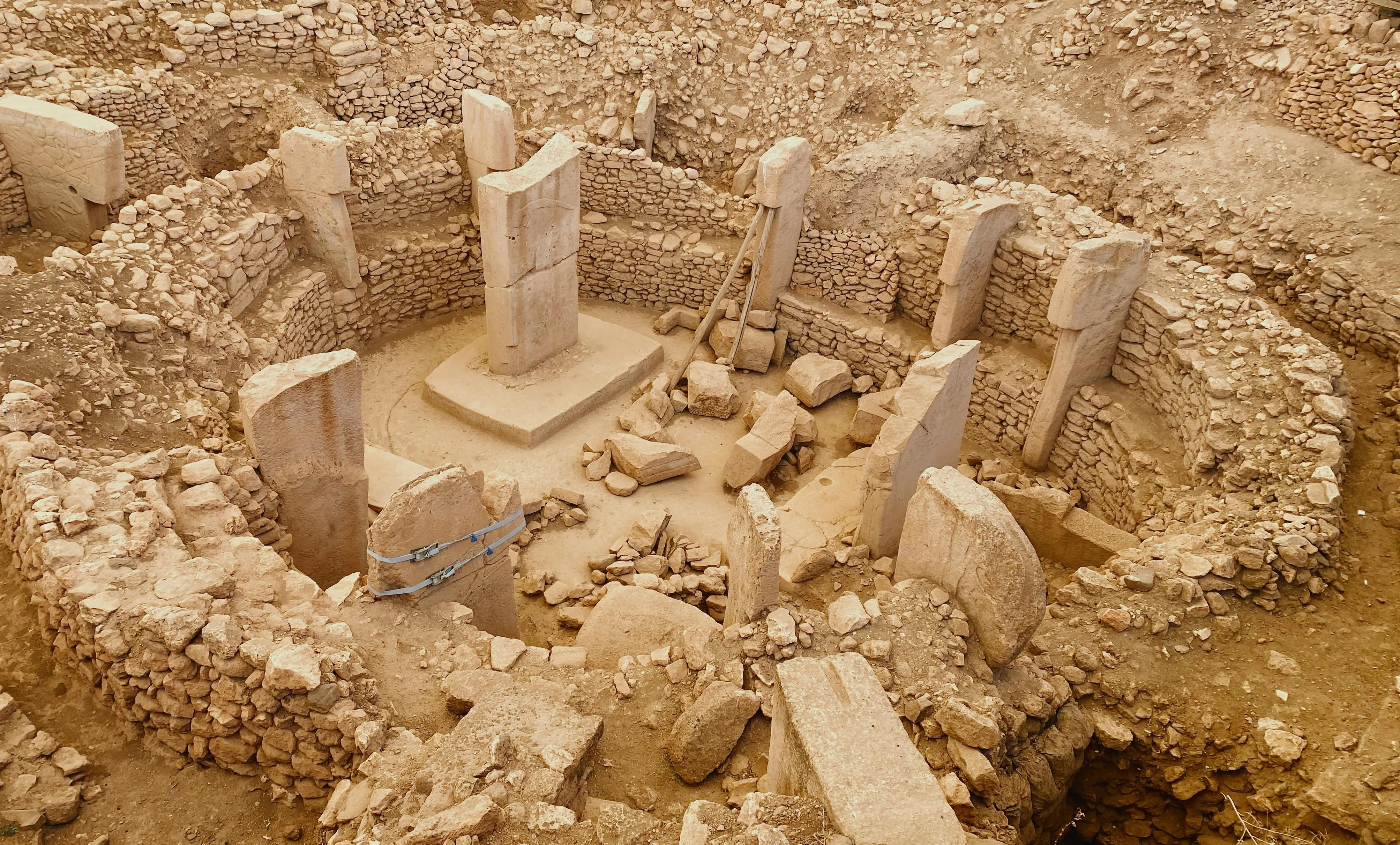
Excavations, led by the German Archaeological Institute and ongoing Turkish teams, have unearthed at least 20 circular enclosures, each up to 100 feet in diameter. These structures predate Stonehenge by 6,000 years and the Egyptian pyramids by 7,000 years, challenging the long-held belief that complex societies only emerged after the advent of agriculture. Göbekli Tepe suggests that monumental architecture and organized labor preceded settled farming life, flipping traditional timelines on their head.
The Architectural Genius of Ancient Builders
The site’s engineering feats are staggering. Each T-shaped pillar was quarried from nearby bedrock, shaped with stone tools, transported, and erected with remarkable precision. Intricate carvings adorn many pillars, depicting foxes, boars, cranes, snakes, and other animals in vivid detail. Some feature abstract symbols, belts, and humanoid arms, hinting at anthropomorphic representations. Rainwater drainage channels carved into the bedrock prevented flooding, showcasing advanced hydrological knowledge.
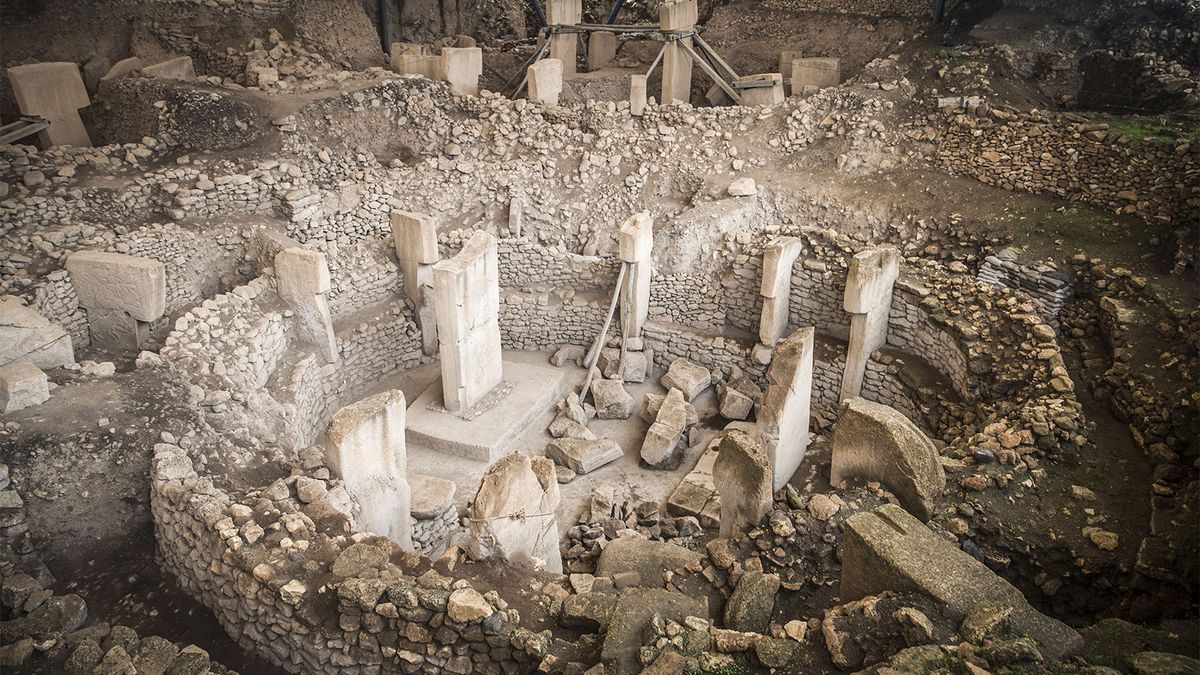
Enclosures were deliberately buried under tons of debris around 8000 BCE, possibly intentionally decommissioned in a ritual act. This preservation allowed for pristine discovery, with pillars still upright in their original positions. Radiocarbon dating of organic material confirms the site’s age, with the oldest layers pushing human ingenuity back further than previously imagined. How did nomadic groups, without metal tools or draft animals, mobilize the workforce needed for such projects? Estimates suggest hundreds of workers over generations, implying sophisticated social organization.
Challenging the Hunter-Gatherer Stereotype
Conventional archaeology posited that hunter-gatherers lacked the surplus resources or cognitive complexity for large-scale monuments. Göbekli Tepe dismantles this notion. Its creators lived in small bands, relying on wild game, plants, and seasonal resources, yet they constructed what many call the world’s first temple complex. This implies ritual gatherings drew people from afar, fostering social bonds and shared beliefs that spurred innovation.
The site’s location on a prominent hilltop, visible for miles, suggests it served as a regional focal point. No evidence of permanent dwellings exists nearby, reinforcing the idea of periodic assemblies. This “temple-first” model proposes that religion or communal rituals drove the transition to sedentism and agriculture, rather than farming enabling temples. As Schmidt noted, “First came the temple, then the city.”
Deciphering the Symbols and Rituals
The iconography at Göbekli Tepe is a cipher waiting to be cracked. Pillar 43, dubbed the “Vulture Stone,” features a vulture holding what appears to be a headless man, alongside scorpions and circling birds—possibly depicting a shamanic journey or commemoration of the dead. Other reliefs show sexual unions between animals or humans grasping snakes, interpreted as fertility rites or totemic symbols.
Astronomical alignments add intrigue: pillars may track the rising of Sirius or commemorate a comet impact around 10,900 BCE, as theorized by researchers like Martin Sweatman. These carvings represent the earliest known monumental art, predating cave paintings like those at Lascaux. They reflect a rich cosmology, where animals embodied spirits or ancestors, central to worldview and social cohesion.
Implications for Human Evolution and Cognition
Göbekli Tepe proves prehistoric humans were far smarter and more capable than once thought. Neuroanthropological studies suggest the site’s demands honed abstract thinking, planning, and cooperation—hallmarks of modern cognition. Brain sizes of these early Homo sapiens were comparable to ours, but cultural complexity was underestimated.
This discovery reframes the Neolithic Revolution. Instead of agriculture birthing civilization, spiritual needs may have compelled groups to settle near Göbekli Tepe, experimenting with domestication of wheat and goats nearby. The site bridges Paleolithic nomadism and Neolithic farming, showing a seamless evolution driven by ingenuity.
Ongoing Excavations and Future Revelations
Only about 5-10% of Göbekli Tepe has been excavated, with geophysical surveys revealing more enclosures underground. Protected as a UNESCO World Heritage site since 2018, it attracts global attention and funding. Advanced tech like LiDAR, ground-penetrating radar, and 3D modeling aids non-invasive exploration.
Recent finds include smaller sites like Karahan Tepe, 20 miles away, with similar pillars, suggesting a network of “temples” across the landscape. DNA analysis of ancient remains could reveal population movements, while isotope studies track diets and origins. As digs continue, Göbekli Tepe promises to rewrite textbooks again.
The Enduring Enigma and Its Legacy
Why was Göbekli Tepe buried? Was it a sanctuary for elites, a communal feast site evidenced by animal bones, or an astronomical calendar? Theories abound, from pilgrimage center to proto-city hub. Regardless, it humanizes our ancestors, portraying them as innovative architects of belief systems that shaped history.
In an era questioning human potential, Göbekli Tepe stands as a testament to untapped capabilities. It invites us to reconsider not just the past, but our own assumptions about progress. Visiting the site today, one feels the weight of 12,000 years—a silent enigma whispering that humanity’s story began far earlier, and smarter, than we ever dreamed.