
A Beginner’s Guide to Composting at Home
A Beginner’s Guide to Composting at Home
Composting at home is one of the simplest and most effective ways to reduce waste, enrich your garden soil, and contribute to a greener planet. If you’re new to home composting, this beginner’s guide will walk you through everything you need to know. From understanding the basics to setting up your first compost bin, we’ll cover the benefits, materials, step-by-step instructions, and common pitfalls to avoid. By the end, you’ll be ready to transform your kitchen scraps into nutrient-rich “black gold” for your plants.
What is Composting and Why Should You Start?
Feature Video
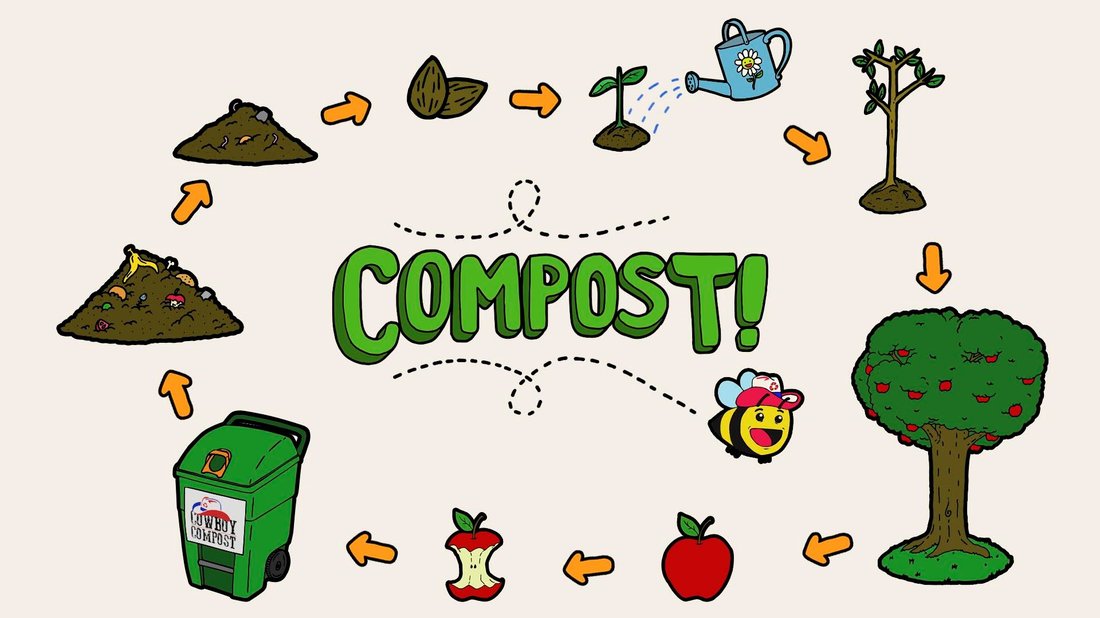
Composting is the natural process of breaking down organic materials, like food scraps and yard waste, into a rich, soil-like substance called compost. Microorganisms, worms, and other decomposers work together to accelerate decomposition, turning waste into a valuable fertilizer. For beginners, composting at home means diverting up to 30% of household waste from landfills, where it would otherwise produce methane—a potent greenhouse gas.
The benefits of home composting are numerous. It improves soil health by adding essential nutrients like nitrogen, phosphorus, and potassium. Compost enhances soil structure, retains moisture, and suppresses plant diseases, leading to healthier gardens and reduced need for chemical fertilizers. Environmentally, it cuts down on waste hauling, lowers your carbon footprint, and supports biodiversity. Financially, it’s free fertilizer that can save you money on store-bought soil amendments. Even if you don’t have a garden, compost makes excellent mulch or can be donated to community gardens.
Choosing the Right Composting Method for Beginners
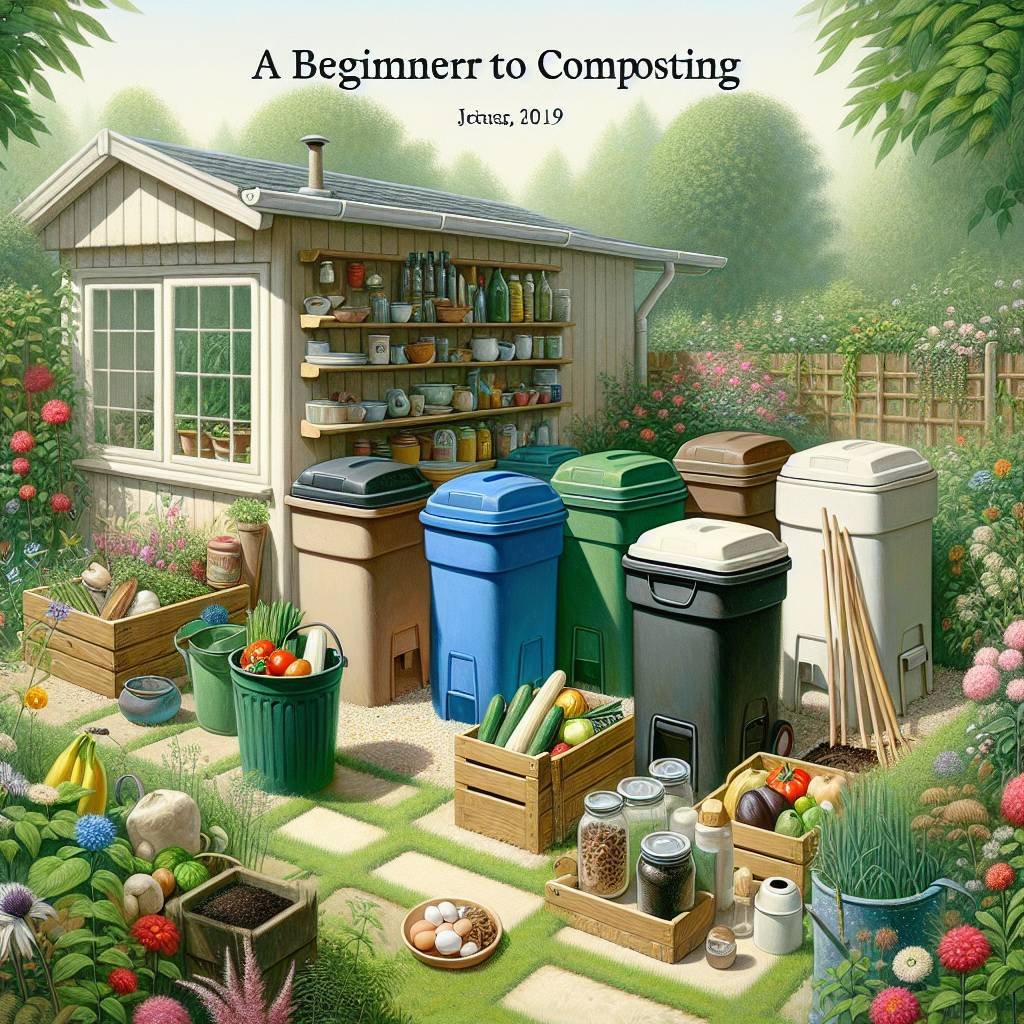
There are several beginner-friendly composting methods, each suited to different spaces and lifestyles. The most popular for newcomers is the backyard compost bin, which is affordable and low-maintenance. Options include store-bought plastic bins, DIY wooden pallets, or tumblers that rotate for faster decomposition.
For small yards or apartments, a vermicomposting system (worm bin) is ideal. Red wiggler worms devour scraps quickly, producing compost (worm castings) in weeks. Tumbler composters are great for urban dwellers—they’re enclosed, pest-resistant, and easy to turn. If you have ample space, a simple open pile works, but bins are better for containing smells and animals.
Consider your climate: In hot, dry areas, choose shaded, enclosed systems to retain moisture. In cold regions, insulate bins or move them indoors during winter. Start small—a 3x3x3-foot pile or a 55-gallon bin is perfect for most households generating 1-2 pounds of scraps daily.
Gathering Materials: Greens, Browns, and the Perfect Balance
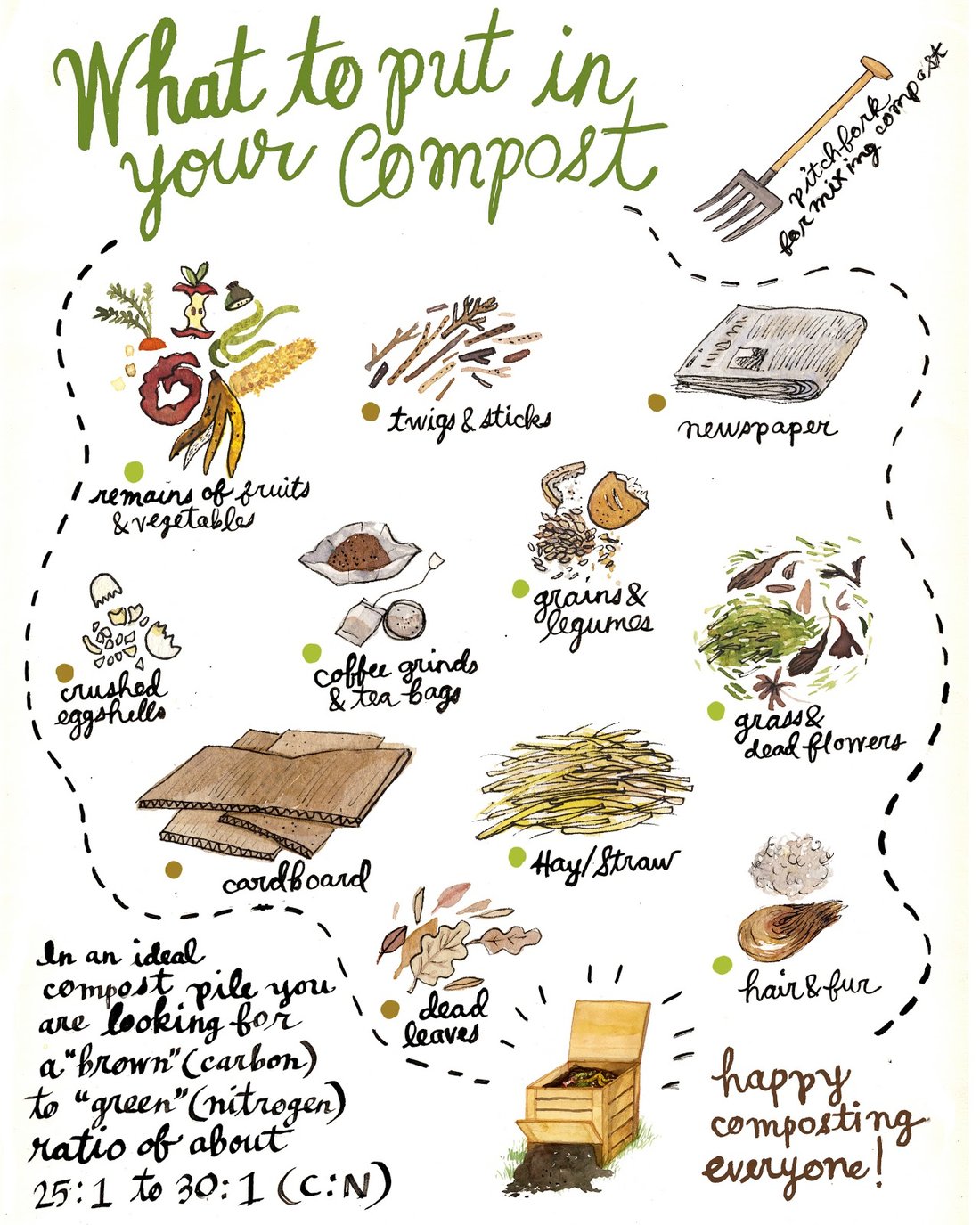
Successful composting relies on a mix of “greens” (nitrogen-rich, moist materials) and “browns” (carbon-rich, dry materials) in a 3:1 ratio by volume. Greens provide protein for microbes; browns supply energy and absorb excess moisture.
Greens to compost: Vegetable peels, fruit scraps, coffee grounds, tea bags, fresh grass clippings, and plant trimmings. These are your kitchen heroes—avoid meat, dairy, oils, or cooked foods to prevent pests and odors.
Browns to compost: Dry leaves, cardboard, newspaper (shredded), straw, pine needles, and eggshells (crushed). Chop or shred large pieces to speed up breakdown.
What NOT to compost: Meat, fish, bones, dairy, oily foods, pet waste, diseased plants, weeds with seeds, or treated wood. These attract rodents, create smells, or introduce pathogens. For SEO tip: Always check local guidelines for home composting dos and don’ts to ensure compliance.
Step-by-Step Guide to Setting Up Your Compost Bin
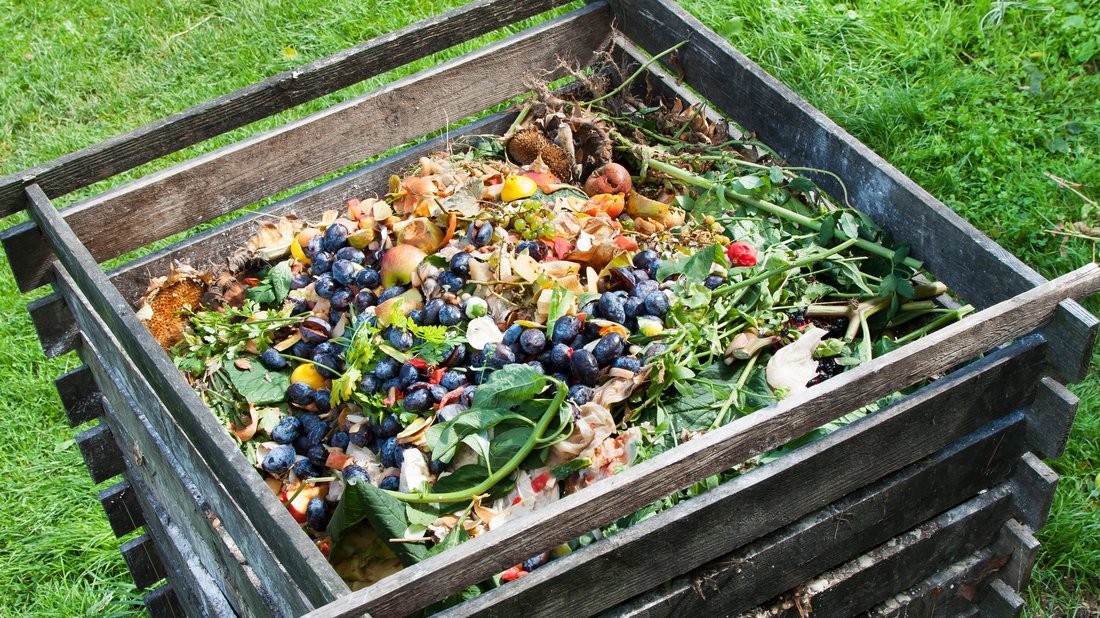
1. Select and prepare the location: Choose a shady, well-drained spot near your kitchen and garden, on level ground. Drill aeration holes in plastic bins if needed.
2. Build the base: Layer 4-6 inches of coarse browns (twigs, straw) for airflow and drainage.
3. Add initial layers: Alternate greens and browns, starting with browns. Moisten like a wrung-out sponge—damp, not soggy.
4. Maintain the pile: Turn weekly with a pitchfork to introduce oxygen, speeding decomposition to 2-3 months. Chop additions for faster results. Monitor temperature (hot in center = good) and moisture.
5. Harvest compost: When it’s dark, crumbly, and earthy-smelling (no scraps visible), sift out unfinished bits and use it!
For vermicomposting: Set up a shallow bin with bedding (shredded paper), add 1 pound of worms per pound of weekly scraps, and bury food under cover. Harvest castings every 3-6 months.
Tips for Maintaining Your Home Compost System
Keep it thriving with these pro tips. Aerate regularly—oxygen prevents anaerobic smells. Balance moisture; add water if dry, browns if wet. In winter, insulate or hot compost (larger piles generate heat). Speed up with activators like manure or compost starters, though natural methods work fine.
Troubleshoot common issues: Smelly pile? Add browns and turn. Too slow? More greens/nitrogen. Pests? Bury food deeply, secure lids. Flies? Cover with browns. With patience, your beginner’s composting setup will hum along effortlessly.
Using Your Finished Compost: Applications and Ideas
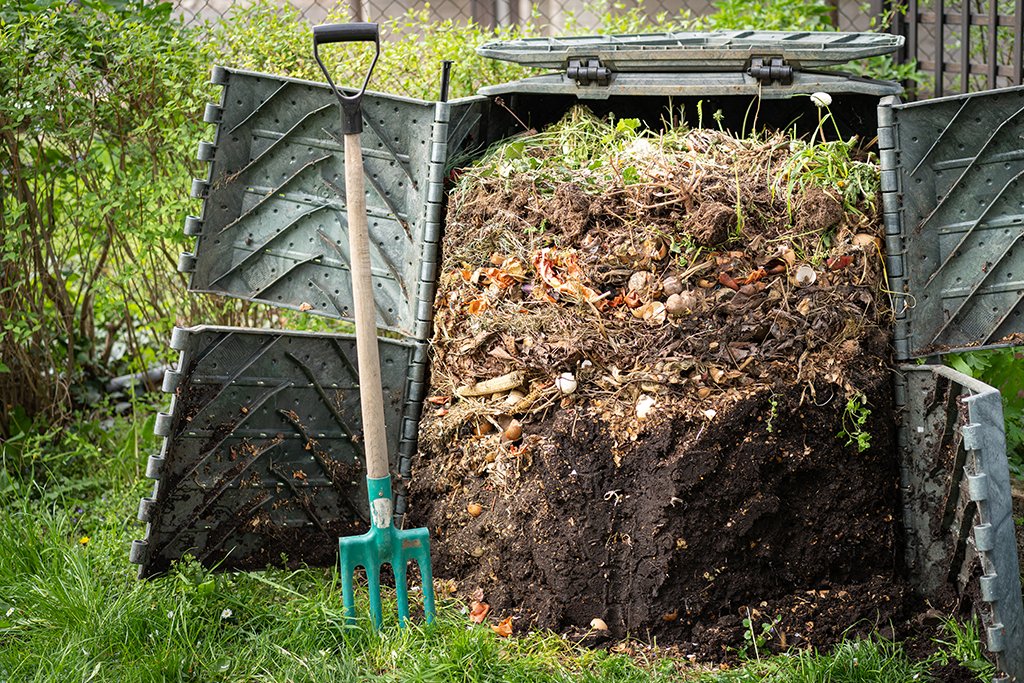
Ready-to-use compost is versatile. Mix 2-4 inches into garden beds before planting. Top-dress lawns for thicker grass. Create potting mix (1/3 compost, 1/3 soil, 1/3 sand). Mulch trees/shrubs to retain moisture and deter weeds. For houseplants, a light sprinkle boosts growth. Share excess with neighbors or local farms—it’s a community win.
Advanced users can make compost tea: Steep compost in water for liquid fertilizer. Experiment with bokashi (fermented composting) for trickier scraps indoors.
Common Mistakes Beginners Make and How to Avoid Them
Avoid overloading with greens, leading to slime—always balance. Don’t neglect turning; stagnant piles rot. Skipping browns? Ammonia smells ensue. Start slow to learn your pile’s needs. Myth-bust: Composting doesn’t attract rats if managed right; proper food burial works wonders.
Cost? Minimal—bins from $20-100, or free DIY. Time? 10-15 minutes weekly. Space? Even balconies suffice.
The Environmental and Long-Term Impact of Home Composting
Beyond your yard, home composting reduces landfill methane by 20-50 million tons annually if widely adopted (EPA stats). It sequesters carbon in soil, combats climate change, and promotes regenerative agriculture. Track your impact: Apps like Joule or CompostNow log diversions.
Join the movement—many cities offer free bins/workshops. Certifications like Master Composter programs deepen knowledge.
Conclusion: Start Your Composting Journey Today
Composting at home is rewarding, easy, and transformative. With this beginner’s guide to composting, you’re equipped to begin. Gather materials, set up your bin, and watch waste become wealth. Small actions like this build big change. Happy composting—your soil (and planet) will thank you!
(Word count: 1,248)