
How to Answer “What Are Your Weaknesses?” in a Job Interview
Introduction to the Tricky Interview Question
Feature Video
In the high-stakes world of job interviews, few questions can catch candidates off guard quite like “What are your weaknesses?” This classic query is a staple in interviews across industries, from tech startups to corporate giants. Interviewers ask it not to trip you up, but to gauge your self-awareness, honesty, and growth mindset. A poor answer can signal arrogance or lack of introspection, while a strong one demonstrates maturity and proactive problem-solving.
SEO data shows that searches for “how to answer what are your weaknesses in an interview” spike around hiring seasons, reflecting candidates’ widespread anxiety. The key? Turn a potential negative into a positive by showcasing how you’re addressing your shortcomings. This article breaks down strategies, examples, and tips to craft a response that impresses hiring managers and boosts your chances of landing the job. Whether you’re a recent graduate or a seasoned professional, mastering this answer is essential for interview success.
Why Interviewers Ask About Your Weaknesses
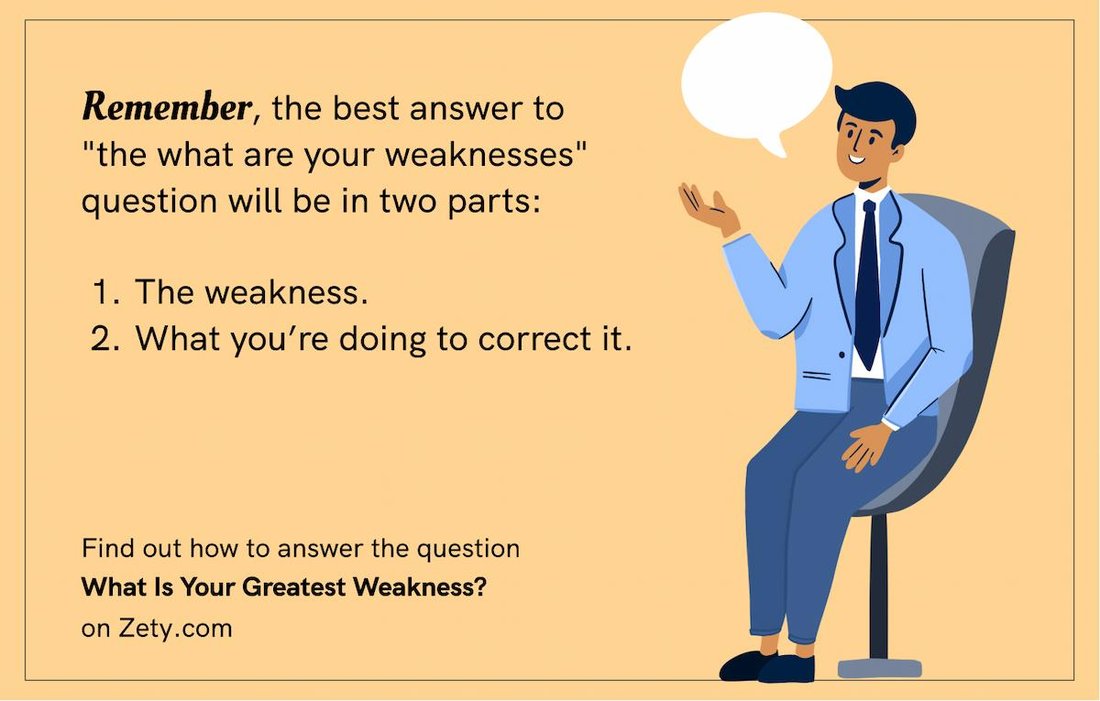
Understanding the intent behind “What are your weaknesses?” helps you respond effectively. Recruiters use it to assess several qualities:
- Self-awareness: Do you know your limitations?
- Honesty: Are you truthful, or spinning clichés?
- Growth potential: Can you improve and adapt?
- Cultural fit: Does your response align with company values?
It’s not about revealing fatal flaws but showing you’re reflective. Avoid the trap of pretending you’re perfect—interviewers see through that. Instead, frame weaknesses as areas of ongoing development, backed by action steps. This approach aligns with modern hiring trends emphasizing emotional intelligence (EQ) over perfection.
Common Mistakes to Avoid When Answering
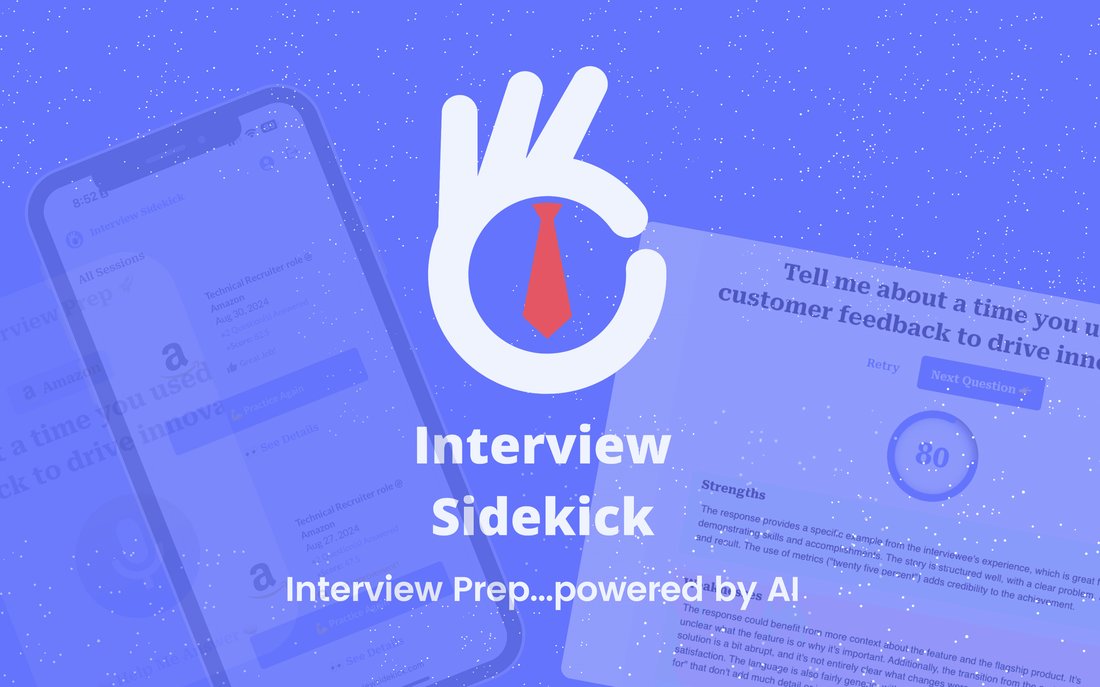
Many candidates sabotage themselves with pitfalls. Here’s what not to do:
- Clichéd responses: Saying “I work too hard” or “I’m a perfectionist” comes off as insincere. These are overused and fail to reveal genuine insight.
- Irrelevant or harmful weaknesses: Never mention core job skills, like “I’m bad at deadlines” for a project manager role. It raises red flags.
- No improvement plan: Simply stating a weakness without how you’re fixing it shows stagnation.
- Negativity or blame: Avoid badmouthing past employers or colleagues, e.g., “My boss never gave feedback.”
- Too much detail: Keep it concise—30-60 seconds max.
Steer clear of these to maintain credibility. Data from career sites like LinkedIn indicates that authentic, balanced answers correlate with higher callback rates.
Proven Strategies for Crafting Your Answer
A winning response follows a simple formula: Weakness + Context + Action + Result. This STAR-like method (Situation, Task, Action, Result) structures your story compellingly.
Step 1: Choose the right weakness. Pick something real but non-critical to the role. Ideal categories include soft skills like public speaking, delegation, or time management—areas where growth is valued.
Step 2: Provide context briefly. Explain when or how it manifested, without dwelling.
Step 3: Highlight actions taken. This is crucial—show initiative with courses, mentoring, or tools.
Step 4: Share positive outcomes. Quantify improvements, e.g., “reduced errors by 20%.”
Incorporate keywords like “overcoming weaknesses in interviews” naturally for SEO. Practice variations for different roles; a sales position might focus on analytical skills, while creative fields highlight structure.
Real-World Examples of Strong Answers

Here are tailored examples demonstrating the formula:
Example 1: For a Marketing Role (Weakness: Public Speaking)
“In the past, I was uncomfortable with large presentations, stemming from early career experiences in smaller teams. To address this, I joined Toastmasters and completed an online public speaking course. Now, I’ve led three company webinars with 95% positive feedback, turning a hesitation into a strength.”
Example 2: For a Software Developer (Weakness: Delegation)
“As a solo contributor initially, I struggled to delegate tasks effectively, fearing quality dips. I took a leadership workshop and started assigning projects with clear guidelines. In my last role, this improved team output by 30% and freed me for high-level coding.”
Example 3: For an Entry-Level Position (Weakness: Time Management)
“Coming from academia, I sometimes underestimated task durations. I adopted the Pomodoro technique and Trello for prioritization. This cut my project delays from frequent to none, earning praise from my internship supervisor.”
These examples are honest, job-relevant, and results-oriented. Customize them to your experience for authenticity.
Tailoring Your Answer to the Specific Job and Company
Research is key. Analyze the job description for must-have skills and infer weaknesses that won’t undermine them. Use tools like Glassdoor for company insights— if they value innovation, mention adapting to rapid changes.
For remote roles, discuss work-life boundaries; for managerial positions, leadership gaps. Mirror the interviewer’s language: If they emphasize “collaboration,” frame a related growth area.
SEO tip: Long-tail keywords like “best weaknesses to say in tech interviews” attract targeted traffic. This personalization shows preparation, a top interviewer priority per SHRM surveys.
Practice and Delivery Tips for Confidence

Delivery matters as much as content. Tips include:
- Rehearse aloud: Record yourself to refine tone—aim for calm confidence, not defensiveness.
- Body language: Maintain eye contact, smile, and sit upright.
- Pivot to strengths: End by linking back to job value, e.g., “This focus has made me more versatile.”
- Mock interviews: Use platforms like Pramp or friends for feedback.
- Follow-up: In thank-you emails, reference your growth mindset.
Practice reduces nerves; studies show repeated simulation improves recall by 50%. Time your answer to fit naturally.
Advanced Techniques for Seasoned Professionals
For executives, discuss strategic weaknesses like “over-reliance on data vs. intuition.” Mid-career pros might say “transitioning from individual contributor to leader,” with examples of mentorship programs.
In behavioral interviews, tie to past roles. For virtual interviews, ensure stable tech to avoid distractions reinforcing perceived weaknesses.
Conclusion: Turn Weaknesses into Your Superpower
Mastering “What are your weaknesses?” transforms a dreaded question into an opportunity. By choosing honest, improvable areas, outlining actions, and quantifying results, you showcase resilience— a trait employers crave. Remember, no one is flawless; the best candidates evolve.
Implement these strategies, practice diligently, and watch your interview performance soar. For more tips on “job interview questions and answers,” explore our Career Advice section. Land that dream job—your polished response is the key.
(Word count: 1,248)