
The Essential Guide to Composting for a Greener Garden
Imagine transforming your kitchen scraps and yard waste into nutrient-rich “black gold” that supercharges your garden’s growth. That’s the magic of composting—a simple, eco-friendly practice that’s revolutionizing home gardening worldwide. In this essential guide to composting for a greener garden, we’ll dive deep into everything you need to know to get started, from the basics of the process to advanced tips for success. Whether you’re a novice gardener or a seasoned green thumb, mastering composting can reduce waste, enrich soil, and promote sustainability right in your backyard.
With landfills overflowing and climate change demanding action, composting has never been more relevant. According to the EPA, organic waste makes up about 30% of household trash, much of which could be diverted through composting. By adopting this practice, you not only cut down on methane emissions from decomposing waste but also create a free, natural fertilizer. This comprehensive composting guide will equip you with actionable steps, troubleshooting advice, and SEO-optimized insights to make your garden thrive sustainably.
What is Composting and How Does It Work?
Feature Video
Composting is the natural process of breaking down organic materials into a humus-rich soil amendment through decomposition. Microorganisms, insects, and worms work together in a controlled environment to transform “greens” (nitrogen-rich materials like vegetable peels) and “browns” (carbon-rich materials like leaves) into finished compost.
The science behind composting is fascinating. Aerobic bacteria thrive in oxygen-rich piles, generating heat up to 160°F, which kills pathogens and weed seeds. As the pile cools, fungi and earthworms finish the job, creating a dark, crumbly material teeming with beneficial microbes. This cycle mimics nature’s own recycling system found in forests and fields, making it an ideal way to close the loop in your garden ecosystem.
Understanding the carbon-to-nitrogen (C:N) ratio is key—aim for 30:1. Too much green, and your pile becomes smelly; too much brown, and decomposition slows. Regular turning ensures oxygen flow, speeding up the process to 2-6 months for usable compost.
The Top Benefits of Composting for a Greener Garden
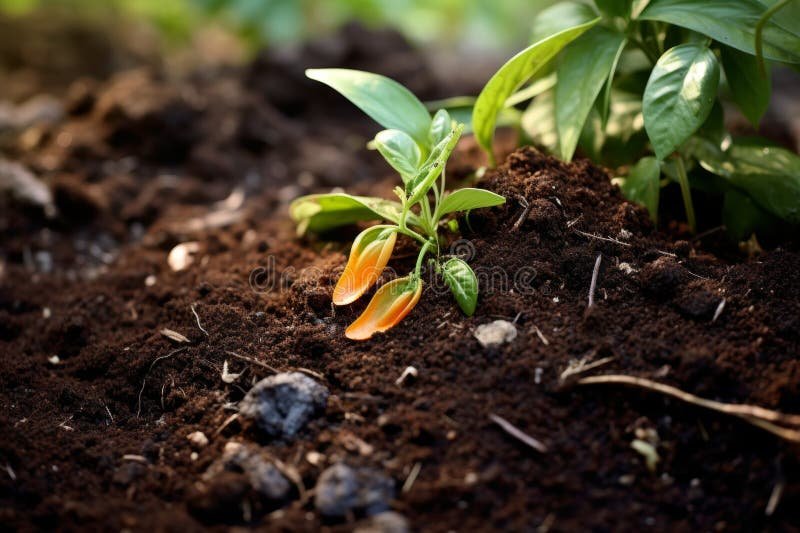
Why bother with composting? The benefits are manifold, starting with superior soil health. Compost improves soil structure, enhancing water retention by up to 20% while preventing erosion. It boosts microbial activity, which naturally suppresses plant diseases and pests, reducing the need for chemical fertilizers and pesticides.
Environmentally, backyard composting diverts waste from landfills, cutting greenhouse gas emissions. A single household can compost a ton of material yearly, equivalent to removing a car from the road for a month in terms of CO2 savings. Economically, it slashes gardening costs—store-bought compost runs $5-10 per bag, while homemade is free.
For your garden, compost acts as a slow-release nutrient source, balancing pH and providing essential elements like nitrogen, phosphorus, and potassium. Plants grown in compost-amended soil yield up to 30% more produce with better flavor and nutrition. It’s a win for biodiversity too, attracting pollinators and beneficial insects to your greener garden.
Essential Materials: Greens, Browns, and What to Avoid
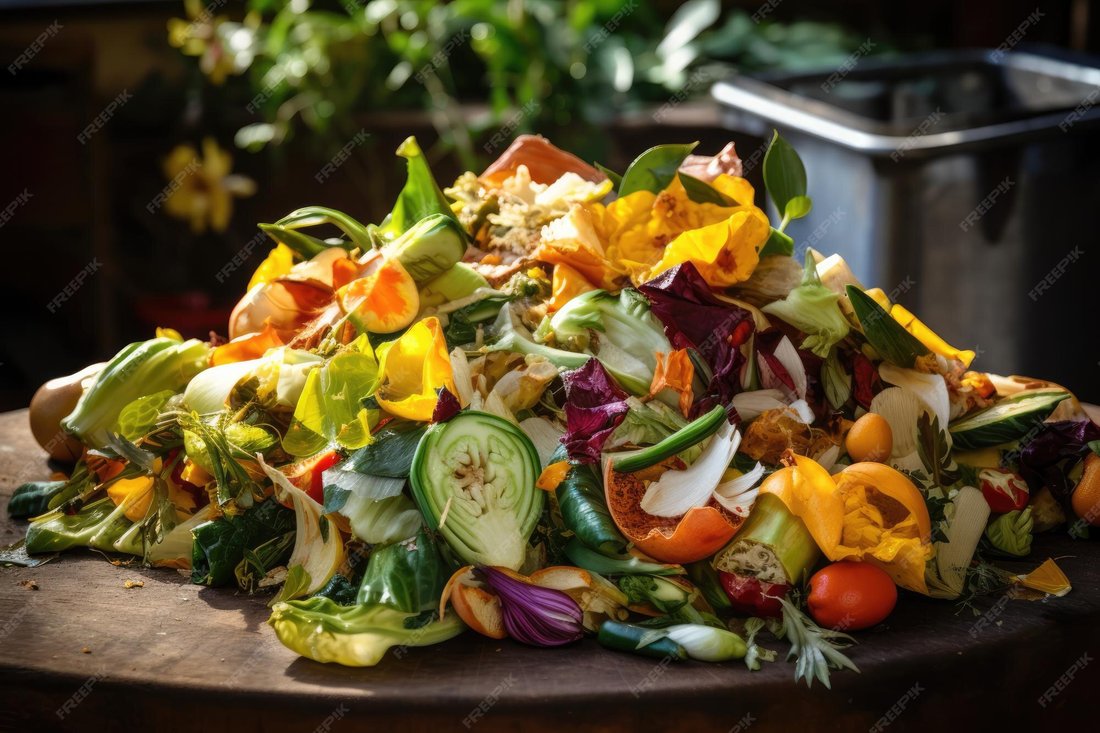
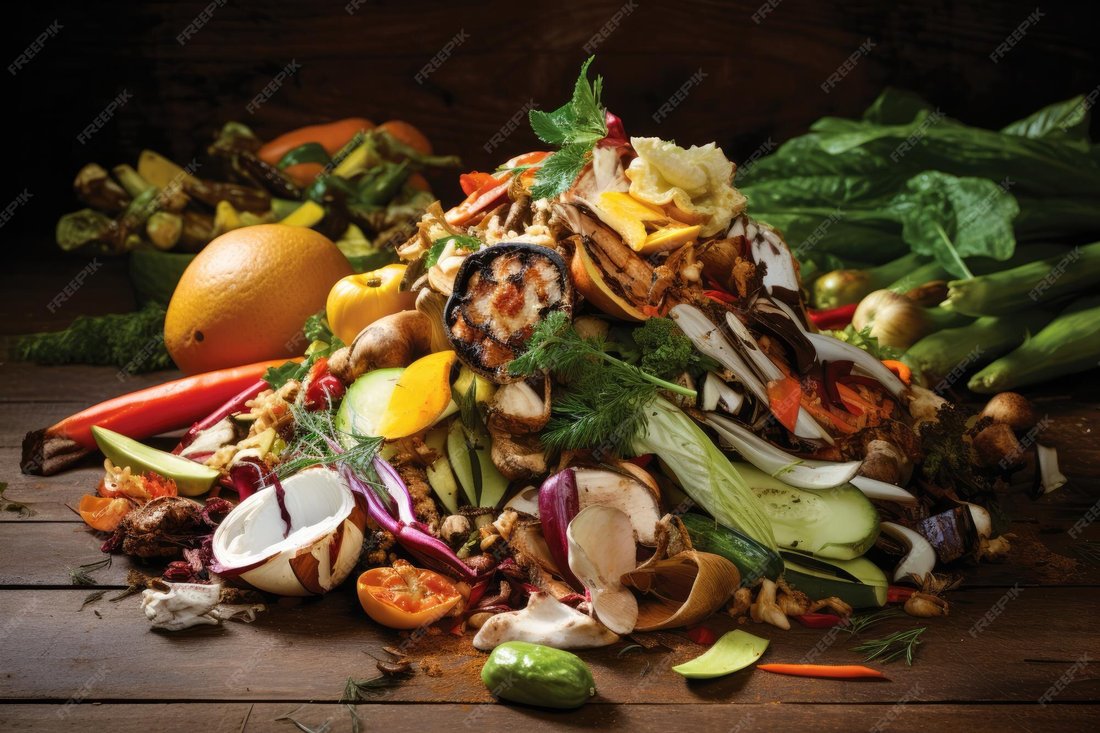
Building a successful compost starts with the right ingredients. Greens include fruit and vegetable scraps, grass clippings, coffee grounds, and manure from herbivores—these supply nitrogen for microbial growth. Browns counterbalance with carbon: dry leaves, cardboard, straw, sawdust, and shredded paper.
Layer materials like a lasagna: 2-3 parts browns to 1 part greens. Chop or shred larger items to speed breakdown. Water the pile to the consistency of a wrung-out sponge—moisture is crucial for decomposition.
Avoid meat, dairy, oils, pet waste, diseased plants, and weeds with seeds, as they attract pests, harbor pathogens, or don’t break down properly. No citrus or onions in excess either, due to their antimicrobial properties. With these guidelines, your compost guide ensures a clean, odor-free pile.
Step-by-Step Guide to Starting Your Compost Pile
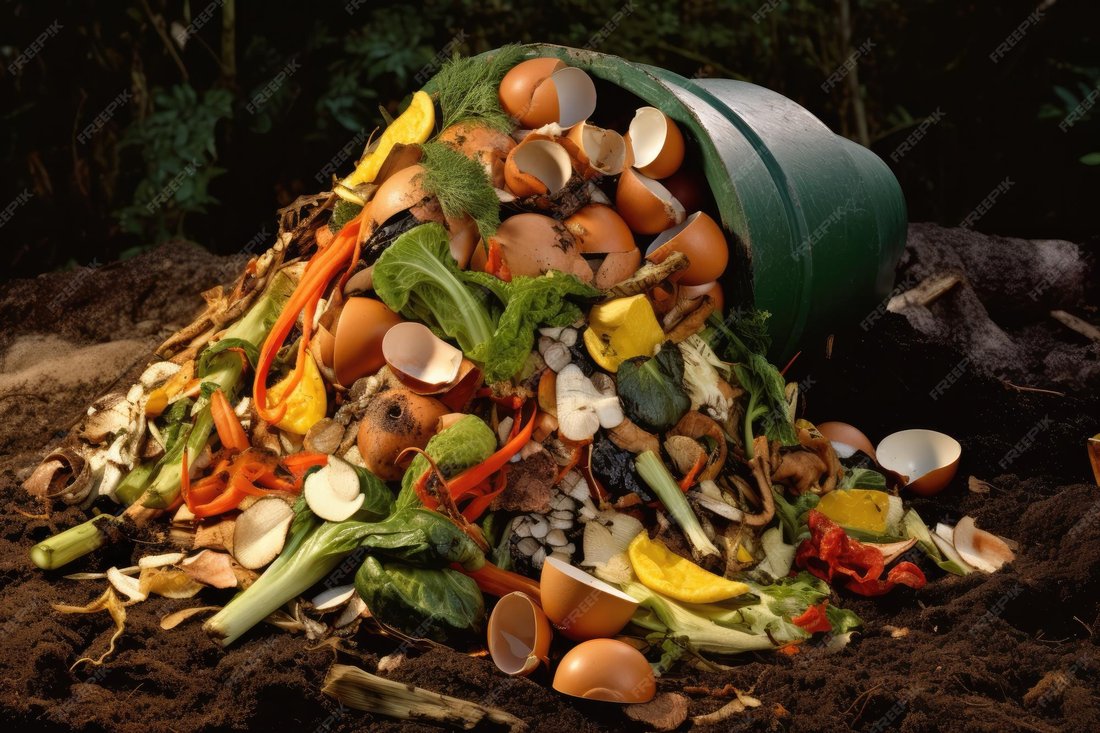
Ready to begin? Select a shady, well-drained spot at least 3 feet from structures. For a basic pile, mark a 3x3x3-foot area. If space is limited, invest in a compost bin ($30-100) for containment and aesthetics.
Step 1: Lay a 4-inch base of coarse browns like twigs for aeration. Step 2: Add greens and browns in layers, moistening each. Step 3: Cover with a tarp to retain heat and moisture. Step 4: Turn the pile weekly with a pitchfork, mixing thoroughly.
Monitor temperature—hot in the center means it’s working. In 4-8 weeks, the material darkens and smells earthy. Sift out unfinished bits to re-compost. Harvest and apply! This beginner-friendly composting tutorial yields results fast.
Popular Composting Methods for Every Space
Not all gardens are alike, so choose your method wisely. Backyard piles suit large yards; tumblers ($50-200) rotate easily for urban dwellers. Worm composting (vermicomposting) uses red wigglers in a bin under the sink—perfect for apartments, producing compost tea too.
Bokashi fermentation ferments scraps in a sealed bucket with bran, ideal for indoors. Trench composting buries waste directly in garden beds for lazy gardeners. Electric composters speed things up with heat and grinders but cost more ($300+). Match your method to lifestyle for sustainable success.
Common Composting Mistakes and Troubleshooting Tips
Pitfalls abound for newbies. A smelly pile? Too wet or nitrogen-heavy—add browns and turn. Slow decomposition? Improve aeration and balance ratios. Pests? Bury food scraps deeper and secure the bin.
Overly dry? Water more. Ants or flies? Avoid sugary wastes. If ammonia odors persist, dilute with carbon. Regular maintenance prevents 90% of issues. Learn from these composting mistakes to keep your operation humming.
Advanced Tips for Maintaining Healthy Compost

Boost efficiency with activators like finished compost or manure. In winter, insulate piles. Summer? Shade and water. Test readiness by forming a ball—it should hold without dripping.
Incorporate diversity: eggshells for calcium, hair for nitrogen. Track progress with a compost thermometer. These pro tips elevate your composting guide from basic to expert.
How to Use Compost in Your Greener Garden

Apply 2-4 inches as topdressing around plants, or mix into soil at 20-30% volume for pots. Use as mulch to suppress weeds and retain moisture. Compost tea (steeped in water) is a foliar feed powerhouse.
For lawns, aerate and topdress. Seed starting mix? Blend 1:1:1 compost, peat, and vermiculite. Transform your garden effortlessly.
In conclusion, composting is the cornerstone of a greener garden—simple, rewarding, and planet-saving. Start small, stay consistent, and watch your soil and plants flourish. Share your composting journey and inspire others toward sustainability. Your greener garden awaits!