
A Parent’s Guide to Managing Children’s Screen Time Effectively
Introduction to Managing Children’s Screen Time
Feature Video
In today’s digital age, screens are everywhere—from smartphones and tablets to TVs and computers. For parents, managing children’s screen time effectively has become a crucial aspect of child-rearing. The American Academy of Pediatrics (AAP) recommends no more than 1-2 hours of recreational screen time per day for children over 2 years old, with none for those under 18 months except for video chatting. Yet, studies show the average child spends over 7 hours a day on screens, contributing to issues like obesity, sleep disturbances, and reduced attention spans. This guide equips parents with practical strategies to balance technology’s benefits, such as educational apps, with its risks. By implementing effective screen time management, you can foster healthier habits, improve family dynamics, and support your child’s overall development.
Understanding the Effects of Excessive Screen Time

Excessive screen time isn’t just about “too much TV.” It impacts physical, mental, and social health. Physically, prolonged sitting leads to sedentary lifestyles, increasing risks of childhood obesity—according to the CDC, screen time correlates with higher BMI in kids. Mentally, blue light from screens disrupts melatonin production, causing sleep issues; a study in Pediatrics found children with more than 2 hours of screen time before bed take longer to fall asleep.
Cognitively, heavy use can impair attention and language development, especially in toddlers. The Journal of Pediatrics reports that high screen exposure before age 2 predicts poorer expressive language skills. Socially, it may hinder face-to-face interactions, leading to isolation. However, screens aren’t all bad—quality content like interactive learning apps boosts vocabulary and problem-solving. The key is moderation: differentiate between passive consumption (e.g., YouTube videos) and active engagement (e.g., coding games). Parents must recognize signs of overuse, like irritability when devices are removed or declining grades, to intervene early.
Age-Appropriate Screen Time Guidelines
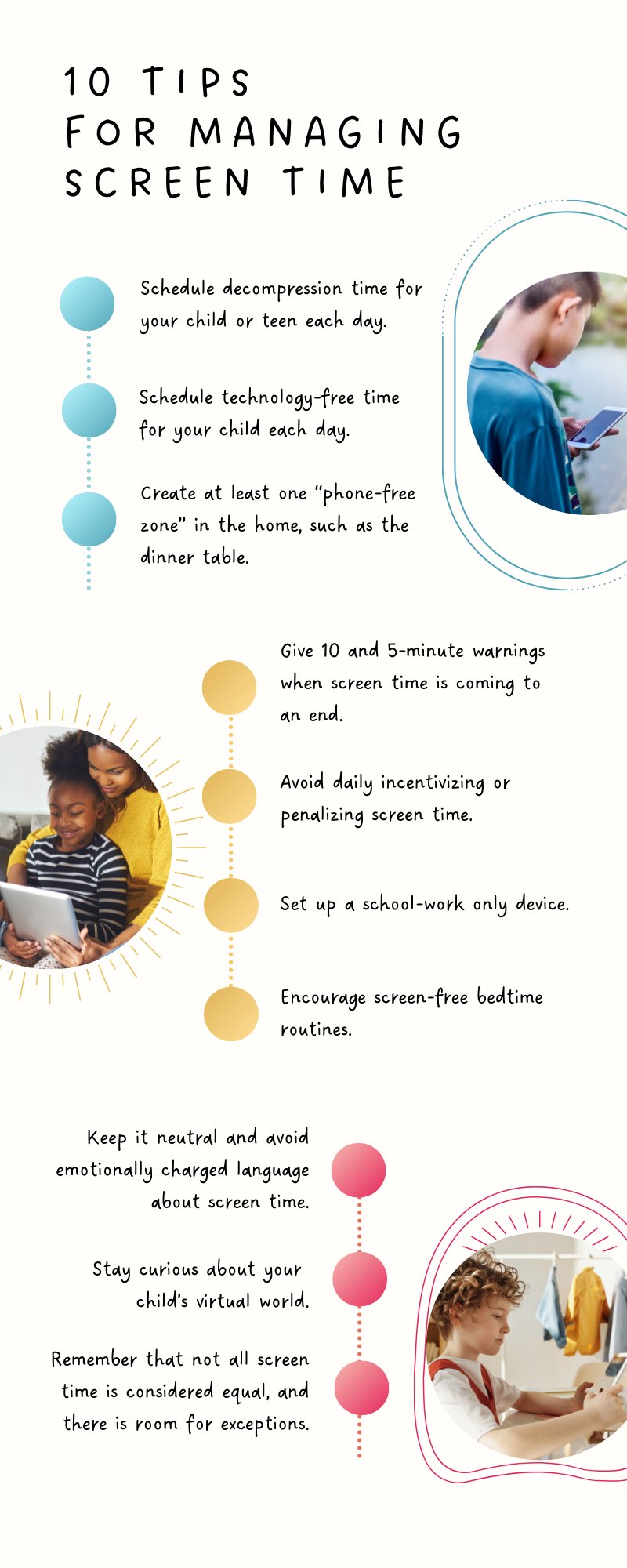
Tailoring screen limits by age ensures appropriateness. For infants under 18 months, avoid screens entirely except live video calls with family. Between 18-24 months, introduce high-quality programs with parental co-viewing. Toddlers (2-5 years) should cap at 1 hour daily of educational content. School-age kids (5-12) get 1-2 hours recreationally, prioritizing homework first. Teens (13+) need consistent limits, around 2 hours outside schoolwork, focusing on balanced media diets.
These align with WHO and AAP guidelines, emphasizing content quality over quantity. Use tools like Common Sense Media for age ratings. Customize based on your child’s needs—if they have ADHD, shorter bursts may help. Track baseline usage with device reports to set realistic goals, gradually reducing if over limits.
Creating a Family Screen Time Plan

A structured plan is foundational for effective management. Start with a family media agreement: discuss rules together, like no screens during meals or an hour before bed. Designate screen-free zones (bedrooms, dining areas) and times (family game nights). Create schedules using visual charts for young kids—e.g., 30 minutes post-homework.
Incorporate timers: apps like Screen Time (iOS) or Digital Wellbeing (Android) enforce limits automatically. Reward compliance with non-screen privileges, like park outings. Model behavior—parents averaging 4 hours daily undermine rules. Review weekly: adjust based on progress, celebrating wins to build buy-in.
Best Tools and Apps for Screen Time Monitoring
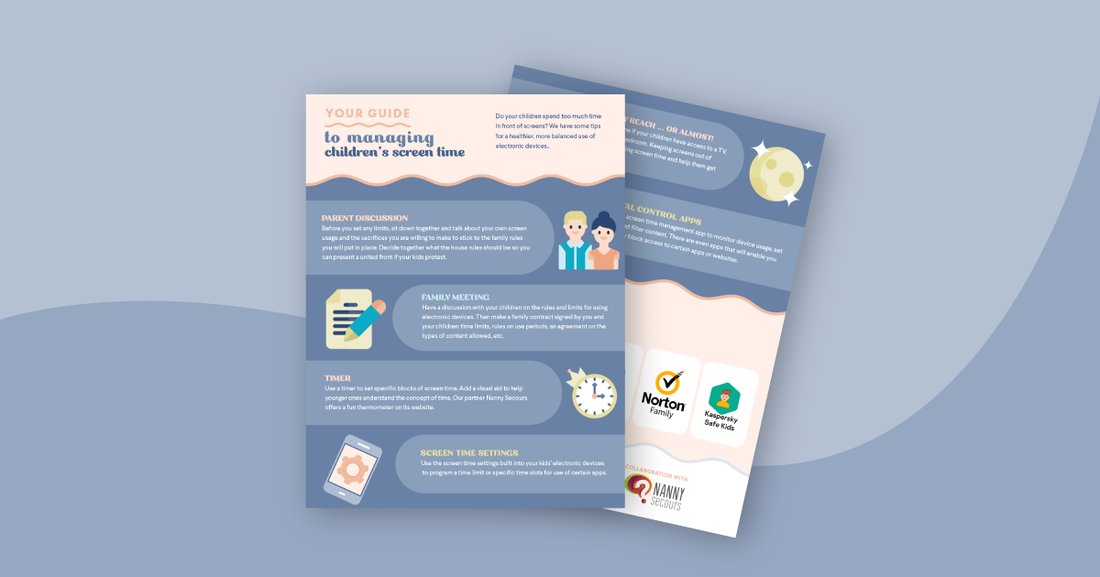
Leverage technology to manage it. Apple’s Screen Time provides detailed reports, downtime scheduling, and app limits. Google’s Family Link offers remote approvals and usage insights for Android users. Qustodio and Bark monitor multiple devices, alerting on excessive use or risky content.
For TVs, Roku or Fire TV parental controls block channels. Routers like Circle or Gryphon track home-wide usage. Free options include OurPact for iOS cross-device management. Choose based on ecosystem—integrate with calendars for seamless enforcement. Always explain monitoring fosters trust, not spying.
Promoting Screen-Free Alternatives

Reducing screens means replacing them. Encourage physical activity: aim for 60 minutes daily via sports, biking, or family hikes. The WHO links active play to better mental health. Foster creativity with arts, crafts, or building sets—LEGO boosts spatial skills sans screens.
Reading is gold: libraries or Kindle alternatives build vocabulary. Board games and puzzles enhance social skills. Outdoor time regulates circadian rhythms, improving sleep. Enroll in classes like music or martial arts. Track “tech-free” achievements with stickers, turning alternatives into fun habits.
Handling Resistance and Building Healthy Habits

Kids resist change—expect tantrums. Stay firm yet empathetic: validate feelings (“I know it’s hard”) before enforcing. Use “first-then” statements: “First homework, then 20 minutes of gaming.” Avoid screens as babysitters; boredom sparks imagination.
For teens, negotiate privileges for responsibility. Address addiction signs (withdrawal, secrecy) via professional help if needed. Consistency is key—mixed messages confuse. Long-term, teach self-regulation: discuss media literacy to discern quality content.
Monitoring Progress and Adjusting Strategies
Success requires tracking. Use journals or apps to log daily usage, mood, and sleep. Monthly reviews assess improvements—like better focus or family bonding. If goals slip, tweak: shorten limits or add incentives.
Stay informed: follow AAP updates or apps like Today’s Parent. Parental self-care matters—your stress affects enforcement. Celebrate milestones, like a screen-free week, with special outings.
Conclusion: Empowering Your Family’s Digital Wellness
Managing children’s screen time effectively transforms potential pitfalls into opportunities for growth. By understanding impacts, setting guidelines, using tools, and promoting alternatives, parents create balanced digital lives. It’s not about elimination but intentional use. Start small today—craft your family plan and watch relationships strengthen, health improve, and kids thrive. Your proactive approach lays the foundation for lifelong healthy tech habits.
(Word count: 1218)