
The Secret to a Clutter-Free Home Using the One-In-One-Out Rule
Introduction to a Clutter-Free Home
Feature Video
Imagine walking into your home after a long day, greeted not by piles of miscellaneous items but by serene, organized spaces that inspire calm and productivity. Achieving a clutter-free home isn’t about drastic overhauls or expensive storage solutions—it’s about adopting simple, sustainable habits. Enter the one-in-one-out rule, a game-changing decluttering strategy that’s transforming households worldwide. This rule promises to keep your living spaces tidy effortlessly, preventing the accumulation of unnecessary possessions that weigh down your life.
In today’s fast-paced world, consumerism bombards us with temptations to buy more. Clothes, gadgets, kitchen tools—they pile up, creating stress and chaos. Studies from organizations like the National Association of Productivity & Organizing Professionals (NAPO) show that clutter contributes to higher cortisol levels, anxiety, and reduced focus. The one-in-one-out rule counters this by enforcing balance: for every new item you bring in, one must go out. It’s straightforward, intuitive, and incredibly effective for maintaining a clutter-free home long-term.
SEO enthusiasts and home organization bloggers rave about its simplicity, making it a top search term for those seeking “declutter home tips.” Whether you’re a busy parent, remote worker, or minimalist aspirant, this rule adapts to any lifestyle. In this comprehensive guide, we’ll dive deep into how to implement it, its benefits, room-specific applications, and pro tips to ensure lasting success. By the end, you’ll have the secret to a perpetually tidy home.
What is the One-In-One-Out Rule?

At its core, the one-in-one-out rule is a personal inventory management system for your home. Popularized by style icons like Oprah Winfrey and organization experts such as Marie Kondo, it dictates that whenever you acquire something new—be it a shirt, book, or blender—you must remove an existing item of the same category. This prevents net gain in possessions, keeping your home’s “stuff quotient” stable or even reduced over time.
The rule isn’t about deprivation; it’s about mindful consumption. For instance, if you buy a new pair of jeans, donate or sell an old pair. This creates a natural rotation, ensuring only items you truly love and use remain. Unlike one-time purges, which often lead to rebound clutter, this method embeds decluttering into your routine, making it sustainable.
Variations exist: some apply it strictly to like-for-like items (clothes for clothes), while others use a looser “one-in-one-out-anything” approach for overall volume control. Data from decluttering apps like Clutterfree shows users following this rule reduce household items by 20-30% within six months, proving its efficacy for a clutter-free home.
The Psychological and Practical Benefits of the Rule
Why does the one-in-one-out rule work so well? Psychologically, it leverages the endowment effect—our tendency to overvalue owned items—by forcing deliberate decisions. Each “out” item prompts reflection: Do I need this? Will it serve me better elsewhere? This builds decision-making muscles, reducing impulse buys and fostering gratitude for what you have.
Practically, it saves time and money. No more hours spent sorting piles; maintenance becomes a 5-minute daily habit. A clutter-free home boosts productivity—Princeton University Neuroscience Institute research links physical disorder to mental distraction. Families report stronger bonds with less stuff competing for attention, and resale platforms like eBay see surges in listings from rule-followers turning clutter into cash.
Environmentally, it’s a win: fewer items mean less waste in landfills. For SEO-driven searches like “benefits of decluttering,” this rule ranks high because it delivers tangible results—more space, less stress, and a lighter carbon footprint—all keys to a harmonious, clutter-free home.
Step-by-Step Guide to Implementing the One-In-One-Out Rule

Starting is simple. First, audit your space: walk room-to-room, noting categories with excess (e.g., too many mugs). Set a baseline—count items if needed. Next, commit publicly: tell friends, join online communities like Reddit’s r/minimalism, or use apps like Sortly for tracking.
Daily practice: When shopping, pause and visualize the “out” item. Use a “holding zone”—a box where new acquisitions sit until the old one departs. Weekly reviews ensure compliance; donate via apps like Donate.ly or sell on Facebook Marketplace. For gifts, apply immediately: regift extras or store thoughtfully.
Scale up gradually—begin with closets, then expand. Track progress with before-after photos. Within weeks, you’ll notice a clutter-free home emerging, with spaces feeling airy and intentional.
Room-by-Room Application for Maximum Impact
Kitchen: The heart of the home often harbors duplicate gadgets. New spatula in? Old one out. Focus on pantry staples—buy olive oil, discard expired. Result: efficient cooking without countertop chaos.
Bedroom Closet: Wardrobe bloat is common. New dress? Donate a seldom-worn top. Seasonal swaps amplify: winter coat in, summer one to storage or sale. Aim for a capsule wardrobe; experts say 33 items suffice for variety.
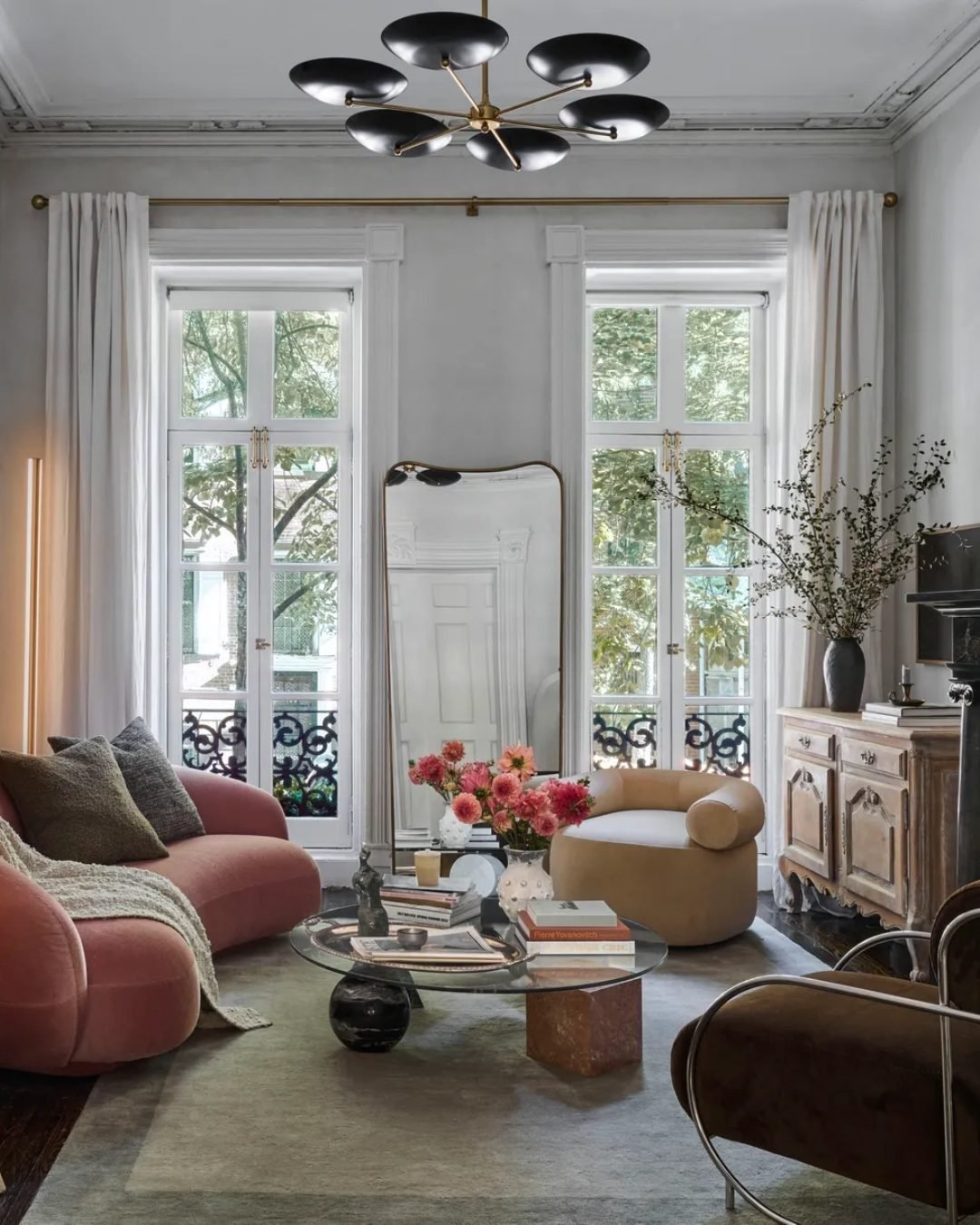
Living Room: Books, remotes, decor accumulate. New throw pillow? Old cushion out. Curate shelves—digital libraries like Kindle reduce physical books. This creates cozy, inviting spaces.
Bathroom: Toiletries explode here. New shampoo? Toss half-empty bottle. Limit to travel-sized extras. Under-sink bins enforce the rule visually.
Home Office: Papers and supplies multiply. New notebook? Shred old notes. Digital tools like Evernote minimize physical items, enhancing focus in your clutter-free home.
Applying room-by-room ensures comprehensive coverage, turning every corner into a model of order.
Tips, Tricks, and Common Mistakes to Avoid
Success boosters: Pair with the 90/90 rule (used in 90 days? Needed in 90 more?). Involve family—make it a game with rewards. Use quality over quantity: invest in durable pieces to minimize turnover.
Pitfalls: Hoarding “maybes”—be ruthless. Ignoring digital clutter, which mirrors physical. Overbuying “deals”—the rule curbs this. Solution: 24-hour waits on purchases.
For SEO gold, integrate with trends like “KonMari method”—the one-in-one-out complements sparking joy. Customize for kids: toy rotation prevents overwhelm.
Conclusion: Embrace the Rule for Lasting Serenity
The one-in-one-out rule isn’t a fad; it’s a lifestyle shift yielding a perpetually clutter-free home. By curbing influx and promoting outflow, it reclaims your space, time, and peace. Start today—pick one category, apply the rule, and watch transformation unfold. Your future self will thank you for this secret to organized bliss.
(Word count: 1217)