
Causes of Hand Tremors in Young Adults and When to See a Specialist
Understanding Hand Tremors in Young Adults
Feature Video
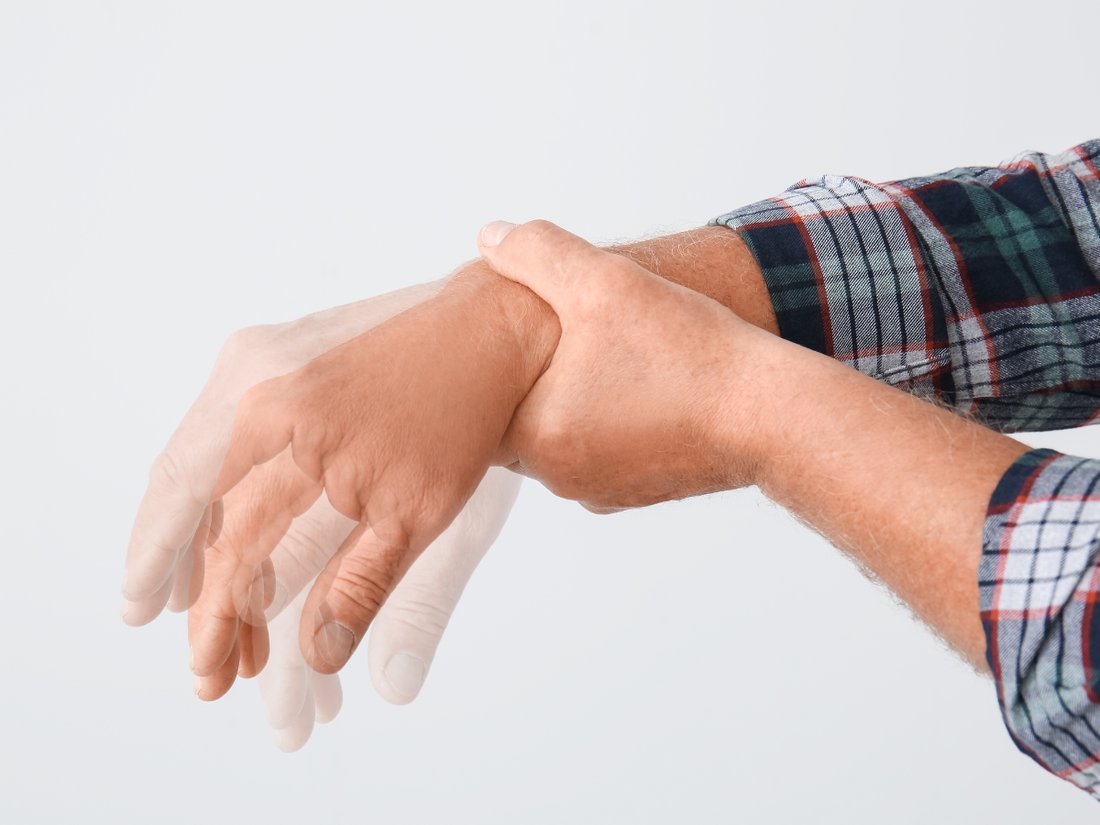
Hand tremors in young adults can be alarming, often sparking concerns about underlying health issues. While tremors are more commonly associated with older populations, they affect millions of younger individuals too. Defined as involuntary, rhythmic muscle contractions causing shaking in the hands, arms, or fingers, hand tremors can range from mild fluttering to pronounced shaking that interferes with daily tasks like writing or eating. In young adults aged 18-40, these tremors are frequently benign but can signal serious conditions. This article explores the primary causes of hand tremors in young adults and outlines when to see a specialist, empowering you with knowledge for informed health decisions. Early recognition is key to effective management.
Common Physiological Causes of Hand Tremors

Many hand tremors in young adults stem from temporary, lifestyle-related factors rather than chronic diseases. These physiological tremors, often called enhanced physiologic tremor, are the most prevalent and typically resolve with lifestyle adjustments.
Stress and Anxiety: High-stress environments, common in young professionals or students, trigger adrenaline surges that amplify natural tremors. A 2022 study in the Journal of Neurology noted that 30% of young adults report tremor exacerbation during anxiety peaks. Symptoms worsen during public speaking or deadlines but subside with relaxation techniques like deep breathing or mindfulness.
Caffeine and Stimulants: Excessive coffee, energy drinks, or nicotine intake heightens tremor risk. Caffeine blocks adenosine receptors, increasing neuronal activity. Young adults consuming over 400mg daily—about four coffees—often experience shaky hands within hours. Switching to decaf or herbal teas can yield quick relief.
Fatigue and Lack of Sleep: Sleep deprivation, rampant among shift workers and gamers, disrupts motor control. Research from the Sleep Medicine Reviews indicates chronic fatigue doubles tremor incidence in those under 30. Prioritizing 7-9 hours of sleep nightly often eliminates these symptoms.
Low Blood Sugar (Hypoglycemia): Skipping meals or intense exercise without refueling causes glucose dips, leading to tremors. Diabetics or those on restrictive diets are prone. Eating balanced snacks with protein and carbs stabilizes blood sugar effectively.
Essential Tremor: The Most Common Neurological Cause
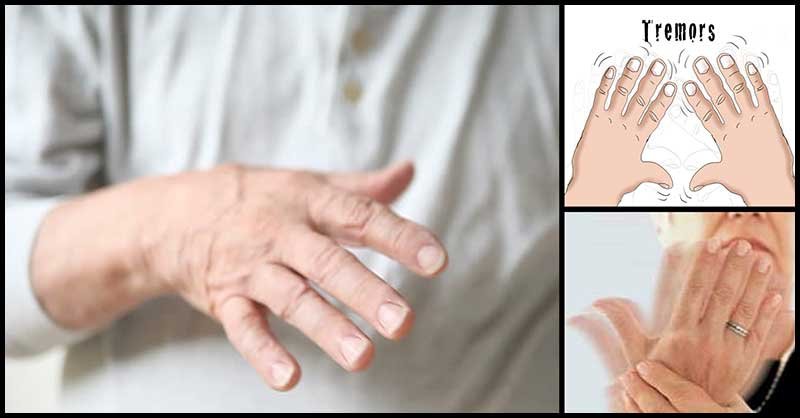
Essential tremor (ET) accounts for up to 50% of hand tremor cases in young adults, per the International Essential Tremor Foundation. Unlike Parkinson’s, ET features action tremors—shaking during movement—rather than rest tremors. It often has a genetic component, with 50% of cases familial, onset typically before 40.
Symptoms include bilateral hand shaking worsening with posture or tasks like holding a cup. Alcohol temporarily suppresses ET, a diagnostic clue, though not recommended long-term. While benign, ET impacts quality of life; young adults may avoid social eating or careers requiring precision, like surgery or artistry.
Management includes beta-blockers like propranolol or anticonvulsants such as primidone. Lifestyle tweaks—weighted utensils, avoiding caffeine—help too. For severe cases, deep brain stimulation offers hope, though rare in youth.
Medication and Substance-Induced Tremors
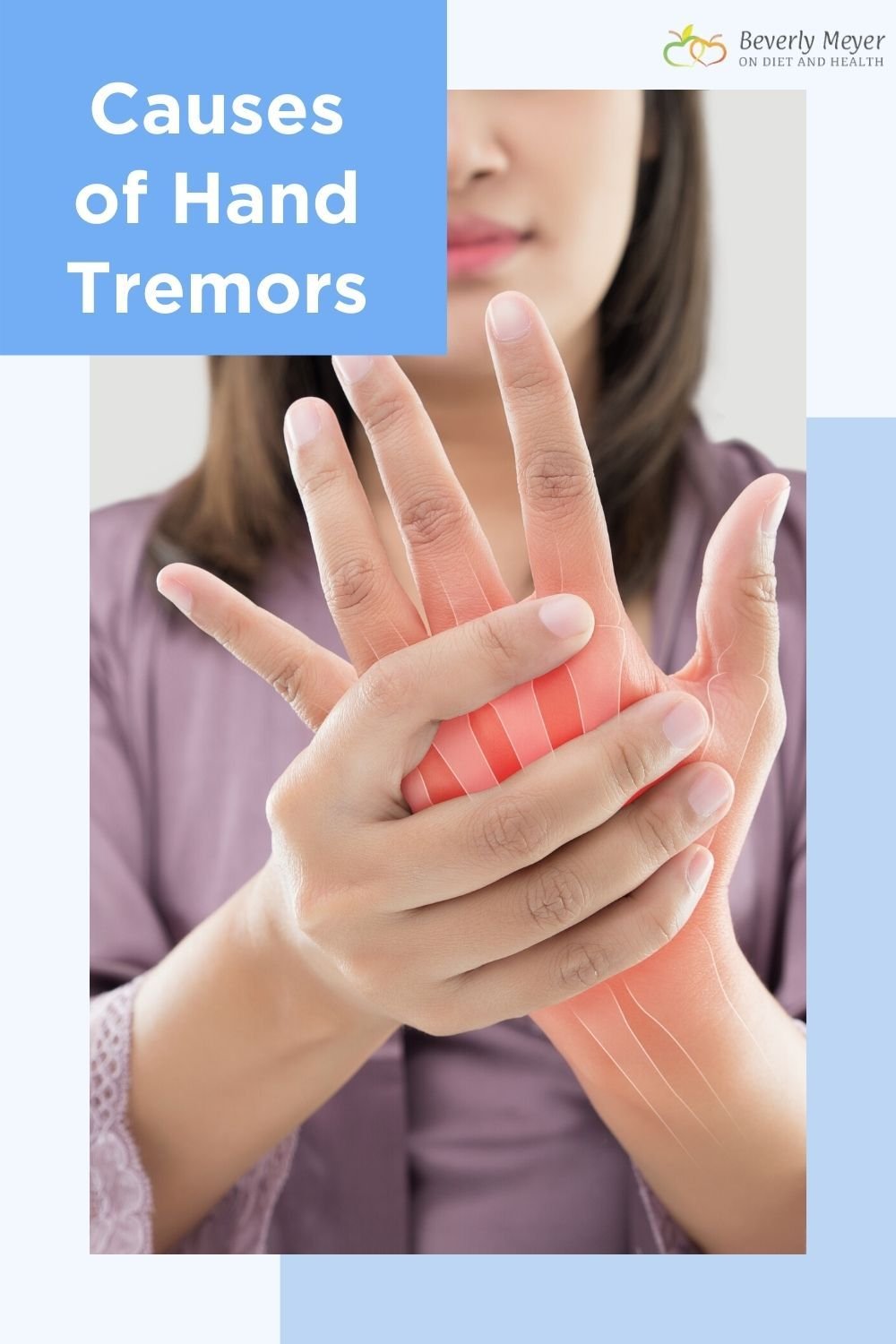
Prescription drugs and recreational substances frequently cause hand tremors in young adults. Antidepressants (SSRIs), asthma inhalers (albuterol), and ADHD medications (amphetamines) stimulate the nervous system, inducing fine tremors.
Lithium for bipolar disorder or certain antipsychotics also contribute. Illicit substances like cocaine, MDMA, or even marijuana withdrawal provoke intense shaking. Alcohol withdrawal syndrome, seen in binge drinkers, presents with coarse tremors peaking 24-48 hours post-last drink.
Consulting a pharmacist or doctor for alternatives is crucial. Gradual tapering prevents withdrawal tremors. In young adults experimenting with nootropics or supplements like ephedrine, discontinuation often resolves issues within days.
Serious Medical Conditions Causing Hand Tremors
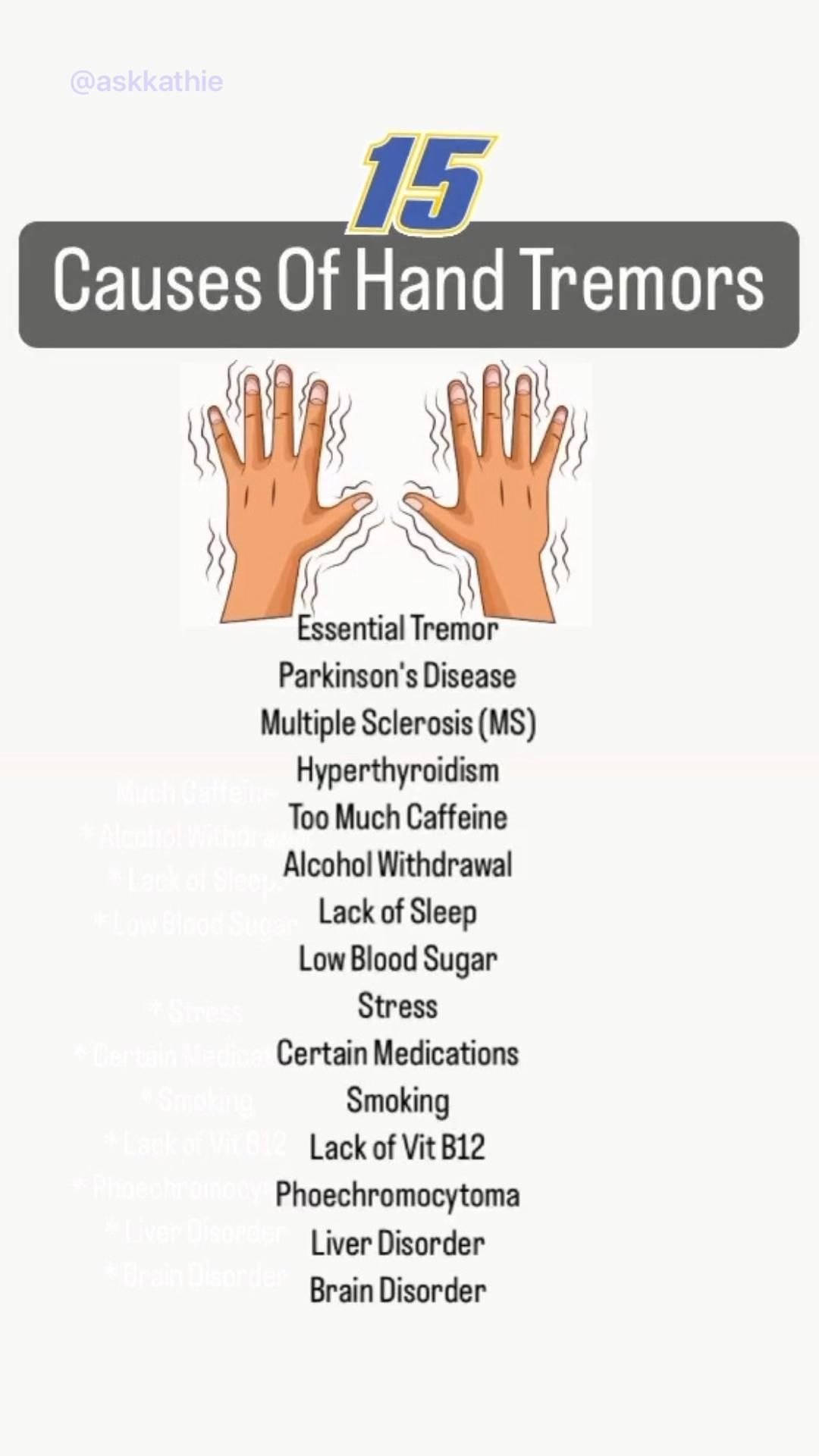
Though less common, certain diseases warrant prompt attention. Hyperthyroidism: Overactive thyroid glands accelerate metabolism, causing fine, rapid tremors in 60-80% of cases, per Endocrine Society data. Accompanied by weight loss, heat intolerance, and palpitations, it’s treatable with antithyroid drugs.
Multiple Sclerosis (MS): This autoimmune disorder demyelinating nerve fibers can manifest as intention tremors in early adulthood. Affecting 1 in 1,000 young adults, MS tremors worsen with fatigue or heat. MRI confirms diagnosis; disease-modifying therapies slow progression.
Wilson’s Disease: A rare genetic copper metabolism disorder, it causes tremors alongside liver issues and psychiatric symptoms in those under 30. Copper chelators like penicillamine reverse effects if caught early.
Parkinson’s disease, while rare before 50, has early-onset forms linked to genetics or toxins. Resting tremors, rigidity, and bradykinesia signal it. Vitamin B12 deficiency, anemia, or electrolyte imbalances from poor diet also mimic tremors.
Lifestyle and Environmental Factors
Beyond physiology, repetitive strain from smartphone overuse or gaming induces “texting tremor.” Mercury exposure from fish or dental amalgams, though debated, correlates with tremors in some studies. Heavy metal toxicity requires chelation therapy.
Vigorous exercise, like weightlifting, causes post-exertion tremors from lactic acid buildup, resolving with rest. Dehydration exacerbates all tremors; young adults should aim for 3 liters of water daily.
When to See a Specialist for Hand Tremors
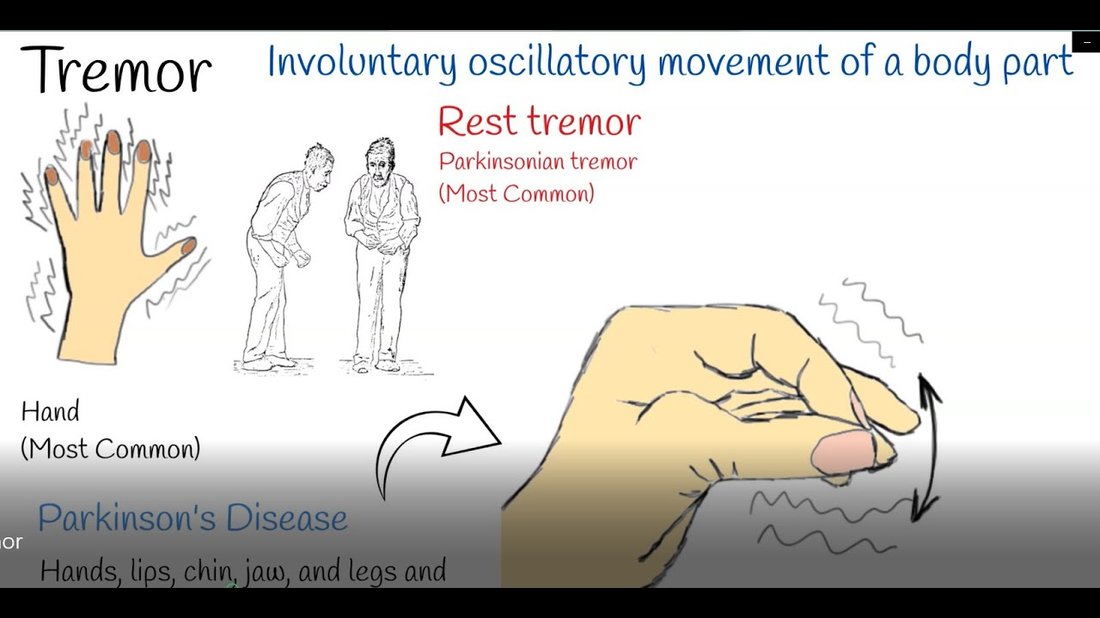
Not all tremors need urgent care, but knowing when to see a specialist prevents complications. Consult a neurologist if:
- Tremors persist beyond two weeks despite lifestyle changes.
- They worsen progressively or spread to head, voice, or legs.
- Accompanied by weakness, numbness, balance issues, or cognitive changes.
- Onset follows head injury, infection, or new medication.
- Interfere with work, driving, or self-care.
Primary care starts evaluation with blood tests (thyroid, glucose, vitamins), then referral. Specialists use electromyography (EMG) or DaTscan imaging for differentiation. Early intervention improves outcomes—e.g., treating MS early halves disability risk.
Diagnosis and Treatment Options
Diagnosis involves history, exam, and ruling out causes. Treatments target etiology: lifestyle for benign cases, medications for ET or thyroid issues, surgery for refractory cases. Occupational therapy teaches adaptive techniques, boosting confidence in young adults.
Prevention Strategies for Hand Tremors

Proactive steps minimize risk: limit caffeine to 200mg/day, manage stress via yoga or therapy, maintain stable blood sugar with regular meals, ensure quality sleep, and exercise moderately. Genetic counseling aids familial ET risk assessment. Annual check-ups catch thyroid or vitamin issues early.
Conclusion: Take Control of Your Hand Tremors
Hand tremors in young adults arise from diverse causes, from benign stress to serious neurology. Most are manageable with awareness and action. If symptoms linger, don’t delay—seeing a specialist ensures timely diagnosis and peace of mind. Prioritize health; steady hands await proactive steps. For personalized advice, consult healthcare professionals.
(Word count: 1,248)