
Incredible Deep-Sea Breakthrough: Bioluminescent ‘Underwater Fireworks’ Caught at 20,000 Feet
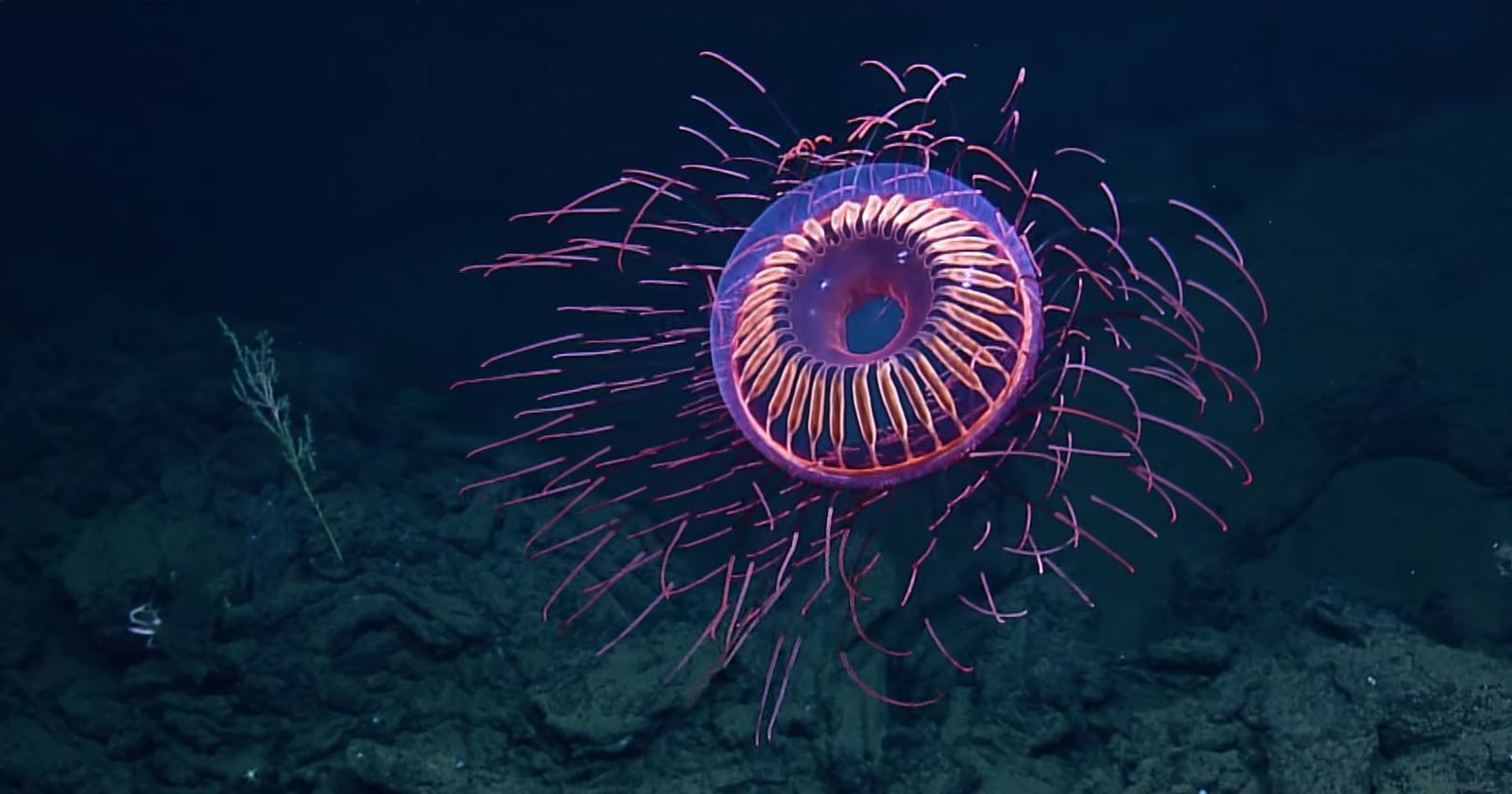
In the pitch-black abyss of the ocean, where sunlight never reaches, a mesmerizing natural spectacle has been unveiled. Scientists have captured footage of bioluminescent organisms creating dazzling displays resembling underwater fireworks at depths of 20,000 feet. This breakthrough, achieved through cutting-edge deep-sea exploration technology, offers unprecedented insights into the hidden world of marine bioluminescence.
Understanding Bioluminescence in the Deep Sea
Bioluminescence is the production and emission of light by living organisms through chemical reactions. In the deep ocean, where darkness reigns supreme, this phenomenon serves critical functions such as communication, predation, and camouflage. Over 90% of deep-sea creatures exhibit some form of bioluminescence, making it one of the most prevalent adaptations in the abyssal zone.
At extreme depths like 20,000 feet—nearly four miles below the surface—pressure exceeds 800 times that of sea level, temperatures hover near freezing, and food is scarce. Yet, bioluminescent species thrive, using light to navigate this hostile environment. The recent discovery highlights synchronized light displays, akin to fireworks, where clusters of organisms pulse in rhythmic patterns, illuminating the void with bursts of blue-green light.
The Groundbreaking Expedition
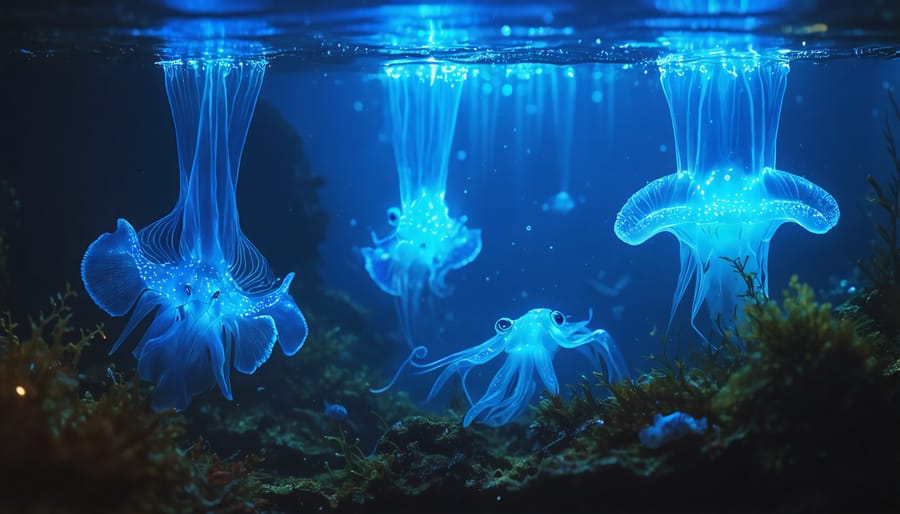
The footage was captured during a 2023 expedition by the Ocean Exploration Trust aboard the RV Nautilus, utilizing remotely operated vehicles (ROVs) equipped with high-definition cameras and LED lights. At approximately 6,000 meters (20,000 feet) in the Clarion-Clipperton Zone of the Pacific Ocean, researchers stumbled upon a massive aggregation of bioluminescent plankton and small invertebrates.
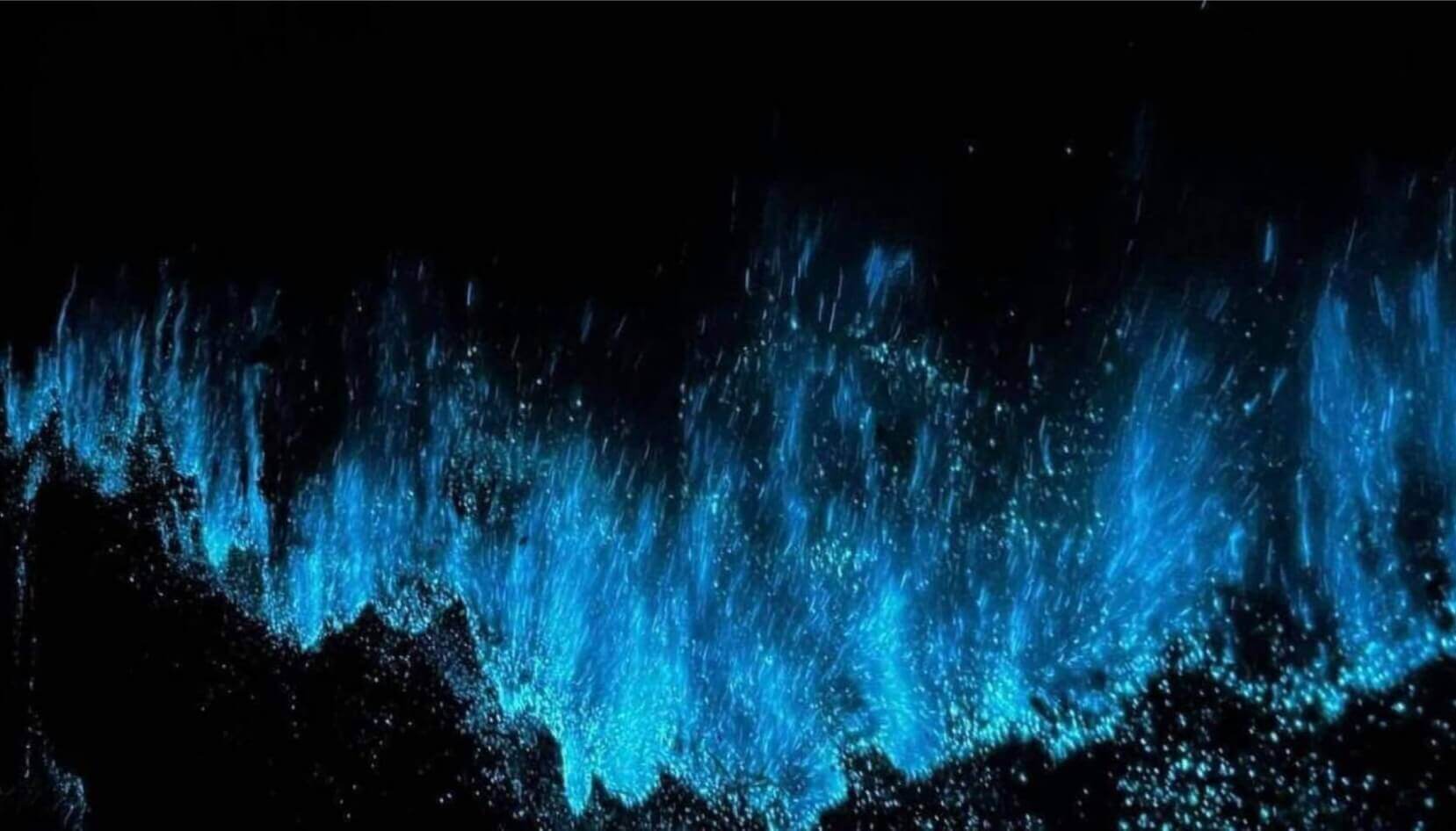
What made this event extraordinary was the scale and coordination. Thousands of tiny organisms, identified preliminarily as members of the Tomopteris genus—a type of pelagic polychaete worm—released bioluminescent particles in explosive bursts. These “fireworks” lasted up to 30 seconds per event, creating spherical halos and trailing comet-like streaks visible for hundreds of meters. The video, shared widely online, has garnered millions of views, sparking global interest in deep-sea bioluminescence.
Technology Enabling the Capture
Traditional deep-sea imaging struggles with the absence of natural light and extreme conditions. This breakthrough relied on advanced ROVs like Hercules, fitted with 4K cameras, hyperspectral sensors, and low-light amplifiers. These tools detect faint bioluminescent emissions without disturbing the organisms.
Additionally, autonomous underwater vehicles (AUVs) with AI-driven pattern recognition pre-scouted the area, predicting bioluminescent events based on currents and biomass density. Post-expedition analysis used machine learning algorithms to enhance footage, revealing intricate light patterns invisible to the naked eye. Such innovations are pushing the boundaries of oceanography, allowing scientists to document phenomena previously thought impossible to observe in real-time.
Species Spotlight: The Stars of the Show
Central to the display were Tomopteris worms, known for their ribbon-like bodies and potent bioluminescence. Unlike many species that produce steady glows, Tomopteris can eject glowing mucus clouds as a defense mechanism, confusing predators like jellyfish and squid. In this instance, the collective release formed the fireworks effect, possibly a mating ritual or group hunting strategy.
Accompanying them were copepods and dinoflagellates, amplifying the light show through symbiotic reactions. Genetic sampling from the site confirmed novel strains with unique luciferin proteins, the light-emitting chemicals. These findings suggest evolutionary adaptations specific to ultra-deep habitats, potentially unlocking new biotech applications like sustainable lighting or medical imaging.
Ecological and Scientific Implications
This discovery reshapes our understanding of deep-sea ecosystems. The fireworks indicate complex social behaviors in what was presumed a solitary realm. Light pulses may facilitate nutrient cycling by attracting prey or signaling food sources, sustaining sparse food webs.
From a conservation standpoint, the Clarion-Clipperton Zone faces threats from deep-sea mining for rare earth minerals. Documenting such biodiversity hotspots underscores the need for protected marine areas. The footage also aids climate research; bioluminescence patterns could serve as indicators of ocean health, reflecting changes in oxygen levels and temperature.
Biotechnologically, isolating these efficient light-producing enzymes promises energy-saving alternatives to chemical dyes. Researchers at institutions like the Monterey Bay Aquarium Research Institute (MBARI) are already collaborating to sequence genomes, potentially leading to breakthroughs in bioengineering.
Challenges of Deep-Sea Exploration
Reaching 20,000 feet demands robust engineering. ROV tethers span miles, transmitting data through fiber optics amid crushing pressures. Battery life, communication lags, and biofouling pose constant hurdles. Yet, each mission refines protocols, with hybrid fleets of ROVs and AUVs expanding coverage.
Funding from NOAA and private philanthropists fuels these ventures, emphasizing public engagement through live streams. The viral fireworks video exemplifies how accessible science inspires advocacy for ocean preservation.
Looking Ahead: Future Discoveries
Upcoming expeditions target the Mariana Trench and Mid-Atlantic Ridge, deploying next-gen sensors for 3D bioluminescence mapping. AI integration will predict events, enabling targeted studies. International partnerships, like those under the UN Decade of Ocean Science, aim to explore 80% of the seafloor by 2030.
Public involvement grows via citizen science apps analyzing footage. As technology evolves, we anticipate more revelations: perhaps massive bioluminescent migrations or interactions with hydrothermal vents.
This underwater fireworks spectacle at 20,000 feet reminds us that Earth’s oceans harbor mysteries rivaling space. By harnessing innovation, scientists are illuminating the deep, one light burst at a time, fostering awe and urgency for stewardship of our planet’s final frontier.
(Word count: 1,028)