
The Ultimate Guide to Pet-Proofing Your Home
Bringing a furry friend into your home is one of life’s greatest joys, but it also comes with responsibilities. Pet-proofing your home ensures your beloved cat, dog, or other pet stays safe from everyday hazards. This ultimate guide to pet-proofing your home covers everything from common dangers to room-by-room strategies, helping you create a secure environment. Whether you’re a new pet owner or looking to refresh your safety measures, these tips will minimize accidents, reduce vet bills, and give you peace of mind.
Why Pet-Proofing Your Home is Essential
Feature Video
Pets are curious explorers, often getting into places we overlook. According to the ASPCA, thousands of pets suffer injuries or poisoning annually from household items. Pet-proofing isn’t just about baby gates; it’s a comprehensive approach to identifying and eliminating risks. Start by assessing your home through your pet’s eyes—low shelves, dangling cords, and small objects become playgrounds or dangers. Regular pet-proofing also prevents destructive behavior, saving your furniture and sanity. By investing time now, you’ll foster a happier, healthier pet-parent relationship.
Key benefits include preventing choking hazards, toxic exposures, and falls. For instance, dogs chew electrical cords, risking electrocution, while cats knock over plants containing harmful toxins. Statistics from Pet Poison Helpline show chocolate, xylitol, and household cleaners top the list of pet toxins. Pet-proofing your home proactively addresses these, tailored to your pet’s size, breed, and age.
Essential Pet-Proofing Supplies You’ll Need

Before diving into rooms, gather these must-haves: baby gates for stairs and doorways, cord protectors, furniture anchors, pet-safe trash cans with locks, and cabinet latches. Invest in bitter sprays to deter chewing, window screens, and microchip scanners for lost pets. For toxic plants, opt for pet-friendly alternatives like spider plants or cat grass. Affordable kits from brands like Carlson or Munchkin make pet-proofing straightforward. Always choose BPA-free, durable products rated for pet use to ensure longevity.
Pet-Proofing the Kitchen: A High-Risk Zone

The kitchen poses the biggest threats due to food, chemicals, and appliances. Secure cabinets with childproof latches to block access to cleaners, medications, and sharp utensils. Keep trash bins lidded and pedal-operated to prevent scavenging, which can lead to garbage gut or toxic ingestion. Never leave food on counters—dogs jump surprisingly high. Store chocolate, grapes, onions, and xylitol gum out of reach, as they’re deadly to pets.
Turn off and unplug small appliances like toasters when not in use; cords tempt chewers. Use stove knob covers to stop curious paws from turning on burners. For floors, place non-slip mats to prevent slips on tiles, especially for older pets with arthritis. Sweep regularly to avoid crumbs that encourage counter-surfing. By pet-proofing your kitchen thoroughly, you’ll cut risks by over 70%, per safety experts.
Living Room and Common Areas: Securing Play Spaces
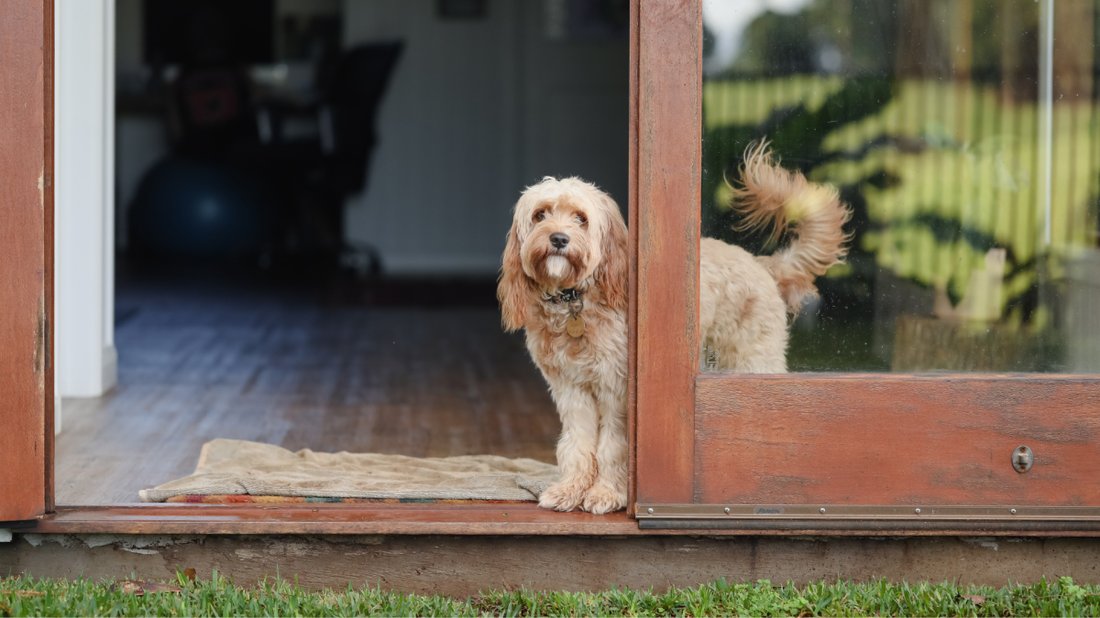
Living rooms are pet playgrounds, so anchor heavy furniture like TVs and bookshelves to walls using brackets—tip-overs cause thousands of injuries yearly. Hide electrical cords with spiral wraps or cord covers; pets love to chew. Use remote-controlled outlet plugs to cut power to unused devices. For plants, elevate them or replace toxic ones (lilies, poinsettias) with safe options.
Scatter rugs should have non-slip backing to avoid slips during zoomies. Fireplaces need sturdy screens, and candles must be elevated or switched to flameless LEDs. Toy rotation prevents boredom-induced destruction. Create a pet zone with durable beds and scratch posts, redirecting energy positively. These steps make your living room a safe haven for family time with pets.
Bedroom Safety: A Cozy Yet Risky Retreat

Bedrooms seem safe, but medications on nightstands, laundry baskets, and loose socks are temptations. Use lidded hampers and drawer locks for pills—ibuprofen and antidepressants are common culprits. Hang cords from blinds high or use tension rods. Ensure beds have stable frames; pets jumping on unstable ones risk collapse.
Closets with sliding doors need stops to prevent entrapment. Vacuum under beds to remove dust bunnies that could harbor allergens or small objects. For multi-pet homes, provide separate sleeping areas to reduce territorial fights. These simple tweaks ensure restful nights without midnight vet runs.
Bathroom Hazards: Water and Toxins Beware
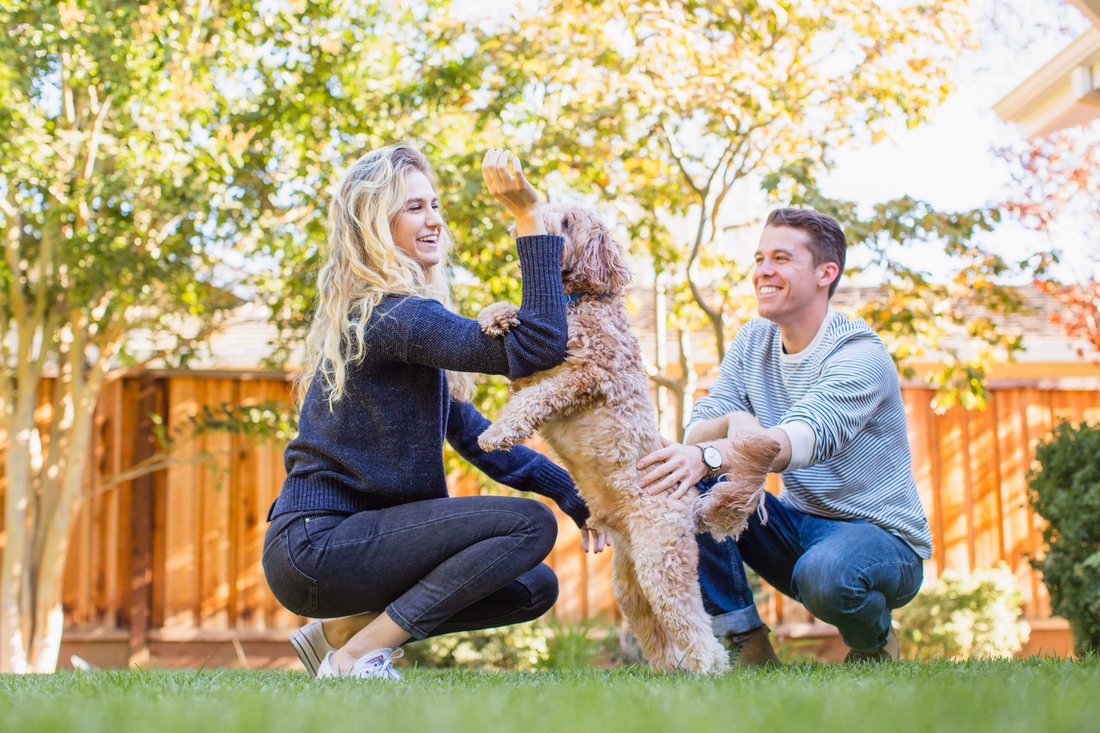
Bathrooms are wet danger zones. Toilet lids down with locks prevent drinking treated water, risking bacterial infections. Store toiletries, shampoos, and razors in locked cabinets—toothpaste with xylitol is lethal. Keep the lid closed on trash cans to block floss or Q-tips, choking hazards.
Install non-slip mats in tubs and showers. Hide hairdryers and straighteners, as burns from hot appliances are common. Use pet-safe bath products if bathing there, and dry pets thoroughly to avoid slips. Humidity control with dehumidifiers prevents mold, harmful if ingested.
Pet-Proofing Outdoors: Yard and Garage Essentials
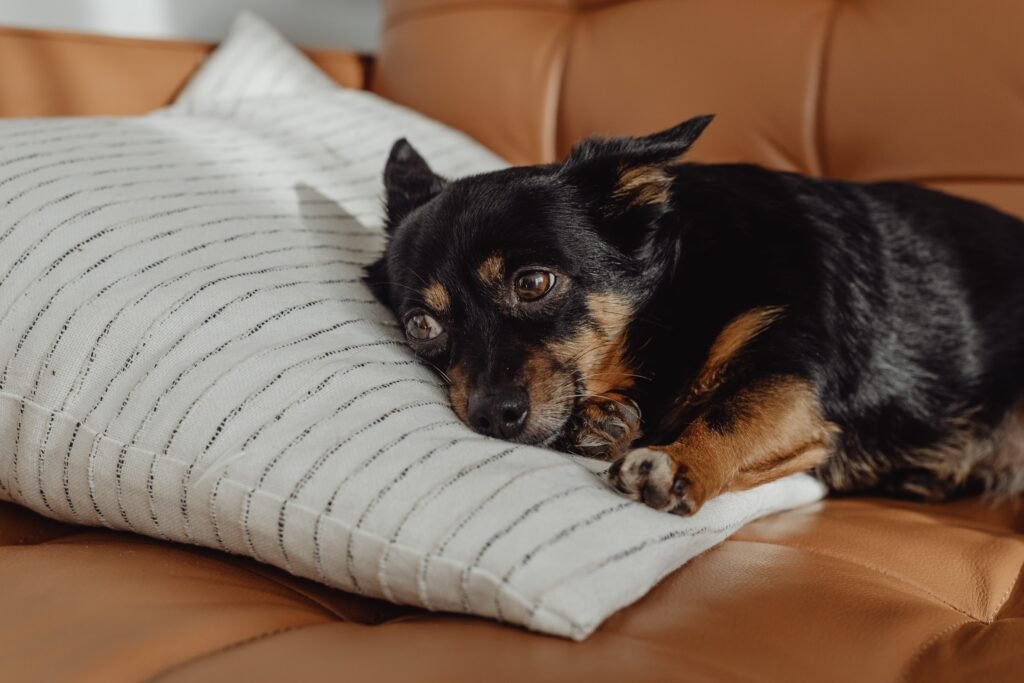
Outdoor areas need equal attention. Fence gaps? Use chicken wire or extenders. Remove toxic plants like azaleas or fertilizers. Secure garages from antifreeze puddles—sweet but deadly. Store tools, pesticides, and lawnmowers properly.
Provide shade, water stations, and escape-proof gates. For pools, use covers or alarms. Mulch alternatives like pea gravel deter digging. Regular yard patrols spot hazards like mushrooms or escaped neighbors’ cats.
Common Pet Hazards and How to Avoid Them
Beyond rooms, watch for batteries (leaking acid), batteries in remotes, small toys, and jewelry. Batteries cause burns if chewed. Batteries in remotes, small toys, and jewelry. Human medications top poison lists—store in locked boxes. Holiday decorations like tinsel cause blockages. Seasonal checks are vital.
Training and Ongoing Maintenance for Pet Safety
Pet-proofing pairs with training. Teach “leave it” and “off” commands. Use puzzle toys for mental stimulation. Schedule monthly home audits: check anchors, cords, supplies. Vet checkups catch breed-specific risks. Update microchips and IDs.
For multi-pet homes, monitor interactions. Senior pets need ramps; puppies, crate training. Apps like Pet First Aid remind of hazards. Community forums share breed tips.
Conclusion: A Safer Home for Happy Pets
Pet-proofing your home is an ongoing commitment yielding lifelong rewards. Implement these strategies room-by-room, stock supplies, and train consistently. Your pet will thrive in a hazard-free space, letting you focus on fun. Start today—your furry family deserves it. For more pet care advice, explore our resources.
(Word count: 1218)