
10 Jaw-Dropping Architecture Marvels That Defy Engineering Limits
Human ingenuity has continually pushed the boundaries of what seems possible in architecture and engineering. From skyscrapers piercing the clouds to structures with gravity-defying designs, these marvels showcase innovative materials, cutting-edge techniques, and bold visions. This article explores 10 extraordinary examples that challenge the limits of physics, inspiring awe worldwide. Each one represents a triumph over environmental, structural, and logistical hurdles, redefining modern skylines and cultural landmarks.
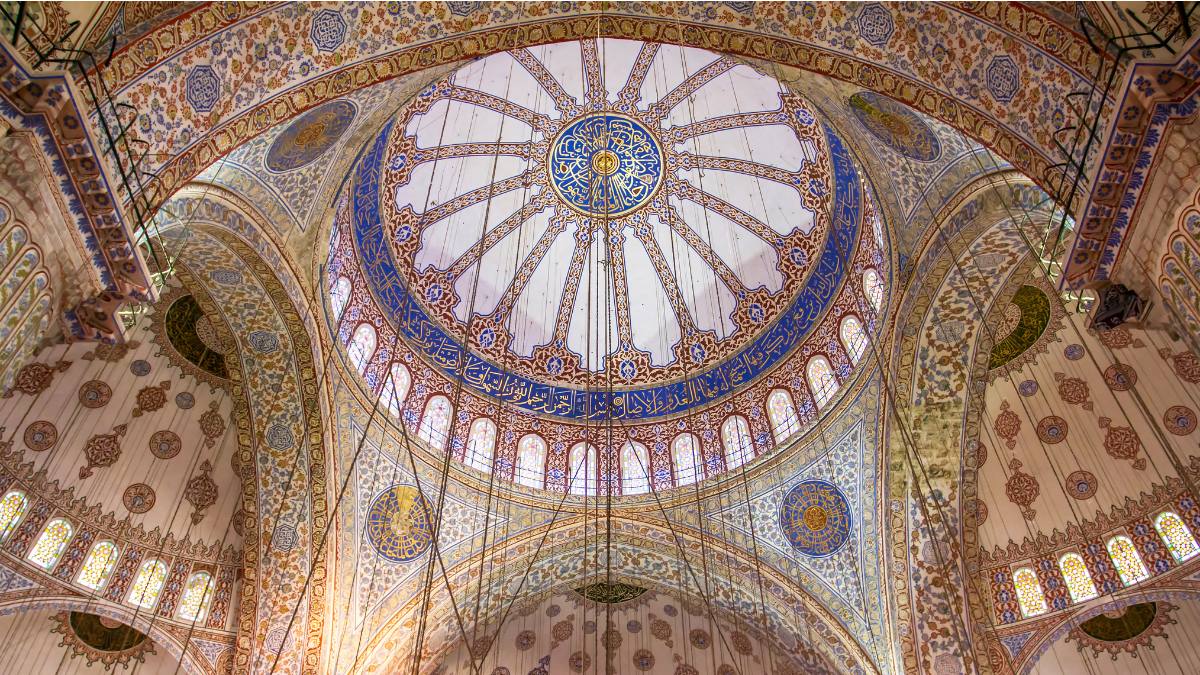
1. Burj Khalifa, Dubai, UAE
Standing at 828 meters (2,717 feet), the Burj Khalifa is the world’s tallest building, completed in 2010. Designed by Adrian Smith of Skidmore, Owings & Merrill, it features a buttressed core system with Y-shaped wings that taper upwards, distributing wind loads effectively. Engineers used high-strength concrete that could be pumped to unprecedented heights and a sophisticated tuned mass damper at the top to counter sway. This iconic spire not only houses luxury residences and hotels but also symbolizes Dubai’s ambition, overcoming desert heat and sandstorms through advanced cooling systems.
2. Shanghai Tower, Shanghai, China
Twisting 120 degrees over its 632-meter (2,073 feet) height, the Shanghai Tower rotates like a DNA helix, reducing wind resistance by 24%. Completed in 2015 by Gensler architects, it incorporates nine cylindrical buildings stacked around a central core, connected by sky bridges with atriums for natural ventilation. Double-skin glass facades trap air for insulation, slashing energy use by 40%. This supertall structure defies typhoon forces and urban density, featuring the world’s highest observation deck at 562 meters.
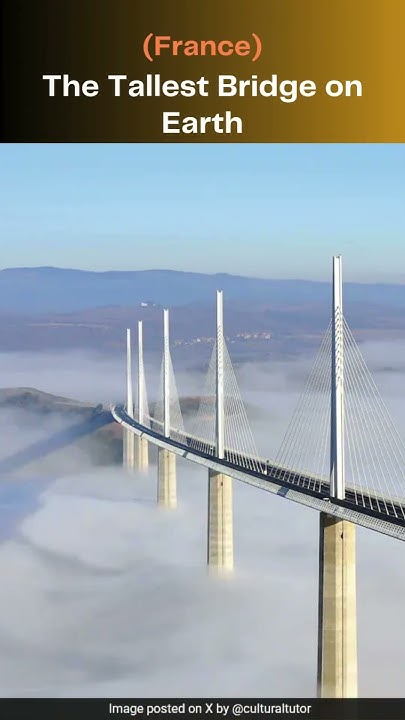
3. The Shard, London, UK
Piercing London’s skyline at 310 meters (1,016 feet), The Shard—designed by Renzo Piano—resembles a fragmented glass obelisk. Opened in 2012, its irregular pyramid shape with stacked facets minimizes wind loads while maximizing views. Engineers employed post-tensioned concrete and steel diagrid framing for stability on soft Thames soil. Public gardens at multiple levels and a public viewing gallery enhance accessibility. It overcame strict aviation height limits and complex subterranean piling, blending office, residential, hotel, and retail spaces seamlessly.
4. One World Trade Center, New York City, USA
At 541 meters (1,776 feet) to its symbolic spire, One World Trade Center honors 9/11 resilience. David Childs of Skidmore, Owings & Merrill designed its crystalline base transitioning to a squared shaft, clad in blast-resistant glass. A 408-metric-ton concrete core and steel parapet provide unparalleled safety. Advanced damping systems curb motion, and it’s fortified against impacts. Rising from bedrock, it integrates transportation hubs, setting new benchmarks for secure high-rise engineering in seismic zones.
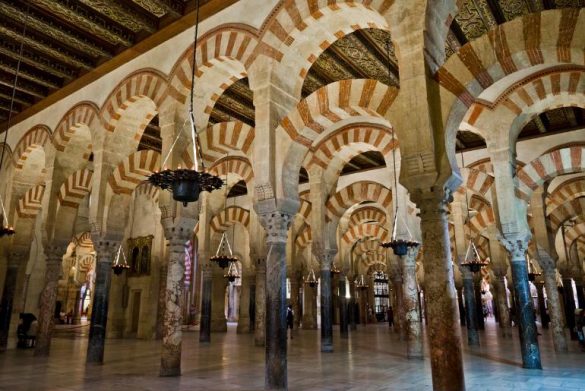
5. Sydney Opera House, Sydney, Australia
Jørn Utzon’s 1973 masterpiece features sail-like shells of precast concrete ribs clad in glossy tiles, spanning 183 meters wide. Initially plagued by budget overruns, engineers solved the spherical-to-parabolic shell geometry using computer modeling—a first. Supported by massive podium vaults over water, it withstands harbor winds and earthquakes. Acoustic excellence inside the concert hall defies the organic exterior. This UNESCO site redefined expressive architecture, influencing parametric design globally.
6. Sagrada Família, Barcelona, Spain
Antoni Gaudí’s lifelong basilica, begun in 1882 and set for 2026 completion, blends Gothic and Art Nouveau with hyperbolic paraboloid vaults. Towers reaching 172 meters use tree-like branched columns for light diffusion. Advanced 3D modeling and stone-rubble walls ensure seismic resilience. Nature-inspired facades depict biblical scenes hyperbolically curved. Despite wars and delays, it pushes organic structural limits, drawing 4.7 million visitors yearly for its evolving intricacy.
7. Marina Bay Sands, Singapore
Moshe Safdie’s 2010 resort defies logic with three 55-story towers topped by an 340-meter-long SkyPark cantilevering 67 meters. Supported by massive steel trusses and concrete cores, it spans infinity pools and gardens 200 meters up. Engineering feats include tuned liquid dampers for sway and a subterranean art-science museum. Built on reclaimed land, it resists tropical storms, hosting 45,000 guests while integrating sustainable rainwater harvesting.
8. Guggenheim Museum Bilbao, Bilbao, Spain
Frank Gehry’s 1997 titanium-clad sculpture twists like a metallic flower, with chaotic curves formed by 343,000 computer-milled panels. Computer-aided design (CATIA software) enabled precise stone and glass assembly on an irregular limestone base. It revitalized Bilbao’s economy, drawing millions. Seismic joints and stainless-steel ties handle Bilbao’s quakes, proving deconstructivism’s structural viability despite initial skepticism over buildability.
9. Beijing National Stadium (Bird’s Nest), Beijing, China
Herzog & de Meuron’s 2008 Olympic venue weaves 36km of steel into an interlocking “nest” bowl seating 91,000. The irregular lattice—two independent ring-beam systems—resists 8.0 earthquakes via energy-dissipating braces. Elevated above a sunken water cube, it overcame 1,100-ton roof lifts. Post-games, it hosts events sustainably, embodying China’s engineering prowess with minimal material waste.
10. Lakhta Center, St. Petersburg, Russia
Europe’s tallest at 462 meters (1,516 feet), completed in 2019 by RMJM, spirals with a multifunctional twist housing offices, residences, and an ice hockey arena. A concrete central core and perimeter columns counter Baltic winds, while a tapering form reduces loads. Triple-glazed facades and wind turbines generate energy. Built on compressible soil over 2.5 years, it features the tallest cylindrical atrium globally, advancing cold-climate supertalls.
These architecture marvels not only captivate with their aesthetics but also pioneer sustainable, resilient design. As technology evolves—think AI modeling and smart materials—future structures will further defy limits, blending form, function, and environmental harmony. Explore these wonders to witness humanity’s boundless creativity.