
The Lost City of Atlantis: Evidence Points to a Real Ancient Catastrophe
Ever Wondered If Atlantis Was Real?
Picture this: a gleaming metropolis of golden temples, advanced engineering, and a navy that ruled the waves. Then, in a single day and night of catastrophe, it all vanishes beneath raging waves. Sounds like the plot of a blockbuster movie, right? But what if I’m telling you that the Lost City of Atlantis might not be pure fantasy? Yeah, that story from Plato has haunted historians, archaeologists, and dreamers for over 2,000 years. For ages, it was dismissed as allegory or myth. But lately, mounting evidence suggests it points to a real ancient disaster that wiped out a sophisticated civilization. Buckle up, because we’re diving deep—pun intended—into the clues that make Atlantis feel eerily plausible.
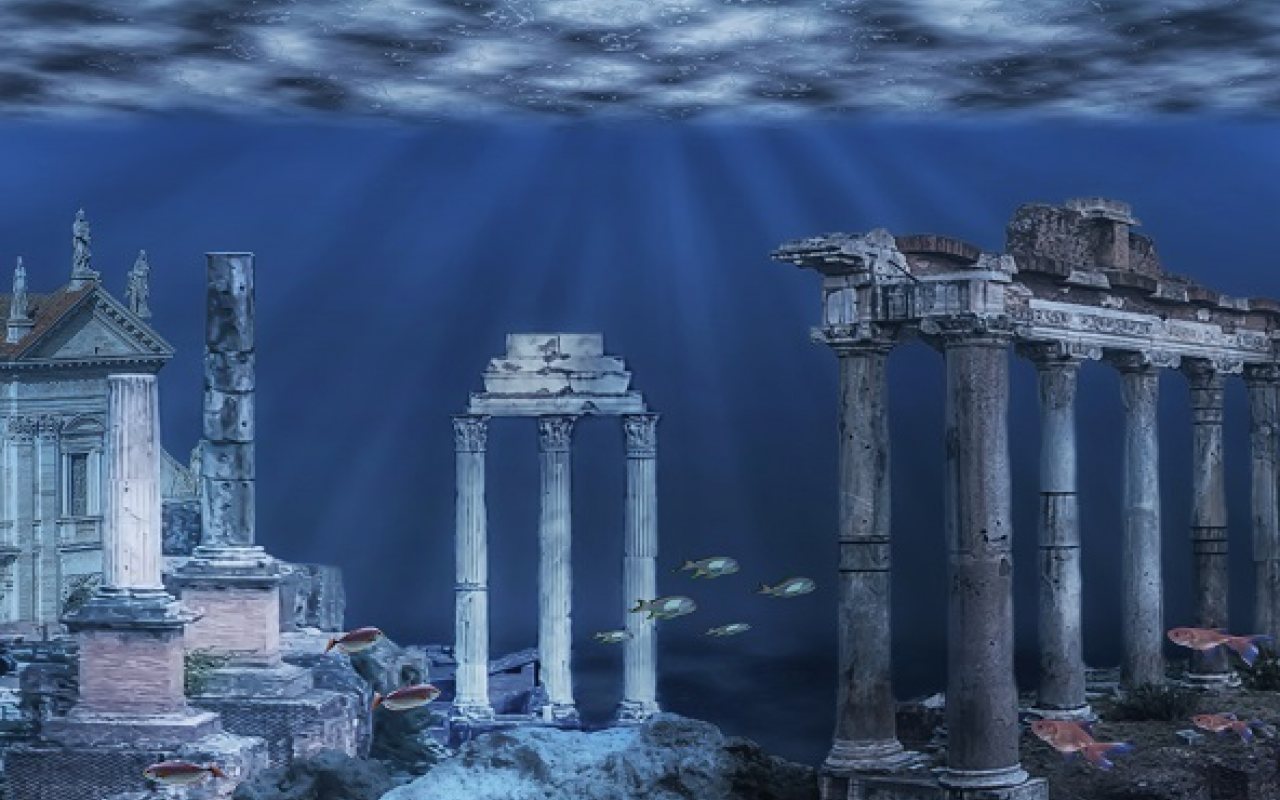
Plato’s Tale: The Original Blockbuster
Let’s start at the source. Around 360 BCE, the Greek philosopher Plato dropped this bombshell in his dialogues Timaeus and Critias. He claimed Atlantis was a massive island empire larger than Libya and Asia combined, located “beyond the Pillars of Hercules”—that’s the Strait of Gibraltar for us modern folks. Ruled by kings descended from Poseidon himself, it boasted concentric rings of water and land, earthquake-proof architecture, hot and cold running water (fancy!), and a military that made Sparta look like amateurs.
But hubris got them. Atlantis turned greedy, invaded the Mediterranean, and got smacked down by Athens (go Greece!). Then, earthquakes and floods swallowed the whole shebang in one go, leaving “impassable sea mud” behind. Plato said he got this from Egyptian priests via Solon, an Athenian lawmaker. Skeptics say it’s just a moral fable about ideal societies. But hold on—Plato was meticulous. Why weave in such specific details if it’s all made up? And those Egyptian records? They might hold water, literally.
Geological Smoking Guns: Catastrophes That Fit the Bill
Fast-forward to the 20th century. Science starts whispering, “Hey, this rings a bell.” The big one? The Minoan eruption on Thera (modern Santorini), around 1600 BCE. This supervolcano blew with a force 10 times Vesuvius, hurling ash across the Mediterranean and triggering mega-tsunamis up to 130 feet high. Excavations at Akrotiri on Santorini reveal a Minoan city frozen in time—frescoes of ships, multi-story homes with plumbing, drained away like Atlantis.
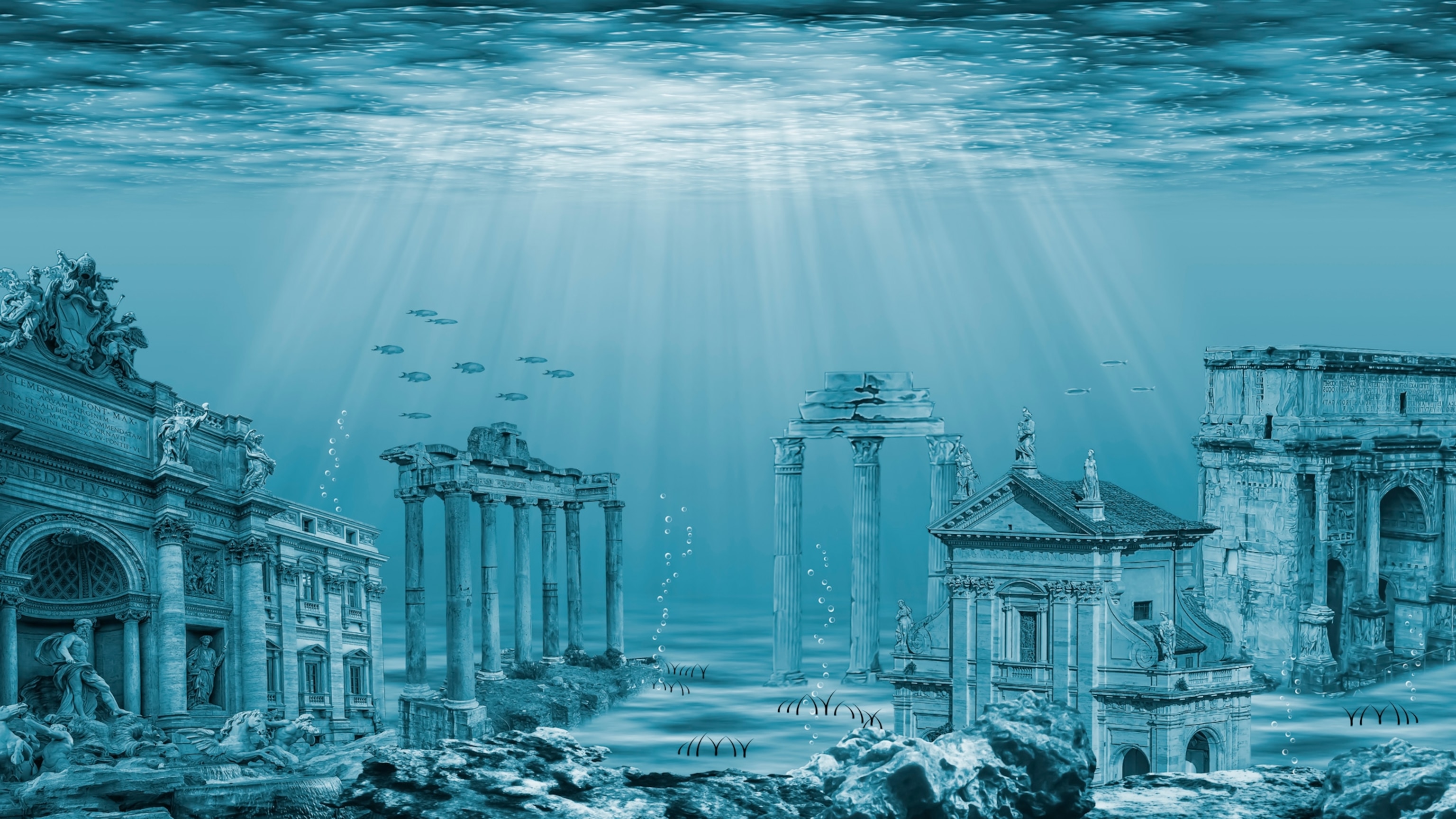
Imagine the scene: Minoans, Europe’s first advanced civilization, masters of trade and engineering. Their island paradise shatters. Walls collapse from quakes, pyroclastic flows bury towns, tsunamis ravage Crete 70 miles away, drowning palaces in mud. Sound familiar? Plato’s “day and night of misfortune”? Check. “Impassable mud”? Ash and debris clogged harbors for years. Radiocarbon dating nails it to about 1620 BCE, and ice cores from Greenland show the atmospheric chaos worldwide.
But is Santorini Atlantis? It’s smaller than Plato’s mega-island, but maybe he exaggerated for drama. Or perhaps it’s the capital, with the empire spanning Crete and beyond. The Minoans had bull-leaping rituals echoing Poseidon’s cults, and their thalassocracy (sea empire) matches perfectly.
Other Hotspots: From the Black Sea to the Americas
Santorini’s not the only contender. Ryan and Pitman’s Black Sea Deluge theory posits a massive flood around 5600 BCE when the Mediterranean burst through the Bosporus, turning a freshwater lake into the salty Black Sea. Villages submerged, refugees fleeing—could spark Atlantis legends passed down orally. Underwater ruins off Sinop, Turkey, hint at coastal settlements drowned fast.
Then there’s Tartessos in southern Spain, a Bronze Age power rich in metals, vanishing around 1100 BCE amid quakes and floods. Spanish archaeologists found circular structures and advanced metallurgy echoing Plato. Or eye Bolivia’s Tiwanaku: 15,000 people, precise stonework, flooded by Lake Titicaca’s rise post-Ice Age.
Even the Caribbean’s Bimini Road—those underwater “paved” stones off the Bahamas—fuels wild theories, though geologists call it natural beachrock. Satellite scans reveal submerged structures worldwide from rising seas post-Ice Age (sea levels jumped 400 feet). Atlantis could be a composite memory of multiple catastrophes.
Modern Tech Unearths More Clues
We’re not relying on dusty scrolls anymore. Sonar and LIDAR map seabeds like never before. In 2018, a Greek team found massive underwater walls off Crete—possibly Minoan harbors wrecked by Thera’s tsunami. Cuban waters hide pyramid-like structures at 2,000 feet deep, dated to 10,000 years ago. And don’t get me started on Antarctica theories—melting ice reveals geometric ruins? Nah, probably pareidolia, but it keeps the buzz alive.
Genetic studies show Minoan DNA links to modern Sardinians and Iberians, with a population crash post-eruption. Volcanic glass (tephra) from Thera carpets Egyptian deltas, matching Plato’s timeline. Climate models recreate the chaos: ash winters, crop failures, migrations. It’s not myth; it’s catastrophe on steroids.
Why Atlantis Still Captivates Us
So, was there a single Atlantis? Probably not. But Plato nailed a kernel of truth: advanced societies crushed by nature’s fury. The Thera blast alone reshaped history, toppling Minoans and birthing Mycenaean Greece. It warns us—climate change, supervolcanoes like Yellowstone lurk. We’re due for reminders that hubris meets hubble if we ignore the seas rising again.
I get goosebumps thinking about it. Divers probing Akrotiri’s ghosts, sonar pings echoing lost harbors. Atlantis isn’t buried treasure; it’s a mirror. What if tomorrow’s headlines scream “Lost City Found”? I’d book the first flight. Until then, let’s cherish the evidence pointing to real tragedy behind the legend. What’s your take—Santorini or somewhere wilder? Drop a comment!
(Word count: 1,028)