
Mastering Persian Cuisine: 10 Essential Spices for Your Kitchen
Introduction to Persian Cuisine and Its Spice Arsenal
Feature Video
Persian cuisine, also known as Iranian food, is a treasure trove of flavors that blend sweet, sour, and savory notes into harmonious dishes. From fragrant rice pilafs like tahdig to hearty stews such as ghormeh sabzi, mastering Persian cuisine starts with understanding its essential spices. These aromatic ingredients form the backbone of Persian cooking, infusing every meal with depth and authenticity. Whether you’re a home cook experimenting with kebabs or aspiring to recreate the opulent feasts of ancient Persia, stocking your kitchen with these 10 essential Persian spices is key.
In this comprehensive guide, we’ll explore the must-have spices for Persian recipes, their unique flavors, health benefits, sourcing tips, and practical uses. Optimized for SEO with keywords like “essential Persian spices,” “Iranian cooking essentials,” and “best spices for Persian food,” this article will help you elevate your culinary game. By the end, you’ll be ready to transform simple ingredients into restaurant-worthy Persian delights. Let’s dive into the world of Persian spices!
1. Saffron: The Golden King of Spices
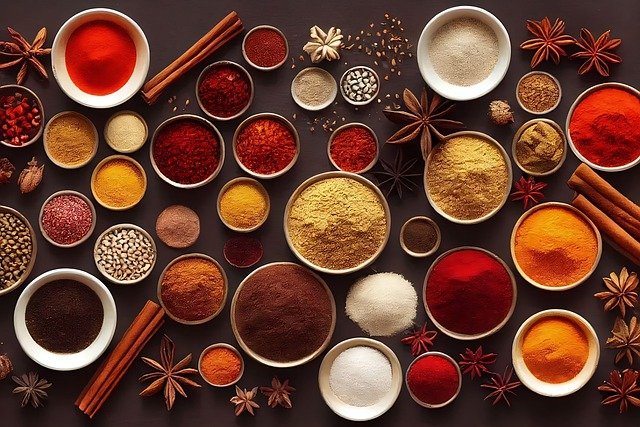
Saffron, derived from the delicate stigmas of the Crocus sativus flower, is the undisputed star of Persian spices. Known as “zafaran” in Farsi, it’s the most expensive spice globally due to its labor-intensive harvesting. In Persian cuisine, saffron imparts a subtle floral aroma, vibrant golden hue, and earthy sweetness to dishes like chelow (steamed rice) and sholeh zard (saffron rice pudding).
To use saffron effectively, toast the threads lightly and steep in hot water for 15-20 minutes to release its essence. A pinch is enough for four servings—overuse can make dishes bitter. Health-wise, saffron boasts antioxidants that combat inflammation and boost mood. Source high-quality Iranian saffron from specialty stores or online for authenticity. With saffron in your pantry, you’re one step closer to mastering Persian cuisine’s luxurious appeal.
2. Turmeric: The Earthy Anti-Inflammatory Powerhouse
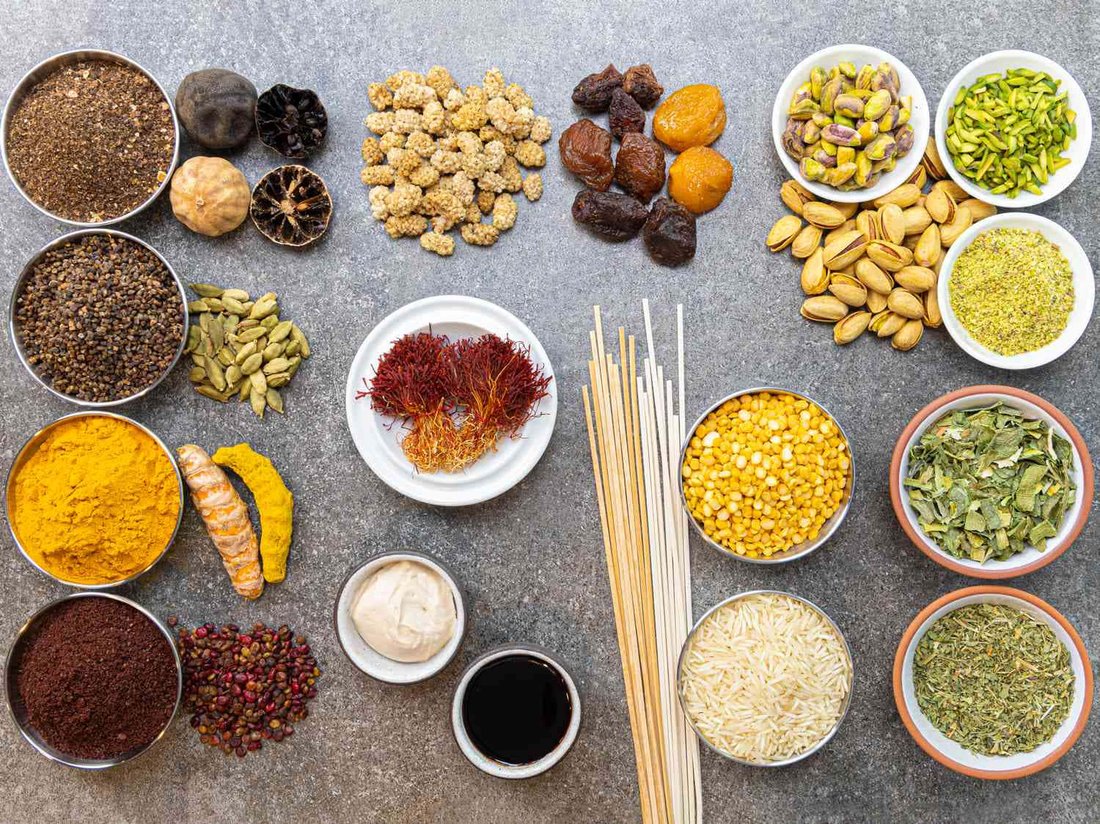
Turmeric, or “zardchoobe,” is a rhizome spice that lends a warm, mustardy flavor and bright yellow color to Persian dishes. Essential in marinades for jujeh kebab (chicken kebabs) and stews like fesenjan (walnut-pomegranate stew), it balances richness with its subtle bitterness.
Fresh turmeric root offers superior potency, but ground powder is convenient for everyday use. Persian recipes often pair it with black pepper to enhance curcumin absorption, aiding digestion and joint health. Add 1-2 teaspoons per pot of rice or soup. For SEO enthusiasts searching “turmeric in Persian cooking,” note its role in anti-inflammatory diets rooted in ancient Persian medicine. Stock up on organic turmeric to avoid additives and amplify your Iranian spice collection.
3. Sumac: The Tangy Citrus Substitute
Sumac berries, ground into a crimson powder, deliver a lemony tang without acidity, making it indispensable in Persian cuisine. Sprinkled over kabab koobideh (ground meat kebabs) or mixed into mast-o-khiar (yogurt-cucumber salad), sumac adds zing and visual pop.
Its antioxidants support heart health and digestion. Use 1 teaspoon per serving as a garnish or rub. Authentic Persian sumac is deep red and coarsely ground—avoid the dull varieties. For those querying “sumac spice uses in Iranian food,” it’s a game-changer for vegan Persian recipes, mimicking lemon in oil-free dressings. Integrate sumac to brighten your spice rack and dishes alike.
4. Cumin: The Warm, Nutty Staple
Cumin seeds or ground “jeereh” provide an earthy, nutty warmth central to Persian spice blends. Toasted cumin elevates sabzi polo (herb rice) and kuku sabzi (herb frittata), grounding herbal notes with smoky depth.
Rich in iron and aiding digestion, cumin’s volatile oils shine when dry-roasted. Use whole seeds for biryanis or ground for rubs. Persian cooks favor black cumin (siah jeereh) for its bolder profile. SEO tip: “Cumin in Persian recipes” leads searches for authentic flavor profiles. Essential for any kitchen aiming to master Iranian stews and breads.
5. Cinnamon: Sweet Spice for Savory Twists
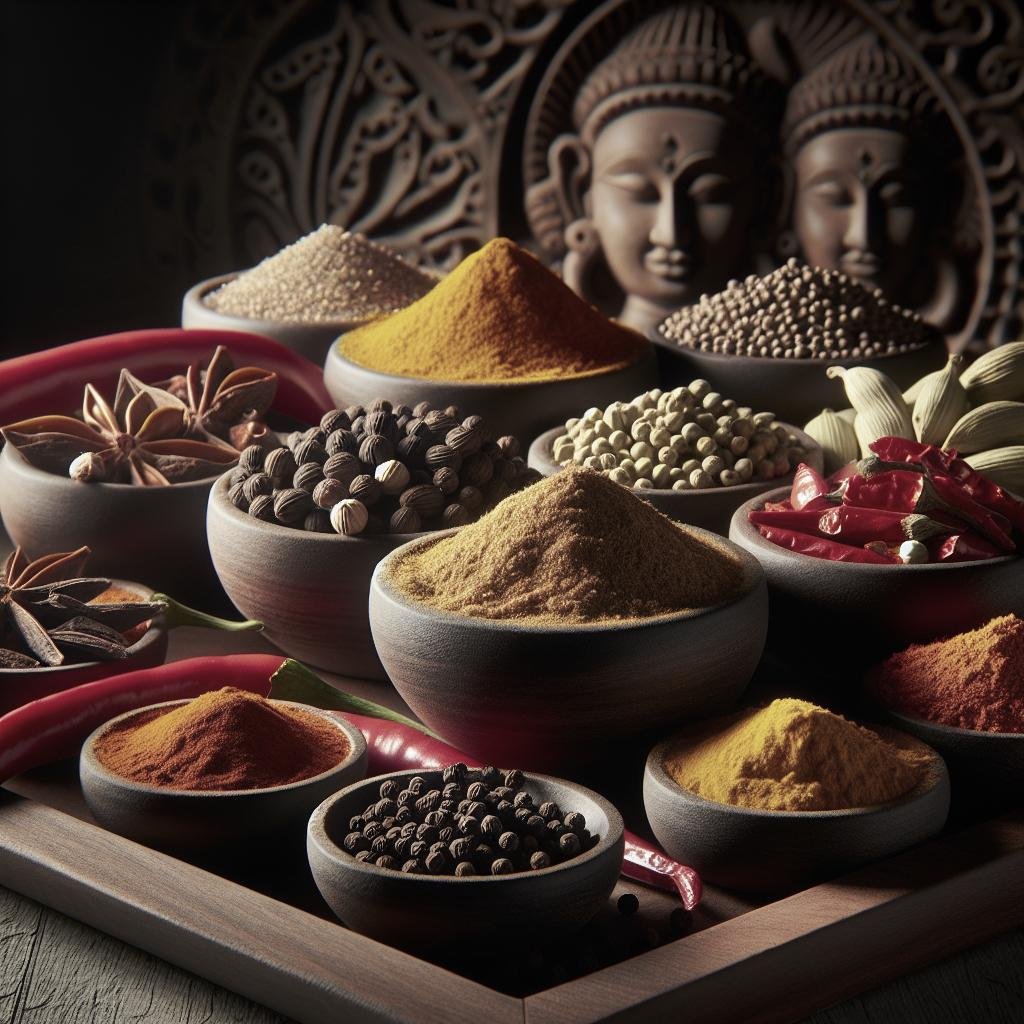
Cinnamon sticks or powder, “daarchin,” bridge sweet and savory in Persian cuisine. It stars in khoresh bademjan (eggplant stew) and jeweled rice, adding subtle sweetness that complements meats and fruits.
Its cinnamaldehyde offers antimicrobial benefits and blood sugar regulation. Simmer a stick in braises or dust ground over desserts. Ceylon cinnamon is milder and preferred in Iran. For “cinnamon uses in Persian food,” it’s vital for festive dishes like morasa polo. A must-have for aromatic Persian mastery.
6. Cardamom: Floral Pods of Elegance
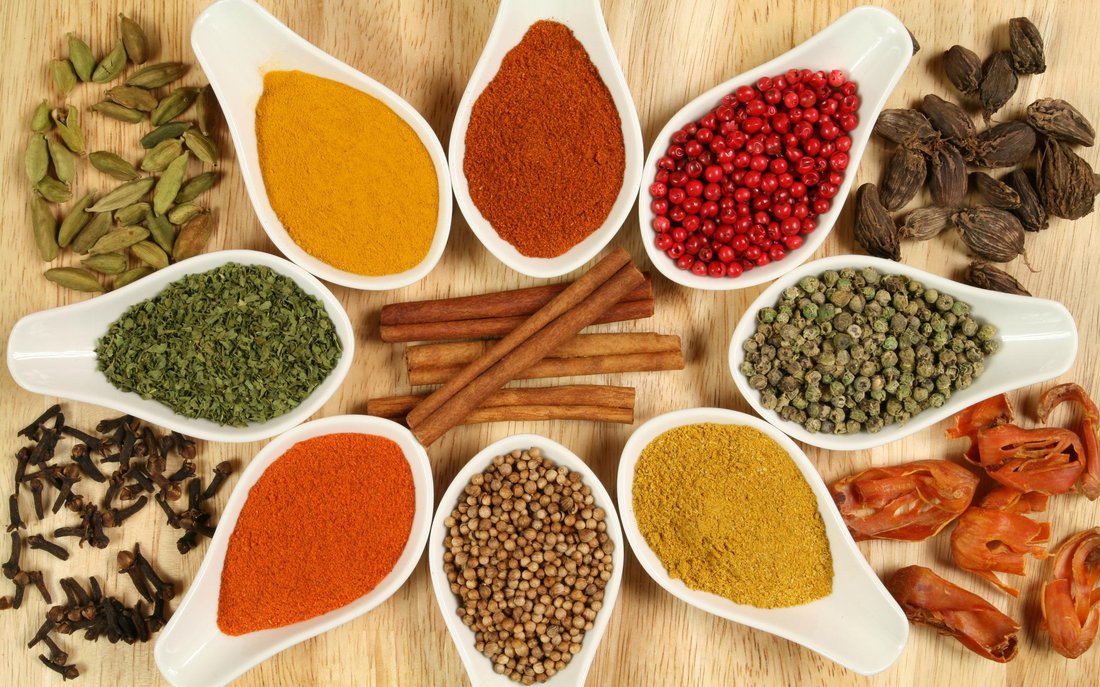
Green cardamom pods, “hel,” burst with citrusy, eucalyptus notes, perfect for Persian tea (chai) and rice dishes like baghali polo (dill rice with fava beans).
Crush pods lightly for infusion; it’s anti-nausea and breath-freshening. Use 4-6 pods per pot. Black cardamom adds smokiness for meats. Searches for “cardamom in Iranian cuisine” highlight its role in digestion-friendly meals. Elevate your brews and mains with this gem.
7. Dried Rose Petals: Poetic Floral Touch
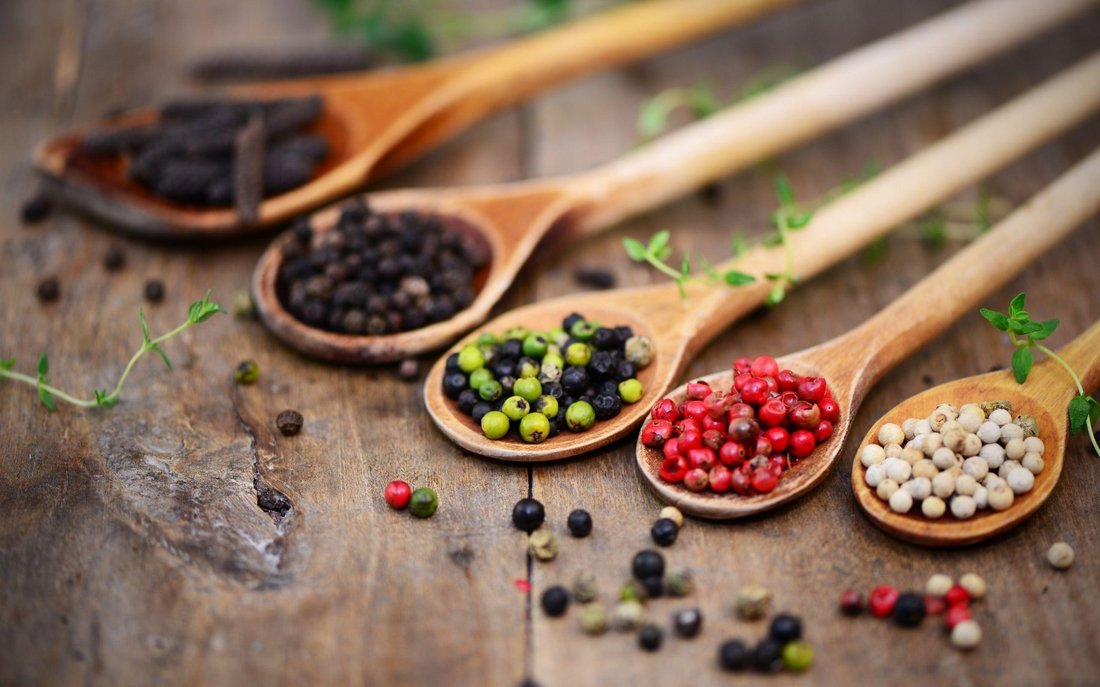
Dried rose petals, “gol mohammadi,” infuse Persian sweets like noghl (sugared almonds) and savory rice with romantic floral essence, evoking Persian gardens.
Grind into powder for dusting or steep for syrups. Antioxidant-rich, they soothe skin and stress. Source organic, pesticide-free petals. “Rose petals in Persian recipes” SEO draws dessert lovers. Delicate yet transformative for authentic flavors.
8. Advieh: The Quintessential Spice Blend
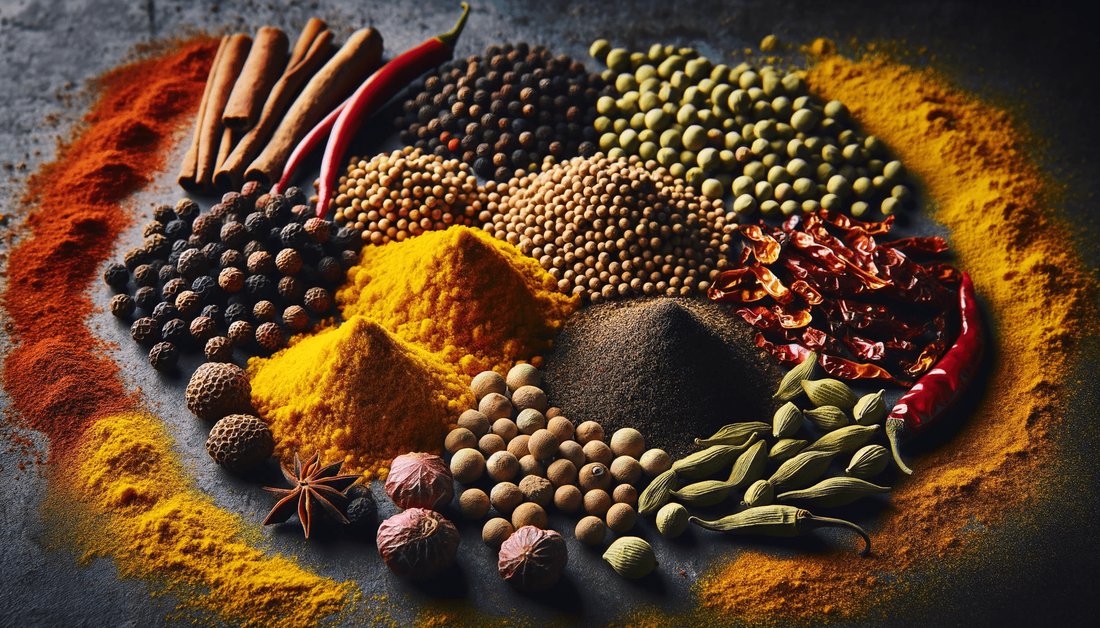
Advieh, a Persian mix of cinnamon, cardamom, cumin, and more, simplifies complex seasoning for rice and stews. Customizable, it’s the shortcut to Persian authenticity.
1 teaspoon per dish mimics hours of blending. Health perks from components include better metabolism. Buy or DIY for freshness. Key for “Persian spice mix recipes.”
9. Golpar: Angelica’s Citrusy Bite
Golpar, ground angelica seeds, offers celery-lime pungency, sprinkled on fruits, nuts, or ash (soups) for addictive contrast.
Digestive aid with detox properties. Use sparingly. “Golpar Persian spice” searches reveal its snack magic.
10. Dried Lime: Sour Depth from Limoo Amani
Pierced dried limes (limoo amani) perfume stews like ghormeh sabzi, adding fermented citrus sourness.
Powdered for rubs. Vitamin C-packed. Essential for “dried lime in Iranian cooking.”
Conclusion: Building Your Persian Spice Pantry
Mastering Persian cuisine demands these 10 essential spices: saffron, turmeric, sumac, cumin, cinnamon, cardamom, dried rose petals, advieh, golpar, and dried lime. Start with small quantities, store in airtight jars away from light, and experiment in classics like tahdig or kebabs. Beyond flavor, they offer health boosts from antioxidants to digestion aids. For SEO-driven discovery, share your Persian spice hauls online. Your kitchen is now primed for Iran’s culinary legacy—bon appétit, or as Persians say, “noosh-e joon!” (Word count: 1218)