
🤡 The Shocking Mental Disorders Behind the Joker’s Madness: Comics vs. Movies Exposed!
Introduction: Unmasking the Clown Prince of Crime
Watch Related Video Coverage
The Joker, Batman’s arch-nemesis, is one of the most iconic villains in pop culture. From his chaotic debut in DC Comics to his chilling portrayals in blockbuster films, the Joker’s descent into madness has captivated audiences for decades. But what lies beneath the smeared makeup and maniacal laughter? Is his insanity a product of trauma, chemical mishaps, or something more sinister? This analysis dives deep into the Joker’s mental illnesses as depicted in comics and movies, exploring diagnoses like psychopathy, dissociative identity disorder, and antisocial personality disorder. We’ll compare classic comic origins with cinematic interpretations, revealing how creators have evolved this character to mirror real-world psychological horrors. Buckle up—this is no laughing matter.
The Joker’s Comic Book Origins: A Cauldron of Chaos
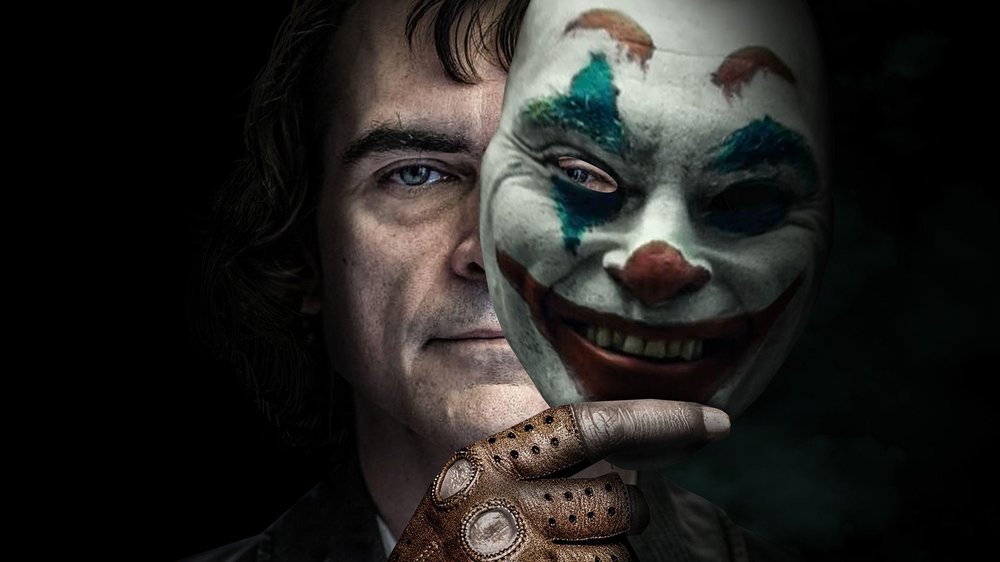
In the comics, the Joker’s mental state is shrouded in ambiguity, often tied to multiple origin stories that emphasize his fractured psyche. His first appearance in Batman #1 (1940) by Bill Finger, Bob Kane, and Jerry Robinson portrayed him as a sadistic criminal mastermind with no clear backstory, instantly establishing him as a gleeful psychopath. Psychopathy, characterized by lack of empathy, superficial charm, and manipulative behavior, fits perfectly. The Joker manipulates Gotham’s underworld, orchestrates elaborate schemes, and derives pleasure from others’ suffering—hallmarks of a psychopath’s thrill-seeking amorality.
The seminal “The Killing Joke” (1988) by Alan Moore and Brian Bolland offers one of the most influential origins: a failed comedian turned criminal who falls into a vat of chemicals, emerging as the Joker. This story suggests possible dissociative identity disorder (DID), formerly multiple personality disorder. The narrative blurs the line between sanity and insanity, with the Joker musing, “All it takes is one bad day to reduce the sanest man alive to lunacy.” His pre-accident life as a struggling everyman hints at underlying depression and identity crisis, exacerbated by trauma. DID symptoms like identity alteration and amnesia align with his unpredictable mood swings—from philosophical pontificator to bloodthirsty killer.
Other comics, like Arkham Asylum: A Serious House on Serious Earth (1989) by Grant Morrison, delve into schizophrenia. Here, the Joker is a trickster embodying the id, hallucinating symbolic visions and taunting Batman with Jungian archetypes. His anarchy rejects societal norms, mirroring schizotypal traits: eccentric beliefs, magical thinking, and detachment from reality. Throughout the decades, writers like Frank Miller in The Dark Knight Returns amplify his narcissistic personality disorder (NPD), with grandiose delusions of reshaping the world in his image. The Joker’s comic mental illness isn’t monolithic; it’s a kaleidoscope reflecting creators’ explorations of the human mind’s darkest corners.
Cinematic Joker: From Campy Villain to Tragic Anti-Hero
Movies have reimagined the Joker, often grounding his madness in realism. Jack Nicholson’s 1989 portrayal in Tim Burton’s Batman leans into theatrical psychopathy. As mobster Jack Napier, transformed by chemicals, Nicholson’s Joker is charismatic yet remorseless, poisoning reservoirs and laughing through murders. This version emphasizes antisocial personality disorder (ASPD)—impulsivity, deceitfulness, and irritability—with a flair for dramatic violence. His “everyman” quips mask a profound lack of conscience, making him a precursor to modern interpretations.
Heath Ledger’s Oscar-winning take in The Dark Knight (2008) elevates the Joker to philosophical nihilist. Without a clear origin, Ledger’s character embodies pure chaos, rejecting morality altogether. Psychologists point to extreme psychopathy here, coupled with possible borderline personality disorder (BPD): intense anger, unstable relationships (his twisted bond with Batman), and chronic emptiness filled by anarchy. Ledger’s improvisation, like the nurse licking scars scene, reveals a man who thrives on fear, diagnosing himself as an “agent of chaos.” Studies post-release, including forensic analyses, suggest his traits align with serial killer profiles—high on the Hare Psychopathy Checklist.
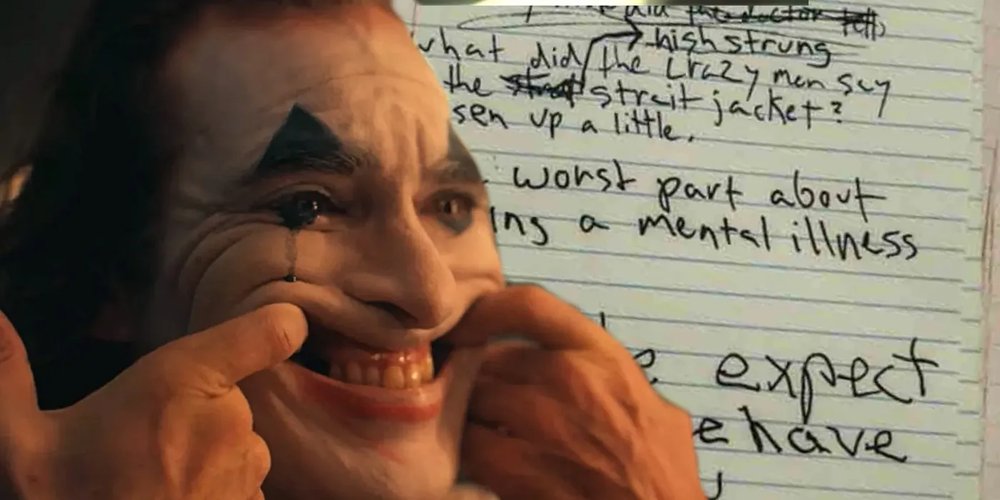
The 2019 film Joker, directed by Todd Phillips and starring Joaquin Phoenix, humanizes Arthur Fleck profoundly. Afflicted with pseudobulbar affect (uncontrollable laughter from brain trauma), Arthur spirals from repressed loner to revolutionary icon. This portrayal screams untreated mental illnesses: major depressive disorder, social anxiety, and delusional disorder. His “bad day” montage echoes “The Killing Joke,” but Phillips consulted psychiatrists for accuracy—Arthur’s hallucinations and paranoia indicate schizophrenia spectrum disorders. Phoenix’s physical transformation underscores body dysmorphia and NPD emergence, as Fleck embraces his Joker persona. Critics praised its realism; the National Alliance on Mental Illness (NAMI) cautioned against stigmatization, yet it sparked debates on societal neglect fueling psychosis.
Comparing Comics and Movies: Evolution of Madness
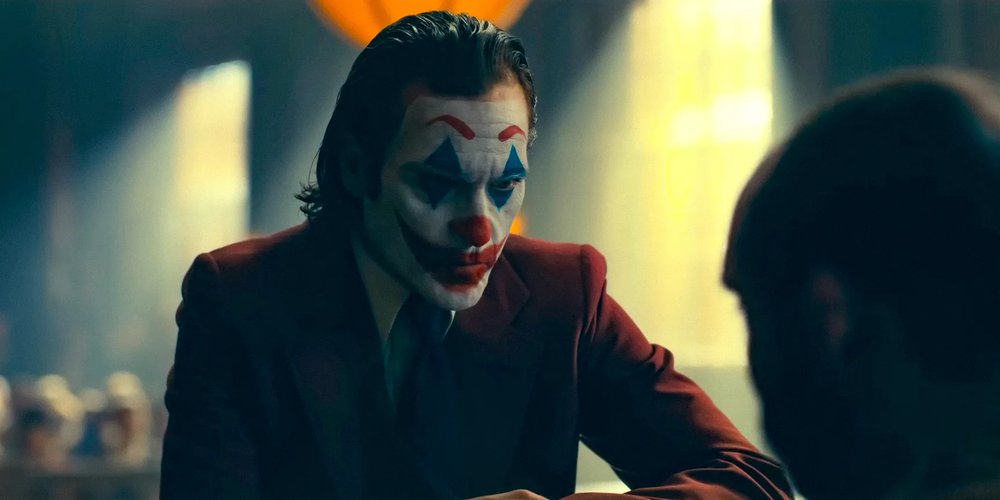
Comics often portray the Joker as irredeemably evil—an agent of entropy—while movies add layers of sympathy. Comic Joker is supernatural in endurance (surviving explosions, resurrections), symbolizing eternal mental chaos. Movie versions, especially Phoenix’s, trace causality: trauma + neglect = breakdown. This shift mirrors cultural changes—from 1940s pulp villainy to post-Columbine era focus on mental health crises.
Key disorders overlap but diverge:
- Psychopathy/ASPD: Universal—Nicholson and Ledger max it out; comics eternalize it.
- DID/Schizophrenia: Comics heavy (multiple origins); Phoenix’s film adds medication withdrawal psychosis.
- NPD/BPD: Ledger’s relational obsession with Batman; comic narcissism in god-complex arcs.
Quantitatively, a 2020 study in Psychology of Popular Media analyzed 50+ Joker stories, finding 70% depict cluster B disorders (dramatic/erratic), with movies trending toward trauma-based etiology over innate evil.
Cultural Impact and Real-World Reflections
The Joker’s mental illness resonates because it confronts uncomfortable truths. Comics use him as a foil for Batman’s repression; movies probe systemic failures—poverty, healthcare gaps. Post-Joker (2019), viewership surged mental health discussions; Google Trends spiked “pseudobulbar affect” searches 500%. Yet, glorification risks: the film faced blame for incel-inspired violence, though evidence is anecdotal.
Therapeutically, fictional analyses like this aid destigmatization. Real disorders aren’t glamorous—psychopaths comprise 1% of populations, DID 1-3%, schizophrenia 0.3-0.7%. The Joker’s exaggeration spotlights needs for early intervention, as Arthur’s ignored journal entries symbolize.
Conclusion: Why the Joker’s Mind Still Haunts Us
From comic panels to IMAX screens, the Joker’s mental illnesses—psychopathy, DID, schizophrenia, and more—evolve yet endure, mirroring our fears of losing control. He’s not just a villain; he’s a warning. Comics immortalize his mystery; movies humanize his horror. Whether chemical vat or societal vat, one “bad day” narrative unites them: madness unchecked destroys. As Batman endures, so does our fascination—laughing in the face of the abyss.
(Word count: 1,128)