
Disney’s Acolyte Bombshell: The REAL Reasons They Axed Star Wars’ Most Controversial Show!
Introduction: The Fall of The Acolyte
Watch Related Video Coverage
In a move that sent shockwaves through the Star Wars fandom, Disney+ officially canceled The Acolyte after just one season in August 2024. Billed as a bold new chapter in the Star Wars saga set during the High Republic era, the series promised fresh storytelling away from the Skywalker dynasty. Created by Leslye Headland, known for her work on Netflix’s Russian Doll, The Acolyte aimed to explore the dark side of the Force through a murder mystery lens. But despite high expectations and a massive $180 million budget, it became one of the most divisive entries in the franchise. Viewership plummeted, review scores tanked, and whispers of internal Disney turmoil grew louder. Why did Disney pull the plug so quickly? Let’s dive into the plot, cast, reception, and the gritty details behind the cancellation.
Plot Summary: A Sith Mystery in the High Republic
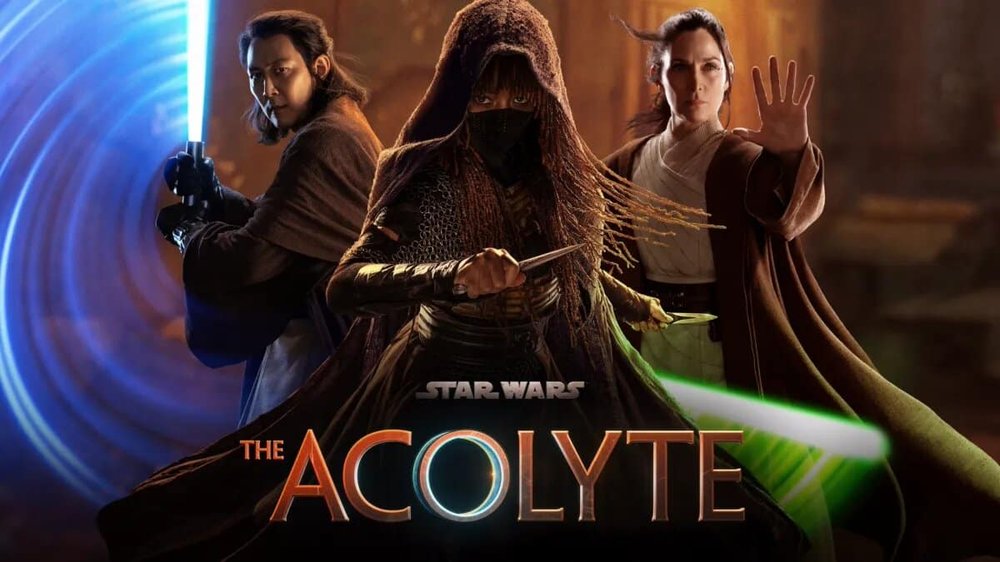
The Acolyte is set approximately 100 years before the events of The Phantom Menace, in the golden age of the Jedi Order known as the High Republic. The story follows twin sisters Osha and Mae, both played by Amandla Stenberg. Osha is a former Jedi padawan now working as a mechanic on a remote planet, while Mae is a masked assassin systematically targeting Jedi Masters who were involved in a tragic fire on their childhood home—a coven of Force-sensitive witches led by their mother, Mother Aniseya (Jodie Turner-Smith).
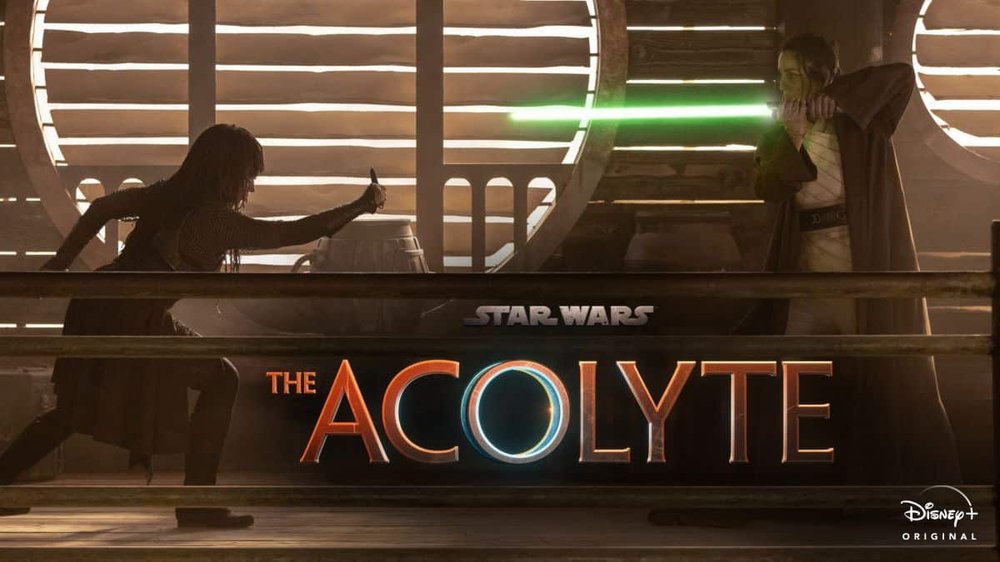
The plot kicks off when Mae murders Jedi Master Indara (Carrie-Anne Moss) in a gritty bar fight reminiscent of John Wick. Osha, wrongfully accused, teams up with her former master, Sol (Lee Jung-jae from Squid Game), to track down Mae and stop her rampage. As the investigation unfolds, shocking twists reveal deeper conspiracies: Sol’s hidden involvement in the witches’ massacre, the twins’ unique Force abilities, and the emergence of a mysterious Sith Lord pulling the strings.
Episodes build tension with lightsaber duels that feel more grounded and brutal than typical Star Wars fare, Force verité techniques (a pseudo-psychedelic Jedi mind trick), and explorations of Jedi flaws like institutional arrogance. The finale delivers a heartbreaking convergence of the sisters’ paths, Qimir (Manny Jacinto) unmasking as the Sith “Master,” and a cliffhanger teasing Sith power struggles. At eight episodes, it’s concise but leaves many threads dangling—threads Disney won’t get to tie up.
The Cast: Rising Stars and Veteran Talent
Amandla Stenberg’s dual role as Osha and Mae is the emotional core, showcasing vulnerability and rage in a performance that drew both praise for its nuance and criticism for its intensity. Lee Jung-jae brings gravitas as Sol, a Jedi haunted by his past, while Carrie-Anne Moss shines briefly as Indara in her signature action-hero mode. Manny Jacinto steals scenes as Qimir, evolving from comic relief bartender to seductive Sith apprentice—his shirtless reveal became a meme-worthy highlight.
Supporting players add depth: Jodie Turner-Smith as the enigmatic Aniseya, Dafne Keen (Logan) as padawan Jecki Lon, Charlie Barnett as cocky Jedi Yord Fandar, and Abigail Thorn (YouTube’s Philosophy Tube) as a no-nonsense Jedi enforcer. Even brief roles like Dean-Charles Chapman’s Kelnacca, a Wookiee Jedi, brought fresh life with practical effects over CGI. Headland assembled a diverse, international cast that reflected her vision of a more inclusive galaxy far, far away.
Production: A High-Stakes Gamble
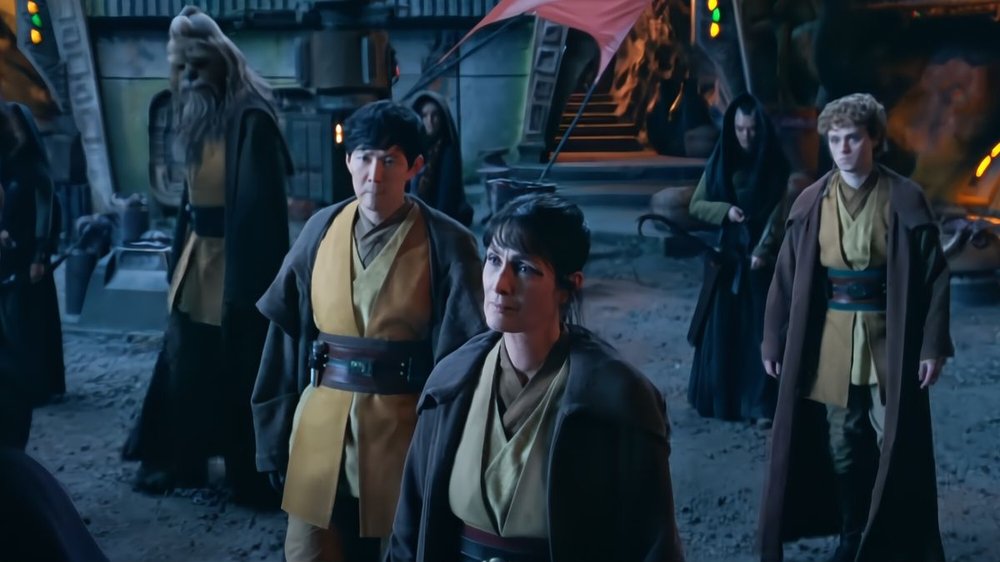
Announced in 2020 as Star Wars: Skeleton Crew before retooling, The Acolyte was greenlit under Kathleen Kennedy’s Lucasfilm with Headland as showrunner—marking the first live-action Star Wars led by an openly queer woman of color. Filming took place in the UK from 2022-2023, with a budget ballooning to $180-230 million due to elaborate sets, practical stunts, and ILM visuals. Directors included Headland, Kogonada, Alex Garcia Lopez, and Hanelle Culpepper, blending martial arts choreography with High Republic lore from novels like Light of the Jedi.
Lucasfilm consulted High Republic authors for authenticity, introducing elements like witch covens (echoing Nightsisters) and Sith secrecy under the Rule of Two’s shadow. The score by Michael Abels infused experimental dread, diverging from John Williams’ bombast. Marketing hyped it as “the real Sith origin story,” but early buzz was overshadowed by leaks and fan skepticism.
Reception: Hits, Misses, and Review-Bombing Fury
Critically, The Acolyte started strong with an 84% on Rotten Tomatoes from reviewers praising its fresh take, action, and performances. Outlets like Variety lauded the “grimy, grounded” fights, while The Hollywood Reporter called it “the most mature Star Wars since Andor.” However, audience scores cratered to 14-22% amid coordinated review-bombing on IMDb and Rotten Tomatoes—fueled by backlash against “woke” elements like diverse casting, queer subtext (Headland’s influence), and Jedi critiques seen as anti-franchise.
Viewership data was damning: Nielsen charts showed Episode 1 at 4.8 million views, dropping to 2.9 million by finale—far below Ahsoka‘s 14 million debut. Disney’s internal metrics reportedly pegged completion rates under 20%, a death knell for renewals. Controversies piled on: Stenberg’s social media activism drew harassment, Headland’s husband Patrick Somerville ties were scrutinized, and plot holes (like Force-healing inconsistencies) irked purists.
Why Disney Pulled the Plug: The Harsh Realities
Disney cited “strategic shifts” in a statement thanking Headland and cast, but insiders spill the tea. Lucasfilm sources told The Hollywood Reporter the show never recovered from a weak premiere; despite Episode 5’s lightsaber massacre boosting streams temporarily, overall numbers didn’t justify Season 2’s cost. CEO Bob Iger’s pivot to “quality over quantity” post-earnings calls targeted underperformers like The Acolyte, amid broader Star Wars fatigue after The Last Jedi wars and Sequels backlash.
Financially, the $180M+ spend (over $22M per episode) was untenable without Mandalorian-level returns. Creative clashes emerged: Headland pitched Sith-focused Season 2, but Disney hesitated on spoiling future films. Broader context includes Jon Favreau-Kennedy tensions and Iger’s mandate to course-correct “political messaging.” Review-bombing amplified poor word-of-mouth, tanking algorithms. Headland expressed disappointment but no bitterness, hinting at other projects.
Legacy and What’s Next for Star Wars
The Acolyte‘s cancellation underscores Disney’s challenges balancing innovation with fan expectations. It dared to humanize Jedi villains and explore moral grays, influencing upcoming High Republic projects like Young Jedi Adventures cartoons. Qimir’s arc teases unexplored Sith lore, potentially seeding films. Cast members like Jacinto are booking gigs (Top Gun 3), while Stenberg faces unfair scrutiny.
For Disney+, expect safer bets: Mandalorian & Grogu movie, Ahsoka S2, Andor S2. The Acolyte joins Willow and Obi-Wan Kenobi as one-and-done— a cautionary tale of ambition clashing with commerce. Fans debate if it was sabotaged or just flawed; either way, its bold swing missed, but echoes linger in the Force.
(Word count: 1,025)