
The Real Cost of Car Ownership Beyond the Sticker Price
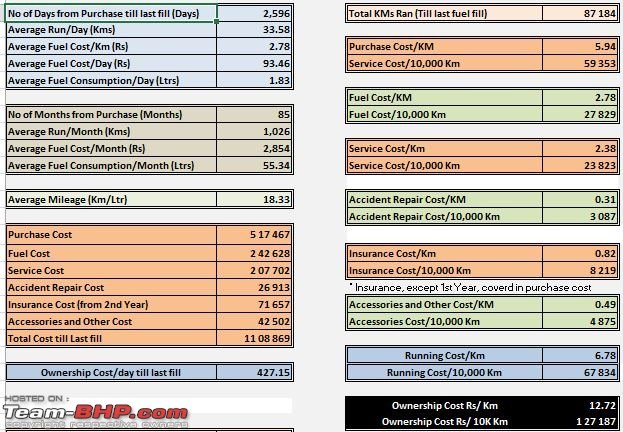
Buying a new car is an exciting milestone for many, but the sticker price is just the beginning. The real cost of car ownership extends far beyond that initial purchase, encompassing a range of ongoing expenses that can add tens of thousands of dollars over the vehicle’s lifespan. According to the American Automobile Association (AAA), the average annual cost of owning and operating a new vehicle in the U.S. is over $10,000, including fuel, maintenance, insurance, and depreciation. This article dives deep into these hidden costs of owning a car, helping you make informed decisions and budget effectively for long-term ownership.
Understanding the true cost of car ownership is crucial for financial planning. Whether you’re eyeing a sleek sedan, a rugged SUV, or an electric vehicle (EV), factors like depreciation, insurance premiums, fuel efficiency, and unexpected repairs can significantly impact your wallet. By breaking down these expenses, we’ll reveal how to calculate your personal total cost of ownership (TCO) and strategies to minimize them.
Depreciation: The Silent Wealth Killer
Feature Video
Depreciation is often the largest hidden cost of car ownership, representing the loss in a vehicle’s value over time. A new car can lose 20-30% of its value the moment you drive it off the lot, and up to 60% within the first five years. For a $30,000 sedan, that’s a $18,000 hit in half a decade.
Luxury brands like BMW or Mercedes depreciate faster due to high initial prices and rapid technological obsolescence, while reliable models from Toyota or Honda hold value better. Electric vehicles present a mixed bag: Tesla models retain value well thanks to demand, but others suffer from battery degradation concerns. To mitigate this, consider buying used cars, which have already absorbed the steepest depreciation curve, or leasing if you prefer driving new without long-term ownership burdens.
SEO tip for buyers: Research “car depreciation calculator” tools from Kelley Blue Book or Edmunds to forecast your specific model’s value loss, factoring in mileage, condition, and market trends.
Insurance Premiums: Protection That Doesn’t Come Cheap

Car insurance is non-negotiable, yet its costs vary wildly based on location, driving history, age, and vehicle type. The national average for full coverage is around $2,000 annually, but sports cars or high-theft models like the Dodge Charger can push premiums to $3,500 or more.
Factors inflating insurance costs include urban living (higher accident rates), young drivers (riskier profiles), and add-ons like comprehensive coverage for repairs. EVs often cost more to insure due to expensive battery replacements. Shopping around via comparison sites can save hundreds; bundling with home insurance or opting for higher deductibles lowers premiums but increases out-of-pocket repair costs.
Pro tip: Maintain a clean driving record and consider usage-based insurance (UBI) apps that track safe habits for discounts up to 30%.
Fuel and Energy Costs: The Daily Drain

Fuel expenses are a staple hidden cost of owning a car, averaging $1,500-$2,500 yearly depending on gas prices, commute distance, and efficiency. With U.S. averages at 25-30 MPG, a 12,000-mile annual driver might spend $2,000 on gasoline at $3.50/gallon.
Gas guzzlers like trucks exacerbate this, while hybrids and EVs shine: A Toyota Prius could halve fuel costs, and home-charged EVs drop to pennies per mile. However, public charging or long trips add up. Fluctuating oil prices and regional taxes amplify variability—California drivers pay more due to state levies.
To optimize, track mileage with apps, carpool, or switch to efficient models. Calculate your “cost per mile” by dividing annual fuel spend by miles driven for accurate comparisons.
Maintenance and Repairs: The Unpredictable Expense

Routine maintenance—oil changes, tire rotations, brake pads—runs $1,000+ yearly for new cars, escalating with age. Tires alone cost $600-$1,200 every 40,000-60,000 miles. Repairs skyrocket post-warranty: Transmissions ($3,000-$5,000) or engines ($4,000+) can bankrupt unprepared owners.
European luxury cars demand premium parts and labor, while domestics are cheaper to fix. Extended warranties offer peace of mind but rarely cover 100% costs. DIY for basics saves money, but professional service preserves resale value.
Budget 10-15 cents per mile for maintenance in your TCO. Pre-purchase inspections reveal looming issues, especially for used cars.
Registration, Taxes, and Fees: The Bureaucratic Bite

Annual registration fees average $50-$200, varying by state and vehicle weight. Sales tax on purchase (5-10%) adds thousands upfront, while property or “personal property” taxes in states like Virginia bill $300+ yearly based on assessed value.
EVs dodge gas taxes but face higher registration to fund roads. Emissions testing ($20-$50) and title fees pile on. Renewals, plates, and smog checks create a steady drip. Factor these into multi-year ownership costs— they total $500-$1,000 annually in high-tax areas.
Financing and Interest: Borrowing’s Hidden Toll
Financing spreads the sticker price but accrues interest: At 5% APR on a $30,000 loan over 60 months, you pay $3,800 extra. Subprime rates hit 10%+, doubling that. Zero-percent deals are rare and credit-dependent.
Leasing mimics financing with lower monthly payments but no equity buildup and mileage limits (10k-15k/year). Pay cash if possible to avoid interest entirely, or refinance for better rates. Opportunity cost matters: Loan payments tie up funds that could earn in investments.
Parking, Tolls, and Lifestyle Expenses
Urban dwellers face parking fees ($100-$500/month in cities like NYC), garage rentals, or tickets. Tolls on highways add $500+ yearly for commuters. Wash fees, detailing, and accessories inflate budgets.
Car ownership influences lifestyle: Vacations prioritize drivable spots, family size dictates SUV needs. Resale prep (detailing) costs $200+. These “soft” expenses often total $1,000/year overlooked in budgets.
Opportunity Costs: What You’re Really Paying

Beyond dollars, car ownership demands time (commutes, maintenance visits) and space (garage spots). Public transit or biking saves money and health benefits. TCO comparisons show: Owning vs. ridesharing (Uber at $0.50/mile) breaks even at low mileage.
Invest the “car fund” in stocks (7% average return) instead—$500/month saved compounds massively over years.
Strategies to Minimize the Real Cost of Car Ownership
1. Buy smart: Certified pre-owned (CPO) for warranty + value retention.
2. Maintain rigorously: Follow schedules to prevent breakdowns.
3. Go efficient: Hybrids/EVs for fuel savings.
4. Insure wisely: Shop annually, raise deductibles.
5. Drive less: Telecommute, consolidate trips.
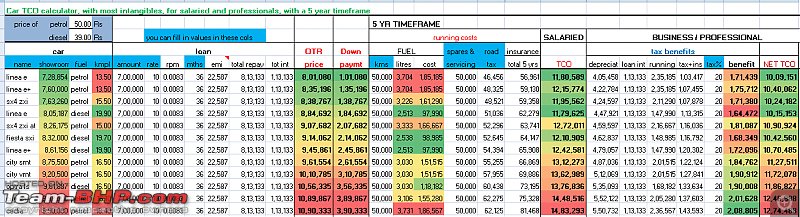
6. Use calculators: AAA, Edmunds TCO tools for projections.
Electric vehicles lower fuel/maintenance but spike insurance/depreciation—net savings depend on usage.
Conclusion: Plan for the Full Picture
The real cost of car ownership beyond the sticker price averages $0.50-$0.60 per mile, dwarfing purchase price over 10+ years. A $25,000 car owned for a decade tallies $80,000+ total. Arm yourself with TCO spreadsheets, realistic budgets, and alternatives like public transit to avoid financial pitfalls.
Whether financing a family hauler or splurging on a sports car, transparency on these hidden costs empowers smarter choices. Start calculating your numbers today—what’s your dream ride’s true price tag?
(Word count: 1,248)