
The 2024 Cyber Threat No One Saw Coming: How AI Hackers Will Steal Your Identity
Picture This: Your Voice, Your Face, Their Crime
Hey there, have you ever gotten one of those scam calls that sound just a tad off? The voice is familiar, but something’s weird. Now imagine it’s your boss calling from your own cloned voice, urgently asking for your login credentials because “the company’s servers are down.” Or worse, it’s your mom, sounding panicked, begging for wire money for a fake emergency. In 2024, this isn’t sci-fi—it’s the new normal thanks to AI hackers. They’re not your typical keyboard warriors in hoodies; they’re wielding artificial intelligence like a digital Swiss Army knife to steal your identity faster and sneakier than ever before.
I remember reading about a case last month where a finance worker in Hong Kong lost $25 million because scammers used AI to mimic his chief financial officer’s voice during a video call. No one batted an eye. That’s the threat no one saw coming: AI isn’t just automating hacks; it’s making them personalized. Buckle up, because I’m diving into how this works and why your data is the prime target.
Why AI Changes the Game for Identity Theft
Traditional hackers relied on brute force—phishing emails with bad grammar, password sprays, or dumpster diving for info. Boring, right? AI flips the script. It learns from massive datasets of your online life: social media posts, voice memos on TikTok, photos from vacations. Tools like ElevenLabs or open-source voice cloners can generate a perfect replica of your voice from just three minutes of audio. Your face? Midjourney or Stable Diffusion can craft deepfake videos indistinguishable from the real you.
Here’s the scary part: these aren’t lab experiments. In 2024, consumer-grade AI apps make this accessible to any script kiddie with a laptop. No PhD required. Hackers feed in your public data—LinkedIn profile pic, Instagram stories, YouTube vlogs—and boom, they’ve got a digital twin. This isn’t about stealing your credit card; it’s impersonating you to empty bank accounts, take out loans, or even commit crimes in your name.

Deepfakes: The Ultimate Impersonation Tool
Deepfakes have evolved from porn memes to corporate nightmares. Remember that viral video of Obama saying wild stuff? That was child’s play. Now, AI hackers create real-time deepfakes for Zoom calls or Face ID bypasses. Apps like DeepFaceLive swap faces live, fooling biometric security. Your bank’s app asks for a selfie? AI generates one on the fly.
Think about it: you post a family reunion video on Facebook. Hackers scrape it, train a model, and next thing you know, “you” are on a video confessing to fraud or authorizing a massive transfer. In tests by cybersecurity firms like Darktrace, these fakes beat human detectors 90% of the time. And with multimodal AI like GPT-4o, they sync voice, facial expressions, and even your quirky laugh. Chilling, huh?
AI-Powered Phishing: Smarter Than Your Spam Filter
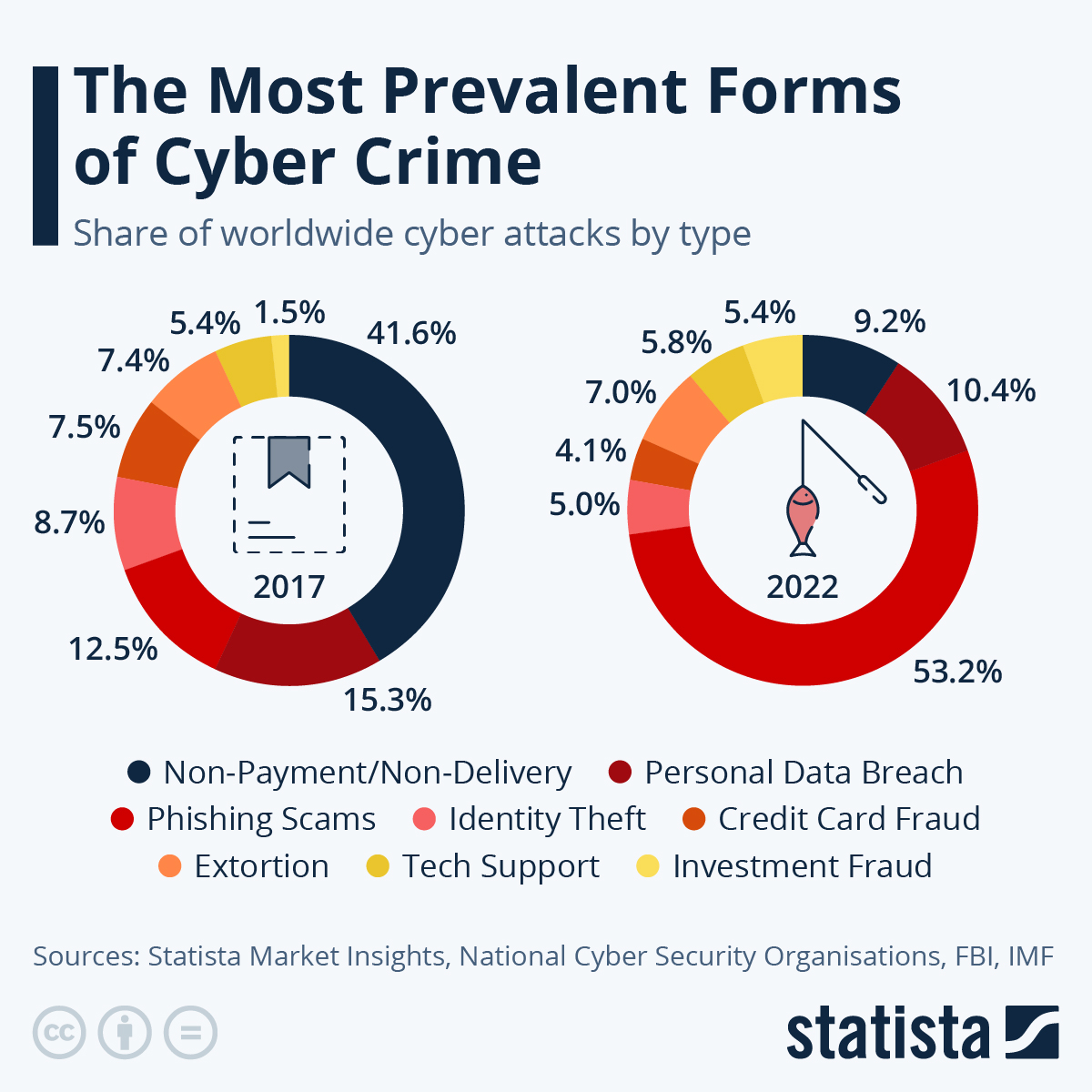
Phishing emails used to scream “scam!” with typos and sketchy links. AI writes copy that mirrors your email style—pulled from leaked breaches like the 2023 MOVEit hack exposing billions of records. Tools like FraudGPT (the dark web’s ChatGPT) craft personalized lures: “Hey [Your Name], saw your post about the marathon—congrats! Quick question on that shared doc.”
But it gets worse. AI agents autonomously scout targets. They crawl your socials, analyze connections, and launch spear-phishing at scale. One AI bot could hit thousands, adapting in real-time if you ignore it. Voice phishing (vishing) amps up with AI callers that hold conversations, answering your questions convincingly. “No, Grandma’s not in the hospital; it’s a mix-up.” By the time you verify, your identity’s gone.
Your Digital Footprint: The Hacker’s Goldmine
We’ve all heard “don’t overshare online,” but AI makes every crumb count. That fitness tracker data? Reveals your routines. Smart home cams? Hacked for voice samples. Public records, voter rolls, even your grocery list from Instacart—AI correlates it all into a profile so accurate, it predicts your passwords (yep, those “P@ssw0rd2024” gems).
In 2024, “prompt injection” attacks trick AI systems themselves. Hackers poison your own tools—like telling Siri to reveal saved data. Identity theft rings use this to build “fullz” packages: SSN, address, biometrics. Sold on Telegram for pennies, then weaponized. The FBI reported a 300% spike in AI-assisted ID theft last quarter. Your shadow online is now a liability.
Real 2024 Horror Stories (Yes, They’re Happening)
Don’t believe me? Let’s talk cases. In March, a UK exec wired £17 million after an AI deepfake board meeting—executives’ faces swapped seamlessly. April saw a U.S. teen’s identity stolen via AI-cloned Snapchat videos, leading to $50k in fraudulent loans. And in Asia, “pig butchering” scams evolved with AI girlfriends who build trust over months before the heist.
Even celebs aren’t safe. A deepfake of Taylor Swift’s voice promoted crypto scams, raking in millions. These aren’t outliers; CrowdStrike predicts 80% of breaches by year’s end will involve AI. It’s here, folks.
Shield Yourself: Practical Steps Before It’s Too Late
Okay, enough doom—let’s arm you. First, lock down your digital footprint. Scrub old social posts with tools like DeleteMe. Use unique, manager-generated passwords via Bitwarden, and enable 2FA everywhere—preferably hardware keys like YubiKey, which laugh at deepfakes.
Verify everything. That urgent call from “family”? Hang up, call back on a known number. Banks pushing voice biometrics? Opt out for PINs. Install AI detectors like Hive Moderation for suspicious media. Train your eye: unnatural blinks, lip-sync glitches, background noise inconsistencies.
Pro tip: Use privacy-focused services—Signal over SMS, ProtonMail. Freeze your credit with Equifax/TransUnion. And audit apps; revoke access to dormant ones. For businesses, deploy AI defenders like SentinelOne that hunt anomalous behavior.
Finally, stay informed. Follow cybersecurity newsletters (shoutout to Krebs on Security). Awareness is your first line of defense. AI hackers thrive on surprise—don’t give it to them.
The Future Is Now: Wake Up and Fight Back
2024’s AI threat isn’t “if”—it’s “when.” But you’re smarter than the average bear reading this. By understanding how they steal your identity—deepfakes, smart phishing, data mining—you can stay one step ahead. Share this post, talk to your family, and let’s make identity theft yesterday’s news. What’s your biggest cyber worry? Drop it in the comments. Stay safe out there.