
The Science of Learning: Effective Study Techniques for Any Subject
Introduction to the Science of Learning
Feature Video
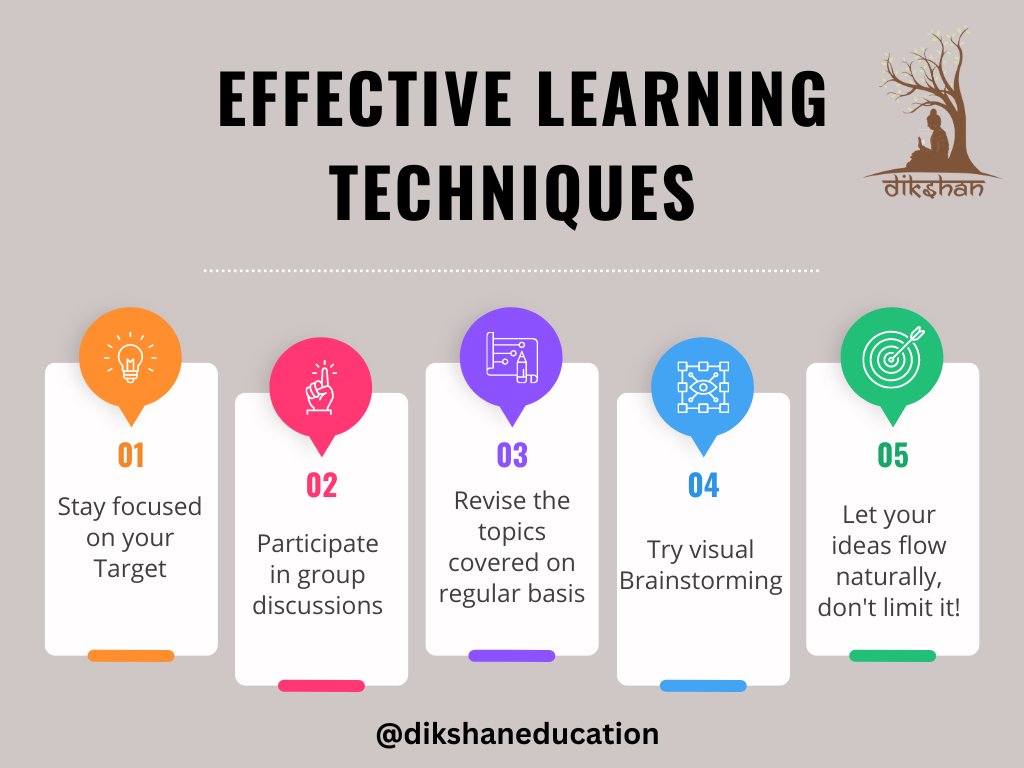
In today’s fast-paced world, mastering effective study techniques is essential for students, professionals, and lifelong learners alike. The science of learning draws from cognitive psychology, neuroscience, and educational research to reveal how our brains best acquire, retain, and apply knowledge. Forget cramming all night or passively rereading notes—these outdated methods lead to short-term gains but poor long-term retention. Instead, evidence-based strategies like active recall and spaced repetition can transform your study habits, boosting efficiency across any subject, from math and science to history and languages.
This article explores the science-backed study techniques that work for everyone. By understanding how memory formation, attention, and neuroplasticity play roles, you’ll learn practical tips to study smarter, not harder. Whether preparing for exams, upskilling at work, or pursuing personal interests, these methods promise higher retention rates—studies show up to 200% improvement in recall. Let’s dive into the neuroscience and actionable steps to elevate your learning game.
The Foundations of Effective Learning: How Your Brain Works
At the core of the science of learning is memory consolidation, where short-term memories solidify into long-term storage via the hippocampus and prefrontal cortex. Techniques that leverage this process outperform passive review. Research from psychologists like Ebbinghaus on the forgetting curve demonstrates we forget 70% of new information within 24 hours without reinforcement.
Neuroplasticity, the brain’s ability to rewire itself, thrives on challenge and repetition. Effective study techniques create “desirable difficulties”—mild struggles that enhance encoding. A meta-analysis in Psychological Science in the Public Interest confirms that testing yourself beats restudying by 50% in retention. Building on this, we’ll cover techniques optimized for any subject, adaptable to visual learners, auditory processors, or kinesthetic types.
Active Recall: The Gold Standard for Retention
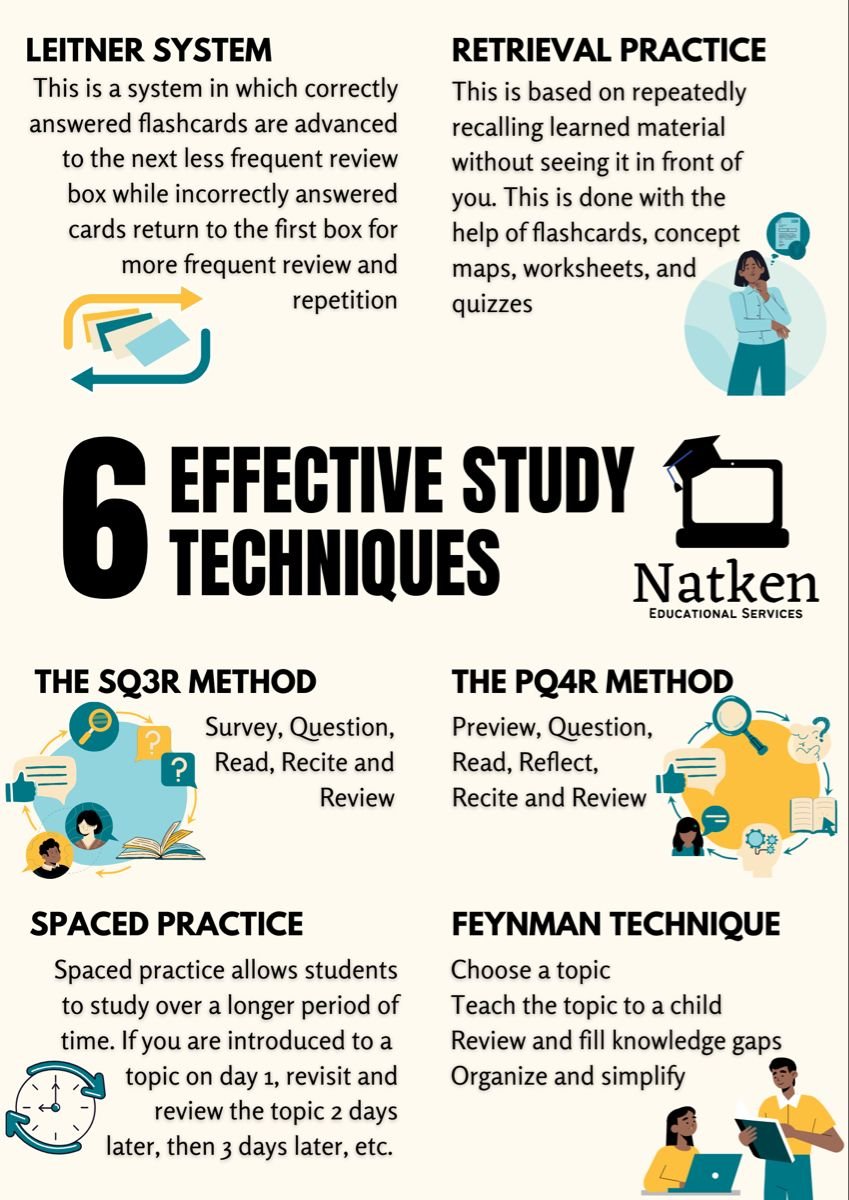
Active recall tops the list of effective study techniques, forcing your brain to retrieve information without cues. Unlike highlighting or summarizing, which create illusions of mastery, active recall mimics real-world application. A study by Henry Roediger and Jeffrey Karpicke found students using recall retained 80% more after a week than those who restudied.
To implement: Close your textbook and quiz yourself with flashcards or questions. Apps like Anki or Quizlet automate this. For math, solve problems from scratch; for history, write timelines without notes. Start sessions with 10 minutes of recall to prime your brain. This technique strengthens neural pathways, making knowledge accessible under pressure—like during exams. Across subjects, it reduces study time by 30% while improving grades.
Spaced Repetition: Combating the Forgetting Curve

Spaced repetition schedules reviews at increasing intervals, aligning with Ebbinghaus’s forgetting curve. Instead of massed practice (cramming), space sessions: review today, tomorrow, in three days, then weekly. Software like SuperMemo or Anki uses algorithms to predict optimal timing based on your performance.
Evidence from a Proceedings of the National Academy of Sciences study shows spaced learners outperform cram-only groups by double in long-term tests. For languages, review vocabulary daily then bi-weekly; for science, revisit formulas post-lecture. Customize intervals: if you ace a card, extend the gap; struggle, shorten it. This method embeds knowledge deeply, ideal for any subject requiring cumulative mastery.
Interleaved Practice: Mixing It Up for Better Mastery

Interleaved practice shuffles topics instead of blocking one (e.g., all algebra then geometry). This builds discrimination skills, helping you choose the right strategy. UCLA researcher Robert Bjork’s work reveals interleaving improves problem-solving by 40% over blocking.
Practice tip: In a 60-minute session, alternate physics problems, biology diagrams, and chemistry equations. For humanities, mix essay outlines on different eras. It feels harder initially—your brain resists—but final test scores soar. A Journal of Experimental Psychology experiment with math students confirmed 43% better results. Versatile for any subject, it simulates real-life complexity.
The Feynman Technique: Simplify to Understand
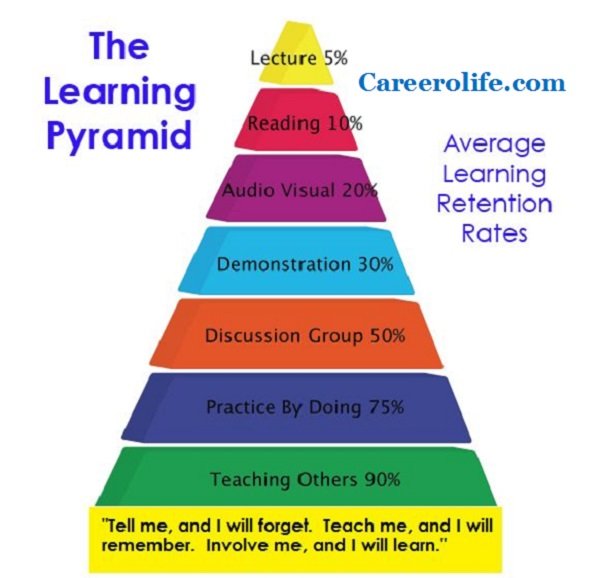
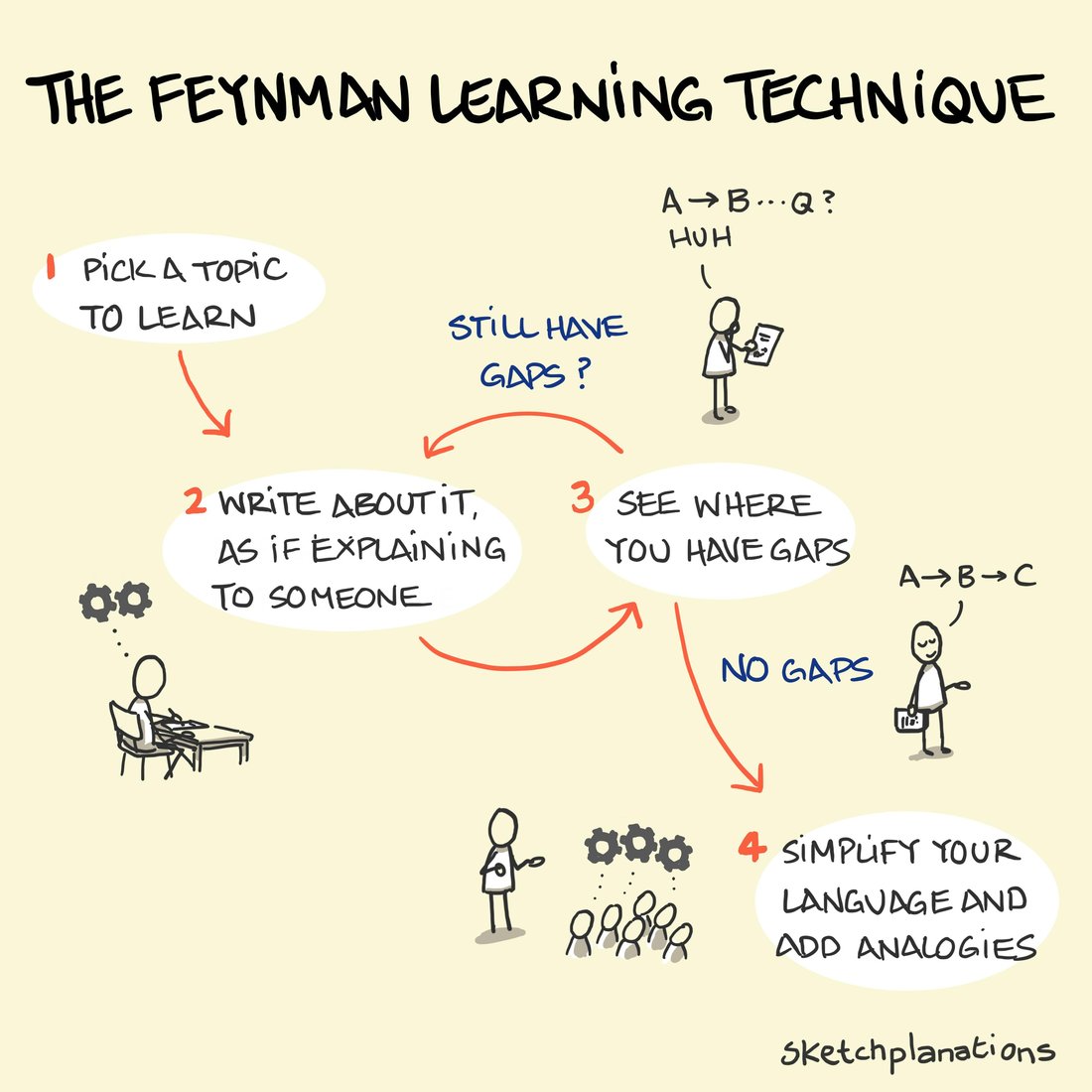
Named after physicist Richard Feynman, this technique involves explaining concepts as if teaching a child. It exposes knowledge gaps, promoting deep comprehension. Steps: 1) Choose a topic; 2) Write an explanation in simple terms; 3) Identify gaps and revisit sources; 4) Simplify further, using analogies.
Studies in Cognitive Science validate that self-explanation boosts transfer learning—applying knowledge to new contexts—by 30%. For biology, explain photosynthesis like a story; for economics, use everyday examples. Record yourself or teach a friend. This shines in complex subjects, turning rote memorization into genuine insight.
Pomodoro and Focused Attention: Managing Study Sessions
The Pomodoro Technique—25 minutes focused work, 5-minute break—leverages ultradian rhythms, preventing burnout. Created by Francesco Cirillo, it’s backed by attention research showing peak focus lasts 20-30 minutes before cognitive fatigue.
Combine with a distraction-free environment: silence notifications, use apps like Focus@Will. After four cycles, take 15-30 minutes off. A Computers in Human Behavior study found Pomodoro users studied 25% longer with better retention. Pair with active recall for synergy. Effective for any subject, it builds discipline and combats procrastination.
Dual Coding and Multisensory Learning

Dual coding theory by Allan Paivio posits combining visuals and words enhances memory via separate channels. Sketch diagrams alongside notes; mind maps for interconnections. Research in Educational Psychology Review shows dual coders recall 65% more.
For history, timeline graphics with bullet points; science, labeled illustrations. Tools like Canva or draw.io help. Multisensory adds: speak aloud, use gestures. This technique suits visual-heavy subjects but adapts universally, doubling encoding strength.
The Role of Sleep, Exercise, and Nutrition in Learning
Beyond techniques, lifestyle amplifies the science of learning. Sleep consolidates memories—Harvard studies link 7-9 hours to 20-40% better retention. Exercise boosts BDNF, a neuroplasticity protein; 30 minutes daily enhances cognition per Journal of Cognitive Neuroscience.
Nutrition: Omega-3s from fish aid hippocampus function; hydration prevents 10-20% performance drops. Avoid sugar crashes. Integrate: Study mornings post-exercise, review before bed. These “meta-techniques” underpin all others.
Conclusion: Implement and Track Your Progress
The science of learning proves effective study techniques like active recall, spaced repetition, and interleaving outperform traditional methods, adaptable to any subject. Start small: pick two techniques this week, track with a journal or app. Expect initial discomfort—it’s the sign of growth.
Consistent application yields compounding results: higher grades, faster skill acquisition, lifelong advantages. Resources like “Make It Stick” by Brown et al. deepen insights. Embrace these evidence-based strategies, and unlock your brain’s full potential. Study smarter today—what’s your first technique?