
10 Hidden Tricks Stores Use to Make You Spend More Money
Introduction: Why Stores Always Seem to Win Your Wallet
Feature Video
Ever walked into a store for a single item and left with a cart full of unexpected purchases? You’re not alone. Retailers have mastered the art of psychological manipulation to boost sales. These hidden tricks stores use to make you spend more money are rooted in consumer behavior science, carefully designed to influence your decisions subconsciously. From clever store layouts to sensory stimuli, understanding these tactics empowers you to shop smarter. In this article, we’ll uncover 10 proven strategies retailers deploy, backed by research and real-world examples. By the end, you’ll spot these ploys and keep more cash in your pocket.
1. The Maze-Like Store Layout: Slowing You Down for Impulse Buys
One of the most effective hidden tricks stores use to make you spend more money is the deliberate design of store layouts. Grocery stores like supermarkets place milk and bread—essentials—at the farthest end, forcing you to traverse aisles filled with tempting snacks and gadgets. This “decompression zone” near the entrance distracts you with flashy displays, slowing your pace and exposing you to more products.
Studies from Cornell University show that this layout increases time spent in-store by 20-30%, directly correlating with higher spending. Retailers like IKEA take it further with their one-way paths, turning shopping into a mandatory journey through every department. The result? Shoppers buy 30% more than planned. To counter this, make a list and stick to the perimeter for necessities.
2. Charm Pricing: Why $9.99 Feels Like a Steal
Charm pricing, or the 9-ending trick, is a psychological hack where prices end in .99 instead of rounding up. This exploits the left-digit effect—your brain registers $9.99 as closer to $9 than $10, creating an illusion of savings. Research from MIT and the University of Chicago confirms it boosts sales by up to 24%.
High-end stores use $199 instead of $200 for the same reason. Even online giants like Amazon employ this across millions of listings. Next time you see that “bargain,” calculate the true value—it’s often just perceptual trickery designed to make you spend more without noticing.
3. Sensory Seduction: Scents, Sounds, and Lights That Hypnotize
Stores weaponize your senses to trigger emotional buying. Bakeries pump fresh bread scents near entrances, increasing appetite and sales by 15-20%, per a Neurological Research study. Fast-paced music in clothing stores energizes shoppers, leading to quicker, impulse-driven purchases, while slower tunes in supermarkets encourage lingering and browsing.
Bright lighting highlights premium items, making them irresistible. Luxury brands like Sephora use dimmer lights for an exclusive feel, heightening perceived value. These multisensory cues bypass rational thought, making you spend more on “must-haves.” Awareness is your shield—pause and question if the vibe is influencing you.
4. Checkout Lane Temptations: The Impulse Buy Black Hole
Those candy bars and magazines at the register aren’t random—they’re placed at eye level for bored, waiting customers. Known as the “grab-and-go” zone, this tactic generates up to 40% of impulse sales in convenience stores, according to Retail Dive. Smaller, affordable items under $5 create “micro-transactions” that add up unnoticed.
Supermarkets position them perfectly for adults and kids alike. To avoid falling for it, look away, use self-checkout, or bring a snack to curb hunger-driven buys. Retailers refine this yearly based on sales data, proving it’s a calculated ploy to extract extra dollars.
5. The Decoy Effect: Manipulating Choices with Fake Options

The decoy effect introduces a less attractive option to make the target product shine. For example, a store offers small popcorn for $3, medium for $6.50, and large for $7—making the large seem like a deal. Dan Ariely’s research in “Predictably Irrational” shows this sways 40% of buyers toward the pricier option.
Subscription services and electronics stores use it masterfully. By understanding this cognitive bias, you can ignore decoys and choose based on actual needs, saving significantly on manipulated “upgrades.”
6. Scarcity and Urgency: “Limited Time Only” Pressure

Fake scarcity—like “Only 3 left!” or “Sale ends today!”—triggers FOMO (fear of missing out). Behavioral economist Robert Cialdini’s principles of persuasion confirm it increases purchase intent by 30%. Flash sales on sites like Booking.com exemplify this, with countdown timers spiking conversions.
Physical stores use “low stock” signs strategically. Combat it by sleeping on decisions; true deals wait, engineered urgency doesn’t. This trick preys on impulsivity to make you spend more immediately.
7. Anchoring: High Prices Set the Spending Bar
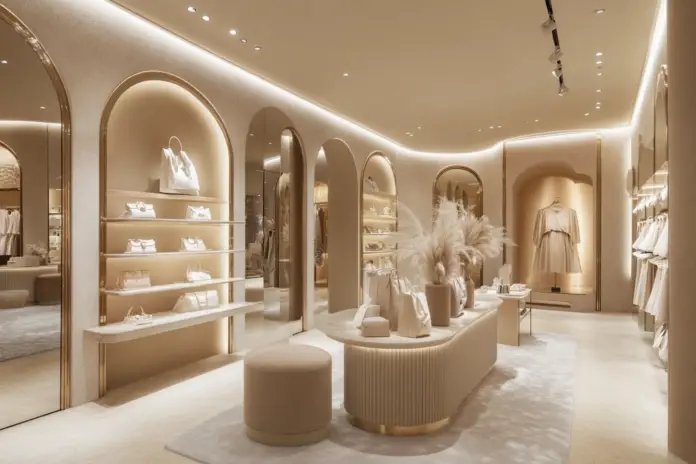
Retailers display premium items first as “anchors,” making subsequent products feel affordable. A $1,000 watch next to a $200 one? Suddenly, $200 is a bargain. Kahneman and Tversky’s prospect theory explains how initial prices bias perceptions, leading to 15-25% overspending.
Car dealerships and department stores thrive on this. Start shopping with a budget anchor in mind to neutralize it.
8. Bundling and BOGO Deals: Perceived Value Traps
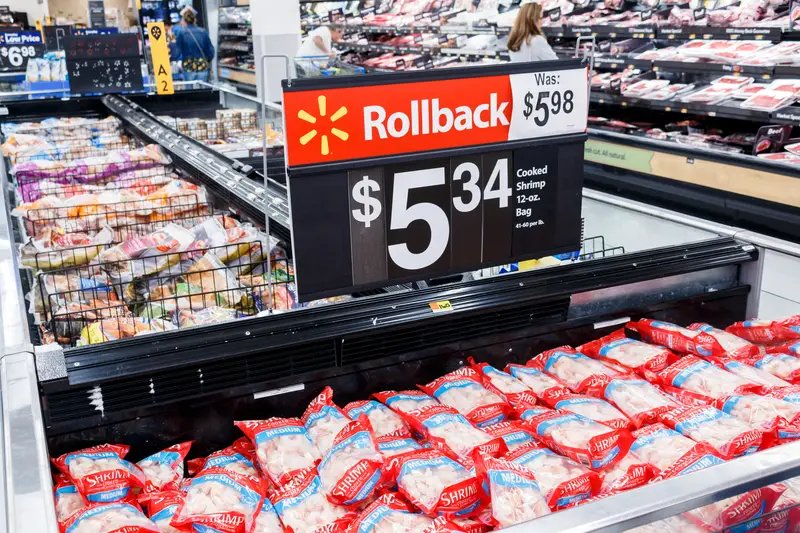
“Buy one, get one free” or bundles seem generous but often lead to buying more than needed. A Harvard Business Review analysis found BOGO increases unit sales by 30-50%, as consumers stockpile “deals.” Smaller package sizes in bundles hide true costs.
Fast-food combos are classic examples. Evaluate if you’d buy singles at full price—usually not, revealing the spend-more scheme.
9. Loyalty Programs: The Long Game for Repeat Spending
Points, stamps, and apps lock you in with “free” rewards after big spends. Data from McKinsey shows loyalty members spend 20% more. Stores track habits to personalize upsells, like Starbucks suggesting add-ons.
These programs create sunk-cost fallacy—you keep returning to “earn” rewards. Review terms; many expire or require excessive spending.
10. Staff Scripts and Social Proof: Human Persuasion
Trained staff use phrases like “This is our bestseller” for social proof, validated by Cialdini’s work showing it influences 93% of purchases. Free samples lower defenses, boosting sales by 200% in tests.
They mirror your language to build rapport. Politely decline and trust your research over pitches.
Conclusion: Shop Smart, Spend Less
These 10 hidden tricks stores use to make you spend more money reveal retail’s sophisticated playbook. From layouts and pricing to psychology and senses, awareness turns the tables. Implement countermeasures: budget strictly, shop lists, question deals, and avoid sensory overload. Next grocery run or mall trip, you’ll save hundreds. Share this knowledge—knowledge is the ultimate consumer power. (Word count: 1,248)