
Solar Power’s Dirty Secret: Why It’s Cheaper Than Ever (And Big Oil Hates It)
Ever Wonder Why Your Power Bill Feels Like a Rip-Off?
Picture this: You’re staring at your latest electricity bill, cursing under your breath as the numbers climb higher than Mount Everest. Meanwhile, out there in the world, solar power is crashing the party like the cheapest beer at a bar—getting cheaper by the minute. Yeah, you heard that right. Solar’s “dirty secret” isn’t some toxic waste scandal (we’ll get to the myths later). It’s that it’s now dirt cheap, and the old guard of fossil fuels is sweating bullets. Buckle up, because I’m about to spill the tea on why solar is winning, and why Big Oil wishes it would just go away.
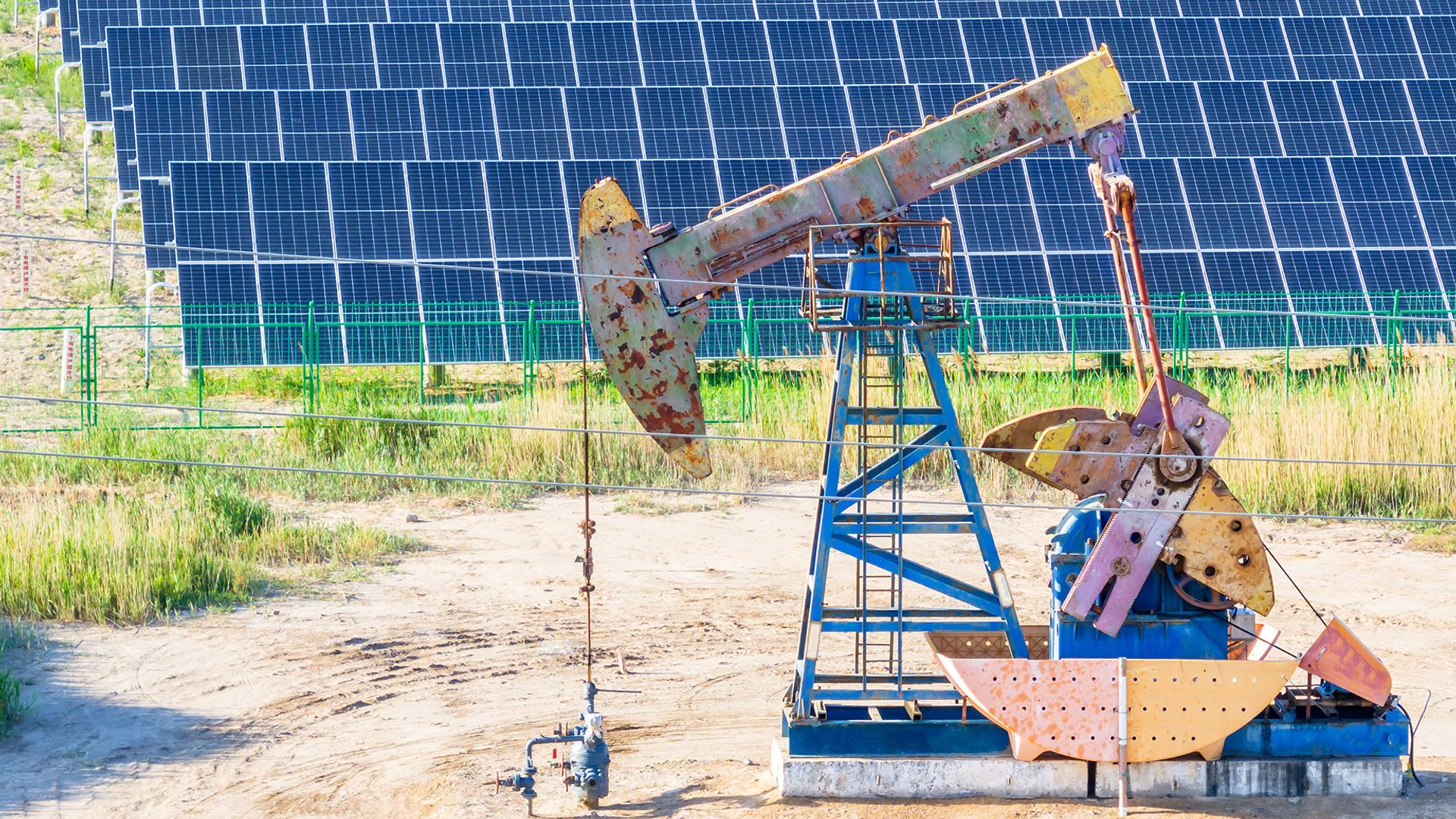
The Jaw-Dropping Price Plunge
Let’s start with the numbers that’ll make your jaw drop. Back in the 1970s, installing solar panels cost about $100 per watt of capacity. That’s like buying a Ferrari for your roof. Fast forward to today, and that same watt? Under 30 cents. That’s a 99.7% drop! According to the International Renewable Energy Agency (IRENA), the cost of solar electricity has fallen 89% since 2010 alone. In sunny spots like California or Australia, new solar farms are churning out power for less than 2 cents per kilowatt-hour—cheaper than coal, gas, or even the subsidized fossil fuels in some places.
I remember when solar was this pie-in-the-sky dream for eco-warriors with deep pockets. Now? My neighbor slapped panels on his garage last year and his bill went from $300 a month to pocket change. He’s basically printing money while sipping margaritas. This isn’t hype; it’s happening everywhere from Texas ranches to Indian villages.
What’s Fueling This Solar Fire Sale?
So, how did solar pull off this magic trick? It’s not fairy dust—it’s smart engineering and brutal economies of scale. First off, photovoltaic cells are wizards now. Efficiency jumped from 15% in the early 2000s to over 22% for standard panels, with lab records hitting 47%. Thinner, tougher materials mean more bang for your silicon buck.
Then there’s China. Love it or hate it, they’ve turned solar manufacturing into a global powerhouse. Factories churning out panels like iPhones, driving prices into the basement. Global production hit 1 terawatt last year—enough to power the entire U.S. multiple times over. Installation costs? Down 80% thanks to robots, bigger panels, and crews that can roof a house in a day.
And don’t forget policy magic. Tax credits like the U.S. Investment Tax Credit (30% off) and falling interest rates make financing a no-brainer. Batteries? Tesla’s Megapacks and cheaper lithium mean you store that free sunshine for night or cloudy days, nuking the old “but it doesn’t work at night” excuse.
Big Oil’s Nightmare Come True
Now, the juicy part: Big Oil hates this. Exxon, Shell, Chevron—they’ve spent decades pumping billions into lobbying to keep the status quo. Remember those ads claiming solar is “unreliable” or “needs rare earths”? Pure FUD (fear, uncertainty, doubt). Saudi Aramco’s CEO even called renewables a “nice hobby” while their oil demand forecasts crumble.
Why the panic? Solar threatens their trillion-dollar empire. In 2023, renewables added more new capacity worldwide than fossil fuels for the first time ever. Coal plants are getting mothballed left and right—Iowa just approved the biggest solar farm in the U.S., 5 gigawatts strong. Oil giants are pivoting (BP went “Beyond Petroleum,” ha!), but it’s too little, too late. They’re losing market share faster than a bad TikTok trend.
Fun fact: Some oil companies are secretly investing in solar. It’s like the fox guarding the henhouse—profitable either way, but the shift is real. Investors are dumping fossil stocks for green energy ETFs that are crushing it.
Real Stories from the Solar Revolution
Let’s get personal. Take Maria in Phoenix. She installed a 10kW system for $20k after incentives. Payback in 5 years, now zero bills forever. Or India’s Barefoot College, training grandmas to install solar in remote villages—over 25,000 systems lit up off-grid homes.
In Germany, “Energiewende” has solar covering 12% of electricity on sunny days. The U.S.? Solar jobs outnumber coal jobs 5-to-1. Even oil-rich Texas leads in wind and solar installs because—surprise—it’s cheaper. Farmers are dual-purposing land: panels over crops, boosting yields with shade and clean water runoff.
Challenges? Sure, upfront costs scare some folks, and transmission lines need upgrades. But with costs halving every few years (hello, Swanson’s Law), it’s accelerating. Home batteries like Powerwalls are down 90% since 2015.
Busting the Myths Big Oil Loves
Solar’s “dirty secret” label? Oil-funded think tanks love calling it polluting for mining or land use. Reality check: Solar’s lifecycle emissions are 10-50 times lower than coal. Recycling rates hit 95% now, and “rare earths”? Minimal compared to EV batteries or wind turbines (which are also booming).
Land hog? One study shows all U.S. solar needs fits in a square 100 miles on a side—less than coal strip mines. Rooftop solar? Untapped goldmine covering 75% of urban needs without a single new power line.
The Bright (and Profitable) Future
By 2030, solar could be the cheapest power source everywhere, per BloombergNEF. Imagine: Electric cars charged free from your roof, grids humming on sunshine, energy independence without oil sheikhs. Big Oil’s empire crumbles as consumers vote with their wallets.
What’s stopping you? Check your roof’s solar potential on Google Project Sunroof. Incentives abound, ROI beats stocks. Join the revolution—it’s cheaper than ever, and yeah, Big Oil really does hate it. Your move.
(Word count: 1028)