
Why Electric Vehicles Will Crush Gas Cars in 2025 (And Save You Thousands)
Hey, Ready to Ditch the Gas Pump for Good?
Picture this: It’s 2025, and you’re cruising down the highway in your sleek new electric vehicle (EV), grinning as the gas station fades in your rearview. No more weekly fill-ups that sting your wallet. No more oil changes or transmission woes. Sounds like a dream? It’s not—it’s the reality barreling toward us faster than a Tesla Plaid launch. EVs aren’t just the future anymore; they’re set to absolutely demolish gas cars in 2025, and the best part? They’ll save you thousands of bucks along the way. Let me break it down for you, buddy to buddy, why making the switch now is the smartest move you’ll make this decade.
The Wallet Warrior: Insane Cost Savings That Add Up Fast
Let’s talk money first because, let’s face it, that’s what keeps most of us up at night. Gas cars are money pits disguised as convenience. In 2025, with oil prices fluctuating like a bad stock tip and EV tech hitting prime time, the math is brutal for internal combustion engines.
Electricity is dirt cheap compared to gas. Right now, charging at home costs about $0.04 per mile driven. Gas? You’re looking at $0.15 or more per mile, depending on your guzzler. Over 15,000 miles a year (average American driver), that’s $600 vs. $2,250. Boom—$1,650 saved annually, just on fuel. And in 2025, as solar panels and home batteries become standard (thanks, cheaper lithium), your “fuel” bill drops even lower.
Maintenance? Forget about it. EVs have like 20 moving parts vs. hundreds in gas cars. No oil, no spark plugs, no exhaust systems rusting out. Tesla owners report going years without a single service visit. Industry stats show EV maintenance costs 50% less—another $500-800 saved yearly. Add in longer warranties (8 years/100k miles on batteries) and you’re laughing all the way to the bank. Over five years? Easily $10,000+ in your pocket. Gas car owners, eat your heart out.
Performance Punch: EVs Accelerate Past Gas Like It’s Standing Still
Who needs V8 rumble when you’ve got silent, instant torque that pins you to your seat? In 2025, EVs aren’t the slow golf carts of yesteryear. The Chevy Equinox EV starts under $35k with 300-mile range and 0-60 in under 6 seconds. Hyundai’s Ioniq 5 N? Supercar slayer at 641 horsepower.
Gas cars can’t touch this. Even “sporty” ones like the Mustang take time to spool up their turbos. EVs deliver 100% torque from zero RPM—it’s physics magic. Daily driving feels exhilarating: merging onto highways? Effortless. Hill climbs? Child’s play. And regen braking means you’re not slamming pads; they last forever, saving more cash.
Plus, 2025 brings solid-state batteries from players like Toyota and Nissan. Lighter, faster-charging, 500+ mile ranges standard. Gas cars topping out at 400 miles with a full tank? Yawn. EVs will lap them on fun factor alone.
Charging Chaos? Nah, It’s a Breeze in 2025
“But what about range anxiety?” I hear you groaning. Dude, that’s so 2020. By 2025, the U.S. will have over 100,000 public chargers (up from 60k now), with Electrify America and Tesla Superchargers opening to all. Fast chargers hitting 350kW mean 80% in 20 minutes—grab a coffee, you’re good.
Home charging is the real game-changer. Plug in overnight like your phone, wake up full. Level 2 chargers (standard now) add 30 miles/hour. No more sweaty gas station stops in winter. And with bidirectional charging coming, your EV becomes a home backup generator during outages. Gas cars? Pray the power stays on for the pumps.
Urban folks: Apartment dwellers get workplace and mall chargers exploding in numbers. Road trippers: Apps like PlugShare make it foolproof. Range? 400 miles average in 2025 models, with no degradation worries thanks to better chemistries.
Government Cash: Rebates and Credits That Make EVs Free(ish)
Uncle Sam wants you electric. The Inflation Reduction Act pumps $7,500 federal tax credits into affordable EVs like the Blazer EV or Equinox. Some states add $5k-10k rebates—Colorado’s throwing $5k at any EV under $50k. Lease one? Credits pass straight to the dealer, slashing sticker prices by 20%.
2025 sees used EV credits too—up to $4k off a three-year-old Model 3. Insurance? EVs qualify for green discounts. HOV lane access in Cali? Sold. Property tax exemptions? Check. It’s a money waterfall for EV buyers, while gas cars get zilch but higher emissions taxes looming.
Resale? EVs hold value like gold. Teslas depreciate 20% slower than gas peers. Batteries warranted forever practically—buy used in 2025, drive worry-free.
The 2025 EV Avalanche: Models That’ll Bury Gas Dinosaurs
2025 is D-Day for gas. Ford’s F-150 Lightning gets cheaper, Ram 1500 REV trucks 500 miles range. VW ID.Buzz family hauler? Adorable and practical. Subaru Solterra doubles range. Luxury? Lucid Air Gravity SUV at 500 miles, $80k.
Affordable kings: Kia EV3 under $30k post-credit, 300 miles. Battery prices crash 20% to $80/kWh—EVs cheaper than gas equivalents upfront. Gas cars? Stagnant tech, pricier due to regs. Carmakers pivot hard; gas models shrink, prices rise.
Software edge: EVs get OTA updates like smartphones—new features free. Autopilot improving to near-Level 3. Gas cars? Stuck with day-one infotainment.
Busting Myths: No More Excuses
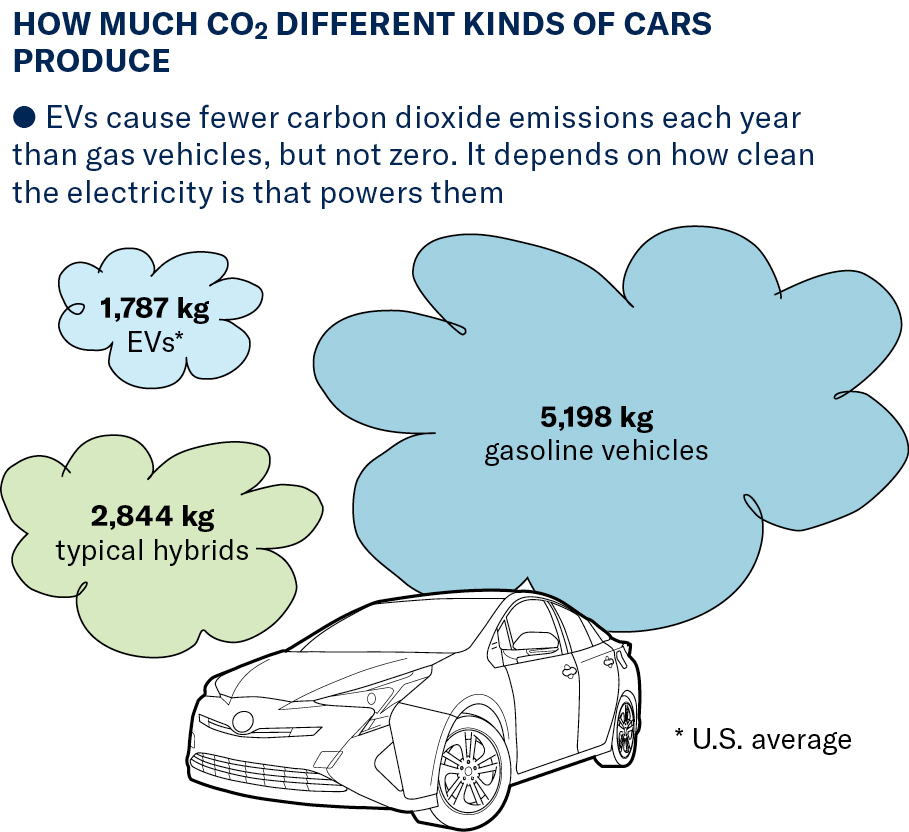
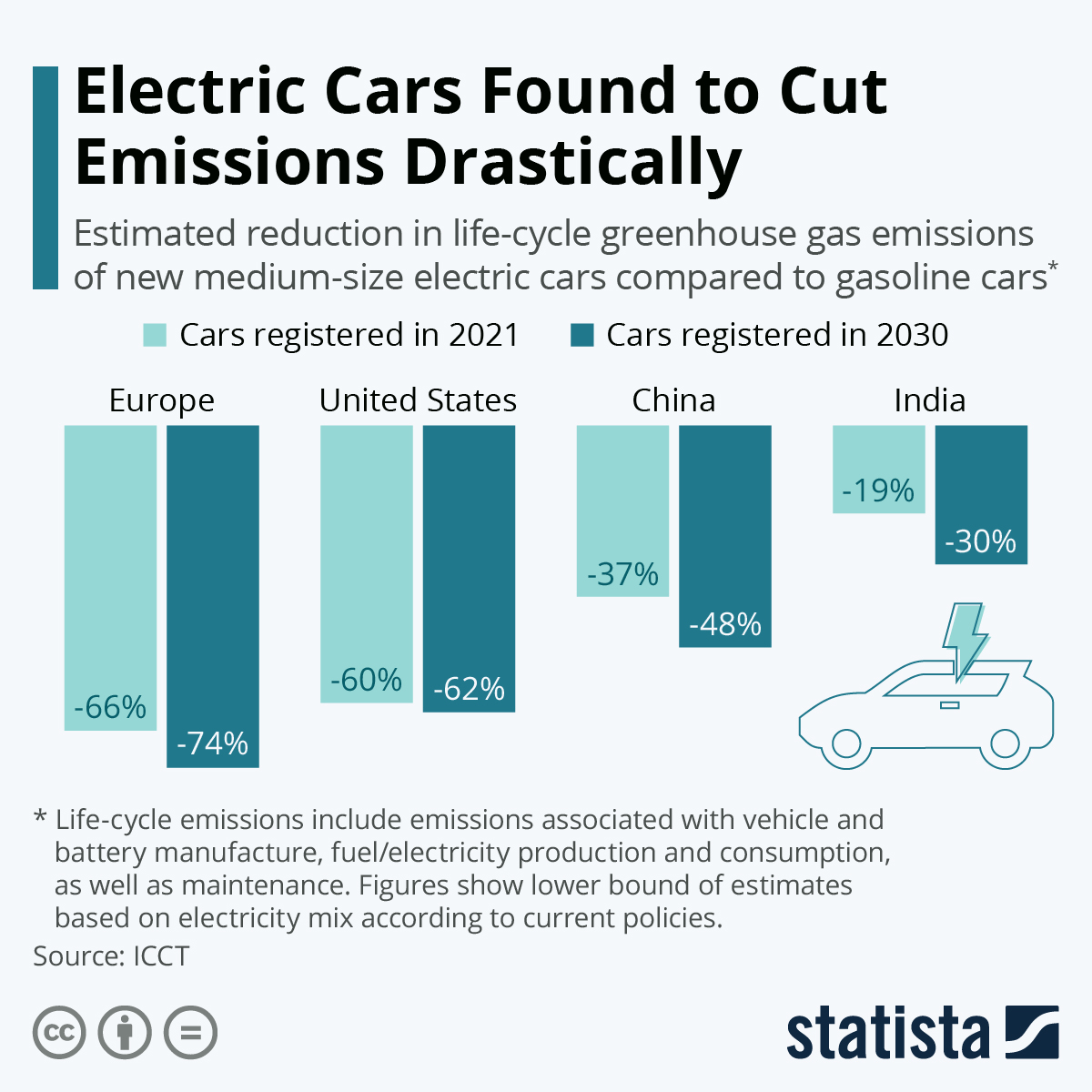
Minerals? Recycling hits 95% by 2025; more sustainable than oil wars. Cold weather? Heat pumps standard, 80% efficiency. Fire risk? EVs 10x less likely to ignite than gas.
Grid overload? EVs stabilize it via V2G. Fun? Test drive a Rivian R1T off-road—torque vectoring crushes Jeeps.
Your Move: Join the EV Revolution and Stack That Cash
In 2025, EVs crush gas on cost (thousands saved), performance, convenience, and swagger. Gas cars? Fading relics with rising prices and guilt trips. Test drive one today—your future self (and bank account) will high-five you. What’s stopping you? Hit the comments—let’s chat EVs!