
10 Common Travel Scams and How to Avoid Them
10 Common Travel Scams and How to Avoid Them
Traveling the world is an exhilarating experience, but it comes with risks, especially from common travel scams that target unsuspecting tourists. From pickpocketing in crowded markets to fake taxi meters, these scams can turn your dream vacation into a nightmare. According to travel safety reports, tourists lose billions annually to such frauds. This comprehensive guide covers the 10 most common travel scams and provides practical tips on how to avoid travel scams. By staying vigilant, you can protect your money, documents, and peace of mind. Whether you’re backpacking through Europe or relaxing in Southeast Asia, these insights will help you travel smarter.
1. Taxi Overcharging and Fake Meters
Feature Video
One of the oldest tricks in the book, taxi scams are rampant in cities worldwide. Drivers might claim their meter is broken and quote an exorbitant fixed price, or rig the meter to spin faster. In places like Bangkok or Rome, tourists often pay triple the normal fare. To avoid this, always use official taxis with visible meters. Research average fares via apps like Uber, Grab, or local equivalents before arriving. Negotiate prices upfront for unmetered rides, and never accept unsolicited taxi offers at airports—head to official stands instead. Use ride-hailing apps with GPS tracking for transparency. By doing so, you’ll save hundreds and avoid disputes.
2. ATM Skimming and Card Clamping
ATM skimming involves thieves attaching devices to read your card data and PIN. Card clamping blocks your card in the machine until you seek help from a “Good Samaritan” who steals it. These travel ATM scams are common in tourist hotspots like Barcelona or Mexico City. Prevention is simple: Use ATMs inside banks during business hours, inspect machines for tampering (loose parts or skimmers), and cover your PIN entry. Opt for contactless payments or withdraw larger amounts less frequently. Notify your bank of travel plans to enable fraud alerts. Apps like Revolut or Wise offer virtual cards with spending limits, adding an extra layer of security.
3. Pickpocketing in Crowded Areas

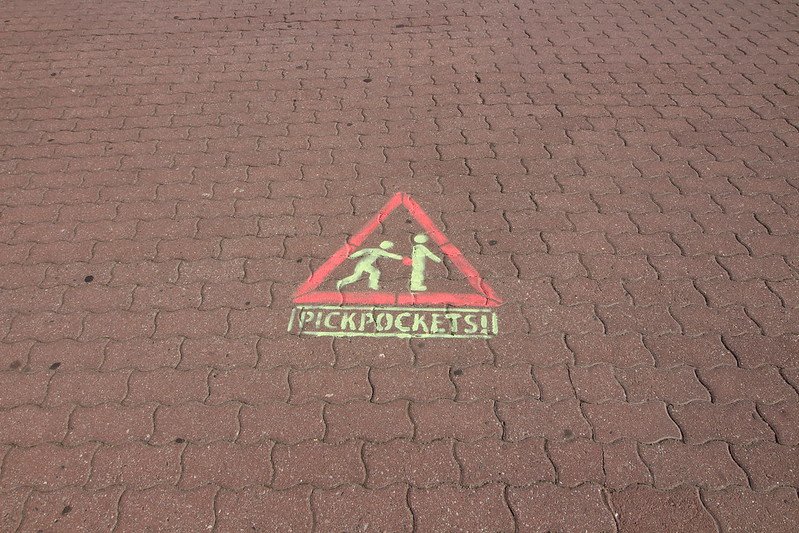
Pickpockets thrive in busy spots like markets, trains, and tourist attractions. They use distractions—spilled drinks, fake fights, or bump-and-grab—to steal wallets or phones. Paris’s Metro and Rio’s beaches are notorious. To dodge this common travel scam, wear a money belt or anti-theft bag, keep valuables in front pockets, and avoid flashy jewelry. Distribute cash across pockets and use RFID-blocking wallets. Stay aware of surroundings; if someone creates a distraction, move away. Travel insurance covering theft is essential—report incidents immediately for claims.
4. Fake Police Officers

Scammers dressed as cops demand to see your passport or wallet, claiming a routine check, then confiscate money for “fines.” This happens in India, Italy, and Vietnam. Real police rarely ask for cash on the spot. Always request official identification, insist on visiting a station, and note badge numbers. Carry passport copies, not originals—store originals in hotel safes. If suspicious, politely decline and walk to a crowded area or embassy. Apps like TripWhistle can emit emergency signals to deter fraudsters.
5. Closed Attraction or Closed Restaurant Scams

A friendly local tells you your chosen site (e.g., a museum or beach club) is closed due to “repairs” and redirects you to their overpriced alternative. Common in Bali or Prague. Verify openings via official apps or websites beforehand. Use Google Maps reviews for real-time status. If redirected, politely decline and check yourself. Stick to well-reviewed spots and avoid unsolicited guides.
6. Fake Tour Guides and Excursion Rip-offs
Unofficial guides offer cheap tours that end with high-pressure sales or subpar experiences. In Egypt’s pyramids or Peru’s Machu Picchu, they might abandon you midway. Book through reputable operators via platforms like Viator or GetYourGuide. Check reviews on TripAdvisor, and confirm inclusions (transport, entry fees). Pay deposits only after verifying legitimacy, and carry a whistle for safety on group tours.
7. Rental Car Damage Scams

Rental agencies abroad inspect cars post-return, “finding” pre-existing damage to charge your card exorbitantly. Italy and Greece see many cases. Photograph the vehicle thoroughly at pickup and drop-off, including mileage and fuel. Choose reputable firms like Hertz or Enterprise, and buy comprehensive insurance excluding agency waivers. Decline upsells for scratch disks—use credit cards with rental coverage.
8. Street Vendor and Souvenir Overpricing
Vendors in markets like Marrakech or Istanbul quote tourist prices 10x higher, refusing to bargain reasonably. Haggle confidently—start at 50% of asking price. Research fair prices online via forums like Reddit’s r/travel. Shop in fixed-price stores or markets away from tourist traps. Use cash sparingly; ATMs provide small bills for leverage.
9. Bogus Money Exchange Scams
Street changers or shady bureaux offer “great rates” but shortchange you or pass fake bills. Prevalent in Cambodia or Eastern Europe. Exchange only at banks or authorized airport kiosks. Count money twice before leaving, and use cards or ATMs for better rates. Apps like XE Currency track official rates to spot rip-offs.
10. Airport WiFi and Phone Assistance Scams
Free airport WiFi leads to phishing sites stealing data, or “helpers” offer SIM cards/phone fixes for a fee, cloning your device. In Istanbul or Delhi airports, this is rife. Use VPNs like ExpressVPN on public WiFi, avoid logging into banks, and buy SIMs from official shops. Ignore unsolicited tech help—approach staff yourself.
General Tips to Avoid Travel Scams Worldwide
Beyond these 10 common travel scams, adopt habits like blending in (dress locally), sharing itineraries with apps like TripIt, and using hotel safes. Enable two-factor authentication on accounts, and download offline maps. Travel with a buddy for added vigilance. If scammed, report to local police and your embassy—many countries have tourist police units. Resources like the U.S. State Department’s travel advisories or Smartraveller (Australia) provide country-specific warnings.
Statistics from Interpol show a 20% rise in travel fraud post-pandemic, underscoring the need for awareness. By recognizing patterns—too-good-to-be-true deals, high-pressure tactics, distractions—you’ll navigate safely. Educate fellow travelers; forewarned is forearmed.
Conclusion: Travel Smart, Stay Safe
Armed with knowledge of these common travel scams and how to avoid them, your adventures can be scam-free. Preparation trumps reaction—research destinations, use tech wisely, and trust your instincts. Safe travels lead to unforgettable memories, not costly lessons. Share this guide to help others, and explore confidently!
(Word count: 1,248)