
The Egyptian Labyrinth That Dwarfed the Pyramids: Herodotus’ Lost Wonder Unearthed
Deep in the sands of ancient Egypt lies a monumental enigma that has captivated historians and archaeologists for centuries: a labyrinthine complex described by the Greek historian Herodotus as surpassing the pyramids in grandeur. Far larger and more intricate than the iconic tombs of Giza, this lost wonder—known simply as the Egyptian Labyrinth—remains one of antiquity’s greatest mysteries. Recent excavations and advanced technologies are shedding new light on this colossal structure, prompting renewed debate about its true scale and purpose.
Herodotus’ Vivid Description
In the 5th century BCE, Herodotus, often called the “Father of History,” chronicled his travels through Egypt in his seminal work, *The Histories*. He described the Labyrinth as an unparalleled architectural feat, constructed by twelve kings in a collaborative effort to outdo the pyramids. According to Herodotus, it featured 3,000 rooms—1,500 above ground and 1,500 below—interconnected by labyrinthine corridors that confounded even the initiated.
The upper level boasted roofs of massive stone slabs supported by monolithic pillars adorned with intricate carvings. Hieroglyphs and vibrant paintings covered the walls, depicting gods, pharaohs, and mythical scenes. Courtyards alternated with enclosed chambers, creating a disorienting maze that served multiple functions. Herodotus marveled at its subterranean counterpart, accessible only through hidden entrances, filled with tombs and sacred Nile crocodile mummification sites. He claimed it dwarfed the Pyramid of Cheops, with its perimeter alone rivaling the Giza complex.

Herodotus placed this wonder near Lake Moeris (modern Lake Qarun) in the Faiyum Oasis, a fertile depression southwest of Cairo. His account fueled legends, influencing writers from Strabo to Pliny the Elder, who echoed its magnificence. Yet, for millennia, skeptics dismissed it as exaggeration—until archaeology intervened.
Rediscovering the Site: Hawara and Lake Moeris
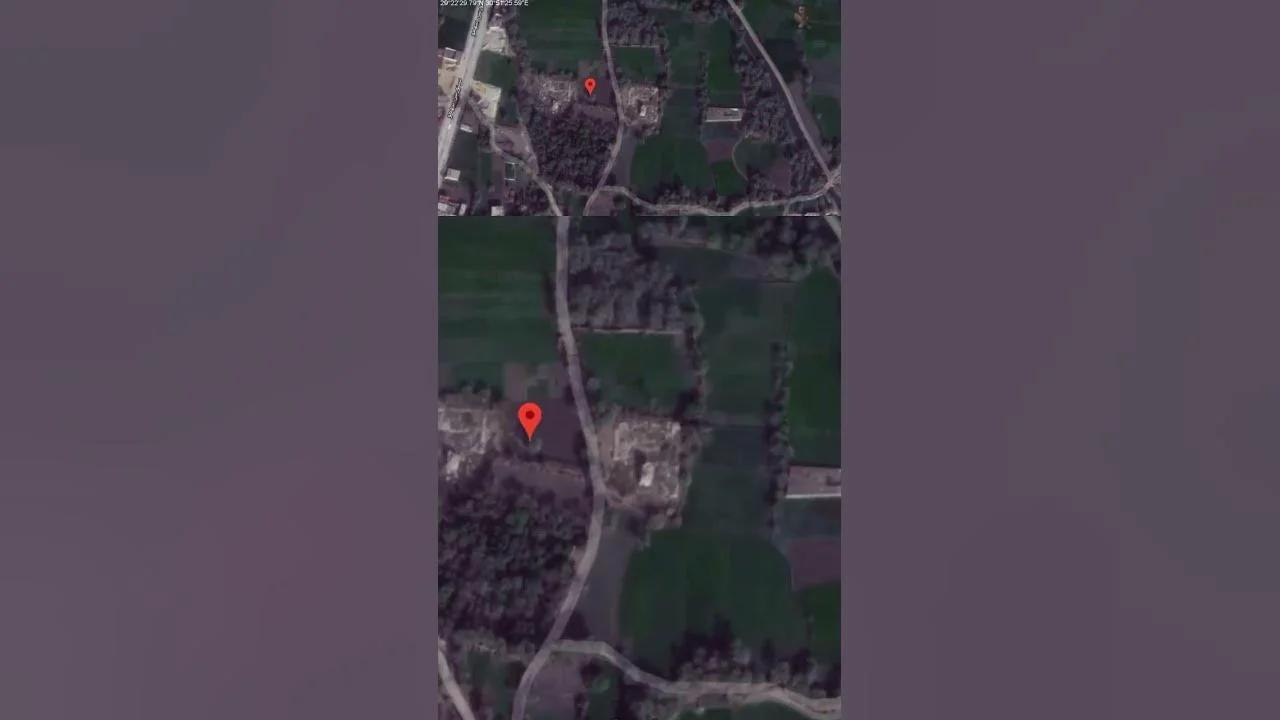
The breakthrough came in the late 19th century when British archaeologist William Matthew Flinders Petrie turned his attention to the Hawara pyramid complex, built by Pharaoh Amenemhat III of the Middle Kingdom (circa 1850 BCE). Petrie unearthed a vast mud-brick structure adjacent to the pyramid, dubbing it the “Labyrinth” in 1889. Spanning over 77,000 square meters—larger than the Hypostyle Hall at Karnak—it featured a grid of chambers, corridors, and courts aligned with cardinal directions.
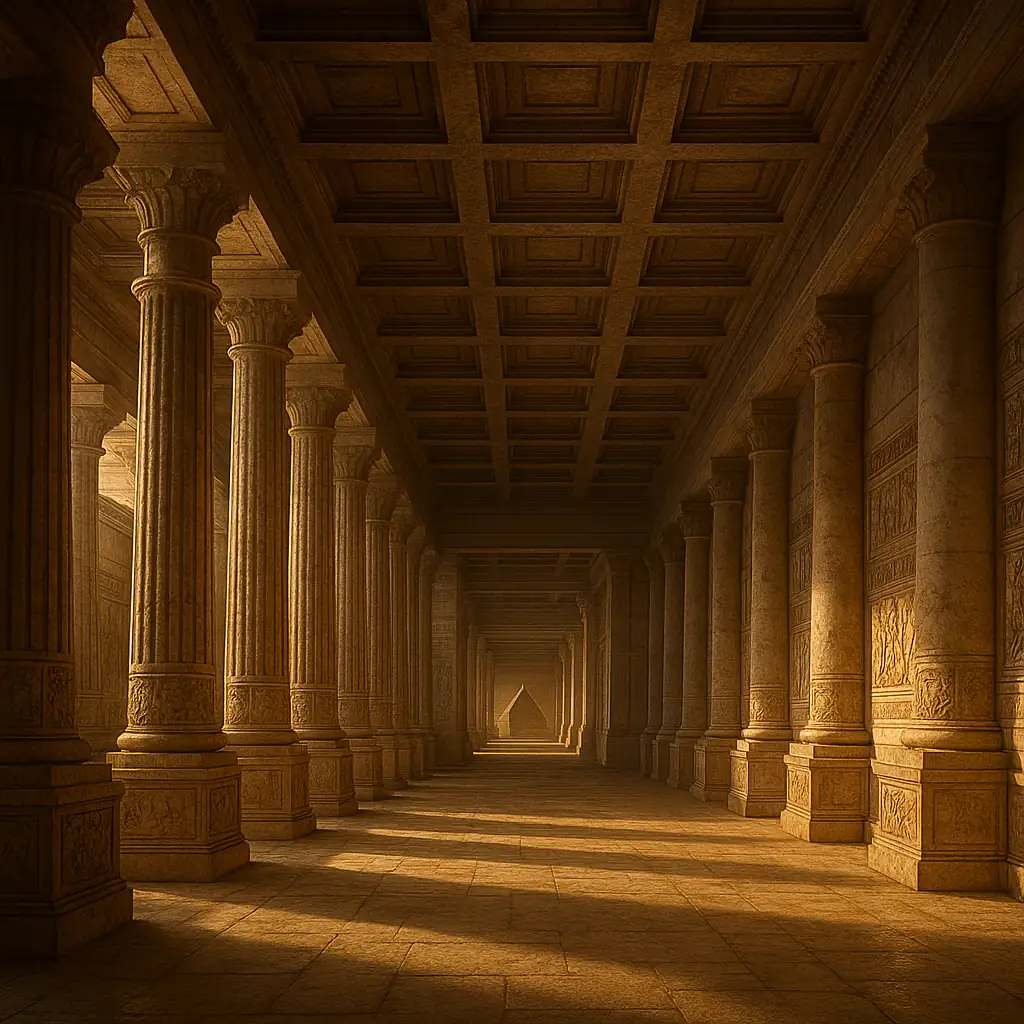
Petrie’s findings aligned strikingly with Herodotus: a central temple dedicated to the crocodile god Sobek, underground passages, and evidence of royal burials. The site’s proximity to Lake Moeris, artificially expanded by Amenemhat III for irrigation, matched the Greek’s geography. Petrie noted colossal statues and granite blocks reused in later Ptolemaic temples, suggesting the original Labyrinth’s scale was even grander before erosion and stone quarrying diminished it.
Modern surveys using ground-penetrating radar (GPR) and satellite imagery have revealed buried extensions beneath the Faiyum sands. In 2008, Egyptian antiquities teams led by Zahi Hawass mapped anomalies indicating vast subterranean networks, potentially confirming Herodotus’ underground rooms. LiDAR scans from 2022 have further outlined a perimeter exceeding 1 kilometer, underscoring its pyramid-dwarfing proportions.
Architectural Ingenuity and Engineering Feats
The Egyptian Labyrinth was no mere maze but a masterpiece of Middle Kingdom engineering. Constructed primarily from mud-brick—a practical choice for the Faiyum’s damp climate—it incorporated limestone and granite for durability in key areas. Petrie identified over 40 chambers in his partial excavation, including throne rooms, offering halls, and nilometers to measure Nile flood levels for the vital Faiyum basin agriculture.
Its layout followed a rectilinear plan with parallel corridors flanking central courts, designed for processions and rituals. Vaulted roofs and corbelled arches demonstrated advanced load-bearing techniques predating the pyramids’ refinements. Water channels integrated into the design linked it to Lake Moeris, hinting at hydraulic functions like flood control—a testament to Amenemhat III’s water management legacy.
Unlike the pyramids’ singular focus on eternity, the Labyrinth was multifunctional: a palace, temple complex, and administrative hub. Inscriptions praise it as “the House of Crocodiles,” linking it to Sobek worship, vital for Faiyum fertility rites. This polyvalent design explains its immense size, blending sacred, royal, and practical spaces.
The Purpose: Beyond a Royal Tomb
Scholars debate the Labyrinth’s primary role. Petrie saw it as a mortuary temple for Amenemhat III’s queens, with Graeco-Roman era looting obscuring original burials. Others, like Egyptologist Richard Lepsius, connected it to the 12th Dynasty’s “Labyrinth City,” a ceremonial center for reunified Egypt post-Hyksos threats.
Herodotus mentioned it housed the contracts of the 12 kings, suggesting an archival function. Recent papyri from nearby Tebtunis reveal administrative records, supporting theories of it as a bureaucratic powerhouse overseeing Faiyum reclamation projects. Its Sobek cult ties imply oracle consultations, where priests navigated the maze to deliver prophecies—mirroring the Delphic Oracle’s mystique.
Challenges and Modern Controversies
Despite progress, the Labyrinth eludes full revelation. Mud-brick erosion, groundwater, and illegal antiquities digging have destroyed much. Critics argue Hawara doesn’t match Herodotus’ 3,000 rooms, proposing alternative sites like the Buhen fortress or even a mythical embellishment. However, 2010s magnetometry data shows layered structures beneath Hawara, potentially doubling Petrie’s footprint.
Climate change exacerbates threats, with rising Lake Qarun salinizing ruins. Preservation efforts by Egypt’s Ministry of Tourism and Antiquities, aided by UNESCO, employ 3D modeling for virtual reconstruction. These tools allow global audiences to “walk” the Labyrinth, reviving Herodotus’ awe.
Legacy: A Wonder Rediscovered
The Egyptian Labyrinth stands as a humbling reminder of ancient Egypt’s ingenuity, rivaling the pyramids not in height but in complexity and utility. Herodotus’ “lost wonder,” once dismissed as fantasy, now emerges through science as a tangible marvel. As excavations continue, it promises revelations about Middle Kingdom society, economy, and spirituality.
Visitors to the Faiyum today can explore Hawara’s remnants, imagining the throngs navigating its halls millennia ago. This unearthed giant challenges our pyramid-centric view of Egyptian achievement, proving the Nile’s children built not just tombs, but living legacies. The Labyrinth endures—not buried in myth, but rising from the sands.