
Echoes of Eternity: Identical Myths Whispered Across Ancient Worlds
Have You Ever Felt the Pull of Something Ancient?
Picture this: You’re flipping through a dusty book on Norse mythology, and suddenly, a story about a massive flood wiping out humanity jumps out at you. Sounds familiar, right? Like Noah’s Ark from the Bible. But here’s the kicker— this flood tale predates the Bible by centuries, coming from the Epic of Gilgamesh in ancient Mesopotamia. And it’s not just those two. From the Greeks with Deucalion to the Hindus with Manu, and even Native American tribes, flood myths echo across the globe. Coincidence? Or something deeper? Welcome to the rabbit hole of identical myths that span continents and millennia. Buckle up, because these “echoes of eternity” will make you question everything you thought you knew about human history.
The Great Deluge: When the Heavens Opened Everywhere
Let’s start with the big one: the flood. Nearly every culture has a version where gods get fed up with humanity’s antics and decide to hit the reset button with a world-ending torrent of water. In Sumeria, Utnapishtim builds a boat on the god Enki’s warning, loads it with animals, and rides out the storm. Sound biblical? It should— the Hebrews likely borrowed it during their Babylonian exile.
Over in Greece, Zeus floods the earth to punish mankind, but Prometheus tips off Deucalion and Pyrrha, who repopulate the world by throwing stones that turn into people. Hindu texts describe Manu saving the seeds of life in a boat guided by a fish avatar of Vishnu. And don’t get me started on the Aztecs, Mayans, or the Chinese with their own deluge survivors. These aren’t vague similarities; the boats, animals, birds sent to check dry land, even rainbows as divine promises— they’re practically carbon copies.
Why? Ancient astronauts? Shared memory of a real cataclysm like the Younger Dryas impact around 12,000 years ago? Or did storytellers trade tales along forgotten trade routes? Whatever the reason, it’s eerie how a single archetype pulses through time.
Virgin Births: Miracles That Span Oceans
Now, shift gears to divine kids born to virgins. Yeah, I know— this one’s controversial, especially around Christmas. Jesus’ story in the Gospels has Mary conceiving by the Holy Spirit. But rewind to Egypt: Isis fashions Horus from her husband Osiris’s scattered body parts, often depicted as a miraculous, pure birth. In Hinduism, Devaki births Krishna while imprisoned, untouched by men, announced by stars and protected from a tyrant’s slaughter of infants.
Even farther afield, the Maya have Xquic, a virgin who births hero twins Hunahpu and Xbalanque after a supernatural conception involving a skull spitting saliva. Zoroastrianism’s virgin-born savior, the Saoshyant, gets heralded by a star. And in ancient China, the mother of Laozi (Taoism’s founder) conceives him via a shooting star.
These aren’t loose parallels; the motifs— divine announcement, persecuted baby, humble origins— mirror each other like whispers in a cosmic game of telephone. Makes you wonder if ancient peoples gazed at the same stars and dreamed up similar saviors.
Underworld Quests: Heroes Who Cheated Death
Death isn’t the end in these myths; it’s a realm you can visit and return from, forever changed. Orpheus descends to Hades for Eurydice, strumming his lyre past Cerberus. In Sumeria, Inanna strips naked, dies, and revives to bring spring back. The Maya Popol Vuh has the Hero Twins venturing to Xibalba, the underworld, outsmarting lords of death with tricks and ball games.
Even Jesus’ harrowing of Hell fits the pattern, as does Odin’s self-sacrifice on Yggdrasil or Quetzalcoatl’s underworld journey in Mesoamerica. These heroes face trials, confront guardians, and emerge with forbidden knowledge or renewed life. It’s the ultimate hero’s journey, etched into our collective psyche. Joseph Campbell called it the monomyth for a reason— one story, a thousand tellings.
Serpents, Creators, and the Tree of Life
Serpents slither through it all, too. The Bible’s Eden serpent tempts Eve with knowledge from a tree. But in Mesopotamia, Ningishzida is a serpent god of vegetation and the underworld tree. Norse myths have the Midgard Serpent encircling the world tree Yggdrasil. Australian Aboriginal Dreamtime features the Rainbow Serpent shaping the land from a cosmic tree.
Creation myths overlap wildly: Norse Ymir’s body becomes the world; Babylonian Tiamat’s corpse forms earth and sky; Maori legends dismember ancestors into landscapes. These aren’t random— they’re blueprints of how ancients explained existence, with serpents as creators, tempters, or guardians.
Pyramids, Stars, and Shared Secrets
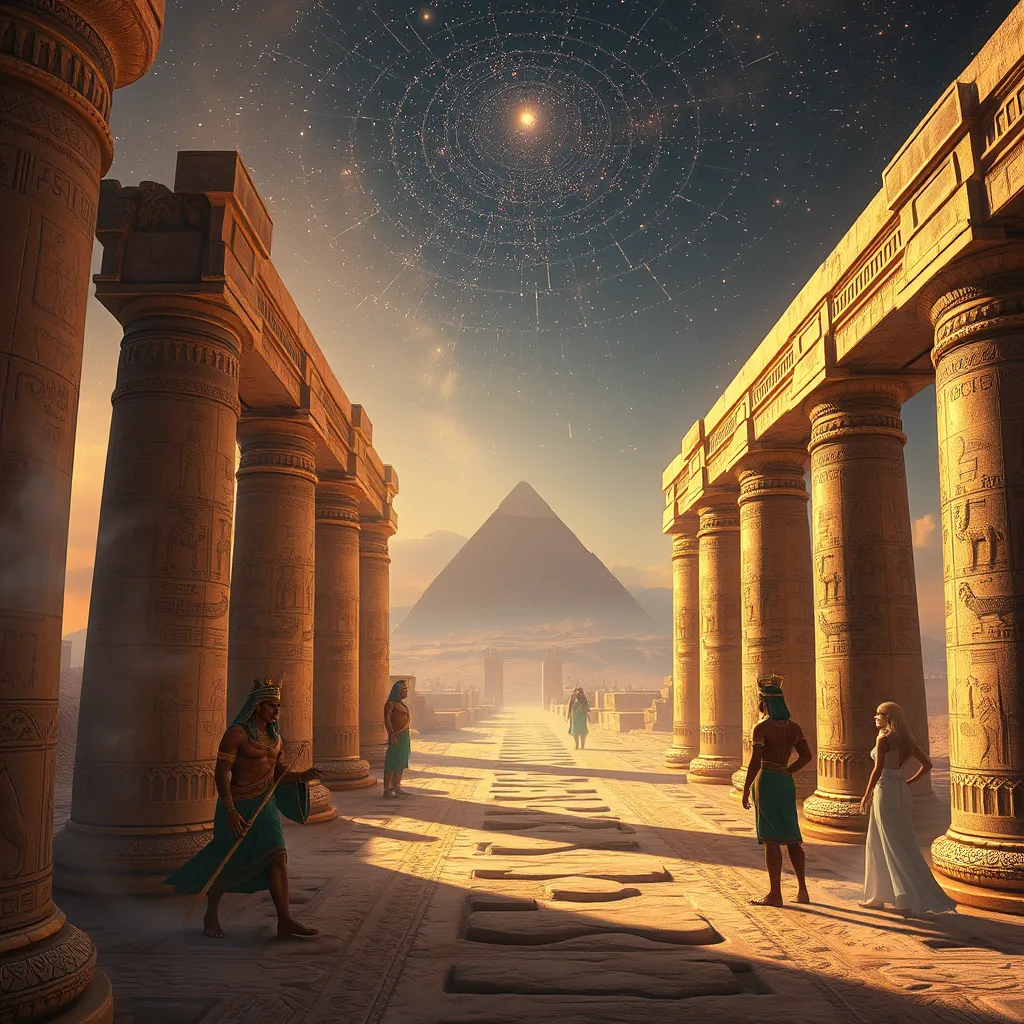
Then there are the structures. Pyramids in Egypt, Mesoamerica, even Indonesia’s Gunung Padang— all aligned to stars, encoding math like pi and the golden ratio. Myths of sunken lands persist: Atlantis for Greeks, Mu for Polynesians, flooded homelands for Indigenous Australians. And trickster gods? Loki, Coyote, Anansi, Hermes— all chaotic mischief-makers teaching hard lessons.
Language myths like Babel’s tower echo in Hopi and Dogon tales of divided tongues. End-times prophecies? Ragnarok, Apocalypse, Kali Yuga— fire, flood, renewal.
Whispers from a Lost Civilization?
So, what’s the thread? Carl Jung would say archetypes from the collective unconscious. Diffusionists point to ancient seafaring or a mother culture like Atlantis. Graham Hancock fans invoke pre-Ice Age civilizations sharing knowledge before comet strikes erased them. Skeptics? Convergent evolution of stories— humans face the same fears, invent similar tales.
Me? I lean toward something profound. These echoes suggest our ancestors were more connected than we think, maybe through oral traditions traveling faster than we imagine, or a shared spiritual intuition tapping into eternity. Next time you hear a myth, listen closer— it might be echoing from the dawn of time.
(Word count: 1028)