
The Ultimate Guide to At-Home Coffee Brewing Techniques
Introduction to At-Home Coffee Brewing
Feature Video
There’s nothing quite like starting your day with a perfectly brewed cup of coffee made right in your kitchen. At-home coffee brewing techniques have surged in popularity, thanks to the rise of specialty coffee culture and the desire for personalized brews. Whether you’re a novice or a seasoned enthusiast, mastering these methods can elevate your daily ritual from mundane to masterful. This ultimate guide covers everything from essential equipment to step-by-step instructions for the best at-home coffee brewing techniques, ensuring barista-quality results without leaving your home. We’ll explore popular methods like French press, pour-over, AeroPress, cold brew, and more, optimized for SEO with tips on grind sizes, water temperatures, and ratios for the perfect cup every time.
Why Choose At-Home Coffee Brewing?
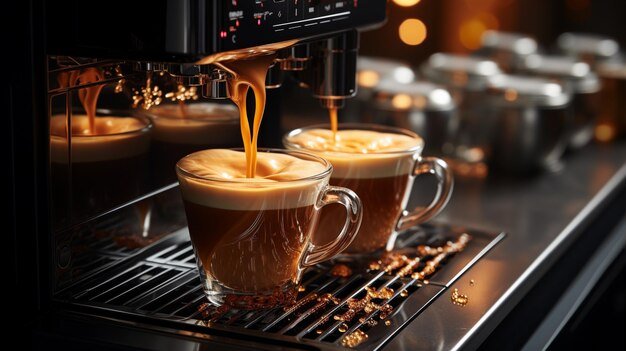
Brewing coffee at home offers unparalleled control over flavor profiles, freshness, and cost savings. Unlike store-bought coffee, which often sits on shelves losing aroma, home-brewed coffee uses freshly ground beans, yielding richer tastes and aromas. Health benefits include customizable strength to suit your caffeine needs, and it’s environmentally friendly—reducing single-use pods and cups. According to coffee industry stats, home brewers save up to 50% compared to cafe prices while enjoying cafe-quality drinks. Key advantages include experimentation with origins like Ethiopian Yirgacheffe for fruity notes or Colombian for chocolatey undertones. Ready to dive into the techniques?
Essential Equipment for At-Home Brewing
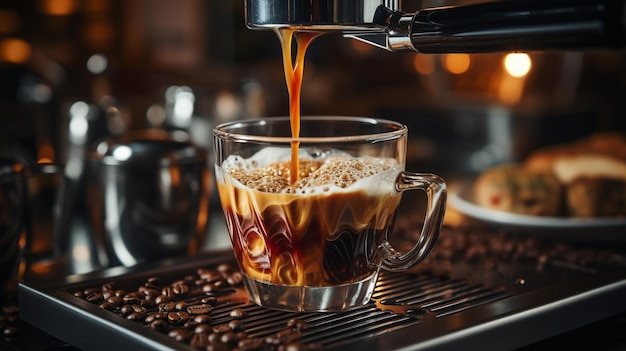
Before brewing, stock your kitchen with basics: a burr grinder for consistent particle size (essential for all techniques), digital scale for precision (aim for 1:16 coffee-to-water ratio), gooseneck kettle for controlled pouring, and quality beans roasted within two weeks. Filters vary by method—paper for pour-over to reduce oils, metal for French press. Thermometer or variable-temperature kettle ensures 195-205°F water, the goldilocks zone for extraction without bitterness. Invest in borosilicate glassware for heat resistance. Budget setups start at $50, while pro kits hit $200. Pro tip: Store beans in airtight containers away from light to preserve volatiles.
French Press: The Classic Immersion Method
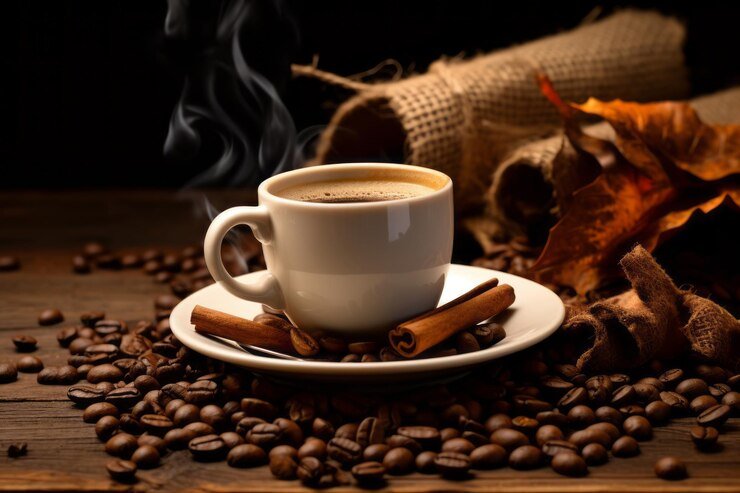
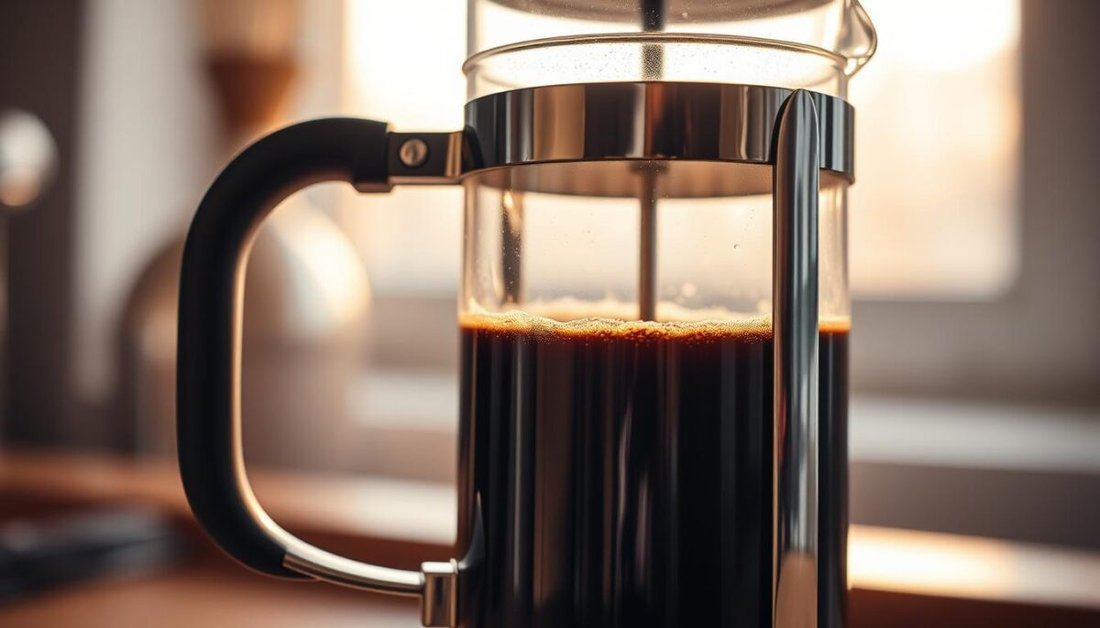
The French press, or cafetière, is ideal for bold, full-bodied coffee lovers. Its immersion brewing extracts maximum oils for a velvety texture. Step-by-step at-home coffee brewing with French press: Boil water to 205°F. Grind 30g medium-coarse beans (like kosher salt). Add to 500ml press, pour 100ml water to bloom for 30 seconds (gases escape, enhancing flavor). Fill to top, stir gently, lid on (plunger up). Steep 4 minutes. Plunge slowly over 30 seconds to avoid sediment. Pour immediately into cups—don’t let it sit. Yields 2 cups. French press shines with dark roasts; experiment with 3-5 minute steeps. Cleanup is simple: dump grounds, rinse. Common yield: 1.25% TDS for balanced strength.
For SEO-optimized variations, try overnight French press cold brew: equal parts coarse grind and cold water, steep 12 hours in fridge, press, and dilute 1:1. This technique rivals commercial cold brews in smoothness.
Pour-Over: Precision Drip Brewing
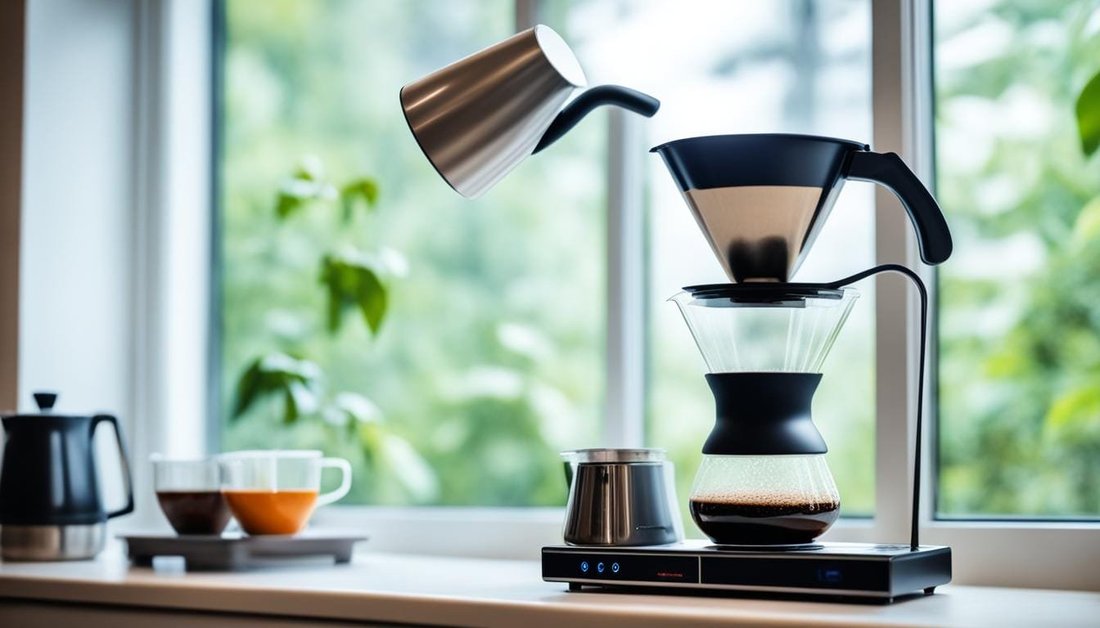
Pour-over methods like V60 or Kalita Wave emphasize clarity and nuance, perfect for light roasts. They use gravity for clean extraction, highlighting origin flavors. Ultimate pour-over technique: Heat water to 200°F. Rinse paper filter in cone dripper to remove papery taste. Add 20g medium-fine grind (table salt). Bloom with 40g water for 30-45 seconds. Pour in circles: 100g at 1:00, wait 30s; repeat to 300g total, aiming for 2-3 minute brew time. Total water: 320g for one cup. Swirl final pour for evenness. This controlled agitation prevents channeling, ensuring uniform saturation.
Advanced tip: Adjust grind finer for slower flow, coarser for faster. Chemex variant uses thicker filters for brighter cups, holding 3-6 servings. Pour-over is SEO gold for “best home drip coffee,” as it’s forgiving yet rewarding.
AeroPress: Versatile and Compact
Invented by Alan Adler, the AeroPress combines immersion and pressure for espresso-like intensity in a portable device. Great for travel or small spaces. AeroPress recipe for beginners: Invert press (plunger down). Add 18g fine grind. Bloom with 30g 195°F water, stir 10s. Add 170g more water, stir. Insert filter-rinsed cap, flip onto mug, press 30s with steady 15-30lbs pressure. Dilute if needed. Inverted method allows longer steeps up to 2 minutes for bolder brews.
SEO highlight: AeroPress recipes dominate searches for “quick coffee brewing techniques.” Variations include cold brew (steep 12-24h with cold water, press) or Americano-style. Yields concentrated shots up to 1:4 ratio, customizable with accessories like flow control caps.
Cold Brew: Smooth and Refreshing
Cold brew is nitro-ready at home, extracted cold to minimize acidity for silky, low-bitterness coffee. Easy at-home cold brew technique: Coarse grind 100g beans (like breadcrumbs). Mix with 1L filtered cold water in jar. Stir, cover, fridge 18-24 hours. Filter through fine mesh or paper (double for clarity). Dilute 1:1-1:3 with water/milk. Stores 1-2 weeks refrigerated. Mason jar method is zero-equipment; Toddy or OXO towers yield gallons.
Flavor science: Cold water pulls solubles slowly (20% yield vs. 30% hot), favoring sweetness. SEO tip: “Nitro cold brew at home” trends—froth with French press. Perfect summer sipper or cocktail base.
Moka Pot: Stovetop Espresso Alternative

The Bialetti Moka Pot delivers rich, crema-topped coffee via steam pressure. Iconic Italian method. Step-by-step Moka brewing: Fill bottom with hot water to valve. Add medium-fine grind (no tamping) to basket, level. Screw upper chamber tightly. Medium heat until gurgling (5-7 min). Remove from heat, add cold wet towel to base to stop extraction. Yields 3-6 shots. Pro: Full-city roast for caramel notes.
Avoid overfilling or high heat to prevent bitterness. SEO searches love “authentic Italian coffee at home”—pairs with frothy milk for lattes.
Espresso at Home: Machine Mastery
Home espresso machines like Breville or manual levers produce true ristretto. Basic 1:2 ratio: 18g fine grind (powder consistency). Dose, tamp evenly (30lbs). 93°C water, 25-30s pull for 36g double shot. Dial in by taste—sour=puck finer/faster, bitter=coarser/slower. Milk steaming for cappuccinos: 140°F, vortex texture.
Entry-level: Flair Neo ($100). Full auto: Superautos grind/tamp/brew.
Tips for Perfect At-Home Coffee Every Time
Grind fresh: Burr over blade. Water: 150ppm minerals, filtered. Ratios: SCA golden 1:18. Preheat gear. Taste wheel: Citrus, floral, nutty notes. Scale recipes up. Experiment ethically—single-origin Mondays.
Common Mistakes and Fixes
Over-extraction (bitter): Shorten time/coarsen grind. Under (sour): Finer/longer. Cheap beans: Upgrade to fresh roasters. Dirty gear: Daily rinses, weekly deep cleans with Cafiza.
Conclusion: Brew Your Best Cup
Mastering at-home coffee brewing techniques transforms your kitchen into a cafe. Start simple with French press, advance to pour-over precision. Track brews in apps like Brew Timer. Join communities like Reddit’s r/coffee. With practice, you’ll craft personalized perfection. Happy brewing—your ultimate guide awaits experimentation!