
How to Create an Effective Daily To-Do List That Actually Works
In today’s fast-paced world, staying organized and productive can feel like an uphill battle. With endless distractions from emails, social media, and unexpected interruptions, it’s easy to lose track of what truly matters. That’s where an effective daily to-do list comes in. Far from being just a scribbled note on a napkin, a well-crafted to-do list is a powerful tool for boosting productivity, reducing stress, and achieving your goals. But not all to-do lists are created equal. Many people struggle because their lists are overwhelming, unrealistic, or poorly structured. In this comprehensive guide, we’ll walk you through how to create an effective daily to-do list that actually works, step by step. By the end, you’ll have the knowledge and strategies to transform your daily planning into a productivity powerhouse.
Why an Effective Daily To-Do List is Essential for Success
Feature Video
A daily to-do list isn’t just about jotting down tasks; it’s about gaining clarity and control over your day. Studies from productivity experts, like those referenced in David Allen’s “Getting Things Done” methodology, show that writing down tasks frees up mental space, reducing cognitive load. When your brain isn’t cluttered with “what to do next,” you can focus better and make smarter decisions.
Moreover, an effective to-do list aligns your actions with your long-term goals. It acts as a roadmap, ensuring you prioritize high-impact activities over busywork. Research from the American Psychological Association indicates that people who use task lists report higher levels of accomplishment and lower stress levels. In a world where multitasking is glorified but often counterproductive, a to-do list helps you single-task effectively, leading to better results in less time.
Without a structured list, days blur into a reactive frenzy. You end up firefighting urgent but unimportant tasks, neglecting what moves the needle. An effective daily to-do list flips this script, putting you in the driver’s seat.
Step 1: Start with Brain Dumping to Capture Everything
The foundation of any effective daily to-do list is a complete brain dump. Before planning your day, grab a notebook or digital app and write down every task swirling in your mind—no matter how big or small. This could include work projects, personal errands, health goals, or even “reply to mom’s email.”
Why does this work? Psychologist Dr. Tara Swart explains that brain dumping offloads working memory, which holds only about seven items at once. By externalizing tasks, you create mental bandwidth for execution. Aim for 10-15 minutes each evening or morning. Categorize loosely: work, personal, health, etc. This step prevents forgetting items and sets the stage for prioritization.
Pro tip: Use the 2-minute rule from GTD—if a task takes less than two minutes, do it immediately during the dump. This clears low-hanging fruit and keeps your list lean.
Step 2: Prioritize Ruthlessly Using the Eisenhower Matrix
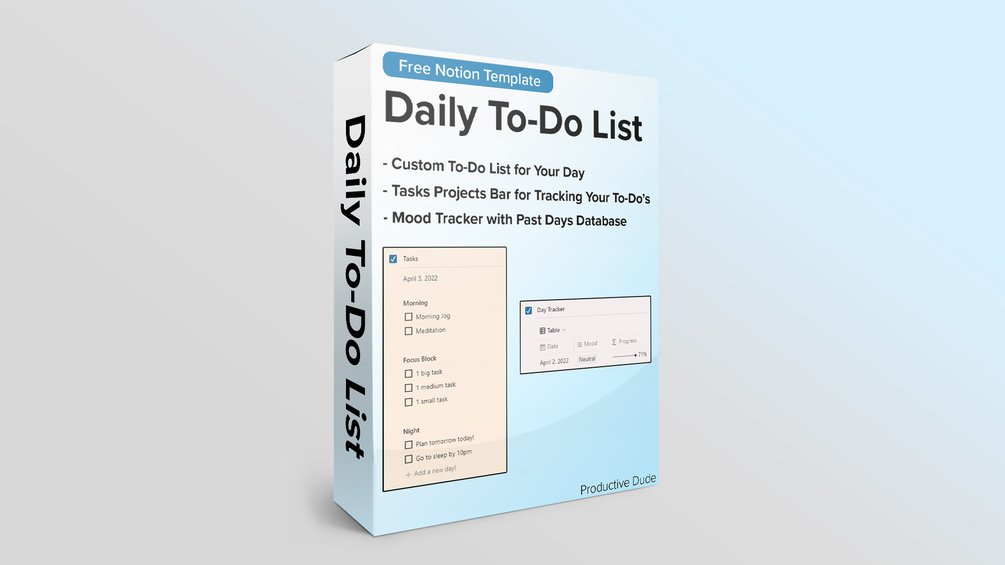
Not all tasks are equal. Prioritization is where most to-do lists fail. Enter the Eisenhower Matrix, a time-tested framework named after President Dwight D. Eisenhower. Divide tasks into four quadrants: Urgent & Important (do first), Important but Not Urgent (schedule), Urgent but Not Important (delegate), and Neither (delete).
For your daily to-do list, limit it to 3-5 high-priority items from the top quadrants. This ensures focus on what drives results. Tools like Todoist or Notion have built-in Eisenhower views. Ask: “Does this align with my goals? What’s the impact if not done today?” High-value tasks like strategic planning or exercise often get sidelined for emails—don’t let that happen.
SEO keyword integration: Mastering how to create an effective daily to-do list means saying no to 80% of tasks. Pareto’s 80/20 rule applies here—20% of efforts yield 80% of results. Prioritize those.
Step 3: Make Tasks SMART and Actionable

Vague tasks like “work on project” doom lists to failure. Transform them into SMART goals: Specific, Measurable, Achievable, Relevant, Time-bound. Instead of “exercise,” write “Run 5km in 45 minutes at 7 AM.”
Actionable verbs are key—start, complete, review, call. This reduces decision fatigue when tackling the list. Psychological studies from the Journal of Applied Psychology show that specific tasks increase completion rates by 42%. Break big projects into micro-tasks: “Outline chapter 1” vs. “Write book.”
For SEO appeal, readers searching “effective daily to-do list tips” love actionable advice. Include deadlines or time estimates, e.g., “Email client proposal (30 mins).”
Step 4: Choose the Right Tools and Formats for Your Style
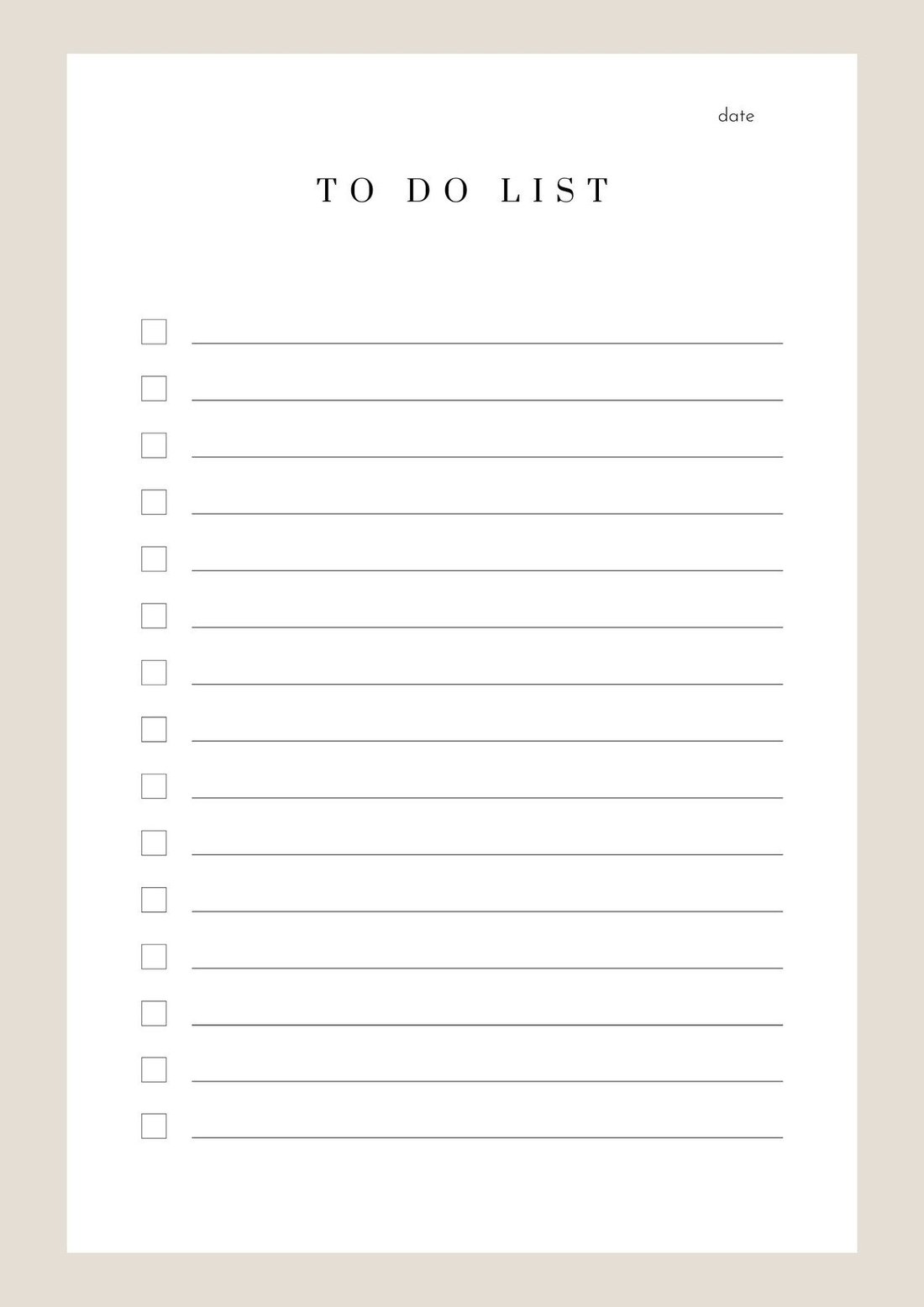
Paper or digital? Bullet journals offer tactile satisfaction and customization, ideal for visual thinkers. Apps like Todoist, Microsoft To Do, or Google Tasks provide reminders, syncing, and progress tracking—perfect for tech-savvy users.
Experiment: Digital excels for collaboration and recurring tasks; analog for deep focus (no notifications). Hybrid approaches, like printing app lists, work too. Features to seek: subtasks, labels, due dates, and review functions.
In 2023 surveys by Zapier, 65% of productive professionals use apps for daily to-do lists. Integrate with calendars for seamless planning.
Step 5: Implement Time Blocking to Supercharge Execution
A list alone isn’t enough—pair it with time blocking. Assign specific time slots to tasks, treating them as unbreakable appointments. Use your calendar: 9-10 AM: High-priority task #1.
This combats procrastination, as Cal Newport’s “Deep Work” advocates. Batch similar tasks (e.g., emails 4-5 PM) to minimize context-switching, which costs 20-40% productivity per APA research.
Include buffers for breaks and transitions. Tools like Google Calendar or Clockify visualize blocks, making your day glanceable.
Step 6: Review, Celebrate, and Iterate Daily
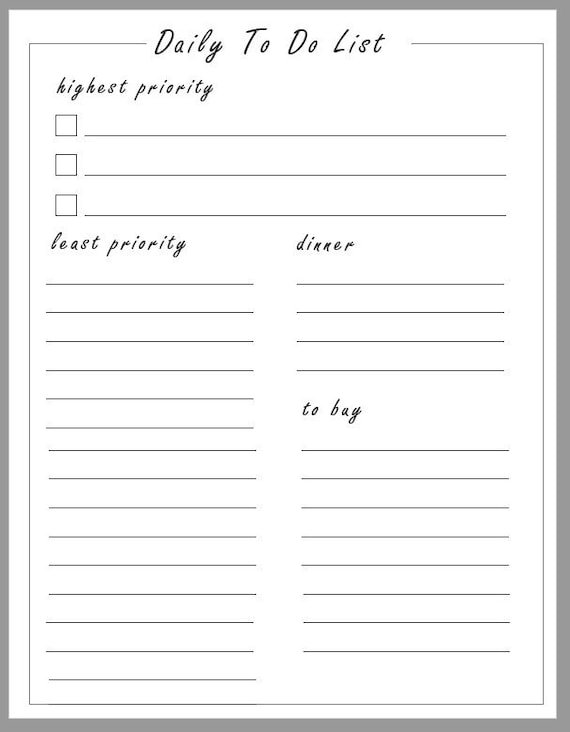
End each day with a 5-minute review: What got done? Moved? Why? Celebrate wins—small dopamine hits build momentum. Morning reviews set intentions.
Weekly audits refine the process. Adjust for patterns, like underestimating time. This iterative approach turns your to-do list into a living system.
Habit expert James Clear notes in “Atomic Habits” that reflection compounds success.
Common Mistakes to Avoid When Creating a Daily To-Do List
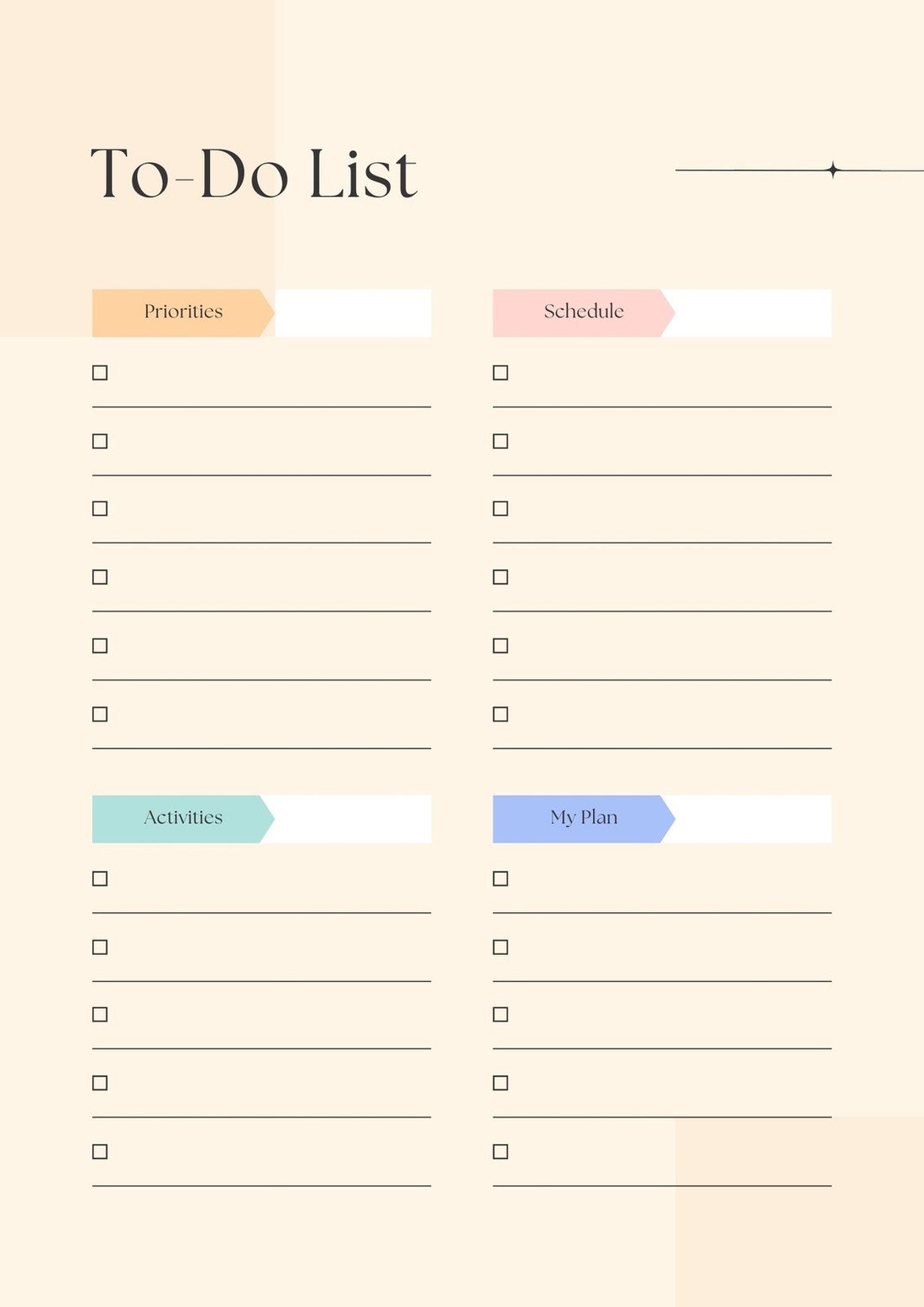
Overloading: Cap at 5-7 tasks. Perfectionism: Done is better than perfect. Ignoring energy levels: Schedule tough tasks for peak times.
No flexibility: Life happens—build in 20% wiggle room. Multitasking myths: Focus one task at a time. Neglecting self-care: Include recharge tasks.
Avoiding these pitfalls ensures your effective daily to-do list delivers.
Advanced Tips for Long-Term Mastery
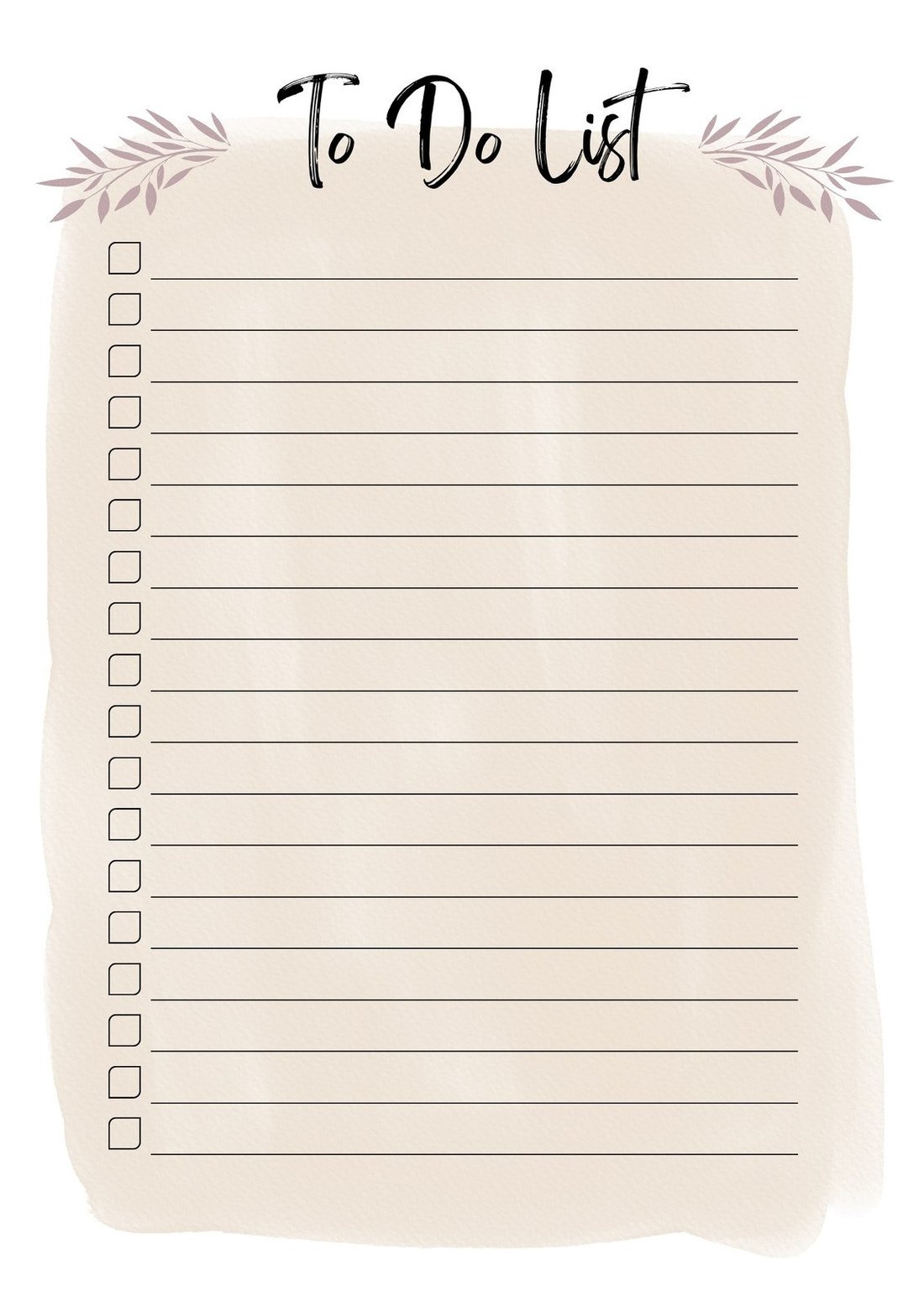
Integrate with OKRs for alignment. Use gamification—apps like Habitica reward completion. Track streaks for motivation. For teams, shared lists via Asana foster accountability.
SEO boost: Searches for “daily to-do list that works” spike with proven hacks like Pomodoro (25-min sprints).
Conclusion: Transform Your Day Starting Today
Creating an effective daily to-do list that works boils down to clarity, prioritization, and consistency. From brain dumps to time blocking, these steps empower you to reclaim your time. Start small—implement one tip today. Over time, you’ll notice increased productivity, reduced overwhelm, and real progress toward goals.
Remember, the best list is the one you use. Experiment, refine, and watch your effectiveness soar. Ready to build yours? Grab that notebook or app now and take control.
(Word count: 1,248)