
Baking for Beginners: The Common Mistakes and How to Easily Avoid Them
Baking for beginners can be an exciting journey into the world of homemade treats, but it’s easy to stumble upon common pitfalls that lead to disappointing results. Whether you’re aiming to bake fluffy cakes, crispy cookies, or perfect bread loaves, avoiding these frequent baking mistakes will set you on the path to success. In this comprehensive guide, we’ll explore the most common errors novices make and provide simple, actionable tips to sidestep them. By understanding these baking blunders, you’ll boost your confidence in the kitchen and produce bakery-quality goods every time.
Many aspiring bakers dive in without realizing that precision is key in baking, unlike cooking where you can improvise. Small missteps like inaccurate measurements or improper ingredient temperatures can ruin an entire batch. But don’t worry—with the right knowledge, these issues are easily preventable. This article is optimized for beginners searching for “baking for beginners tips,” “common baking mistakes,” and “how to avoid baking fails.” Let’s dive into the top mistakes and their fixes.
1. Inaccurate Measuring of Ingredients
Feature Video
One of the top common baking mistakes for beginners is imprecise measuring. Flour, sugar, and liquids must be measured accurately because baking is a science. Scooping flour directly from the bag with a cup compacts it, adding up to 25% more than intended, leading to dense, dry baked goods.
How to avoid it: Use a kitchen scale for dry ingredients—it’s the most reliable method. Weigh flour in grams (e.g., 120g for 1 cup all-purpose flour). For volume measuring, spoon flour into the cup and level with a knife, never scoop. Liquids should be measured in clear glass cups at eye level. Invest in a digital scale and proper measuring tools; they’ll pay off quickly. This simple habit ensures consistent results in your baking for beginners endeavors.
2. Skipping Room Temperature Ingredients

Recipes often call for room-temperature butter, eggs, and milk, but beginners overlook this, using cold items straight from the fridge. Cold butter doesn’t cream properly with sugar, resulting in tough cookies or cakes with uneven texture. Cold eggs can cause curdling in batters.
How to avoid it: Plan ahead—set butter out 1-2 hours before baking, or microwave in 5-second bursts. For eggs, place them in warm water for 10 minutes. Dairy like milk or yogurt can be warmed gently on the stove or in the microwave. Room-temp ingredients emulsify better, creating light, tender bakes. Mastering this tip transforms your baking for beginners game.
3. Not Preheating the Oven Properly
A classic baking mistake is placing items in a cold oven or not waiting for full preheat. Ovens need 15-20 minutes to reach temperature, and starting early affects rise and browning, leading to flat cookies or sunken cakes.
How to avoid it: Always preheat and use an oven thermometer to verify accuracy—built-in dials can be off by 25-50 degrees. Position racks in the center for even heat. For cookies, a hot oven (375°F/190°C) ensures crisp edges; cakes need steady moderate heat. This prevents underbaked centers and overbrowned tops, a must-know for baking for beginners.
4. Overmixing the Batter or Dough
Enthusiastic stirring develops excess gluten in flour, making cakes tough, muffins chewy, or bread dense. Beginners often mix until “just combined,” but keep going, fearing lumps.
How to avoid it: Mix dry and wet ingredients separately, then fold gently with a spatula until flour streaks disappear—lumps are okay, they’ll bake out. For cookies, chill dough to control spread. Use the “fold” method: 10-15 strokes max. This gluten control yields tender results, elevating your baking for beginners skills effortlessly.
5. Opening the Oven Door Too Often
Peeking mid-bake lets heat escape, causing cakes to collapse or cookies to spread unevenly. Temperature fluctuations disrupt the structure-forming process.
How to avoid it: Resist checking until at least two-thirds through bake time. Use the oven light or glass door if available. Set a timer and trust it. For rising breads or soufflés, rapid door openings are disastrous. Patience here is key to perfect bakes without common mistakes.
6. Confusing Baking Powder and Baking Soda
These leaveners are often swapped, but baking soda needs acid (buttermilk, yogurt) to activate, while baking powder is self-contained. Wrong choice means flat, metallic-tasting goods.
How to avoid it: Check expiration dates—test by mixing with hot water/vinegar; fizzing means fresh. Read recipes carefully; double-acting powder reacts twice (heat and moisture). Store in airtight containers. Understanding chemistry demystifies baking for beginners.
7. Incorrect Pan Preparation
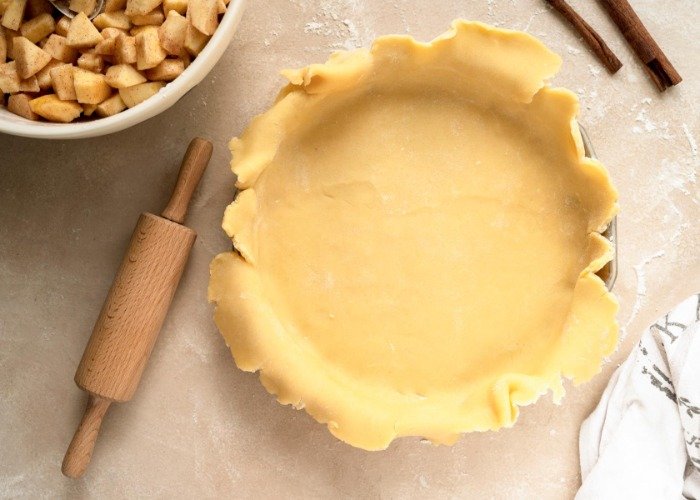
Skipping greasing or using wrong pans leads to sticking. Dark pans bake faster, light ones slower, affecting doneness.
How to avoid it: For cakes, grease and flour or use parchment. Cookies? Line with parchment or silicone mats. Match pan size exactly—larger pans bake thinner. Glass retains heat, so reduce temp by 25°F. Proper prep ensures easy release and uniform baking.
8. Overbaking or Underbaking

Beginners rely on time alone, ignoring doneness cues. Ovens vary, so recipes are guidelines.
How to avoid it: Test with a toothpick (clean crumbly for cakes) or thermometer (190-210°F internal for breads). Rotate pans halfway for even browning. Cool on racks to prevent steaming. Visual cues like golden edges prevent dry or gooey disasters.
9. Not Sifting Dry Ingredients
Lumpy flour or cocoa creates pockets in batter, leading to uneven texture.
How to avoid it: Sift flour, baking powder/soda, and cocoa together. It aerates and removes lumps. Whisk if no sifter. This extra step ensures smooth, professional batters for baking for beginners.
10. Ignoring Altitude and Humidity Adjustments
High altitude lowers air pressure, affecting rise; humidity adds moisture.
How to avoid it: Above 3,000 ft, reduce baking powder, increase liquid/flour slightly. Use altitude charts online. In humid areas, reduce liquids. Local tweaks perfect global recipes.
In conclusion, baking for beginners doesn’t have to be frustrating. By dodging these common baking mistakes—through precise measuring, proper preheating, gentle mixing, and more—you’ll achieve consistent, delicious results. Practice these tips, start with simple recipes like chocolate chip cookies or vanilla cupcakes, and soon you’ll be baking like a pro. Remember, every expert was once a beginner. Happy baking—search no more for “how to avoid baking mistakes”; you’ve got this!
(Word count: 1218)