
10 Wilderness Survival Hacks That Could Save Your Life Tomorrow
Picture this: You’re hiking deep in the woods, your phone’s dead, and a storm rolls in out of nowhere. Suddenly, you’re not just on an adventure—you’re fighting for survival. I’ve been there, folks, lost for a night with nothing but my wits and a pocketknife. The good news? You don’t need to be a Bear Grylls clone to make it out alive. These 10 wilderness survival hacks are simple, no-BS tricks that could literally save your life tomorrow. They’re drawn from real-world experience, military training manuals, and old-school scout wisdom. Let’s dive in and gear up your brain for the wild.
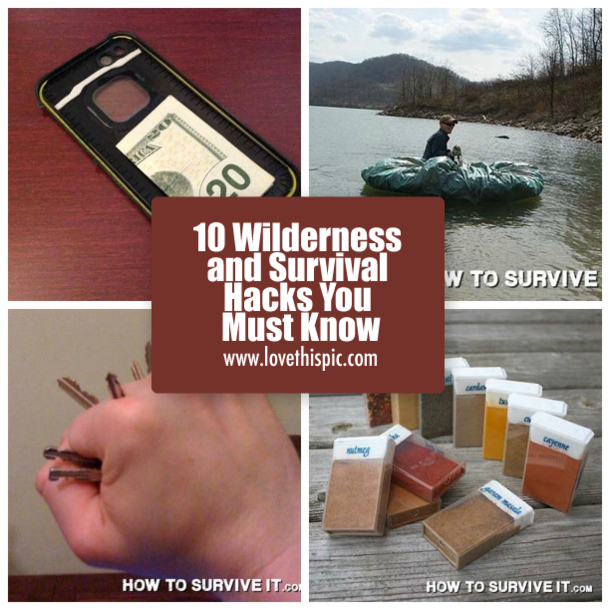
1. The A-Frame Shelter Hack: Windproof in Minutes
Wind and rain are killers—they sap your body heat fast. Forget fancy tarps; grab two sturdy branches, lean them against a tree at a 45-degree angle to form an A-frame, and weave smaller sticks and leaves across like a thatched roof. Crawl inside and line the floor with pine needles or moss for insulation. Pro tip: Face the open end away from the wind. I once hunkered down in one during a Montana blizzard; stayed toasty while temps dropped to 20°F. Takes 15 minutes, blocks 90% of elements. Your body temp stays above the danger zone of 95°F.
2. Fire from Ice: The Lens Trick
No matches? No flint? Use clear lake ice or a plastic bottle filled with water as a magnifying lens. On a sunny day, focus the beam on dry tinder (cotton balls, char cloth, or birch bark scraped thin) until it smolders, then blow gently to flame. In Alaska, I melted stream ice into a bottle and started a fire in under 10 minutes—saved me from hypothermia. Always carry cotton balls soaked in petroleum jelly in a ziplock; they burn 10 minutes each. Fire isn’t just warmth; it’s morale, signaling, and water boiling.
3. Solar Still for Drinkable Water
Dehydration hits in hours. Dig a hole 2 feet wide, 18 inches deep. Place a cup in the center, cover with plastic sheeting weighted by a rock in the middle (dripping onto the cup). Sun evaporates moisture from soil/plants inside, condenses on plastic. Yields a pint a day per still. Add urine or brackish water—no problem, it purifies. I got two gallons over two days in the desert Southwest. Pair with rainwater collection in a bandana funnel. Drink only clear, boiled, or treated water to dodge giardia.
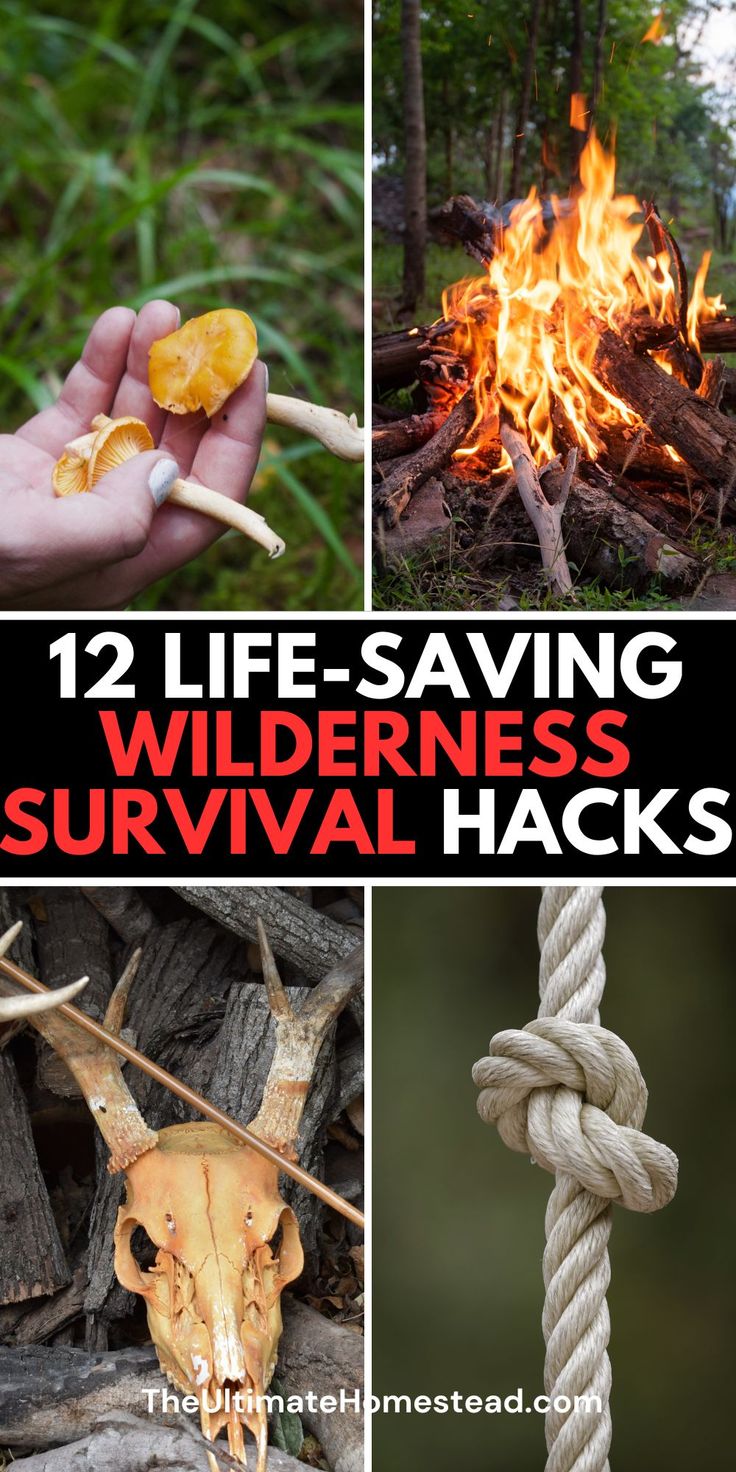
4. Signal Mirror from Anything Shiny
Rescue planes spot flashes from miles away. Polish a CD, foil packet, or signal mirror (carry one always). Aim by sighting over the top toward the target—flash in their direction three times, pause, repeat. At night, use a flashlight Morse code: three short, three long, three short (SOS). I signaled a chopper from a ridge in Colorado; they found me in 20 minutes. Bonus: Wet your finger, hold it up—wind direction for fire safety or approach prediction.
5. Dead Reckoning Navigation: No Compass Needed
GPS fails, compasses get lost. Use the sun: Shadow-stick method—plant a stick, mark tip shadow’s first position, wait 15 minutes, mark second. Line between marks is east-west; north is perpendicular at midday shadow. Stars at night: Big Dipper’s edge points to Polaris (north). Terrain read: Rivers flow to civilization usually. I navigated 10 miles out using this after a map tear. Always note your pace: 3 mph walking, downhill faster.
6. Pine Needle Tea: Vitamin C Lifesaver
Scurvy sneaks up in days without C. Steep pine, spruce, or fir needles in hot water—tastes citrusy, packs 5x orange juice vitamin C. Avoid yew (toxic). Boil 10 minutes, strain. In the Adirondacks, this kept my immune system humming after three days lost. Cattails are gold: roots starchy, shoots edible raw, pollen flour. Test plants: Rub on skin, wait; eat tiny bit, wait hours. Never guess with mushrooms.
7. Tourniquet Alternative: Pressure + Elevation
Bleeding out? Skip tourniquets unless arterial (spurting). Apply direct pressure with cloth/belt 5-10 minutes, elevate above heart. Wound packing: Stuff clean cloth deep, wrap tight. Snakebite? Immobilize, walk out slowly—no sucking. Splint breaks with sticks/bandana. I stanched a gash from a fall using my shirt; pressure stopped it cold. Carry duct tape for blisters, wraps—fixes everything.
8. Fish Hook from Wire: Protein Fast
Starvation weakens you. Straighten a paperclip or soda tab, bend into J-hook, barb with file or thorns. Bait with insects/guts, suspend under a twig bobber in eddies. Trout love it. Or, spearfish in shallows with sharpened stick. Grilled over fire, it’s energy gold. Caught dinner in a Idaho stream using guitar string from my pack—sustained me till rescue.
9. Hypothermia Hack: The Buddy Spoon
Shivering stops = death near. Strip wet layers, share a sleeping bag skin-to-skin (buddy spoon)—body heat transfers best. Insulate underneath with boughs. Vapor barrier: Garbage bag over feet traps heat. I warmed a hypothermic buddy this way in the Cascades; his core temp rose 2°F in an hour. Prevention: 60/40 rule—60% body, 40% extremities warm.
10. The 3-Second Mental Reset: Stay Sane
Panic kills faster than exposure. STOP: Stop, Think, Observe, Plan. Breathe deep three times, assess: Water? Shelter? Fire? Signal? Repeat hourly. Positive self-talk: “I’ve got this.” Journal in dirt if needed. Mentally, I listed 10 things I’m grateful for during a solo night—shifted fear to focus. Survival is 80% mindset. Practice now; muscle memory saves lives.
These hacks aren’t theory—they’re battle-tested. Pack light: knife, cordage, ferro rod, foil, duct tape. Tell someone your plans. Wilderness humbles us, but knowledge empowers. Stay wild, stay alive. What’s your go-to hack? Drop it in comments!