
From Immortal Jellyfish to Exploding Ants: 12 Mind-Bending Animal Facts You Won’t Believe
Nature never ceases to amaze with its bizarre and incredible adaptations. From creatures that defy death to insects that self-destruct for their colony, the animal kingdom is packed with mind-bending facts that challenge our understanding of biology. In this article, we’ll explore 12 unbelievable animal facts, each highlighting the extraordinary ways species survive and thrive. These weird animal facts will leave you in awe of evolution’s creativity—perfect for animal lovers and trivia enthusiasts searching for amazing nature wonders.
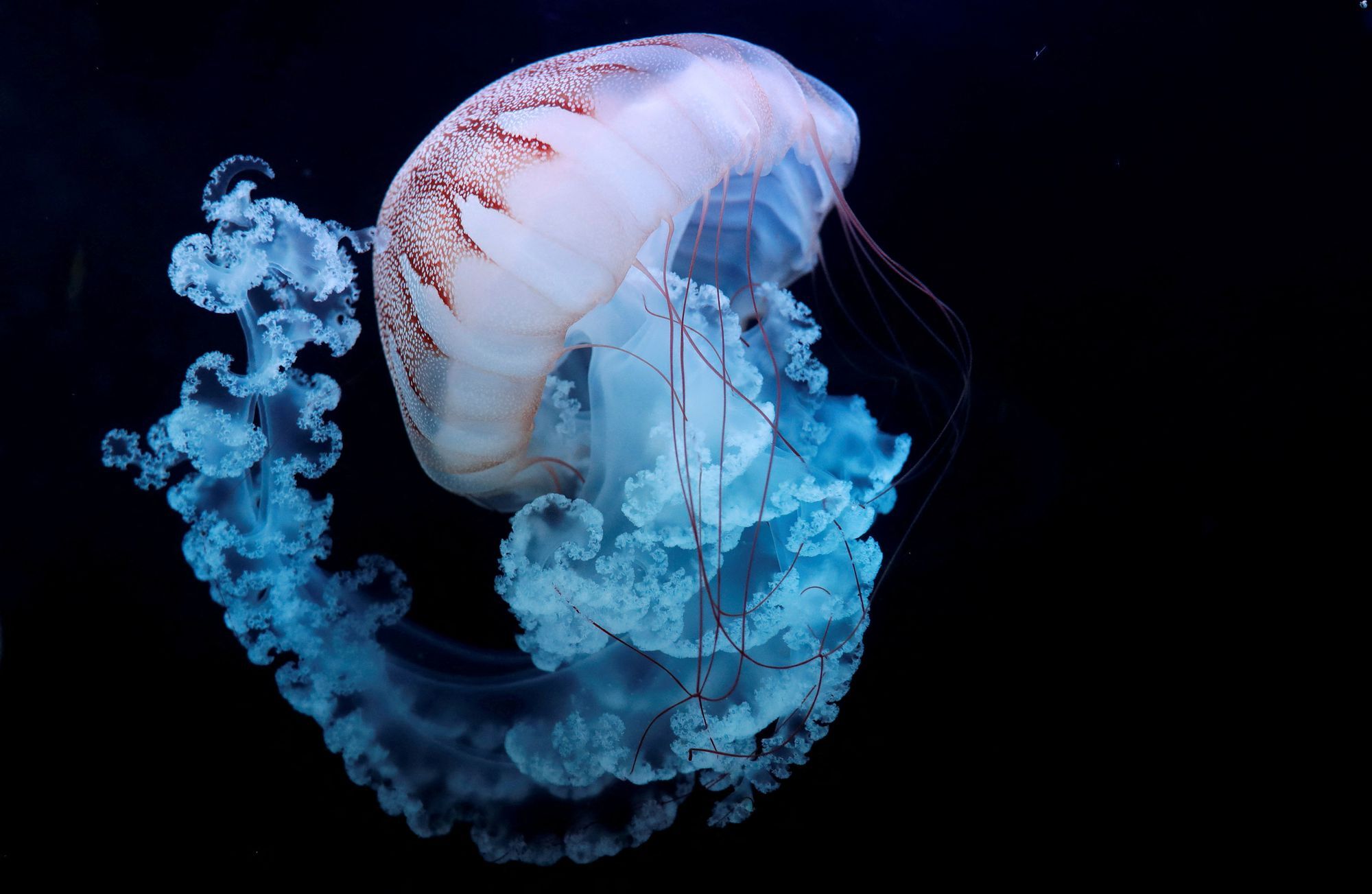
1. Immortal Jellyfish That Revert to Youth
The Turritopsis dohrnii, known as the immortal jellyfish, possesses a superpower straight out of science fiction. After reaching maturity, it can revert its cells back to their earliest form, essentially turning into a polyp—a juvenile stage—and starting life over. This biological immortality allows it to potentially live forever, dodging predators and old age. Discovered in the Mediterranean, this tiny 4.5-millimeter bell-shaped wonder uses transdifferentiation, where adult cells transform into stem cells. While not invincible to disease or predation, its cycle-breaking ability makes it a key subject in aging research, offering hope for human regenerative medicine.
2. Exploding Ants That Sacrifice Themselves
In Southeast Asian rainforests, Colobopsis saundersi ants, dubbed “exploding ants,” have a dramatic defense mechanism. When threatened, these workers rupture their bodies, ejecting a sticky, toxic yellow fluid from abdominal glands. This explosive autothysis kills the ant but repels attackers, protecting the colony. The substance acts as both glue and poison, immobilizing foes. Evolved over millions of years, this extreme altruism showcases eusocial behavior at its most intense. Discovered by scientist Fred A. Carver in 1935, these ants highlight nature’s wild survival strategies.
3. Octopuses with Three Hearts and Blue Blood
Octopuses boast three hearts: two pump blood to the gills for oxygenation, while the third circulates it to the body. Their copper-based hemocyanin blood appears blue, efficient in cold, low-oxygen depths. This cephalopod marvel also regenerates arms and changes color for camouflage via chromatophores. With intelligence rivaling dogs—solving puzzles and escaping tanks—octopuses demonstrate advanced nervous systems distributed across their arms. Found worldwide, from coral reefs to deep seas, they remind us of alien-like life on Earth.
4. Horned Lizards That Squirt Blood from Eyes
The horned lizard (Phrynosoma) defends itself by shooting blood jets from its eyes up to 6 feet. Pressing eye muscles forces blood from sinuses, startling predators like canines who dislike the taste. This autotomy costs energy but saves lives in arid North American deserts. Evolved for harsh environments, these spiky reptiles also bury themselves in sand for camouflage. A single lizard can eject multiple times before needing recovery, proving nature’s ingenuity in non-lethal weaponry.

5. Basilisk Lizard That Runs on Water
Nicknamed the “Jesus lizard,” the common basilisk (Basiliscus basiliscus) sprints across water at 5 feet per second using specialized hind feet with flaps for surface tension support. In Central and South American rainforests, it escapes predators by running upright briefly before swimming or diving. Adults reach 3 feet, with males displaying vibrant crests. This feat, enabled by powerful leg muscles, showcases biomechanics perfected by evolution for survival in watery habitats.
6. Tarsiers with Eyes Bigger Than Their Brains
Philippine tarsiers (Carlito syrichta) have enormous eyes—each weighing more than their brains—granting 360-degree vision for nocturnal insect hunting. Native to Southeast Asian islands, these tiny primates (hand-sized) leap 20 feet between trees. Their fused tibia-fibula forms a spring-like leg, aiding agility. Extremely sensitive to captivity stress, they highlight conservation needs amid habitat loss. These living fossils, unchanged for 45 million years, embody prehistoric oddities.
7. Pistol Shrimp That Stuns Prey with Bubbles
The pistol shrimp (Alpheidae family) snaps its oversized claw at 60 mph, creating a cavitation bubble that collapses with a 218-decibel shockwave and 8,900°F flash—stunning or killing prey. Often partnering with gobies in symbiotic homes, this Caribbean and Indo-Pacific resident hunts tiny organisms. The bubble’s sonoluminescence produces visible light, a rare natural phenomenon. This acoustic prowess rivals gunshots, illustrating physics harnessed by minuscule marine life.
8. Axolotls That Regenerate Entire Limbs
Mexican axolotls (Ambystoma mexicanum) retain neoteny, regenerating lost limbs, tails, spinal cords, and even heart parts throughout life. In Lake Xochimilco’s waters, these salamanders breathe via gills, growing up to 12 inches. Facing extinction from pollution, captive breeding aids conservation. Their blastema cells enable dedifferentiation, inspiring human tissue engineering for transplants. A symbol of regenerative biology, axolotls bridge larval and adult stages uniquely.
9. Sloths with Two-Week Digestion Times
Three-toed sloths digest leaves in 15 days thanks to symbiotic gut bacteria breaking down tough cellulose in their slow metabolism—moving at 0.15 mph. Hanging upside down in Central American canopies, algae grows on their fur for camouflage. Descending weekly to defecate reduces predator risk. With low body temperatures (86-93°F), they conserve energy, sleeping 15-20 hours daily. This extreme sluggishness is a masterful adaptation to nutrient-poor diets.
10. Hummingbirds That Fly Backwards
Hummingbirds uniquely hover, fly backwards, and upside down using a ball-and-socket shoulder for 360-degree wing rotation—beating up to 80 times per second. The rufous hummingbird migrates 3,900 miles annually. Consuming double their weight in nectar daily, they enter torpor at night to save energy. With 2,000 muscles per wing, these jewel-toned speedsters (up to 60 mph dives) fuel high metabolisms rivaling jet engines.
11. Electric Eels That Generate 860 Volts
Electric eels (Electrophorus electricus) produce up to 860-volt shocks via electrocytes in their tail, stunning prey or deterring threats. In Amazon waters, three electric organs deliver low/high-voltage pulses for navigation and hunting. Reaching 8 feet, they also breathe air. Recent studies show precise control, zapping disk-like patterns to reveal hidden objects. This bioelectricity powers one of nature’s most shocking predators.
12. Crows Smarter Than Seven-Year-Old Children
New Caledonian crows craft tools from twigs to extract grubs, rivaling primate intelligence. They solve multi-step puzzles, recognize faces for years, and even hold grudges. In Pacific islands, they drop nuts on roads for cars to crack. Brain size relative to body is huge, with neurons densely packed. Experiments show self-awareness and planning, positioning corvids among the brainiest birds—challenging views on animal cognition.
These 12 mind-bending animal facts reveal the boundless ingenuity of evolution. From immortal jellyfish cheating death to crows outsmarting humans, wildlife continually surprises. Share these weird animal facts to spark wonder, and explore conservation to protect these marvels. Nature’s secrets await discovery!