
Why Smart People Make Terrible Decisions: The Hidden Psychology Revealed
Why Smart People Make Terrible Decisions: The Hidden Psychology Revealed
Ever watched a genius friend torpedo their career with one dumb move? Or read about that Ivy League-educated CEO who tanked a billion-dollar company on a “sure thing”? It’s baffling, right? We assume high IQ means flawless decisions, but nope—smart people screw up spectacularly, often more than the average Joe. Why? It’s not a lack of brains; it’s the sneaky psychology that trips up the sharpest minds. Buckle up as we dive into the hidden traps that make brilliant folks do boneheaded things. Spoiler: you’re probably guilty too.
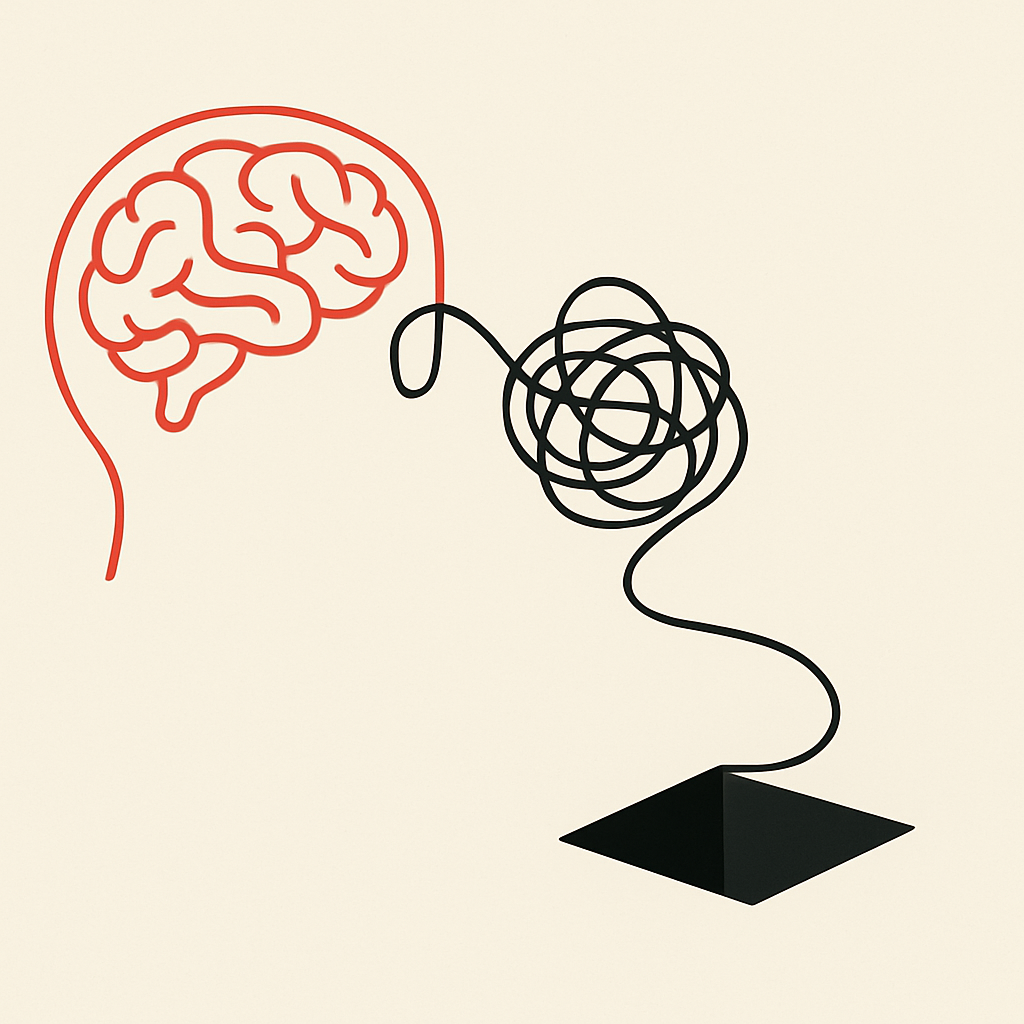
The Overconfidence Monster
Picture this: You’re a whiz kid at chess, Mensa member, crushing puzzles left and right. So when you bet your life savings on a stock tip, you feel invincible. Boom—overconfidence bias strikes. Studies from psychologists like Justin Kruger and David Dunning show that the smarter you are, the more you overestimate your abilities in unfamiliar territory.
Why does this hit intellectuals hardest? High achievers rack up wins, so their brains wire a “I’m always right” narrative. A 2018 study in Psychological Science found executives with the highest IQs were 20% more likely to ignore data contradicting their gut. Remember Long-Term Capital Management? Nobel-winning economists lost $4.6 billion in 1998 because they trusted their models too much. Smart people don’t just think they’re smart—they think they’re omniscient. Next time you’re smug about your prediction, ask: “What if I’m wrong?” It hurts, but it saves cash.
Confirmation Bias: Cherry-Picking Brilliance
Ah, confirmation bias—the greatest hits playlist of your ego. Smarties are pros at this: they seek evidence that backs their views and dismiss the rest like bad spam. Why? Cognitive ease. Our brains love harmony, and high-IQ folks have the tools to build elaborate arguments supporting their stance.
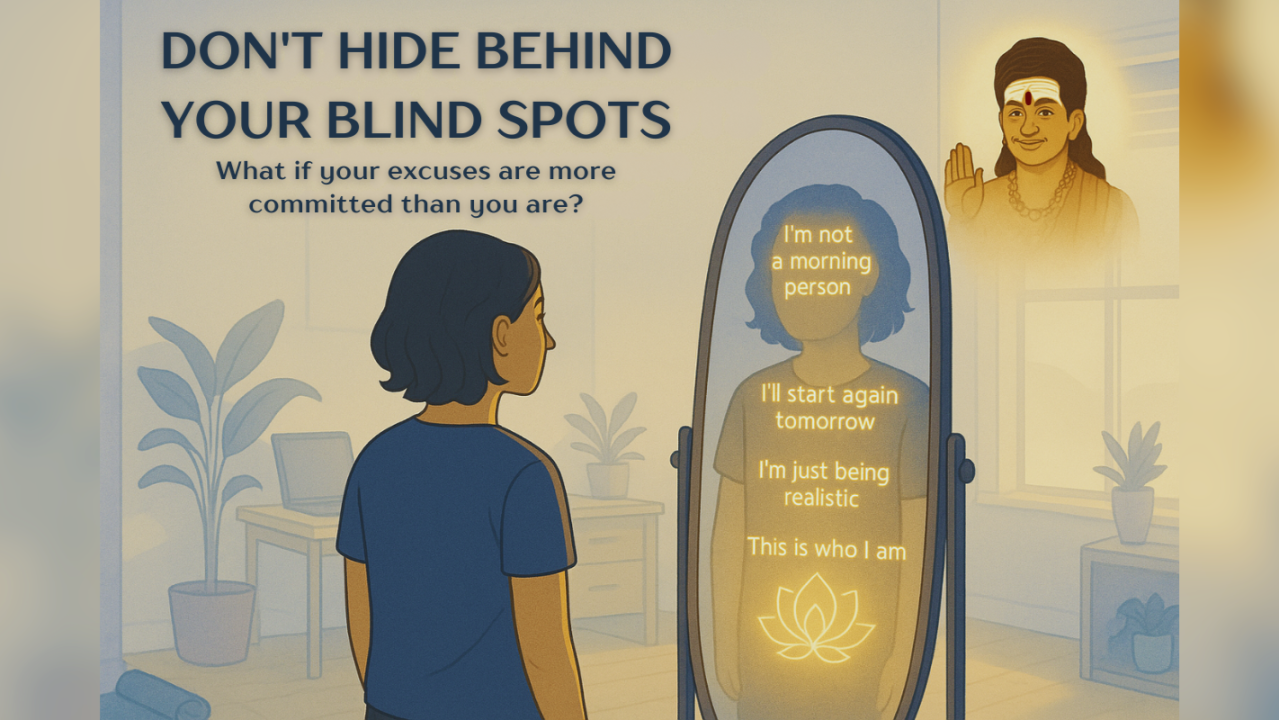
Take Philip Tetlock’s superforecasting research. He pitted experts against regular folks predicting world events. Guess who sucked more? The experts, by a mile, because they cherry-picked data. A classic example: Tech geniuses pouring billions into flops like Google Glass or the Segway. Steve Jobs ignored user feedback on early iPhone maps because it clashed with his vision. Smart people construct airtight logical fortresses around bad ideas. The fix? Actively hunt disconfirming info. Force-feed your brain the veggies it hates.
Analysis Paralysis: When Thinking Becomes a Curse
Here’s the irony: Too much brainpower can freeze you. Ever spent hours researching vacuum cleaners, only to buy nothing? Multiply that by genius-level rumination, and you’ve got analysis paralysis. Barry Schwartz’s “paradox of choice” nails it—more options and intellect lead to indecision.
Research from Sheena Iyengar shows decision-makers with high cognitive ability deliberate longer and pick worse options, overwhelmed by variables. Think of it like a supercomputer overheating on trivial tasks. Warren Buffett dodges this by his “circle of competence”—stick to what you know. But many smart folks venture out, overanalyze, and miss the boat. Netflix’s Reed Hastings killed DVD rentals too slowly, agonizing over data while streaming exploded. Pro tip: Set timers on decisions. Good enough beats perfect every time.
The Curse of Knowledge and Blind Spots
Ever explain quantum physics to your grandma and wonder why she nods blankly? That’s the curse of knowledge—smart people forget what ignorance feels like. Coined by Chip and Dan Heath, it makes geniuses lousy at predicting others’ reactions or seeing simple flaws.
In decision-making, this births epic fails. Enron’s execs, financial wizards, built complex schemes assuming everyone grasped the risks (spoiler: no one did). A Stanford study found experts 40% worse at forecasting novices’ errors. It also fuels underestimating real-world messiness—lab smarts don’t translate to chaotic life. Elon Musk admits Tesla’s production hell stemmed from engineering blind spots. Humility hack: Explain your idea to a five-year-old. If they get it, proceed. If not, rethink.
Emotional Hijacking: Brains vs. Hearts
Logic is a smart person’s superpower, but emotions are the supervillain. Daniel Kahneman’s System 1 (fast, emotional) vs. System 2 (slow, rational) explains it—geniuses master System 2 but get blindsided by feelings. Stress, ego, fear? They hijack even Einsteins.
Look at chess grandmaster losses: Deep Blue beat Kasparov partly because he tilted emotionally. Or academics in echo chambers, doubling down on debunked theories due to sunk costs and pride. A 2020 Nature paper linked high IQ to stronger emotional biases under pressure. Smart people rationalize feelings as logic— “I’m passionate, so it must be right.” Balance it with mindfulness or devil’s advocate role-play. Feel the feels, then decide.
Escaping the Smart Person Trap: Actionable Fixes
So, how do you bulletproof your brain? First, embrace probabilistic thinking—assign percentages to outcomes, like superforecasters do. Tetlock’s work shows this boosts accuracy 30%.
Second, build diverse teams. Solo geniuses flop; groups catch blind spots. Third, journal decisions post-mortem: What went wrong? Why? Fourth, practice “pre-mortems”—assume failure and work backward. NASA’s Gary Klein pioneered this, slashing errors.
Finally, remember: Intelligence is a tool, not a shield. As Shane Parrish says, “Intelligence without wisdom is dangerous.” Smart people make terrible decisions because they trust their smarts blindly. But awareness is the antidote. Next big choice? Pause, probe biases, seek dissent. Your future self (and wallet) will thank you.
In a world worshipping IQ, let’s celebrate street-smart wisdom. What’s your worst smart-person fail? Drop it in comments—let’s learn together. (Word count: 1028)