
Sharks Existed Before Trees: 12 Mind-Blowing Animal Facts You Won’t Believe
Did you know that some creatures swimming in ancient oceans predate the tallest forests on land? The animal kingdom is full of astonishing truths that challenge our understanding of evolution, biology, and behavior. From prehistoric survivors to modern marvels, these 12 mind-blowing animal facts will leave you in awe. Dive in to explore incredible insights that highlight nature’s ingenuity and diversity.
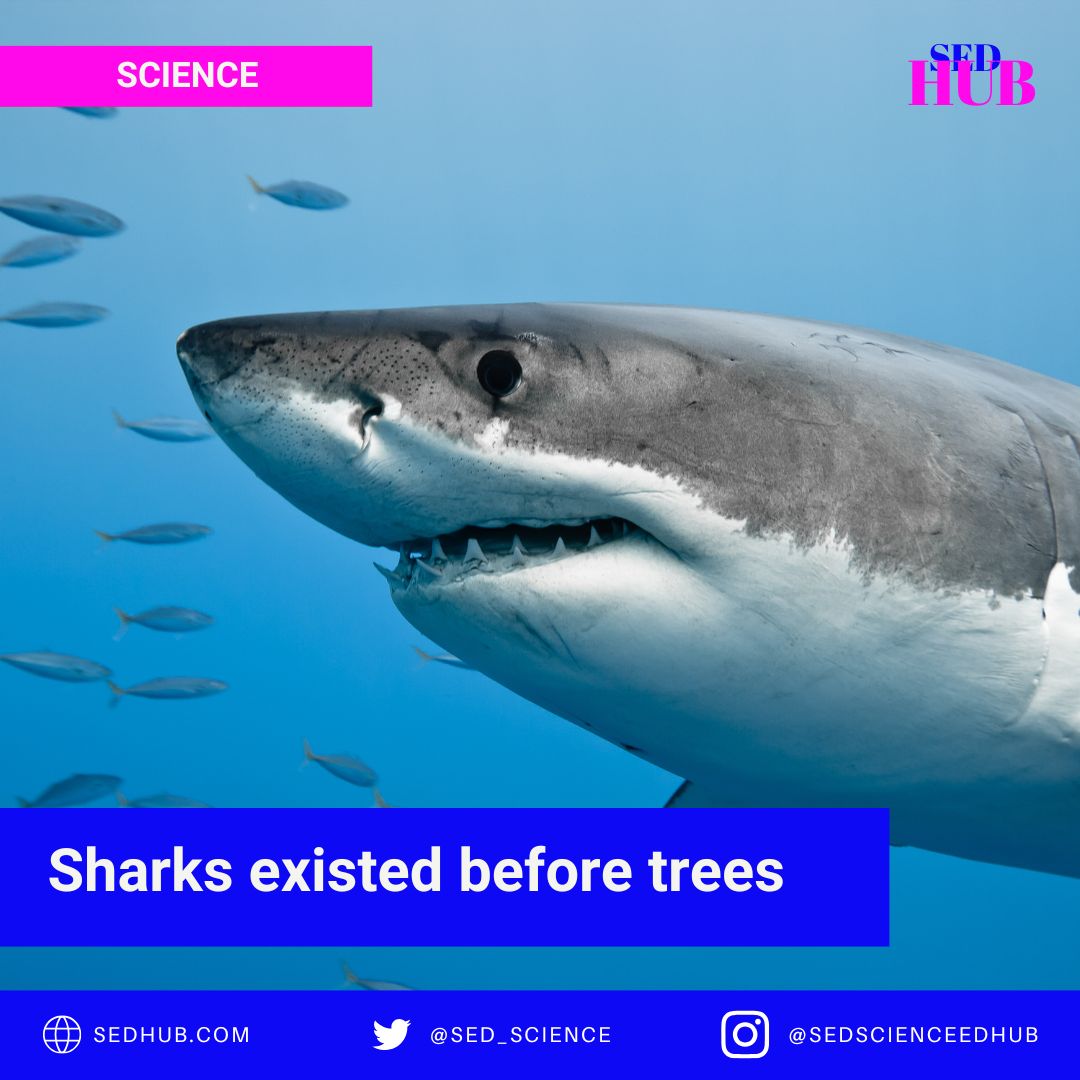
1. Sharks Existed Before Trees
Sharks have been prowling Earth’s oceans for approximately 450 million years, long before the first trees appeared around 385 million years ago. This means these cartilaginous fish evolved during the Silurian period, thriving in a world without forests. Modern sharks like the great white descend from these ancient lineages, adapting over eons with over 500 species today. Their resilience showcases evolution’s power, outlasting dinosaurs and witnessing continental shifts. This fact underscores how marine life predates terrestrial giants, reminding us of the deep-sea’s ancient dominance.
2. Octopuses Have Three Hearts
Octopuses possess three hearts: two pump blood through the gills for oxygenation, while the third circulates it to the rest of the body. This unique system supports their high-energy lifestyle, allowing bursts of speed and intelligence. Found in every ocean, from shallow reefs to deep trenches, octopuses use copper-based blue blood, efficient in cold waters. Their hearts stop when they swim, explaining their preference for jet propulsion. This cardiovascular marvel highlights cephalopod adaptations for survival in diverse marine environments.
3. A Group of Flamingos Is Called a Flamboyance
Observe a flock of pink flamingos, and you’re witnessing a “flamboyance”—a term perfectly capturing their vibrant, synchronized displays. These wading birds gather in massive colonies, sometimes exceeding a million individuals, in salty lakes across Africa, South America, and Asia. Their color comes from carotenoid-rich algae and shrimp diets. Flamingos filter-feed upside-down, thriving in harsh alkaline waters. This collective noun not only amuses but reflects their social bonding, essential for breeding and predator evasion in open landscapes.
4. Koalas Have Fingerprints Nearly Identical to Humans
Koalas’ fingerprints are so similar to humans’ that they can confuse crime scene investigators. Both feature loops, whorls, and arches formed during fetal development, aiding grip on eucalyptus bark. Australia’s marsupials spend 20 hours daily sleeping in trees, consuming toxic leaves thanks to specialized stomachs. With only 18 eucalyptus species suiting their diet, koalas’ fingerprints evolved for precise climbing. This convergence in mammals separated by millions of years illustrates parallel evolution’s wonders.
5. Elephants Are the Only Mammals That Can’t Jump
African and Asian elephants, the largest land mammals, cannot jump due to their immense weight—up to 14,000 pounds—and pillar-like legs designed for support, not springing. Instead, they walk with a unique ambling gait, reaching 25 mph. Elephants use trunks for balance and communicate via infrasound over miles. Their inability to jump reflects adaptations for size, prioritizing stability in savannas and forests. This trait emphasizes how evolution favors functionality over agility in giants.
6. The Immortal Jellyfish Can Revert to Its Juvenile Form
Turritopsis dohrnii, the immortal jellyfish, achieves biological immortality by reverting to a polyp stage after maturity, potentially cycling indefinitely. Discovered in the Mediterranean, this tiny 4.5mm creature activates transdifferentiation under stress, resetting its life cycle. While predation and disease limit wild populations, lab studies suggest endless rejuvenation. This ability challenges aging concepts, offering insights into human regenerative medicine and highlighting ocean biodiversity’s hidden potentials.
7. Crows Are as Intelligent as 7-Year-Old Children
New Caledonian crows craft tools from twigs to extract insects, rivaling chimpanzee cognition and matching 7-year-old human problem-solving. They plan ahead, recognizing themselves in mirrors, and hold “funerals” for dead kin. With brains optimized for memory, crows remember human faces for years, adapting urban environments worldwide. This avian intelligence, evolved over 17 million years, proves birds’ cognitive sophistication beyond flight, revolutionizing views on animal minds.
8. A Shrimp’s Heart Is Located in Its Head
Mantis shrimp boast a heart in their head, pumping hemolymph through an open circulatory system. These colorful crustaceans, dwelling in Indo-Pacific reefs, deliver punches faster than bullets to crack shells, using spring-loaded claws. Vision detects 12 color channels versus humans’ three, spotting polarized light. This anatomy supports their aggressive, high-speed lifestyle, making them ocean boxers with unmatched sensory prowess.
9. Giraffes Have Black Tongues to Prevent Sunburn
Giraffes’ 18-20 inch black tongues, prehensile for stripping acacia leaves, contain melanin shielding from African sun during 12+ hours of daily feeding. Necks with seven vertebrae like humans stretch 18 feet high. Despite bulk, they gallop at 35 mph. This adaptation prevents tissue damage, exemplifying how herbivores counter environmental hazards through pigmentation and flexibility.
10. Sea Otters Hold Hands While Sleeping
To avoid drifting apart in kelp forests, sea otters clasp paws or wrap in seaweed while sleeping on their backs. These keystone species, off Pacific coasts, eat 25% body weight daily, diving 330 feet for urchins. Thick fur—up to a million hairs per square inch—insulates against cold. This behavior fosters family bonds, crucial for pup survival and ecosystem health via predator control.
11. Hummingbirds Can Fly Backwards
Hummingbirds are the only birds capable of backward flight, thanks to a shoulder girdle allowing 360-degree wing rotation at 80 flaps per second. Tiny yet mighty, they consume double their weight in nectar daily, entering torpor to conserve energy. Found in Americas, their hovering precision pollinates orchids. This aerial acrobatics stems from skeletal adaptations, making them nature’s helicopters.
12. A Blue Whale’s Heart Weighs as Much as a Car
The blue whale’s heart, the largest organ on Earth, tips scales at 400 pounds—equivalent to a small car—and beats slowly at 2-10 times per minute. Stretching 100 feet, these baleen giants migrate globally, filter-feeding krill. Despite size, they’re gentle, endangered by whaling. Their physiology reveals scaling laws in biology, where heart size matches metabolic demands of oceanic titans.
These 12 animal facts reveal the boundless creativity of evolution, from ancient sharks to engineering crows. Nature constantly surprises, urging us to protect biodiversity. Share these wonders to spark curiosity about our planet’s wildlife!