
How to Prepare Your Car for a Long Road Trip to Avoid Breakdowns
Embarking on a long road trip is an exciting adventure, but nothing can derail your plans faster than an unexpected car breakdown. With proper preparation, you can minimize risks, ensure safety, and enjoy a stress-free journey. This comprehensive guide outlines essential steps to prepare your car for a long road trip, focusing on key maintenance checks that prevent common issues like overheating, flat tires, or electrical failures. By following these tips, you’ll optimize your vehicle’s performance and avoid costly roadside assistance. Keywords like “prepare car for road trip” and “avoid breakdowns” are crucial for any driver planning cross-country travels.
Perform a Thorough Pre-Trip Inspection
Feature Video
Start with a full visual and hands-on inspection of your vehicle. Park on a level surface, pop the hood, and look for obvious signs of wear, leaks, or damage. Check the undercarriage for rust or loose parts, especially if you’ve driven on salted winter roads. A professional mechanic’s pre-trip inspection is ideal if you’re not mechanically inclined, but DIY checks cover 80% of potential problems. Schedule this at least a week before departure to allow time for repairs. This step alone can prevent 70% of breakdowns, according to AAA data.
Check and Top Up All Fluids

Engine oil, coolant, brake fluid, transmission fluid, power steering fluid, and windshield washer fluid are the lifeblood of your car. Low levels lead to overheating, poor braking, or transmission slips—common culprits on long hauls. Use your owner’s manual to locate dipsticks and reservoirs. For oil, pull the dipstick, wipe it clean, reinsert, and check the level; top up with the recommended grade if needed. Coolant should be checked when the engine is cool to avoid burns. Inspect for leaks under the car after running the engine. Replace any degraded fluids and consider a full flush if your car has high mileage. Fresh fluids ensure smooth operation over thousands of miles.
Inspect Tires for Optimal Road Trip Performance

Tires are your car’s only contact with the road, so they’re critical for long road trips. Check tread depth using the penny test: insert a penny into the tread with Lincoln’s head down; if you see the top of his head, replace the tire. Inflate to the manufacturer’s recommended PSI (found on the driver’s door sticker), accounting for load from passengers and luggage—add 2-4 PSI for heavy loads. Examine sidewalls for cracks, bulges, or cuts, and ensure the spare tire is inflated and tools like the jack are present. Rotate tires if it’s been over 6,000 miles since the last rotation. Proper tires reduce blowout risks by up to 50% and improve fuel efficiency by 10%.
Test Your Brakes Thoroughly
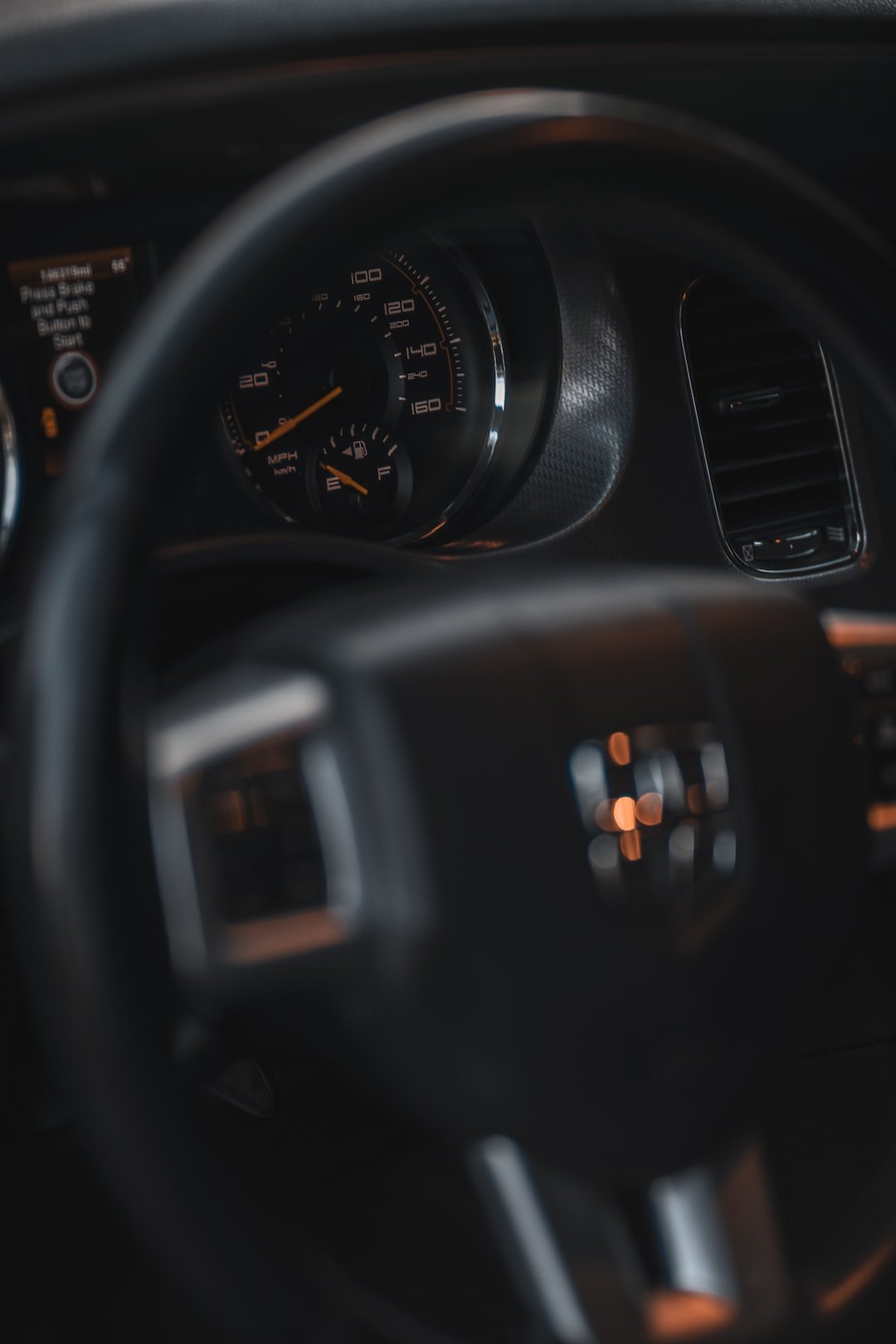
Brakes that fade or fail are a nightmare on highways. Listen for squealing or grinding noises, feel for vibrations in the pedal, and ensure the pedal doesn’t sink to the floor. Check brake pads through the wheels; if less than 1/4 inch thick, replace them. Inspect rotors for grooves and flush brake fluid if it’s dark or contaminated. For ABS systems, test by braking hard in a safe area—no warning lights should illuminate. If your car pulls to one side when braking, align the wheels immediately. Reliable brakes are non-negotiable for safe road tripping.
Examine the Battery and Charging System

A dead battery strands more drivers than any other issue, especially in remote areas. Inspect terminals for corrosion (clean with baking soda and water), ensure cables are tight, and check the battery’s age—most last 3-5 years. Use a multimeter to test voltage (should be 12.6V engine off, 13.7-14.7V running). Have the alternator tested at an auto parts store for free. Replace weak batteries before your trip, as heat and vibration accelerate failure. A healthy charging system keeps electronics, lights, and starters reliable throughout your journey.
Inspect Belts, Hoses, and the Cooling System

Serpentine belts and radiator hoses crack over time, leading to breakdowns from overheating or accessory failures. Squeeze hoses—they should be firm, not spongy or brittle. Look for cracks, bulges, or coolant residue. Check the serpentine belt for fraying, glazing, or missing chunks; replace if it deflects more than 1/2 inch when pressed. Flush the radiator if coolant is rusty, and ensure the thermostat works by monitoring temperature gauge rises. A pressure test detects hidden leaks. These components prevent the dreaded steam-from-hood scenario on hot interstates.
Verify Lights, Wipers, and Electrical Systems
Visibility is key at night or in bad weather. Test all headlights (low/high beams), taillights, brake lights, turn signals, and hazard lights—have a helper confirm. Replace burnt-out bulbs immediately. Check wiper blades for streaks or tears; new ones cost little but save lives in rain. Inspect fuses and relays for corrosion, and test the horn. For modern cars, scan for error codes with an OBD-II reader; clear minor ones after fixes. Functional electrics ensure you’re seen and signaling properly, reducing accident risks.
Assess Suspension, Steering, and Alignment

Long trips amplify suspension woes. Bounce each corner of the car—if it oscillates more than twice, shocks/struts need replacement. Check ball joints and tie rods for play by jacking up the car and shaking wheels. Steering should be tight without wandering; get a four-wheel alignment if tires wear unevenly. Loose components cause vibrations, poor handling, and hydroplaning. A smooth ride conserves fuel and keeps you comfortable over bumpy backroads.
Prepare an Emergency Roadside Kit

No prep is complete without a kit. Include jumper cables, tire inflator/sealant, basic tools (wrenches, screwdriver set, pliers), flashlight, first-aid supplies, water/snacks, blankets, flares/reflective triangles, duct tape, and a tow rope. Add a portable phone charger, paper maps, and cash for tolls. Download apps like Waze or AAA for real-time help. This kit turns minor issues into quick fixes, avoiding long waits for service.
Conduct a Test Drive and Tune-Up
After checks, take a 50-mile test drive mimicking trip conditions: highway speeds, stops, turns. Listen for odd noises, feel for pulls or shakes, and monitor gauges. Book a full tune-up—spark plugs, air filter, fuel filter, PCV valve—if due per mileage. Clean the throttle body and mass airflow sensor for better efficiency. Fuel up with premium gas and add a stabilizer for ethanol-blended fuel. This final validation catches overlooked issues.
Additional Tips for Ultimate Road Trip Readiness
Plan your route avoiding extreme weather or rough terrain. Inform someone of your itinerary and check-ins. Pack light to avoid overloading (check GVWR sticker). If towing, inspect trailer brakes/hitches separately. For EVs or hybrids, map charging stations via apps like PlugShare. Budget for maintenance mid-trip if over 1,000 miles. Insurance? Verify coverage and roadside assistance membership.
In conclusion, preparing your car for a long road trip demands time and diligence but pays dividends in safety and peace of mind. By systematically checking fluids, tires, brakes, battery, belts, hoses, lights, suspension, and more—plus packing an emergency kit—you’ll slash breakdown odds dramatically. Follow this checklist, and hit the road confidently. Safe travels!
(Word count: 1217)