
2025 Gaming Trends: How AI and VR Are About to Obliterate Traditional Consoles
Picture This: Gaming Without a Console in Sight
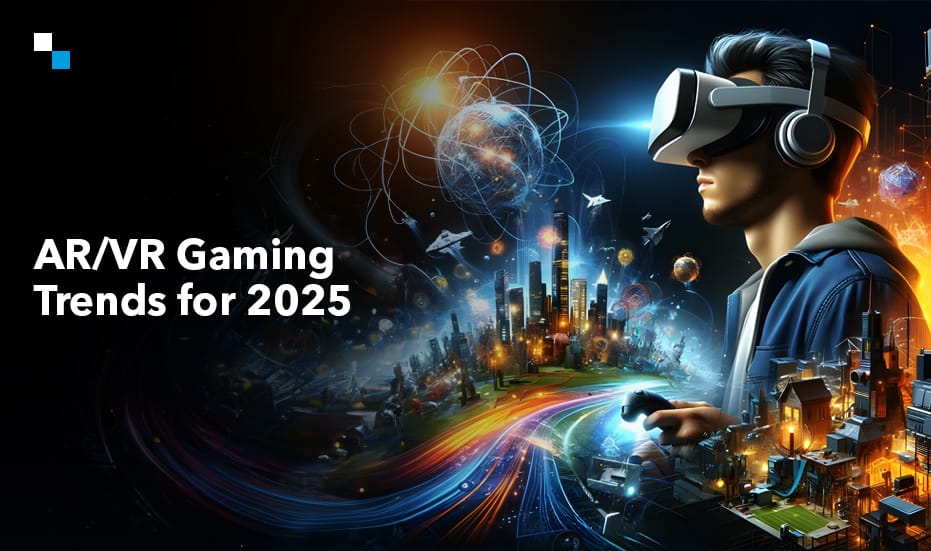
Hey gamers, grab your controllers—or maybe don’t, because by 2025, you might not need them anymore. Traditional consoles like the PS5 and Xbox Series X have ruled our living rooms for years, but AI and VR are gearing up to flip the script. I’m talking about a revolution where your games adapt to you in real-time, worlds that swallow you whole, and hardware that’s as outdated as a flip phone. Buckle up; we’re diving into why 2025 is the year consoles get benched for good.
AI: The Brain That’s Smarter Than Any NPC You’ve Met
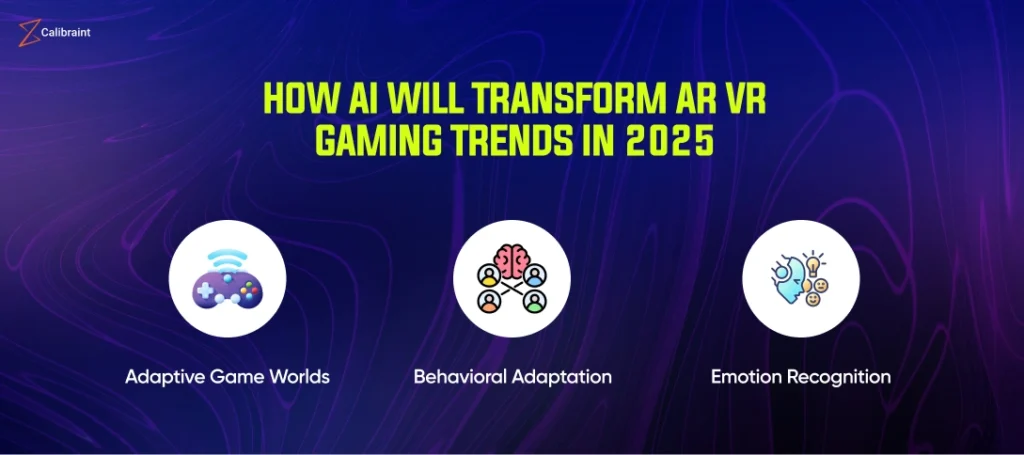
Remember those clunky AI enemies in old games? The ones that chased you in straight lines or spouted the same three lines on repeat? Yeah, kiss that goodbye. By 2025, AI isn’t just playing sidekick—it’s the star. Generative AI, like the tech powering ChatGPT but supercharged for gaming, will create endless worlds on the fly. Imagine procedural generation on steroids: No two playthroughs the same because the game learns your style.
Take NPCs. In upcoming titles like the next GTA or whatever Rockstar drops, characters won’t just react—they’ll remember. Screw over a shopkeeper? He’ll hold a grudge and tip off the cops next time. Or picture personalized stories: AI analyzes your choices, skill level, even mood via voice or biometrics, and crafts quests just for you. NVIDIA’s ACE tech is already demoing lifelike avatars that chat naturally. Scale that up, and boom—your single-player game feels like a multiplayer with infinite humans.
But it’s not just story. AI optimizes graphics in real-time, ray-tracing everything without melting your rig. Cloud AI means even low-end devices run AAA titles. Consoles? They’re stuck with fixed hardware, updating every 7-8 years. AI evolves daily, making static silicon look prehistoric.
VR: From Gimmick to Your New Reality
VR’s had a bumpy road—remember the Oculus Rift hype that fizzled? 2025 is payback time. With devices like the rumored Apple Vision Pro 2, Meta Quest 4, and PSVR 3 (if Sony doesn’t bail), we’re talking untethered, lightweight headsets with eye-tracking, hand gestures, and full-body haptics. No more wires or motion sickness for most folks, thanks to higher refresh rates and foveated rendering.
Games? Forget flatscreen ports. Think fully immersive universes. Beat Saber on crack, or social VR worlds where you hang with friends as avatars in a virtual Tokyo. Half-Life: Alyx showed the potential; now multiply that by AI. Procedural VR dungeons that shift based on your fears? Or training sims for real skills, like surgery or piloting, blending game and life.
Socially, VR explodes. Imagine Fortnite concerts or esports in VR arenas where you’re courtside. Platforms like Rec Room and VRChat are exploding, with millions logging in monthly. By 2025, VR market hits $50 billion, per analysts, dwarfing console growth. Why plop on the couch when you can be in the game?
The Killer Combo: AI + VR = Console Killer
Here’s the real magic: AI and VR together. AI generates content tailored to VR’s immersion. Your virtual world isn’t pre-baked; it’s alive, reacting to your gaze, heartbeat, everything. Want to explore a city? AI builds it block by block as you walk. Scared of heights? It dials it down. Multiplayer? AI fills lobbies with smart bots indistinguishable from players.
Tech giants are all-in. Google’s Project Starline for holographic VR chats, Microsoft’s Mesh for mixed reality work-play. Cloud giants like AWS and Azure stream these beasts to any headset or phone. No $500 console needed—just subscribe to Game Pass Ultimate VR or whatever. Consoles can’t compete; their closed ecosystems choke innovation. PC and mobile already lead in cloud gaming—add VR, and it’s game over.
Look at data: Steam Hardware Survey shows VR adoption up 30% yearly. Console sales? Flatlining post-pandemic. Kids today game on phones and Switches; give ’em AI-VR, and living room boxes gather dust.
Why Consoles Are Doomed (And Why That’s Awesome)
Consoles thrived on accessibility: Plug in, play. But AI/VR makes that obsolete. Handhelds like Steam Deck bridge to PC/VR ecosystems. Why buy a $600 box when a $300 Quest streams photoreal games via AI upscaling?
Sure, challenges exist. Battery life? Improving with solid-state tech. Motion sickness? AI predicts and prevents it. Cost? Headsets drop below $200. Devs? Unity and Unreal Engine 6 bake in AI/VR tools—indies flood the market.
Counterpoint: Hardcore console fans love their 4K TVs. Fair, but even Sony bets on PSVR. Microsoft pivots to cloud with xCloud. Nintendo? Animal Crossing in VR? They’d dominate. Traditional “console” as we know it? Dead.
2025 Predictions: What to Watch For
– AI-Driven Hits: GTA VI with emergent storytelling; AI companions in every RPG.
– VR Blockbusters: Elder Scrolls VR open worlds; Fortnite’s metaverse fully realized.
– Hardware Bombs: Ultralight headsets with brain-computer interfaces (Neuralink lite).
– Console Twilight: Last-gen bundles cheap, new ones hybrid PC/VR.
– Social Shift: Esports in VR stadiums; 1B monthly VR users.
Numbers don’t lie: IDC forecasts VR/AR at 1.4B devices by 2025. AI gaming tools market? $4B. Consoles? Maybe 200M units lifetime, vs. billions in mobile/cloud.
Embrace the Change, Gamers
2025 isn’t the end of gaming—it’s the renaissance. Ditch the console, strap on that headset, let AI blow your mind. It’s scary, exciting, inevitable. Who’s ready to level up? Drop your thoughts below—I wanna hear if you’re team VR or holding out for the next PlayStation.