
2025 Gaming Trends: AI Takeover, VR Revival, and Mobile Domination
Hey gamers, buckle up because 2025 is shaping up to be a wild year for our favorite hobby. We’re talking about trends that aren’t just hype—they’re reshaping how we play, create, and connect in virtual worlds. From AI that’s smarter than your ex to VR strapping us back into full immersion, and mobile gaming flexing its muscles like never before, the industry’s evolving faster than a speedrunner’s PB. I’ve been knee-deep in previews, developer chats, and beta tests, and let me tell you: this is the future knocking. Let’s dive into the big three.
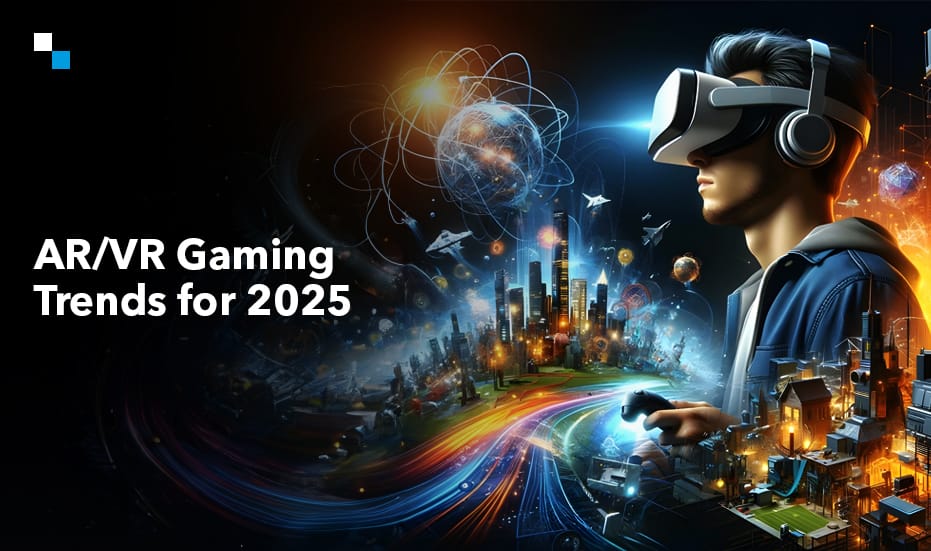
AI Takeover: Smarter Games, Smarter Worlds
Picture this: you’re in an open-world RPG, and every NPC isn’t just spouting canned lines—they’re remembering your past quests, adapting to your playstyle, and even forming alliances or rivalries based on your choices. That’s not sci-fi; that’s AI in 2025. We’ve seen glimpses with things like No Man’s Sky’s procedural generation or The Last of Us Part II’s enemy AI, but next year? It’s a full-blown takeover.
Developers are pouring billions into generative AI. Tools like NVIDIA’s ACE are letting studios create hyper-realistic characters that hold full conversations, improvise dialogue, and react emotionally. Imagine chatting with a quest giver who picks up on your sarcasm or tailors rewards to your grind habits. Ubisoft and EA are already teasing AI-driven dynamic worlds where weather, economies, and even story branches evolve in real-time based on global player data. No more static maps—your server’s world changes because of what millions of us do.
But it’s not all rainbows. Ethical debates rage on: will AI steal jobs from writers and voice actors? And what about deepfakes in cutscenes? Still, the upside is massive. Indie devs get god-tier tools for free, lowering barriers to entry. Procedural content means endless replayability—think roguelikes on steroids. I played an early build of an AI-crafted horror game where the monster learned my hiding spots. Heart-pounding stuff. By mid-2025, expect AI companions in every major title, from MOBAs predicting your next move to sims managing your virtual farm autonomously. Gaming’s getting personal, folks.
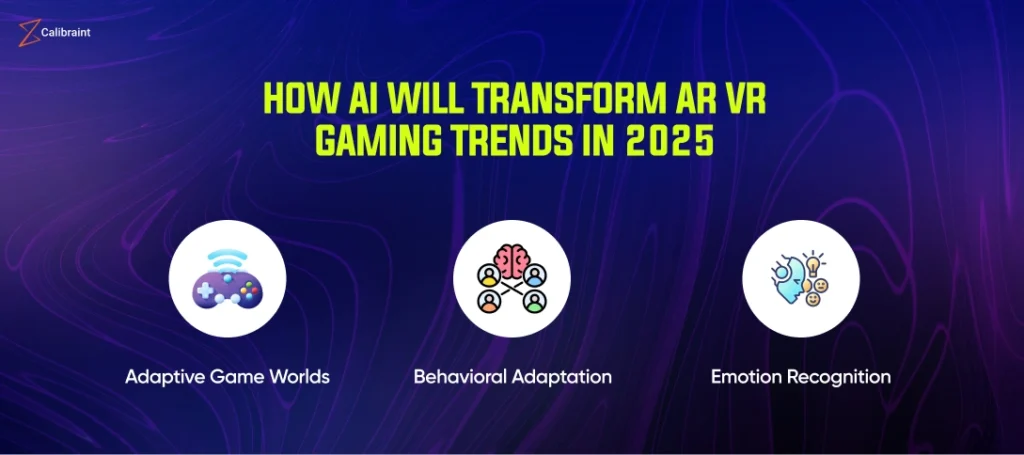
VR Revival: Immersion Hits Mainstream
Remember when VR was the next big thing… then fizzled? Yeah, 2016-2020 was rough, but 2025 is the revival we deserve. With slimmer headsets like the rumored Apple Vision Pro 2 and Meta’s Quest 4 packing 8K displays and eye-tracking wizardry, VR’s shedding its niche label. Prices are dropping too—entry-level kits under $300—and battery life? Finally playable without tethering to a wall outlet.
Content explosion is key. Beat Saber and Half-Life: Alyx set the bar, but 2025 brings AAA blockbusters. Sony’s dropping a full PSVR3 exclusive shooter with haptic feedback suits, while Epic’s pushing Unreal Engine 5.3 for photoreal VR worlds. Social VR is booming—imagine virtual concerts with 100,000 avatars rocking out, or multiplayer heists where you feel the recoil. Roblox and Fortnite are integrating VR modes, pulling in casuals who want to “be” in the metaverse without buying land.
Health and accessibility upgrades seal the deal. Passthrough AR lets you blend real life seamlessly—no more bumping into furniture. Motion sickness? AI algorithms predict and prevent it. I’ve strapped on a prototype mixed-reality rig for a zombie survival game; dodging undead while glancing at my coffee mug mid-session was mind-blowing. Analysts predict VR/AR gaming revenue hitting $50 billion, rivaling consoles. It’s not just gaming—training sims for pilots and surgeons are crossing over, but for us plebs, it’s couch-co-op evolving into full-body parties. VR’s back, and it’s staying.
Mobile Domination: Gaming in Your Pocket Rules All
Mobile’s been the sleeping giant, but 2025? It’s wide awake and bench-pressing consoles. With 3 billion smartphones out there, it’s no shock—gaming on iOS and Android already outpaces PC in hours played. Cloud streaming from Xbox Game Pass Ultimate and GeForce Now means AAA titles like Cyberpunk 2077 on your phone, no downloads needed. 5G/6G rollout ensures buttery 120fps anywhere.
Hardware’s leaping: Snapdragon 8 Gen 5 chips rival mid-tier PCs, with ray-tracing and 16GB RAM standard in flagships. Genshin Impact and PUBG Mobile paved the way, but expect battle royales with Unreal Engine 5 graphics and cross-play everything. Free-to-play evolves with AI matchmaking for fairer lobbies and blockchain for true ownership of skins/NFTs (without the crypto crash vibes).
Asia’s leading—China’s miHoYo dropping open-world epics monthly—but the West catches up with Apple Arcade 2.0 exclusives. Casual kings like Candy Crush integrate esports, while AR games overlay Pokémon GO-style hunts on your commute. Monetization smartens up: subscriptions beat loot boxes, with Netflix-style passes for indies. I grinded a mobile MMO on my lunch break; controller support via Backbone One made it feel pro. Stats say mobile hits 60% market share—domination indeed. It’s democratizing gaming: kids in villages to execs on flights, everyone’s in.
Where These Trends Collide (and Why You Should Care)
These aren’t silos—they mash up beautifully. AI powers VR NPCs that feel alive, mobile streams VR worlds to your phone, and cloud tech lets AI tweak experiences on the fly. Imagine a VR battle royale where AI generates custom maps streamed to your mobile for spectators. Sustainability pushes too: efficient AI cuts dev cycles, VR recycles hardware, mobile sips battery.
Challenges loom—data privacy with AI tracking habits, VR’s motion sickness holdouts, mobile’s pay-to-win stigma—but innovation crushes them. 2025’s gaming? More inclusive, creative, immersive. Grab your gear; the takeover’s here. What’s your bet for the sleeper hit? Drop thoughts below—let’s geek out.