
The Shocking Psychology of Why We Crave Drama (And How to Break Free)
Ever Wonder Why You Can’t Scroll Past the Latest Scandal?
Picture this: You’re chilling on the couch, phone in hand, and suddenly a notification pops up about your favorite influencer’s messy breakup. Do you swipe away? Nope. You dive right in, heart racing, eyes glued to every juicy detail. Sound familiar? We all do it. That magnetic pull toward drama isn’t just bad habits—it’s hardwired into our brains. But here’s the shocker: understanding the psychology behind it can help you break free and reclaim your peace. Let’s unpack why we crave chaos and how to kick it to the curb.
The Evolutionary Hangover: Drama Kept Our Ancestors Alive
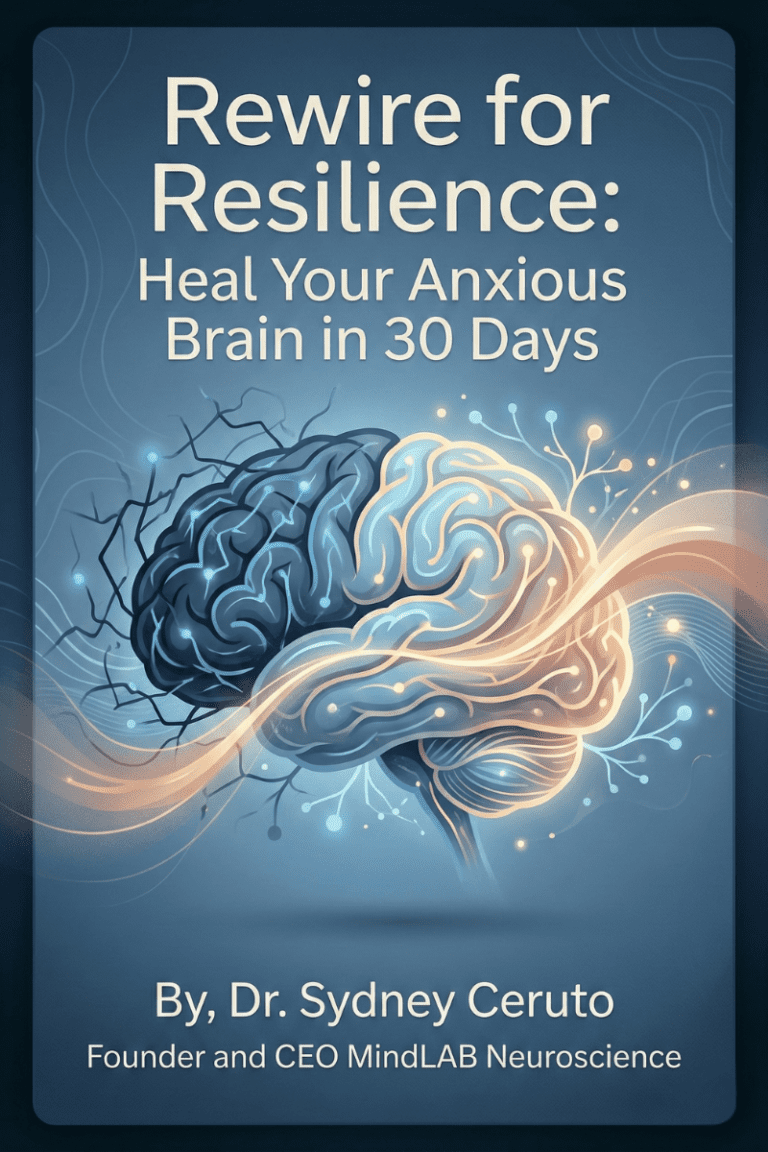
Fast-forward to prehistoric times. Our caveman brains were wired for survival. Spotting drama—like a rival tribe encroaching on your turf or gossip about who’s hoarding the best berries—was a matter of life and death. Drama signaled threats, alliances, and opportunities. Psychologists call this the “negativity bias,” where bad news grabs our attention 10 times faster than good news. It’s why a single negative comment on your post ruins your day, but 50 likes barely register.
Today, that ancient wiring backfires. No saber-tooth tigers lurk, but our brains treat office politics or reality TV feuds like mortal combat. A study from the University of Chicago found that people are 67% more likely to share negative stories online. Why? It spreads fast, keeping us “safe” in a world that’s anything but wild. We crave drama because it feels like staying vigilant, even if it’s just Kim Kardashian’s latest feud.
Dopamine Hits: The Junk Food of Emotions
Ah, dopamine—that sneaky neurotransmitter making you hit “refresh” on Twitter. Drama is emotional crack. Every twist in a soap opera or TikTok drama delivers a rush, like winning a slot machine. Neuroscientist Jaak Panksepp’s research shows arousal from conflict lights up the same reward centers as food or sex. It’s why binge-watching Love Island feels so good, even if you hate yourself after.
Think about social media algorithms. They’re drama dealers, pushing outrage bait because it keeps you hooked. A 2023 study in Nature Human Behaviour revealed that emotionally charged content gets 20% more engagement. Your brain gets a hit, anticipates the next one, and boom—you’re scrolling at 2 a.m., exhausted but compelled. It’s addiction psychology 101: intermittent rewards keep us coming back, just like slot machines.
The Dark Side: Drama as an Emotional Escape Hatch
Here’s where it gets personal. Craving drama often masks deeper stuff. Bored with your routine job? Stressed about bills? Drama distracts. Psychotherapist Harriet Lerner calls it “triangulation”—focusing on others’ mess to avoid your own. It’s easier to obsess over your friend’s toxic ex than face your stalled career.
Attachment theory adds fuel. If you grew up in chaotic homes, drama feels normal, even comforting. A 2019 Journal of Personality study linked high “drama proneness” to insecure attachments. We seek it out because calm feels alien. And don’t get me started on schadenfreude—that guilty pleasure from others’ downfall. Evolutionary psych says it balances the scales: “If they’re suffering, maybe I’m not so bad.”
The Social Glue: Why Drama Bonds Us (Until It Doesn’t)
Humans are pack animals. Sharing drama forges bonds. “Did you hear about Sarah and Mike?” sparks connection faster than weather chat. Anthropologist Robin Dunbar notes gossip comprises 65% of conversation, strengthening tribes. In modern terms, it’s group chats blowing up over celebrity beefs.
But overdo it, and it backfires. Chronic drama queens repel people. Research from the American Psychological Association shows constant negativity erodes relationships, leading to isolation—the opposite of bonding. We’re addicted to the high, blind to the crash.
Breaking Free: Your 5-Step Drama Detox Plan
Ready to quit the chaos? Science-backed steps ahead. No fluff, just actionable wins.
Step 1: Awareness Audit. Track your drama intake for a week. Apps like RescueTime log screen time; note emotional spikes. Shocking how much mental real estate it steals. Awareness is half the battle—psych calls it metacognition.
Step 2: Dopamine Reset. Go cold turkey on drama feeds. Unfollow toxic accounts, mute group chats. Replace with “positive friction”: podcasts like The Happiness Lab or books on stoicism. It takes 21 days to rewire habits, per Phillippa Lally’s research. Your brain will protest—power through for calmer vibes.
Step 3: Mindfulness Magic. Drama thrives on autopilot. Daily 10-minute meditation via Headspace trains your brain to observe urges without acting. fMRI studies show it shrinks the amygdala (fear/drama center) by 20%. When gossip tempts, breathe: “This is just a thought, not reality.”
Step 4: Curate Your Circle. Birds of a feather flock. Surround yourself with chill people. Set boundaries: “I’m off drama—let’s talk wins instead.” Therapy like CBT rewires negative biases; apps like Woebot offer free sessions.
Step 5: Chase Real Thrills. Redirect energy to drama-free highs: hiking, hobbies, volunteering. Flow states from challenges beat cheap gossip rushes. Track gratitude daily—Harvard’s study proves it boosts happiness 25%, crowding out negativity.
The Payoff: A Life of Calm Superpowers
Kicking drama craving isn’t easy, but the freedom? Game-changing. You’ll sleep better, relationships deepen, productivity soars. One client I know (okay, fine, it’s me years ago) ditched reality TV for reading—went from anxious mess to focused boss.
Next time drama calls, remember: it’s your caveman brain pranking you. Choose peace. You’ve got the tools—now use ’em. What’s your first step? Drop it in the comments; let’s build a drama-free squad.