
Car Maintenance Basics Every Driver Should Know
Why Car Maintenance Basics Are Essential for Every Driver
Feature Video
Owning a car comes with great responsibility, and understanding car maintenance basics is crucial for ensuring your vehicle’s longevity, safety, and performance. Many drivers overlook routine checks, leading to costly repairs and potential breakdowns. By mastering these essential car maintenance tips, you can save money, reduce environmental impact, and keep your family safe on the road. This comprehensive guide covers the car maintenance basics every driver should know, from oil changes to tire care, optimized for everyday use.
Regular maintenance not only prevents major issues but also maintains your car’s resale value. According to the Car Care Council, simple tasks like checking tire pressure monthly can improve fuel efficiency by up to 3%. Whether you’re a new driver or a seasoned one, these basics will empower you to handle routine upkeep confidently.
Oil Changes: The Lifeblood of Your Engine

One of the most critical car maintenance basics is regular oil changes. Engine oil lubricates moving parts, reduces friction, and prevents overheating. Dirty or low oil can cause severe engine damage, leading to repairs costing thousands.
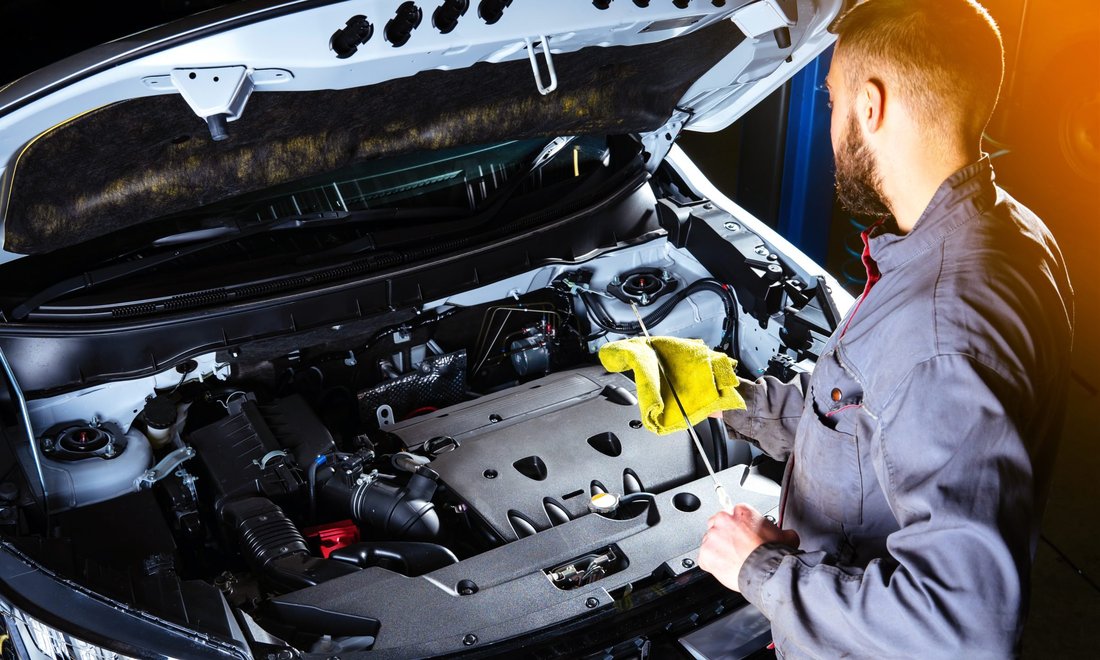
Check your oil level monthly using the dipstick under the hood. With the engine off and cool, pull the dipstick, wipe it clean, reinsert, and check the level—it should be between the “low” and “full” marks. Oil change intervals vary by vehicle; consult your owner’s manual, but most modern cars need changes every 5,000 to 7,500 miles or annually. Synthetic oils extend this to 10,000 miles.
DIY oil changes are straightforward: drain old oil, replace the filter, and refill with the recommended grade (e.g., 5W-30). Dispose of used oil at a recycling center. Professional services cost $30-$80, a small price for engine health. Neglecting this basic car maintenance can void warranties and shorten engine life by 50%.
Tire Maintenance: Safety Starts with Proper Inflation

Tires are your car’s only contact with the road, making tire maintenance one of the top car maintenance basics. Underinflated tires wear unevenly, reduce gas mileage, and increase blowout risk.
Inspect tires monthly and before long trips. Use a gauge to check pressure (found on the driver’s door sticker, typically 30-35 PSI). Rotate tires every 6,000-8,000 miles to ensure even wear—front to back for front-wheel drive. Check tread depth with the penny test: insert a penny with Lincoln’s head down; if visible, replace tires (minimum 2/32 inch tread).
Align wheels annually or after hitting potholes, and balance them during rotations. Proper tire care extends life from 40,000 to 60,000 miles, saving hundreds. All-season tires suit most drivers, but swaps to winter tires in snowy areas prevent skids.
Brake System Checks: Stopping Power You Can’t Ignore
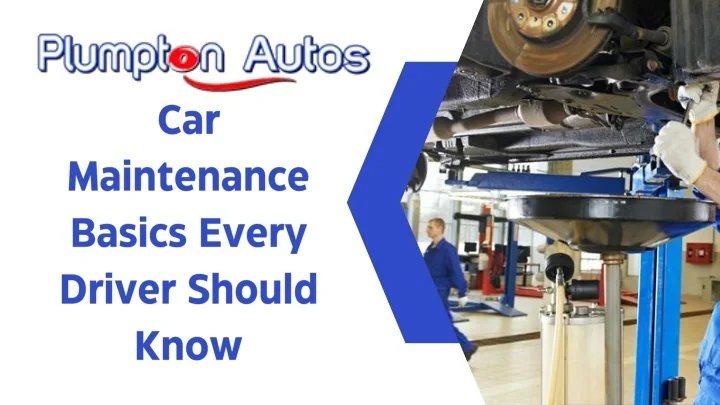
Brakes are non-negotiable in car maintenance basics. Worn pads or fluid issues can lead to accidents. Listen for squealing (worn pads) or grinding (metal-on-metal).
Monthly, check pad thickness through wheels (under 1/4 inch means replace). Inspect rotors for grooves. Brake fluid should be clear; dark fluid needs flushing every two years. DIY pad replacement is possible for handy drivers using a jack, stands, and torque wrench, but pros recommend professional service for safety.
Expect pad changes every 30,000-70,000 miles, rotors every 50,000-80,000. ABS lights signal issues—address immediately. Well-maintained brakes enhance control and comply with safety laws.
Battery Maintenance: Keeping the Power Flowing
Your car’s battery powers starting, lights, and electronics. Extreme temperatures kill batteries fast, so regular checks are key car maintenance basics.
Test monthly: clean terminals with baking soda/water mix and a brush. Check charge with a multimeter (12.6 volts when off). Most last 3-5 years; replace proactively. Jump-start tips: connect positive to positive, negative to ground, and let idle 5 minutes.
For maintenance-free batteries, just inspect; others need distilled water top-ups. Cold cranking amps (CCA) rating matters for climates—higher for winters. A dead battery strands you; prevention is simple and cheap.
Fluid Levels: Coolant, Transmission, and More
Besides oil, monitor coolant (antifreeze), transmission, power steering, and brake fluids. Low levels cause overheating, slipping gears, or steering issues.
Check when cool: coolant in radiator/overflow tank (50/50 mix water/antifreeze). Transmission fluid on dipstick (pink/red, not burnt). Top up with manufacturer specs—mixing types harms systems. Flush coolant every 30,000 miles, transmission every 60,000.
Leaks? Spot colorful puddles. These checks take minutes but prevent $1,000+ repairs. Windshield washer fluid is easy—keep full for visibility.
Air Filter and Belts: Breathing and Drive Essentials
A clean air filter improves fuel economy by 10% and protects the engine. Inspect every oil change; replace if dirty (every 12,000-15,000 miles). Cabin filter keeps air fresh—swap yearly.
Serpentine belts drive alternator, AC, etc. Check for cracks/glazing monthly; replace every 60,000 miles. Squealing means tension issues. Hoses should be soft, not brittle.
These basics boost efficiency and avoid stranding.
Lights, Wipers, and Exterior Checks
Visibility is safety. Test headlights, taillights, brake lights, turn signals weekly. Replace bulbs ($5-20 each). Wipers streak? Swap seasonally (rubber hardens).
Inspect mirrors, horn, washers. Clean underbody for rust. These ensure roadworthiness and pass inspections.
Regular Inspections and Professional Help
DIY covers basics, but annual pro inspections catch hidden issues like suspension wear or exhaust leaks. Follow mileage schedules in manuals. Apps like MyCarfax track maintenance.
Warning signs: dashboard lights, vibrations, smells, noises—don’t ignore. Tools needed: jack, gauge, flashlight, wrench set. Start small to build skills.
Conclusion: Drive Smart with These Car Maintenance Basics
Mastering car maintenance basics empowers you, saves money (up to $1,200/year per AAA), and promotes safety. Schedule checks, track mileage, and stay proactive. Your car rewards diligence with reliability. Share these tips and drive confidently!
(Word count: 1,248)