
How to Start a Podcast on a Budget Using Only Your Smartphone
Podcasting has exploded in popularity, offering anyone with a story, expertise, or passion a platform to reach global audiences. The best part? You don’t need expensive microphones, mixers, or studios to get started. In 2024, launching a podcast on a budget using only your smartphone is entirely feasible. This guide walks you through every step—from ideation to launch—ensuring high-quality results without breaking the bank. Whether you’re into true crime, tech reviews, fitness tips, or comedy, your smartphone is all the gear you need. Keywords like “start a podcast on a budget,” “smartphone podcast setup,” and “free podcast apps” will help you find this resource, but let’s dive into the how-to.
Step 1: Plan Your Podcast Concept
Feature Video
Before hitting record, solid planning prevents costly mistakes (even if your “costs” are just time). Start by defining your niche. What makes your podcast unique? Research competitors on platforms like Spotify or Apple Podcasts using your phone’s browser. Tools like Google Trends (accessible via smartphone) can reveal hot topics. For instance, if you’re passionate about sustainable living, search “budget eco tips podcast” to spot gaps.
Choose a catchy name that’s SEO-friendly—include keywords like “budget podcast tips” or “smartphone storytelling.” Use free apps like Namecheap or GoDaddy’s domain checker to verify availability. Outline your first 5-10 episodes: What’s the hook for episode one? Aim for 20-45 minutes per episode to keep listeners engaged. Create a simple script or bullet points in Google Docs or Notes app on your phone. This prep phase costs nothing and sets a professional tone, boosting your chances of retention and shares.
Pro tip: Define your target audience. Are they busy professionals seeking quick advice? Tailor content accordingly. With planning done, you’re ready for recording— all on your smartphone.
Step 2: Optimize Your Smartphone for Recording

Your smartphone’s built-in mic is surprisingly capable for starters. iPhones and Androids (like Samsung Galaxy or Google Pixel) have high-quality microphones rivaling entry-level USB mics. To maximize audio quality:
- Environment matters: Record in a quiet room. Use closets or under blankets for natural sound dampening—free pop filters!
- Positioning: Hold the phone 6-12 inches from your mouth, screen up, using a tripod app or stack books for stability.
- Accessories under $20 (optional): A lavalier mic ($10 on Amazon) clips to your shirt for hands-free pro sound, but skip if ultra-budget.
Test recordings with your voice memo app. Speak clearly, at a consistent volume. Apps like Voice Recorder (Android) or Voice Memos (iOS) are pre-installed and free. For multi-track (interviews), upgrade to specialized apps next.
Step 3: Choose the Best Free Recording Apps
Ditch basic memos for podcast-specific apps. Top free picks:
- Dolby On (iOS/Android): AI-powered noise reduction, auto-leveling, and effects. Export in high-quality MP3/WAV. Perfect for solo or remote interviews via its built-in calling.
- Anchor by Spotify (iOS/Android): All-in-one: record, edit, host. Unlimited storage, monetization from day one. Ideal for beginners.
- GarageBand (iOS only): Apple’s free powerhouse with multi-track, instruments, and pro editing tools.
- Audio Evolution Mobile (Android): Free version offers unlimited tracks, effects like compression for polished sound.
These apps handle EQ, compression, and noise gates—features once exclusive to studios. Record solo episodes or call guests via Zoom/Skype integration. Always back up to Google Drive or iCloud. With these, your smartphone podcast sounds broadcast-ready.
Step 4: Edit for Professional Polish
Raw audio rarely shines. Editing elevates your show. Using the apps above:
In Anchor: Trim silences, add intro/outro music (royalty-free from Epidemic Sound’s free tier or YouTube Audio Library, downloadable on phone). Fade ins/outs prevent abrupt cuts. Add simple effects like reverb for intros.
Dolby On auto-edits, but manual tweaks in GarageBand let you layer music beds, remove “ums,” and balance levels. For Android, Audio Evolution’s drag-and-drop timeline is intuitive. Aim for clean edits: Intro (10-30s with hook + music), main content, outro (call-to-action + subscribe plug).
Free music sources: Bensound, Free Music Archive. Export at 128-192kbps MP3 for optimal size/quality. Total edit time per episode: 1-2 hours initially, dropping with practice. Your budget smartphone podcast now rivals paid setups.
Step 5: Host and Distribute Your Episodes
Hosting makes your RSS feed discoverable on directories. Free options:
- Anchor/Spotify for Podcasters: Unlimited free hosting, auto-distribution to Spotify, Apple, Google Podcasts. Built-in analytics.
- Buzzsprout Free Trial: 90 days free, then scales affordably, but stick to Anchor for pure budget.
- Podbean Free: 5 hours/month free hosting.
Create an RSS feed in Anchor: Upload edited MP3, add episode title/description with keywords (e.g., “Episode 1: Budget Podcast Hacks on Smartphone”). Write compelling show notes: timestamps, links, transcripts for SEO. Submit to directories via phone browser—Apple Podcasts Connect, Spotify for Podcasters app.
Customize artwork: Use Canva’s free app for eye-catching 1400x1400px covers with bold text and your photo. Boom—your podcast is live worldwide.
Step 6: Promote and Grow Your Audience
Launching is half the battle; growth requires strategy. Leverage smartphone tools:
Social Media: Post clips on TikTok, Instagram Reels, YouTube Shorts using CapCut (free editor). Transcribe snippets for text overlays—boosts virality.
SEO Tactics: Optimize episode titles/descriptions with long-tail keywords like “how to start podcast smartphone budget.” Use Podcast Addict or Overcast apps to track rankings.
Cross-Promotion: Guest on others via Twitter/Clubhouse. Email newsletters via Substack app (free tier).
Analytics: Anchor’s dashboard shows downloads, locations—refine content accordingly. Consistency is key: Weekly episodes build habits. Engage listeners via comments or voice messages in Anchor.
Monetization kicks in at 1,000 downloads: Sponsorships, listener support. Many hit this in months with smartphone-only setups.
Common Pitfalls and Pro Tips
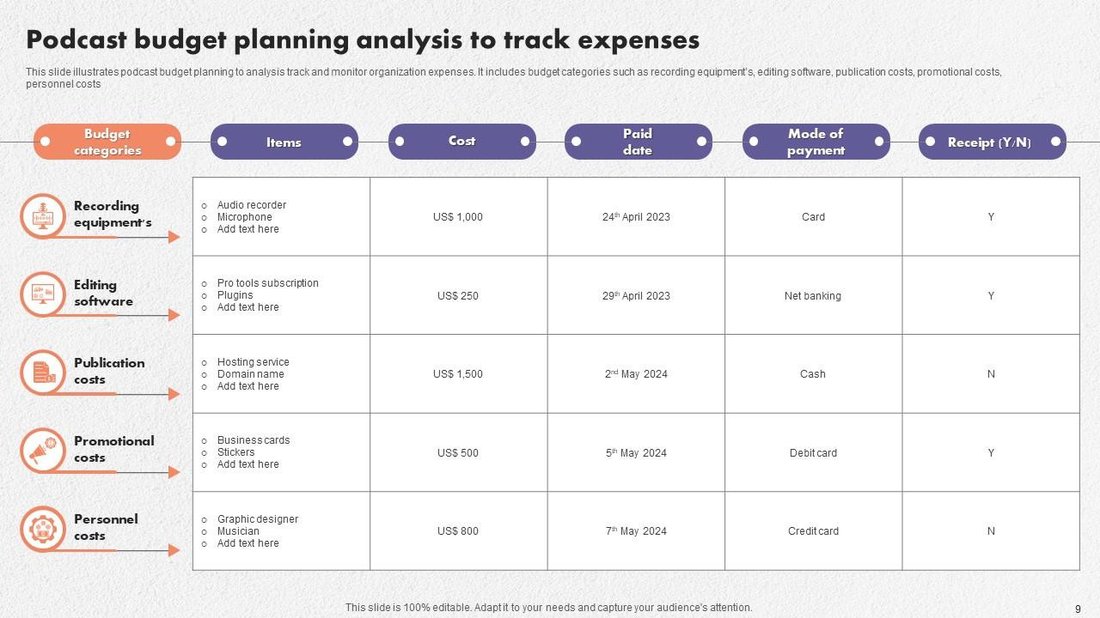
Avoid echoey rooms—test first. Backup everything. Batch-record episodes for momentum. Update apps regularly for features. Legal note: Use royalty-free music; attribute if required.
Advanced: Bluetooth earbuds with mics improve remote quality. Pop filters ($5) tame plosives. Scale up later with revenue.
Conclusion: Launch Today, No Excuses
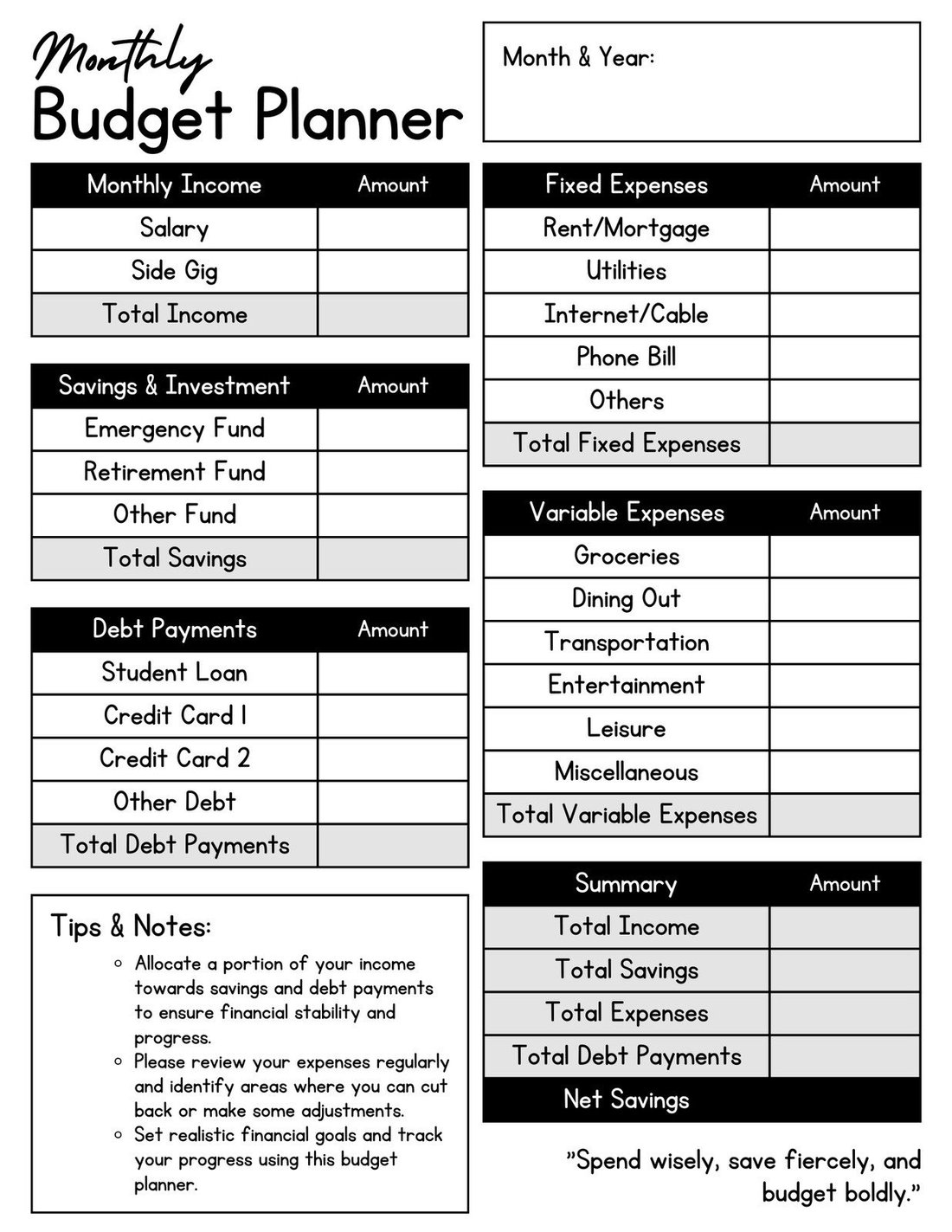
Starting a podcast on a budget using only your smartphone democratizes content creation. From planning in Notes to publishing via Anchor, every tool is free or pre-installed. Expect 10-20 hours for your first episode, then streamline. Success stories abound: “The Joe Rogan Experience” began humbly; yours can too. Download Anchor now, outline episode one, and hit record. Your voice deserves an audience—make it happen affordably.
(Word count: 1,248)